Horror films are always changing, but only a few manage to stay scary and relevant no matter what’s popular or how special effects improve. Today’s horror often relies on sudden shocks and complex storylines, but older classics became famous for their creepy mood, memorable monsters, and disturbing visuals that still feel effective even after many years.
The most memorable horror films don’t just provide a quick fright; they change the horror genre forever. Some achieve this by pioneering new ways to make movies, while others connect with our deepest fears in a way that remains unsettling even now. A truly great horror film stays with you, making even the most ordinary places, like a dark hallway, feel creepy long after you’ve finished watching – and that’s perhaps the most uniquely nerve-wracking thing about cinema.
From classic monster stories to intensely psychological thrillers, these films continue to shape the horror genre. Even viewers who think they’ve seen it all often find these timeless classics still deliver genuine scares.
Bride Of Frankenstein (1935)

Bride of Frankenstein is unusual because many consider it even better than the first film, which famously introduced a legendary monster. Directed by James Whale, the movie deepens the tragic story of Frankenstein’s Monster, all while featuring a surprisingly dark and stylish sense of humor and classic Gothic visuals.
Boris Karloff brought emotional complexity to the Monster, making him both terrifying and pitiable, often through references to religious themes. Elsa Lanchester’s Bride, though appearing only for a short time, became an iconic and lasting figure in horror cinema.
Bride of Frankenstein skillfully combines sadness, over-the-top style, and genuine creepiness, solidifying Universal’s monster films as classics. Even after almost a century, the Bride’s iconic electrified hair is still instantly famous, demonstrating that memorable horror villains can achieve lasting recognition through great visual design.
The Texas Chainsaw Massacre (1974)

Many people still feel like they’re watching something truly dangerous when they see The Texas Chain Saw Massacre because of its raw, chaotic, and gritty style. Director Tobe Hooper changed horror movies with this film, moving away from traditional spooky settings and towards a more realistic, intensely tense experience.
Leatherface quickly became a truly frightening movie villain because he seems both wild and disturbingly human. The film’s shaky, documentary-like camera work and fast pace build constant tension, leaving the audience feeling breathless and on edge.
Despite its infamous reputation, The Texas Chainsaw Massacre isn’t actually that graphic. It expertly builds terror through suspense and implication, proving that a chilling atmosphere can be far more frightening than excessive gore. The film’s unsettling sounds – every creak and the roar of the chainsaw – contribute to its nightmarish quality. Even today, it remains a gritty, draining, and disturbingly effective horror film – a truly impressive feat.
Ring (1998)
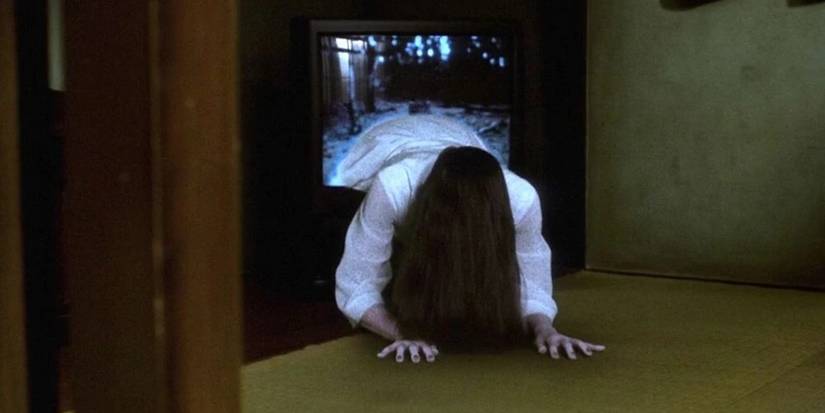
The film Ring significantly impacted Japanese horror by demonstrating that subtle, psychological fear could be much more frightening than gore or sudden shocks. Directed by Hideo Nakata, the story centers on reporter Reiko Asakawa, who explores a cursed video tape linked to a string of unexplained deaths.
While the basic idea behind Ring seems straightforward, the film builds incredible suspense through its mood, quiet moments, and a sense of dread that steadily increases. Sadako’s frightening image is unforgettable because the film only shows her briefly, and does so with masterful skill.
The truly frightening scene of Sadako’s hand crawling out of the TV destroys the feeling of security viewers normally have when watching horror films. It breaks down the line between what’s real and what’s happening on screen, fundamentally altering how audiences experience scary movies, especially those watched on older VHS tapes.
The Exorcist (1973)
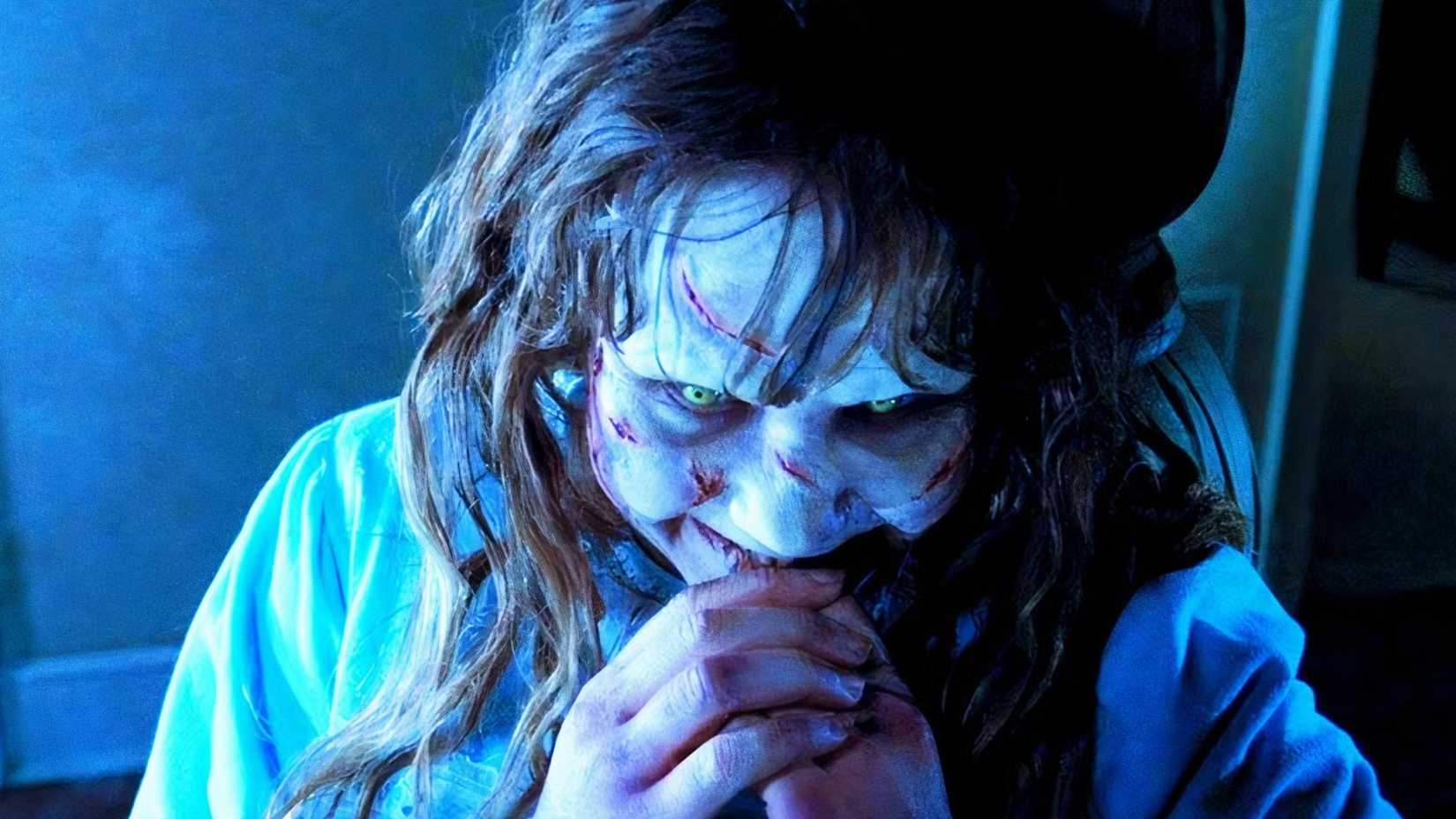
The Exorcist wasn’t just a scary movie – it became a huge part of popular culture and fundamentally altered the horror genre. Director William Friedkin created a film that deeply disturbed audiences with its shocking visuals, realistic emotions, and thought-provoking look at faith and the battle against evil. Many consider it the start of a new era of serious, high-quality horror films.
What makes The Exorcist so effective is its genuine seriousness. It approaches supernatural horror with complete sincerity, avoiding any sense of playfulness. Because the film takes the time to develop realistic and relatable characters, the frightening scenes have a much stronger impact. This dramatic approach to horror was groundbreaking, earning the film the first-ever Academy Award nomination for Best Picture, along with nine other nominations.
Linda Blair’s portrayal of Regan is still terrifying because the possession feels truly awful and violating, not overdone or fake. Over fifty years after its release, The Exorcist continues to be one of the most frightening and important horror films of all time.
The Thing (1982)
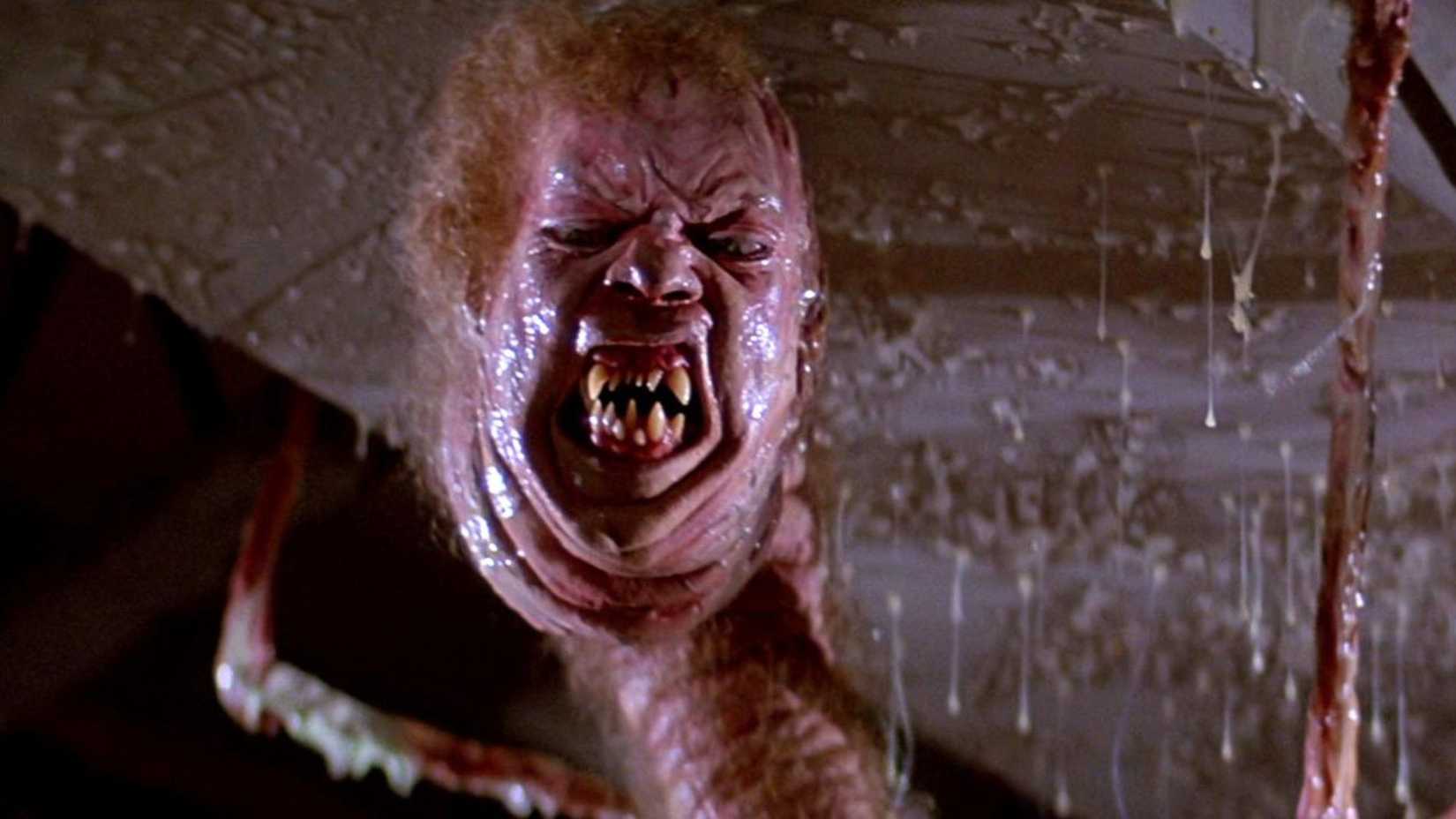
John Carpenter’s The Thing is a terrifying film that masterfully builds suspense by isolating a group of researchers in Antarctica with a shape-shifting creature. The movie excels at creating a sense of dread and psychological breakdown as the characters grapple with the horrifying realization that anyone could be the monster in disguise, leading to complete distrust.
Kurt Russell delivers a strong, tough performance as MacReady, holding the film together amidst all the craziness. The creature effects, created practically by Rob Bottin, are still shockingly disturbing even today. Each time someone transforms, it feels like a truly terrifying and unnatural event. Surprisingly, The Thing didn’t receive great reviews when it first came out, especially considering how much of a classic it’s become.
The film’s biggest success is how it combines a deeply unsettling atmosphere with incredibly realistic special effects. It breaks away from the typical horror formula, which usually focuses either on creating psychological tension or relying on over-the-top gore – this movie manages to deliver both effectively.
Alien (1979)
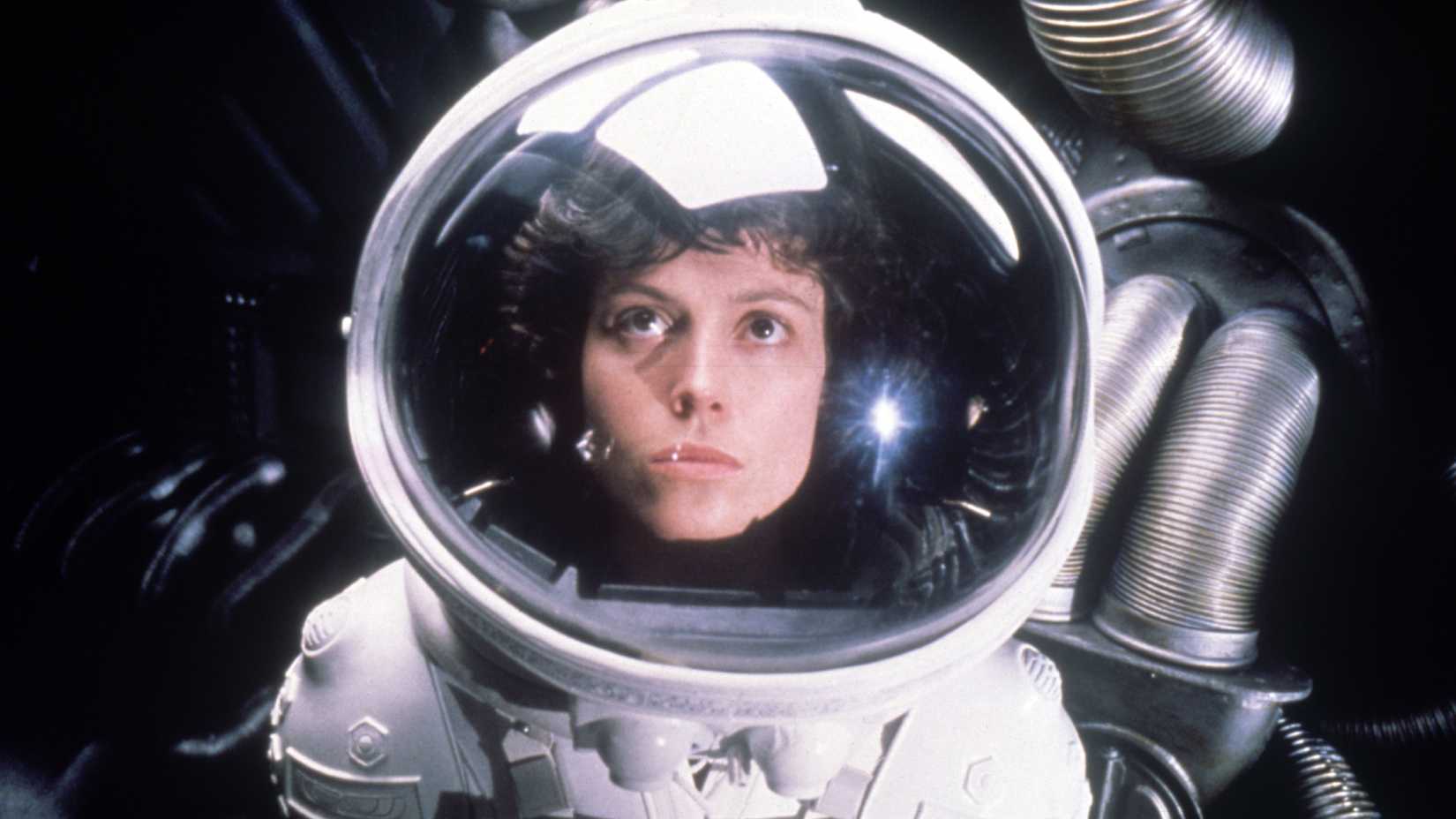
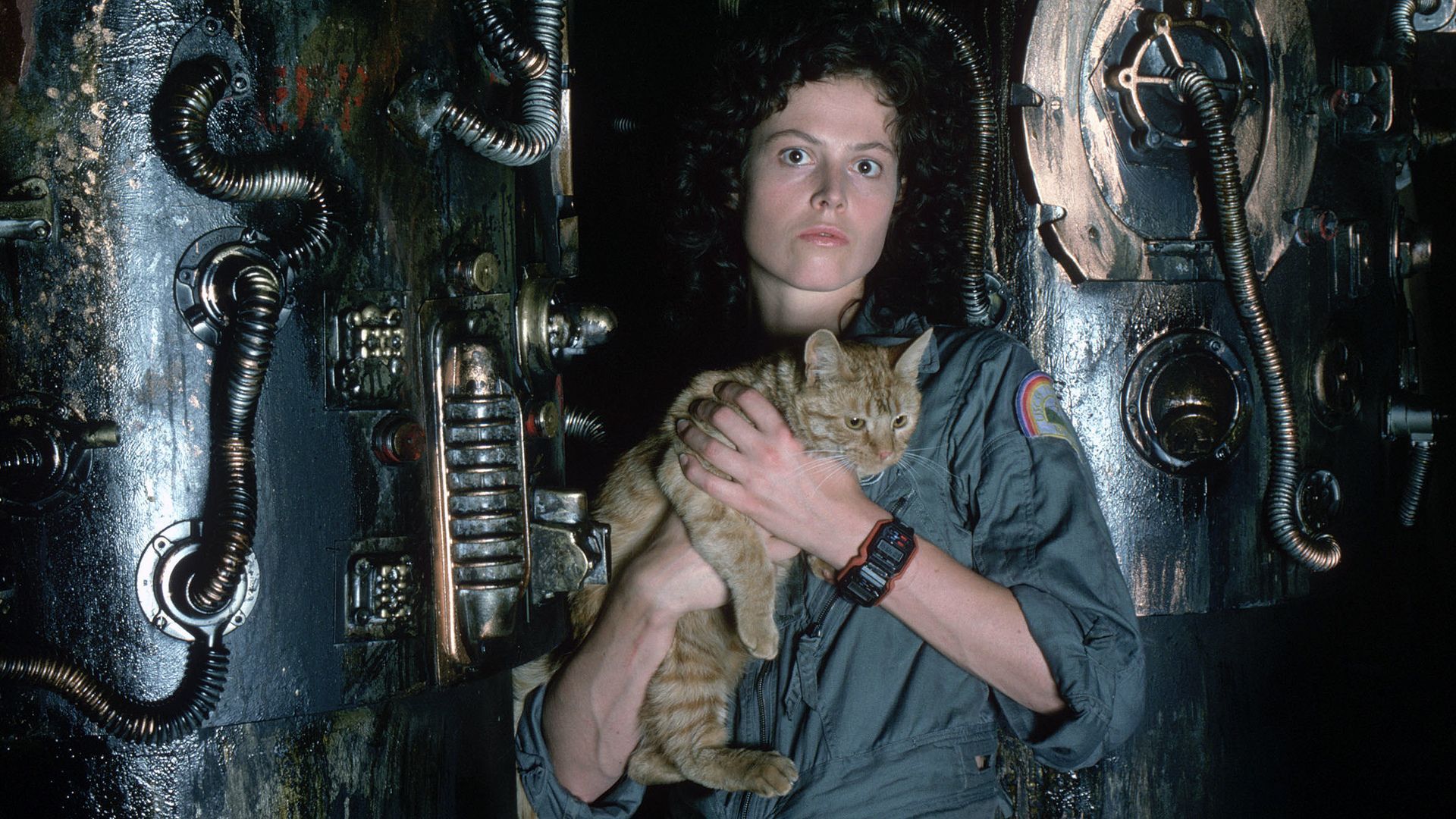
Ridley Scott’s Alien brilliantly combined science fiction and horror, making the vastness of space incredibly frightening on screen. The film centers on the crew of the Nostromo, whose routine mission quickly turns into a terrifying struggle for survival when they encounter a deadly alien creature.
The Xenomorph is still terrifying because it feels utterly alien, operating as an ideal hunter rather than a typical movie monster. Sigourney Weaver’s Ellen Ripley also changed the game for horror heroes, becoming clever, capable, and incredibly tough while still feeling like a real person.
The movie Alien builds tension from the very beginning through its deliberate pace and bleak, industrial setting. Even before the creature is clearly visible, the atmosphere makes you feel like it could be lurking anywhere. This creates a relentless and expertly crafted sense of suspense as soon as the crew discovers the alien organism.
Jaws (1975)
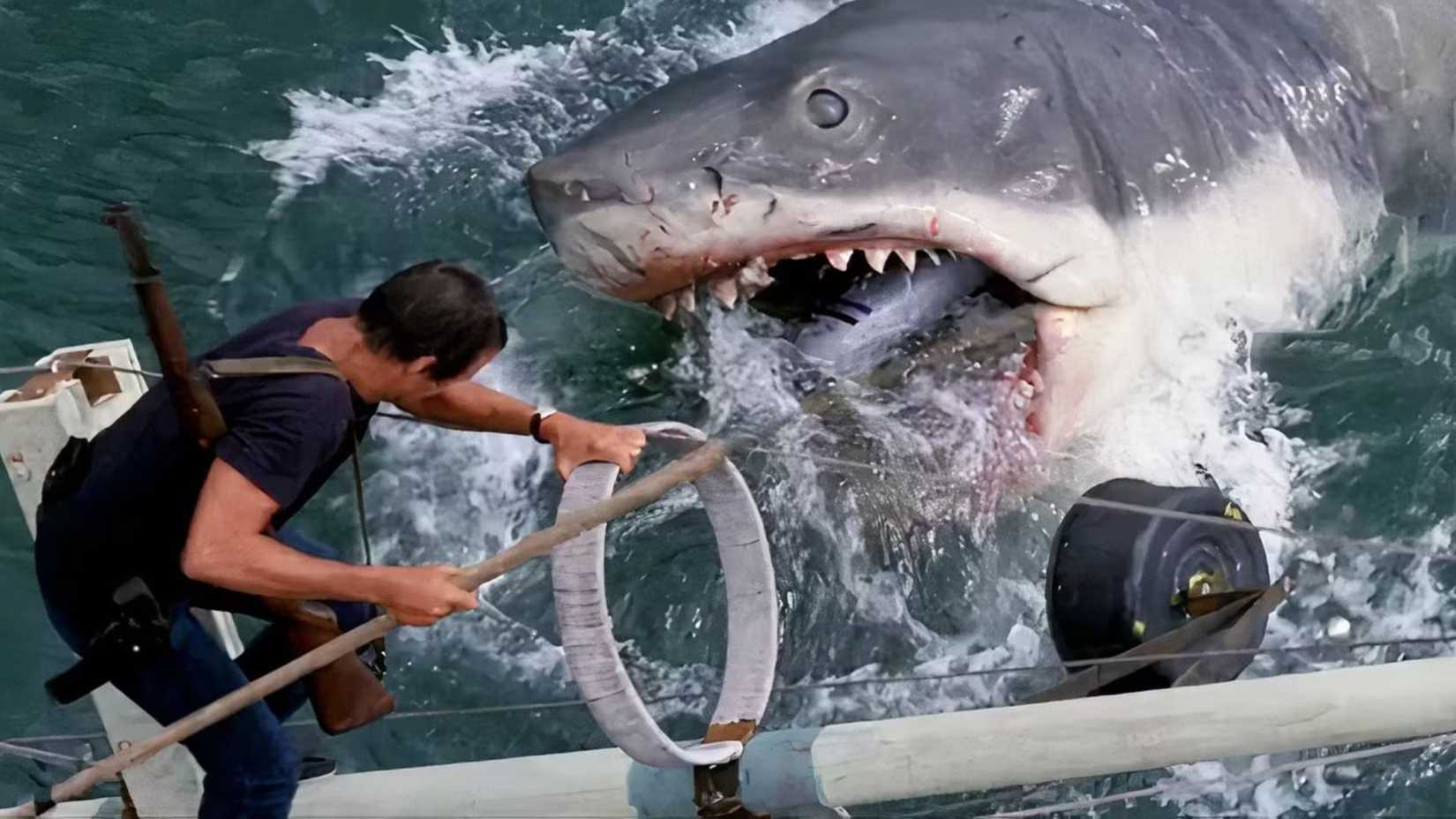
Steven Spielberg’s film Jaws scared many people into thinking twice about swimming in the ocean. The movie tells the story of a giant great white shark that attacks a popular beach town during its busiest time of year.
The fact that Spielberg didn’t show the shark very often – mainly because the mechanical shark kept breaking down – actually made the movie much more effective. By keeping the threat hidden, he built incredible suspense, and John Williams’ famous music did a lot of the work in frightening the audience.
Roy Scheider, Richard Dreyfuss, and Robert Shaw all give incredible performances, making Jaws more than just a scary monster movie. Robert Shaw’s powerful speech about the USS Indianapolis is still considered one of the best monologues in film history. Ultimately, Jaws set the standard for modern blockbuster movies and showed that what we don’t see can be the most terrifying part of a story.
Psycho (1960)
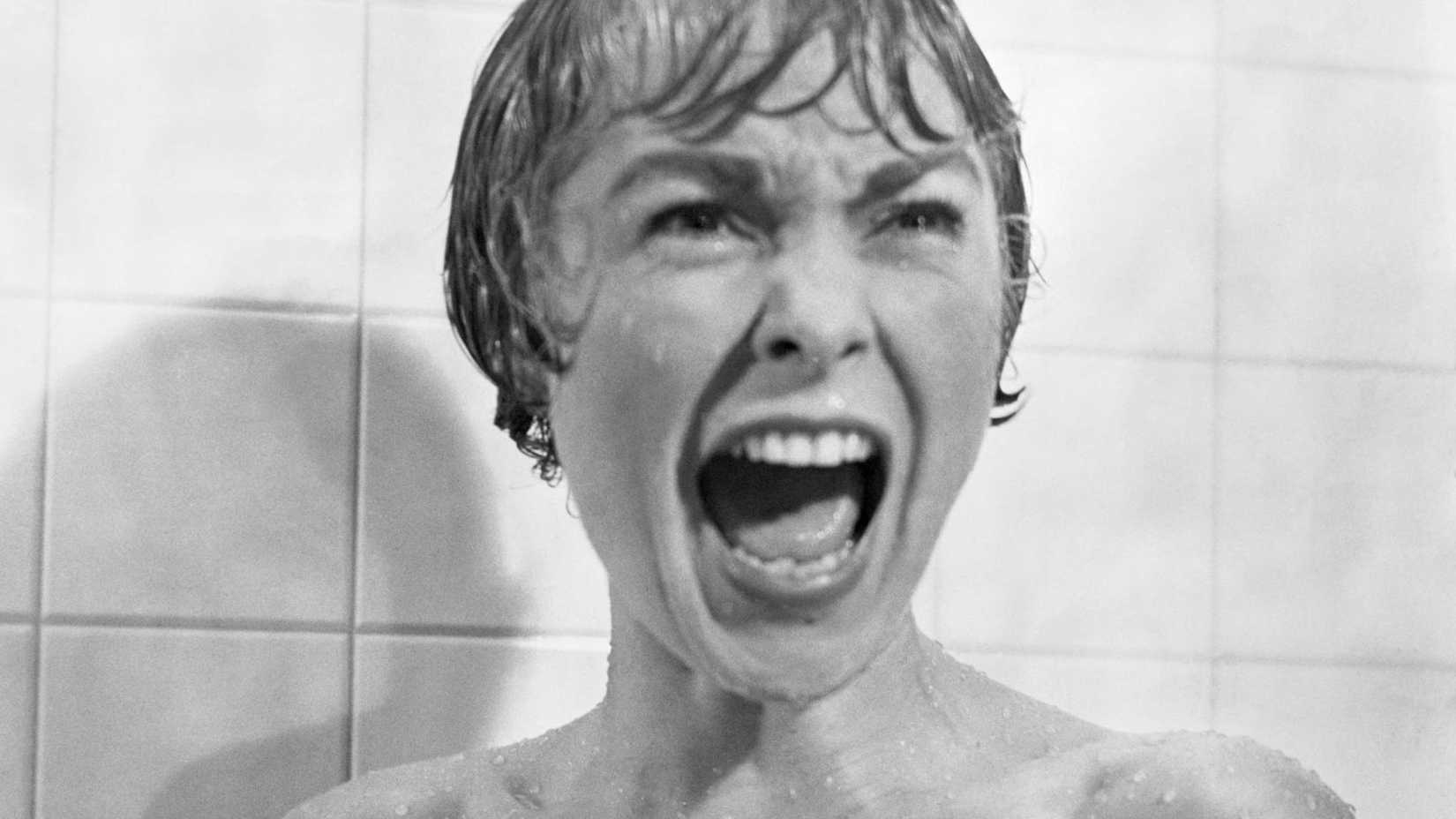
Alfred Hitchcock’s Psycho revolutionized the horror genre by upending what audiences expected and demonstrating that any character could be in danger. The film begins as a crime story but takes a shockingly dark turn when Marion Crane stops at the Bates Motel.
The shower scene in Psycho is still famously studied today because Hitchcock masterfully used quick cuts, sound, and implication to create intense fear. However, it’s Anthony Perkins’ portrayal of Norman Bates that truly makes the film memorable – he perfectly blends a quirky, likeable personality with a disturbing sense of unease.
Hitchcock was well-known for discouraging people from arriving late to his films, wanting to keep the plot twists a surprise – it was a very early form of today’s spoiler warnings. Even now, the creepy image of the Bates house overlooking the motel is enough to make you think twice about traveling along country roads.
The Silence Of The Lambs (1991)
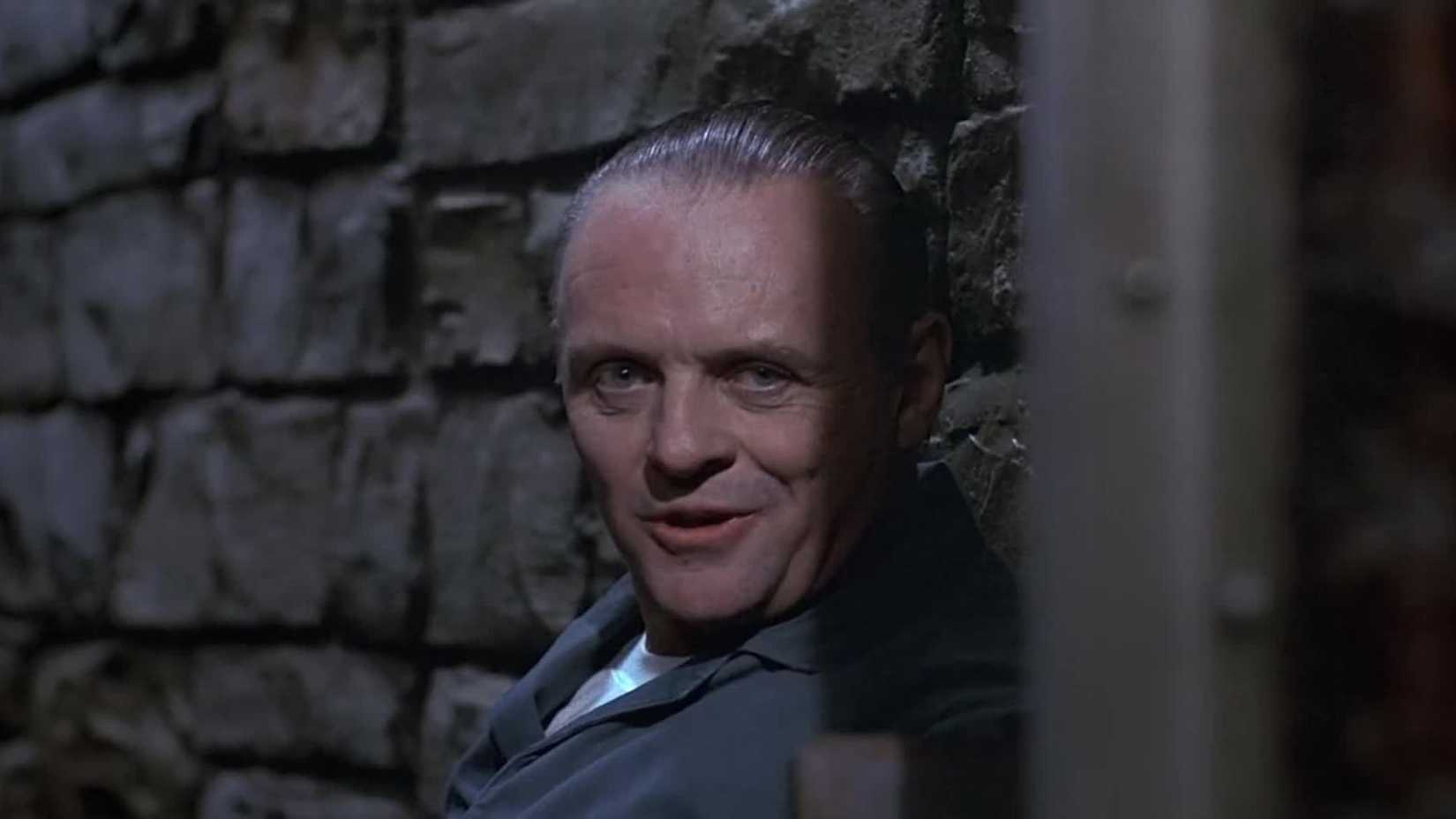
The Silence of the Lambs was a groundbreaking horror film, famously winning the Academy Award for Best Picture while still scaring audiences. The movie, directed by Jonathan Demme, centers on Clarice Starling, an FBI trainee who turns to the brilliant but dangerous Hannibal Lecter – a cannibalistic psychiatrist locked away in prison – for help in catching another serial killer.
Jodie Foster beautifully portrays Clarice as emotionally aware and fragile. Anthony Hopkins’ performance as Lecter is instantly memorable, even though he’s not on screen for very long. Hopkins makes Lecter terrifyingly calm and polite – a remarkable feat considering the character’s disturbing conversations about gourmet meals involving human remains.
The film The Silence of the Lambs uses very close-up shots during dialogue, which makes viewers feel uncomfortably close to the characters and puts them right in the middle of Clarice’s intense psychological interactions. Over thirty years later, its impact on crime and psychological horror movies is still hugely significant.
The Shining (1980)
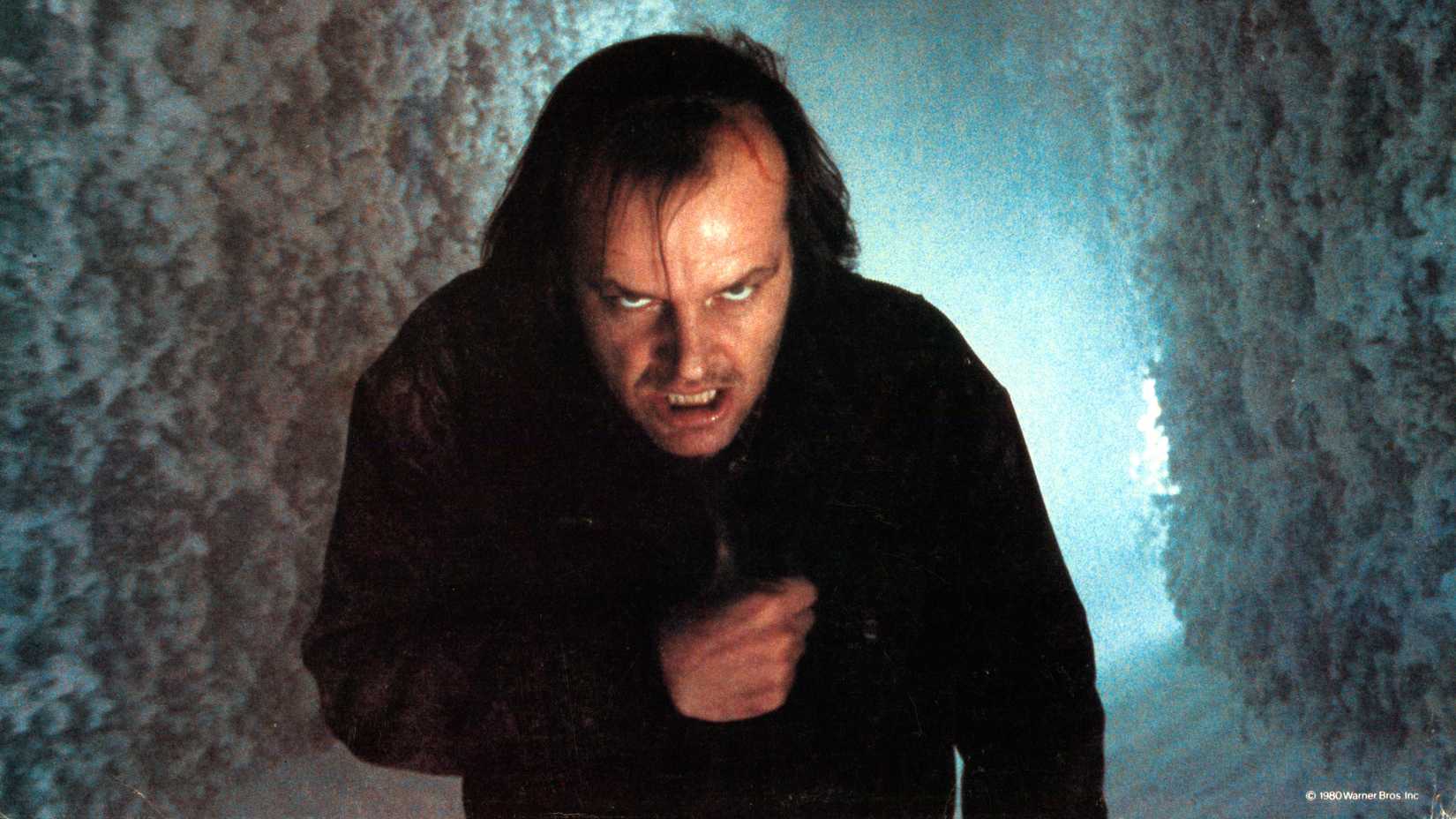
As a film buff, I still think about The Shining constantly – it’s one of those horror movies that just gets under your skin in a way you can’t quite put your finger on. It’s directed by Stanley Kubrick and based on the novel by Stephen King, and the story centers around Jack Torrance and his family being snowed in at this creepy, haunted hotel called the Overlook. It’s a masterpiece, and people are still debating what makes it so effective.
Jack Nicholson’s performance grows increasingly unhinged, giving the film a powerfully memorable intensity. Stanley Kubrick’s precise camera work builds a dreamlike and subtly unsettling atmosphere. The Overlook Hotel itself feels like the real villain, subtly twisting reality and driving the characters towards madness.
The film creates a deeply unsettling atmosphere—everything feels just off, and that feeling stays with you even after the credits roll. Iconic moments like the creepy twins, the elevator of blood, and Jack Nicholson’s chilling line have also left a lasting impact, forever changing how we see hotels in movies and beyond.
Read More
- Off Campus Season 1 Soundtrack Guide
- Chainsaw Man Volume 24’s Cover Art Reveals a Brand-New Denji
- X-Men ’97 Finally Gave Gambit the Hero Moment He Deserved
- 46 Years Later, The Mandalorian & Grogu Answers A Major Empire Strikes Back Question
- HoI4 fans harsh reactions to the announcement of another DLC pack
- 10 Worst End-Game Couples In Sitcom History
- Emily Henry Says to ‘Trust the Vision’ For Beach Read Adaptation
- Gold Rate Forecast
- DoorDash responds after customer uses AI to make food look bad and get a refund
- Katanire’s Yae Miko Cosplay: Genshin Impact Masterpiece
2026-05-10 20:22