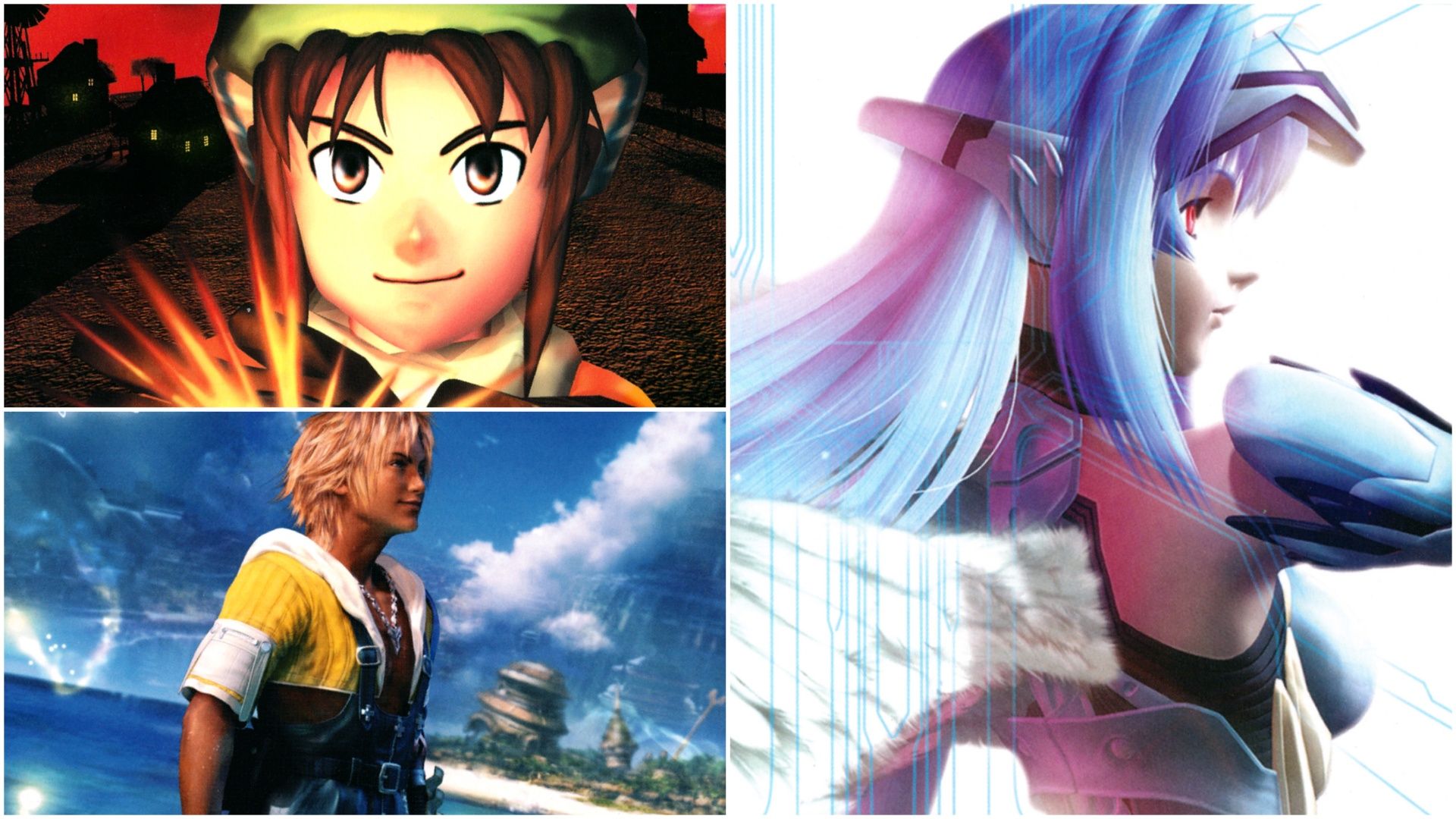
As a huge JRPG fan, I’ve always noticed how the genre really loves to go big. It feels like developers are constantly trying to tell these incredibly dramatic stories and pair them with awesome, addictive combat. Thinking back to the PlayStation 2 era, it felt like a new, amazing JRPG was coming out every week! Honestly, I think the PS2 might be the best console ever when you look at the sheer number of incredible JRPGs it gave us.
PlayStation 2 JRPGs were incredibly ambitious thanks to the huge technological jump from the original PlayStation. The PS1’s restrictions were no longer a problem, as the PS2 could handle fully 3D worlds, better sound with the SPU2 chip, and even included voice acting. This newfound power made developers feel like anything was possible.
It’s easy now to appreciate how great JRPGs were during this time, but what really amazes me is the incredible technical skill that made them happen. These games weren’t just building on what came before – they were also inventing completely new ideas that would inspire countless games for years to come.
10. Dark Cloud
Fight and Construct
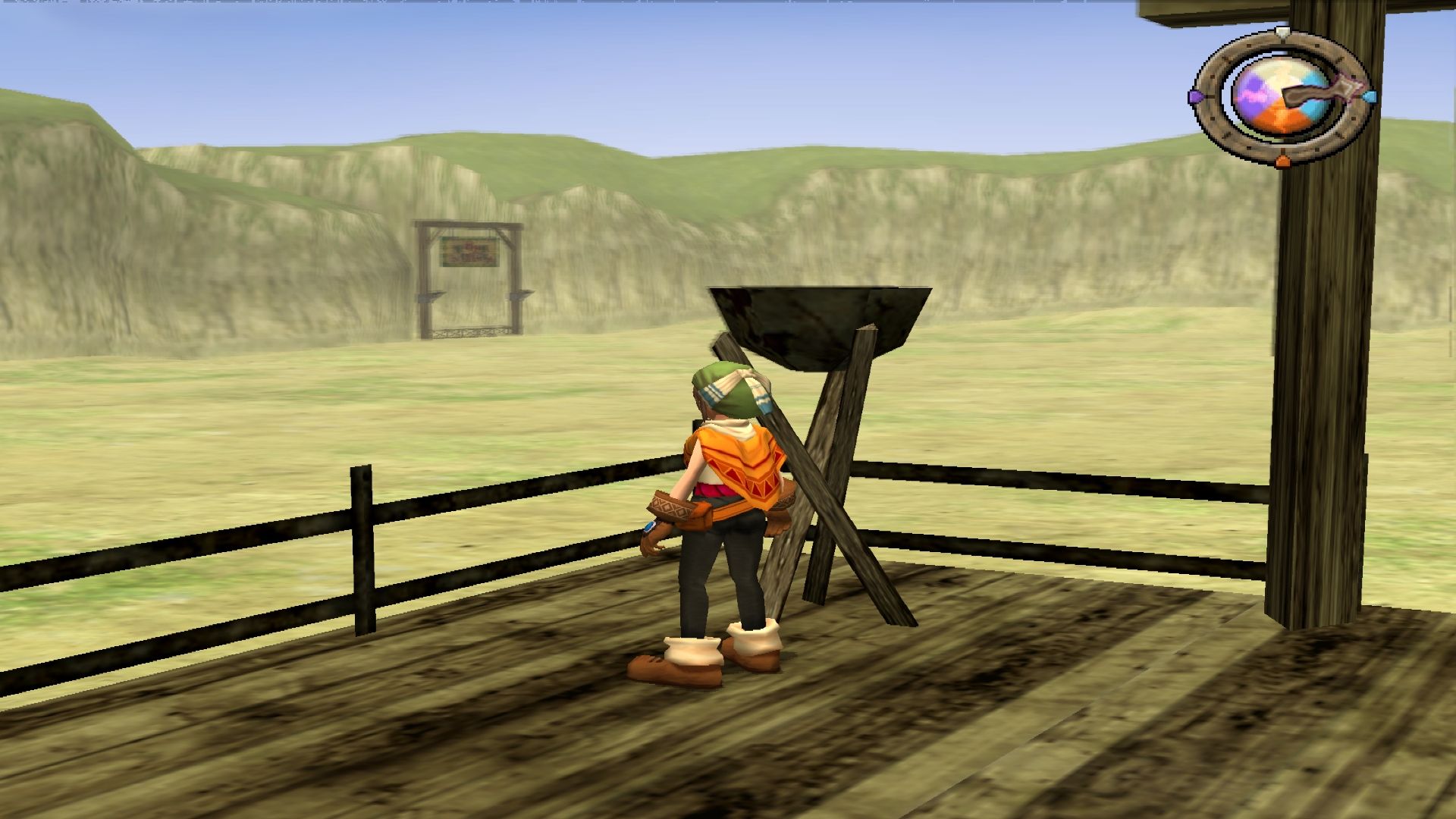
Dark Cloud is a PlayStation 2 game that many feel didn’t receive enough recognition for its innovations. While it has a dedicated fanbase now, it’s also notable as the very first game created by Level-5, a studio that would later become a leading developer of Japanese role-playing games.
Dark Cloud blends two different types of gameplay. It features dungeon crawling in randomly created environments, which was unusual for the PlayStation 2. However, the game’s true strength lies in how it combines this with other innovative features.
Exploring dungeons lets you gather resources to rebuild and customize the world around you, making for a deep and intricate game with many interconnected systems. The original Dark Cloud successfully combined dungeon exploration with town building in a way that was incredibly engaging, and the developers at Level-5 continued to refine this gameplay style in later games.
9. Rogue Galaxy
A Big Budget Blockbuster
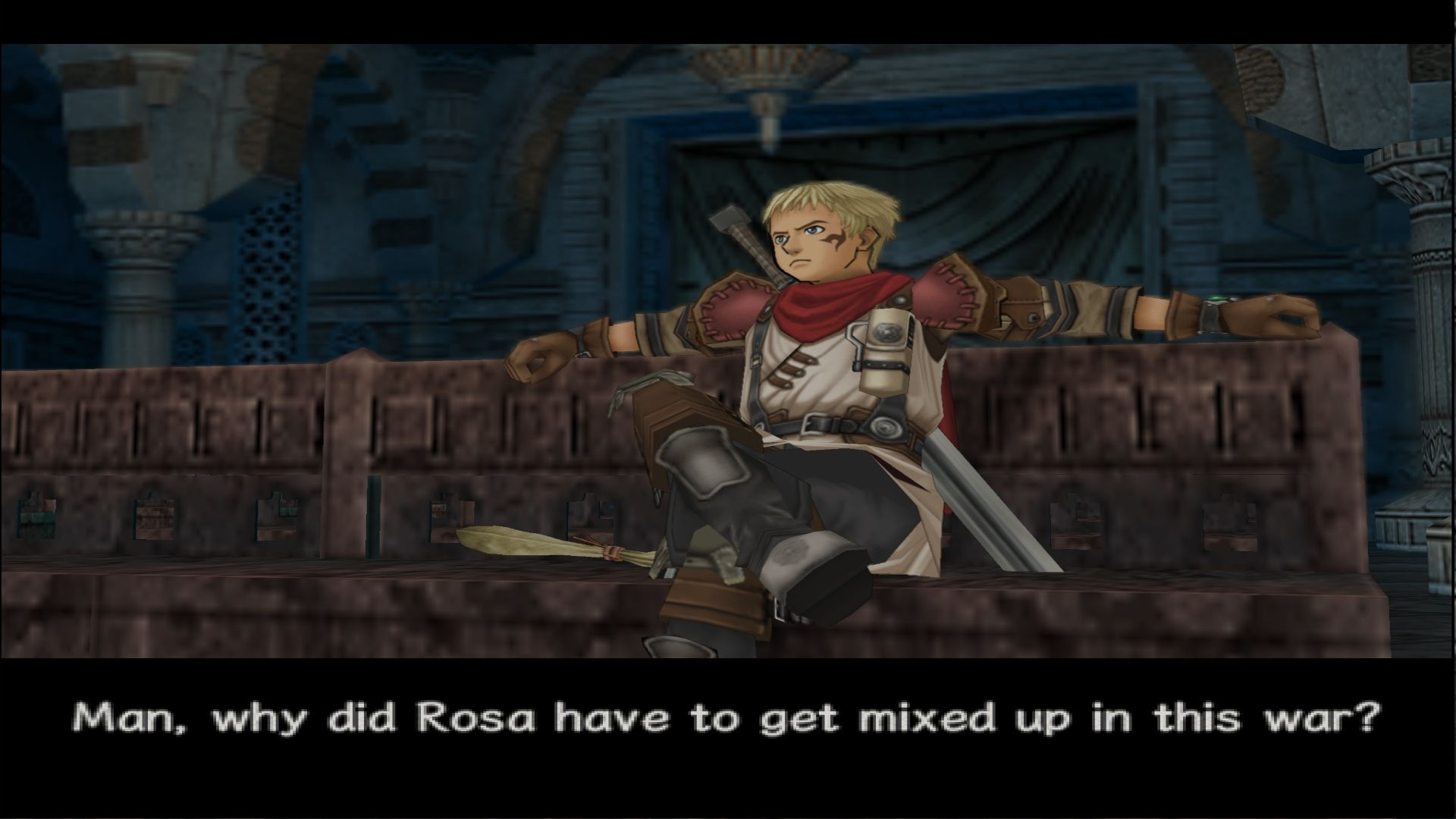
Level-5 is now famous for games like Ni No Kuni and Professor Layton, but they once aimed for something much bigger. During the PlayStation 2 era, they created Rogue Galaxy, their most expansive and ambitious RPG project yet, hoping to become a leading name in the genre.
Rogue Galaxy was Level-5’s ambitious effort to compete with popular RPG franchises like Final Fantasy and Dragon Quest. It was their most significant project up to that point, backed by a large development team and substantial funding from Sony. The game aimed for a fluid, open-world feel, which was a daring goal even for the powerful PlayStation 2 console.
Even after all this time, it’s clear how ambitious Level-5 was with Rogue Galaxy. The game is remarkably expansive and still looks and feels fantastic.
8. Kingdom Hearts
Expensive Fan Fiction
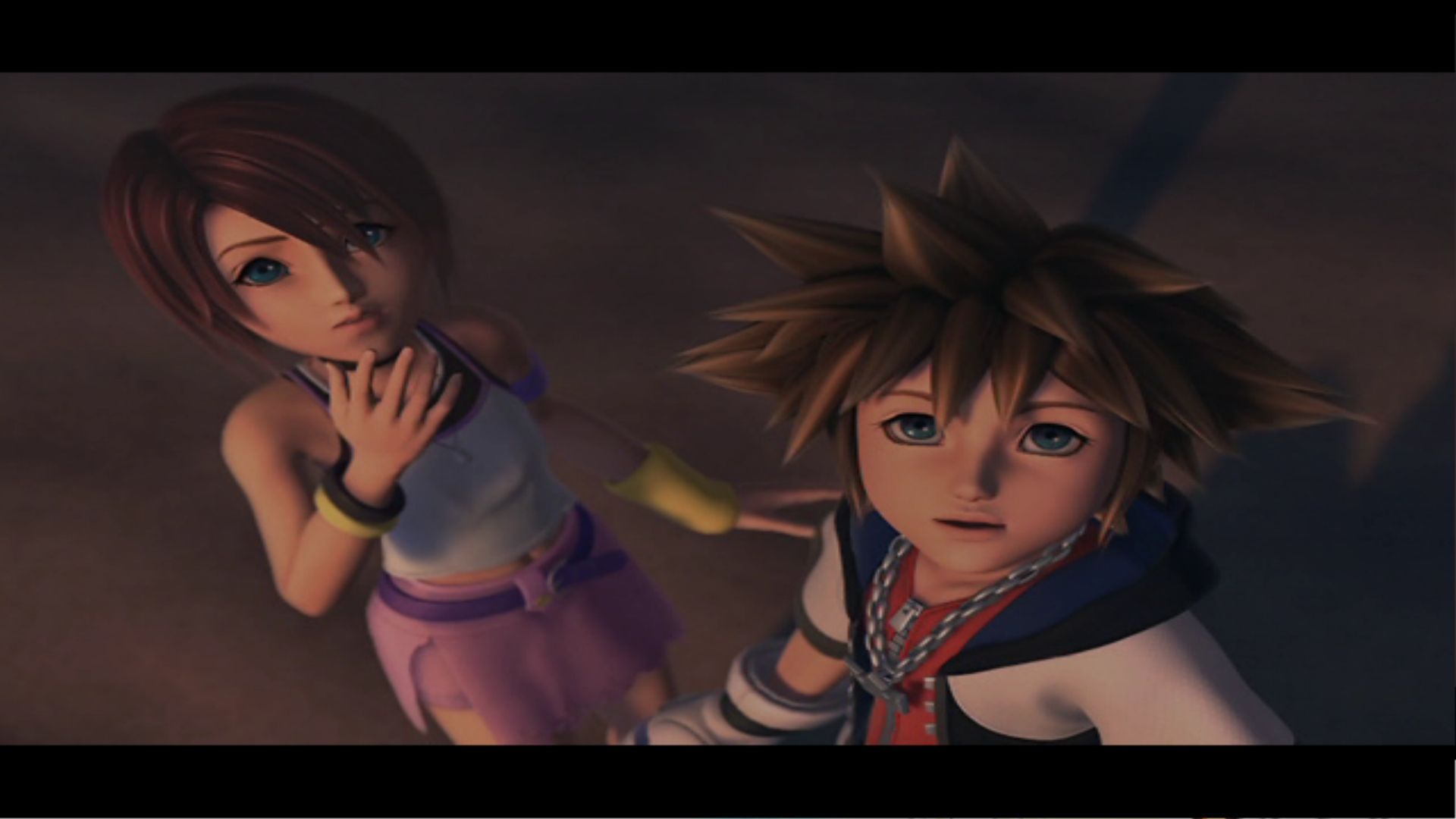
The idea for Kingdom Hearts – combining Final Fantasy and Disney – seemed destined to fail from a business perspective. The licensing challenges would have been enormous, and the financial hurdles significant. However, Square and Tetsuya Nomura pushed forward despite these difficulties.
Backed by Disney and a team of one hundred developers, Kingdom Hearts aimed to deliver a truly unique gaming experience – and it succeeded. The risk paid off, and Kingdom Hearts has since become a major global franchise, with its origins in this very first installment.
I’m still amazed by how well this game recreates classic Disney settings, from places like Neverland to Halloween Town. It also tells a remarkably complex story – one of the most detailed Square Enix has ever created.
7. Radiata Stories
Over 150 Party Members
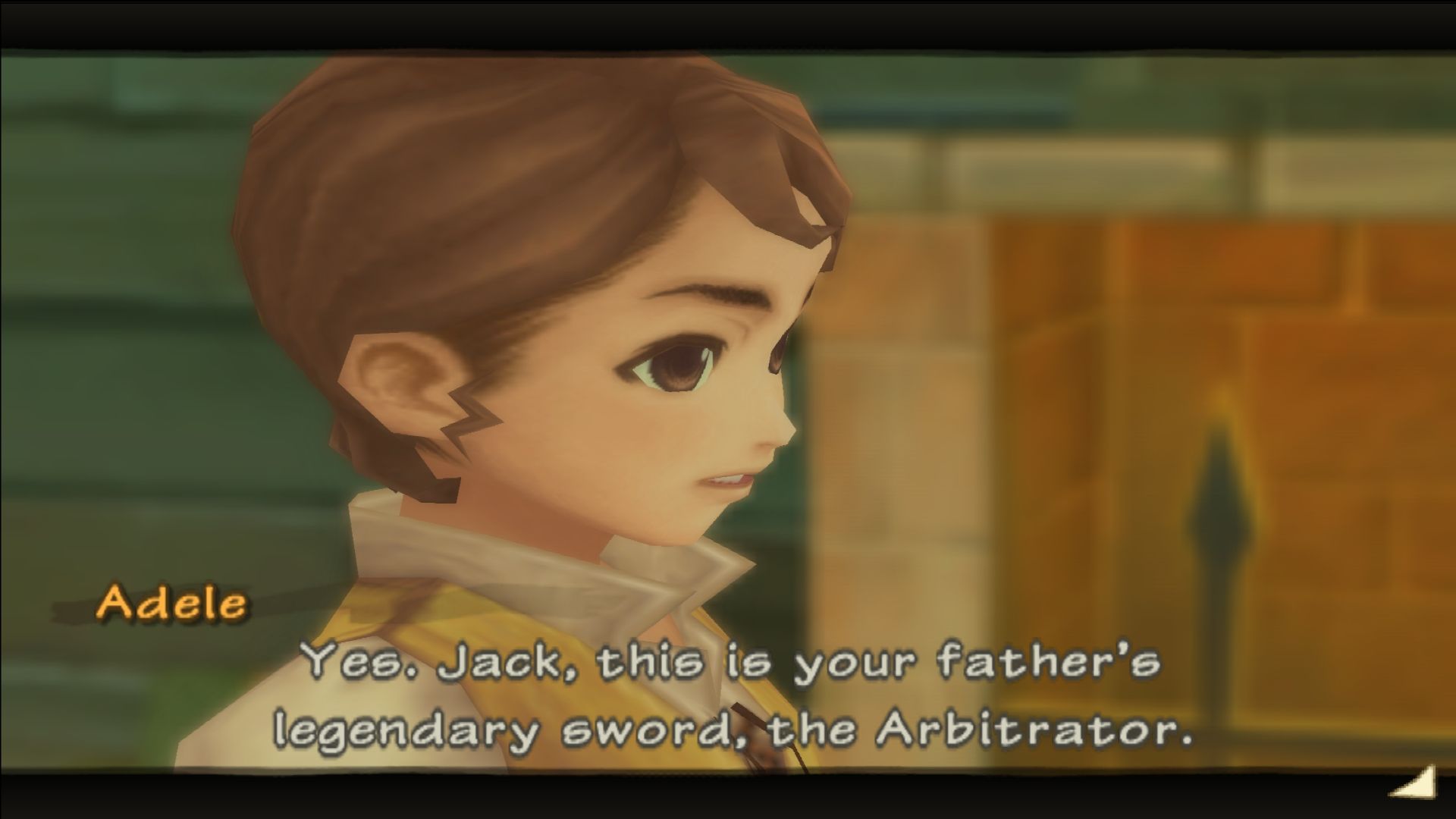
Tri-Ace is a well-respected developer known for its JRPGs, particularly the Star Ocean series, which offers a strong alternative to more popular titles. However, one of their lesser-known but excellent games is Radiata Stories, originally released on the PlayStation 2.
Radiata Stories boasts an incredibly detailed and realistic world, largely thanks to its huge cast of over 150 recruitable characters. Each character has their own daily routine and backstory, which is really remarkable. In fact, you’ll need to play through the game several times to collect them all!
One of the things that really stood out about PlayStation 2 games was how detailed and realistic the environments felt. Developers put a lot of effort into creating worlds that felt truly lived-in and functional. Radiata Stories is a perfect example of this, and it’s a game many fans would love to see a sequel to.
6. Drakengard
A Yoko Taro Classic
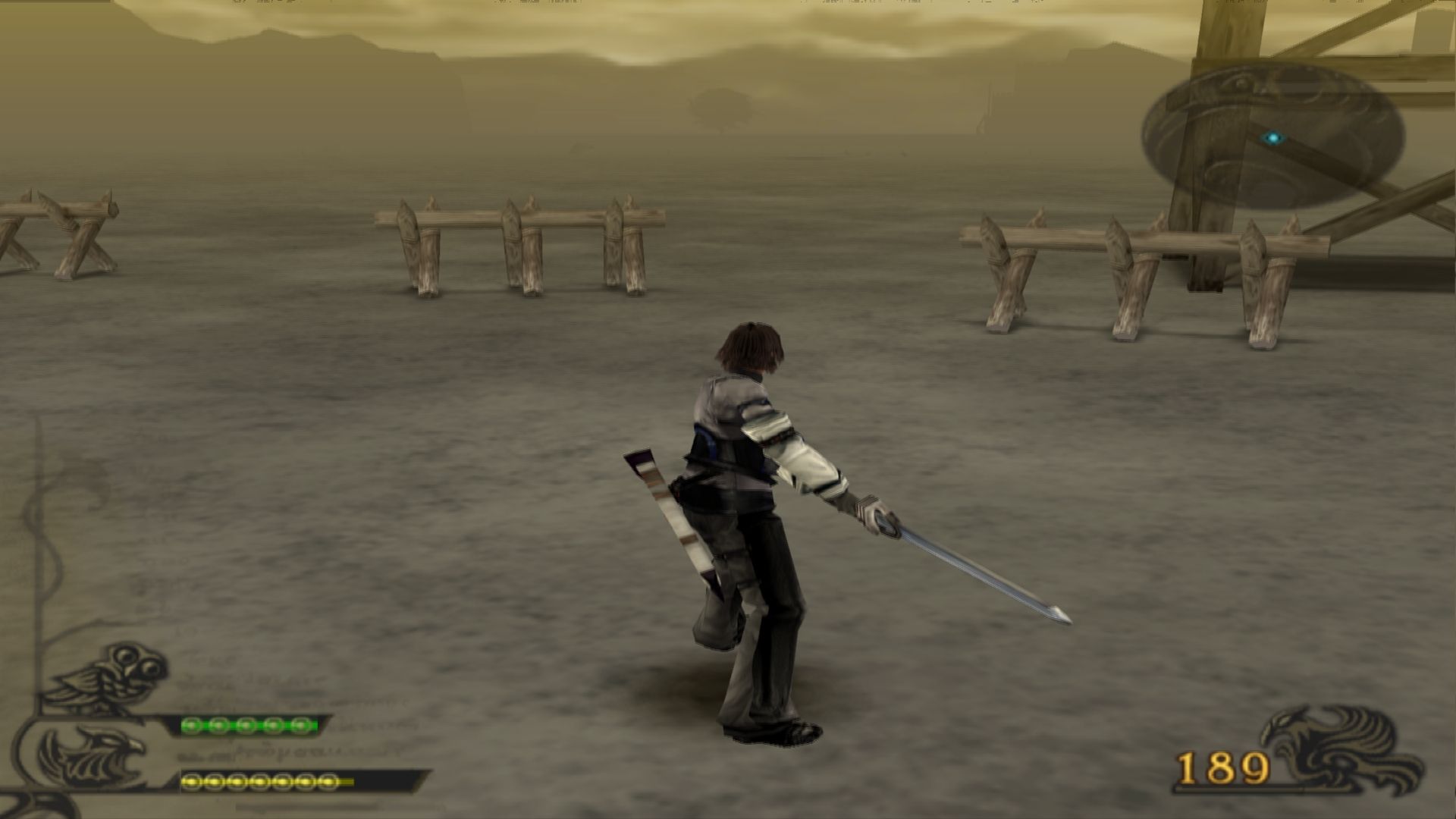
Yoko Taro’s games are consistently driven by a strong sense of ambition. He pours incredible detail into every aspect of his work, from creating immersive worlds to crafting compelling stories.
Take Drakengard on the PlayStation 2, for example. It remains incredibly imaginative and offers a perspective unlike anything else I’ve seen in gaming. The way it blends three different gameplay styles feels seamless, and I still haven’t found a game with dragon combat that’s quite as good.
Drakengard is a game that fully commits to its own unique vision, building a vast and detailed world. Its story is dark, complicated, and takes some incredibly strange and mature turns – you really won’t find another game like it.
5. Shin Megami Tensei: Digital Devil Saga
The Most Fascinating Duology in Video Game History
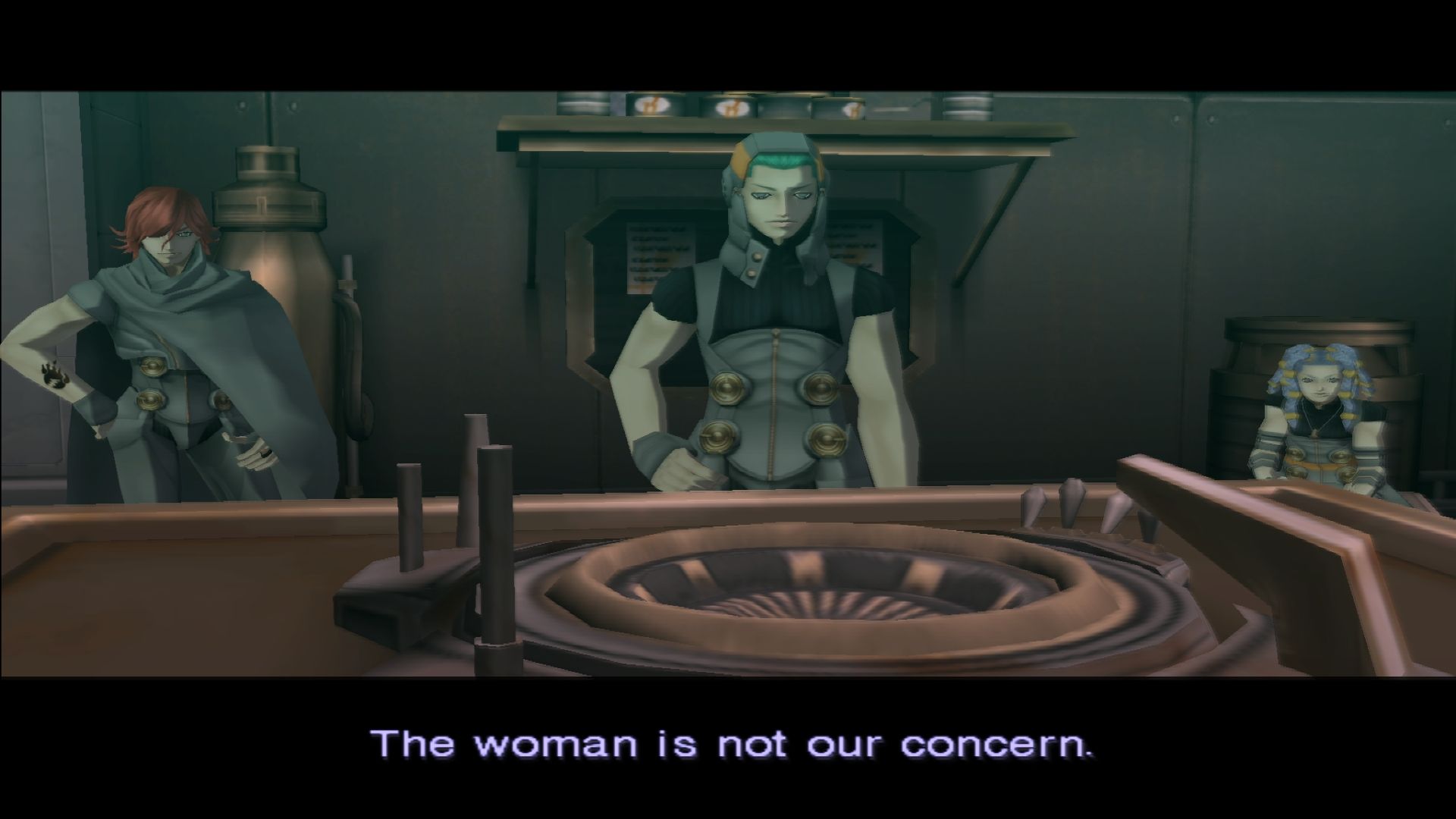
There are times when a game pushes a system’s limits, and you can really feel it struggling to keep up with the game’s ambition. That’s what comes to mind when I think about Shin Megami Tensei: Digital Devil Saga, which was originally planned as a story told across two games, released separately.
As a long-time fan of the Shin Megami Tensei and Persona games, I can honestly say Digital Devil Saga feels like nothing else in the series. It’s really special! I heard Atlus did things differently with this one, splitting up the development with different teams focusing on specific parts. And honestly, it shows. The level of detail is incredible – you can tell a lot of care went into making it.
Yu Godai was originally brought on board to write the story, but unfortunately had to leave the project for health reasons. Despite this, the game still showcases a remarkable amount of dedication and work in its vast story and detailed world.
4. Breath of Fire: Dragon Quarter
Potentially Too Complex for Its Own Good
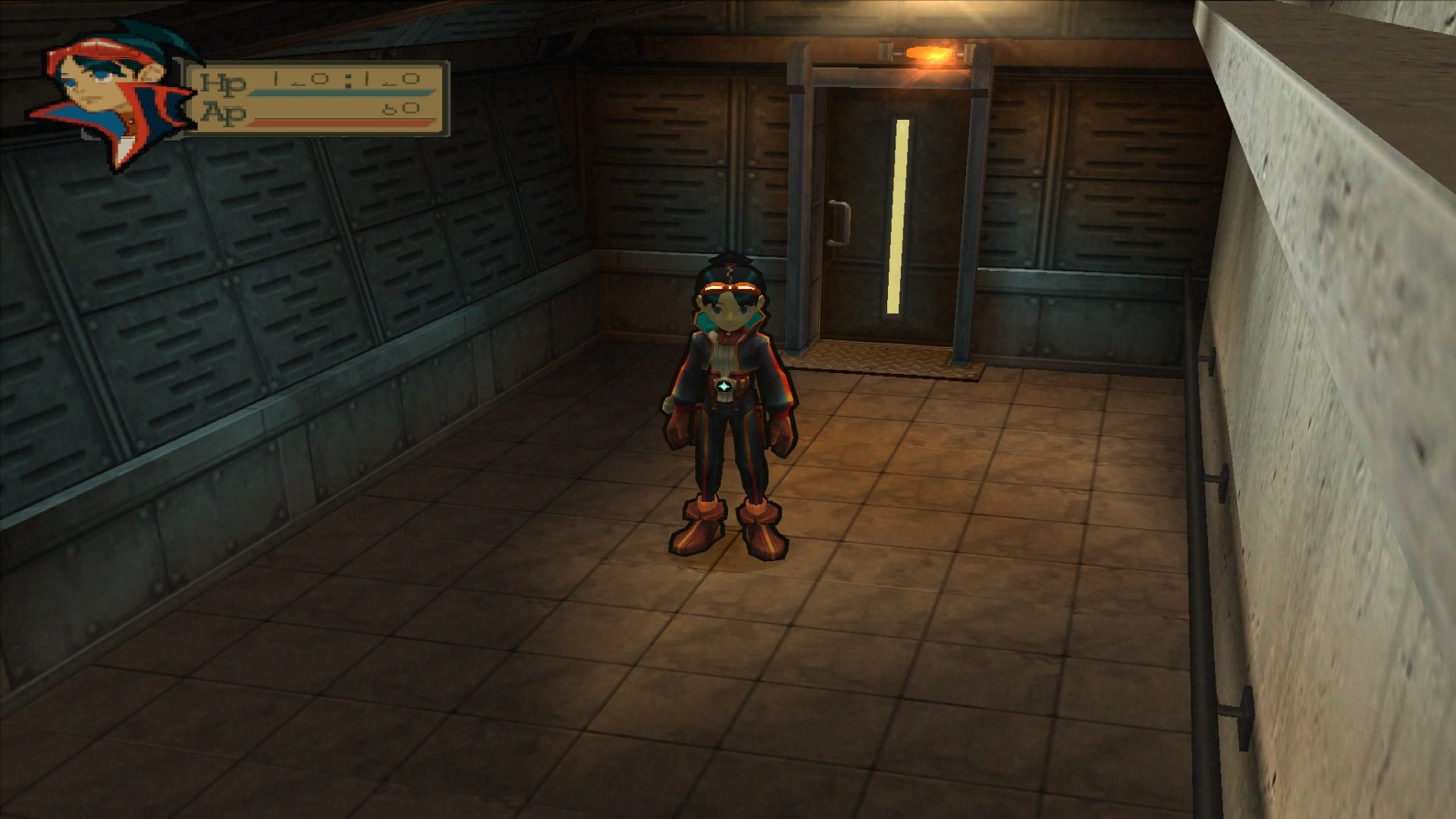
The original Breath of Fire games were all classic 2D RPGs, and each one tried something different. But Breath of Fire: Dragon Quarter really stands out – it’s unlike any other JRPG I’ve encountered.
Dragon Quarter has a unique design that encourages multiple playthroughs, mainly due to the D-Counter. This meter steadily rises, and if it reaches 100%, you have to start the game over—you can’t reduce it during gameplay. Interestingly, using your character’s abilities also increases the D-Counter, making you carefully consider when and how to use them.
Taking such a unique risk with the game’s design was a gamble, and it didn’t quite pay off, as Dragon Quarter wasn’t very successful with either players or critics. However, I admire the ambition of trying something so different, and with a little more polish, this system could be really fun.
3. RPG Maker II
Make the Game of Your Dreams
| Release Date | October 24, 2003 |
|---|---|
| Platform | PS2, PS3 |
| Developer | Kuuso Kagaku |
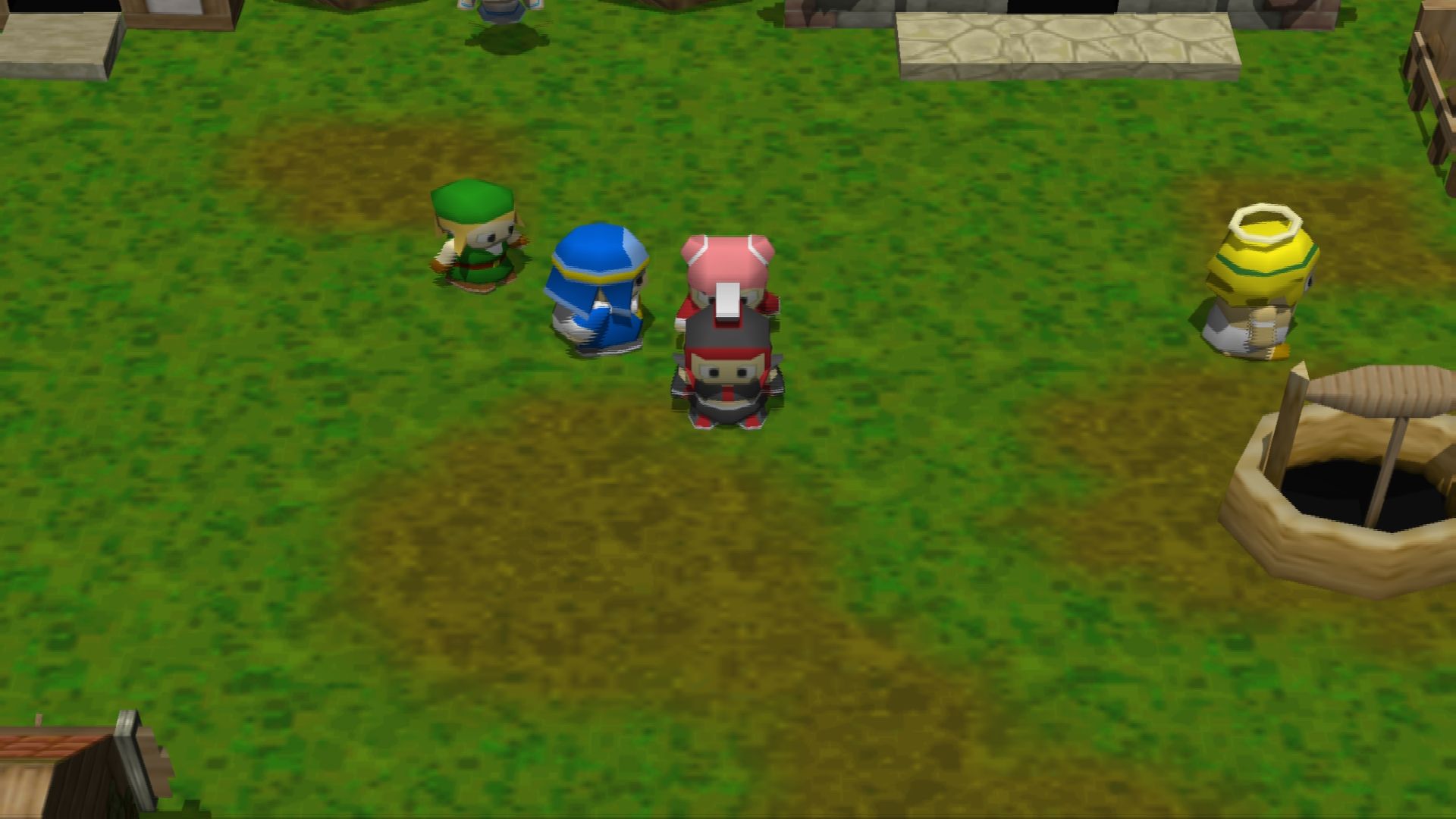
If you enjoy playing Japanese role-playing games (JRPGs), you might have considered creating your own. The RPG Maker series, which first appeared in the early 1990s and later came to the PlayStation 1 in 2000, lets you design and build impressive JRPG-style games.
Subscribe for deeper PS2 JRPG insights in our newsletter
RPG Maker II, built for the PlayStation 2, was a significant leap forward from its predecessor. While the original used 2D graphics, RPG Maker II allowed for fully 3D game creation. It was incredibly innovative for its time and probably inspired many of today’s independent Japanese RPG developers.
Because it works with the PlayStation 2 keyboard, writing long stories and cutscenes feels much easier than it used to on the original PlayStation. While creation games were already groundbreaking at the time, being able to build a 3D Japanese role-playing game felt like a dream come true.
2. Xenosaga Episode I: Der Wille zur Macht
Put Your Controller Down
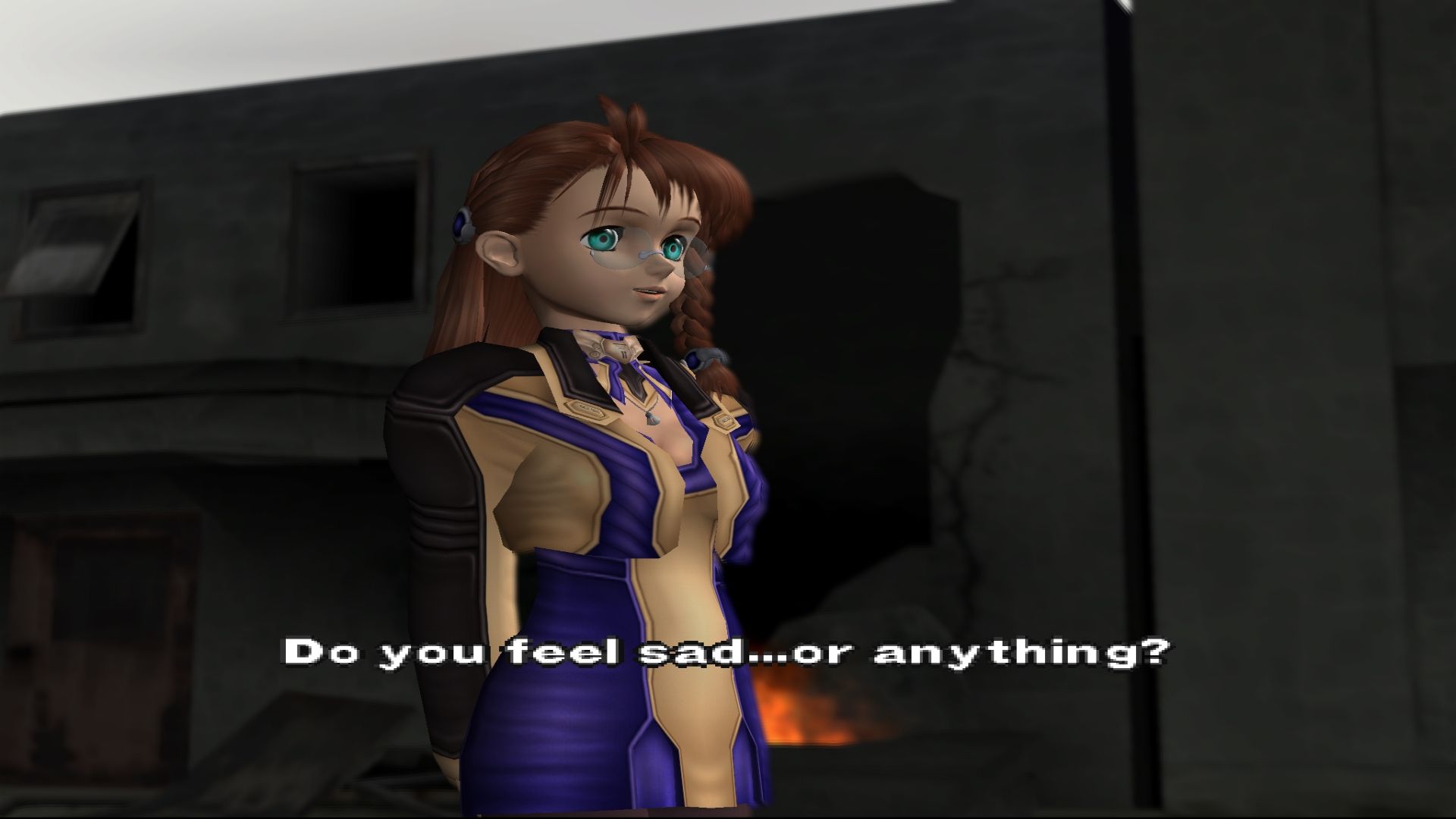
A major draw for developers on the PlayStation 2 was its power to create impressively long and cinematic cutscenes – something truly groundbreaking at the time. While cutscenes weren’t new to video games, the PS2 allowed for a seamless transition between gameplay and these story sequences, which was very appealing.
It makes perfect sense that the creators of the story-rich Xenogears would team up again to make more JRPGs in their signature style. Their next project, the Xenosaga trilogy from MonolithSoft, started strong, successfully building on what they’d done on the PlayStation 1. It kept the grand scale and dramatic storytelling of their earlier work, but now with the improved power of the PlayStation 2.
Xenosaga Episode I: Der Wille zur Macht really focuses on developing its story and world, and it does so extensively. While some scenes are quite long – even up to half an hour – the excellent writing and voice acting make them consistently engaging.
1. Final Fantasy X
The Most Ambitious Final Fantasy to Date
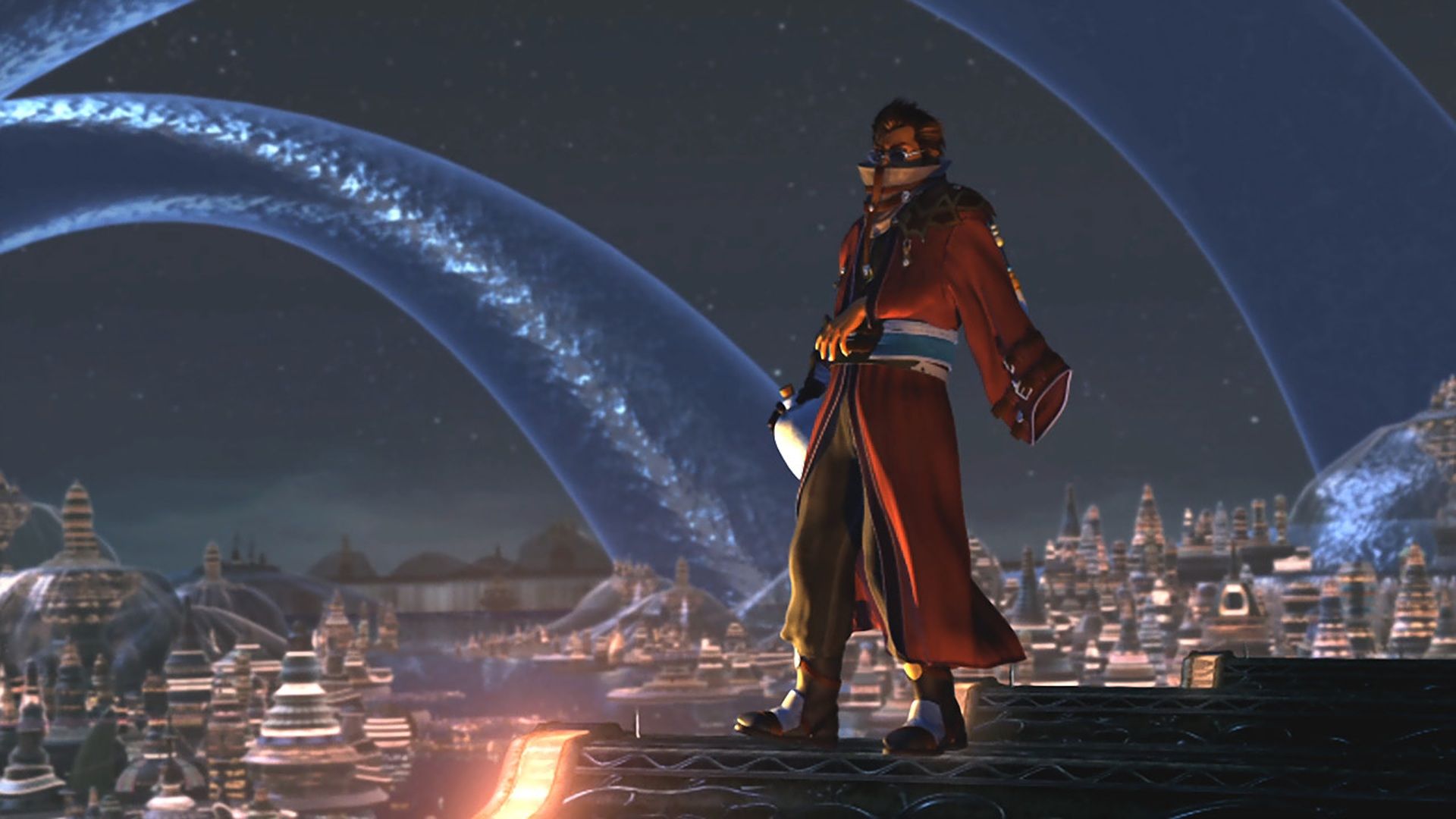
Once Square moved beyond the original PlayStation, they were eager to explore the possibilities of the PlayStation 2 for the Final Fantasy series. They invested heavily in Final Fantasy X, dedicating a team of over a hundred people to its development. That significant effort is truly noticeable in the final product – the game feels polished and visually impressive.
Final Fantasy X was the first in the series to feature voice acting, which was becoming increasingly common in games thanks to the growing popularity of CDs in the late 1990s. What sets it apart, though, is just how much voice work it included – most Japanese role-playing games of that era didn’t have full voice acting like FFX did.
The game’s 3D world was groundbreaking for its time. Spira feels vast and organically unfolds as you explore it, which is really impressive. This Final Fantasy title was incredibly influential, establishing a benchmark for future games in the series for years to come.
Read More
- Off Campus Season 1 Soundtrack Guide
- Chainsaw Man Volume 24’s Cover Art Reveals a Brand-New Denji
- X-Men ’97 Finally Gave Gambit the Hero Moment He Deserved
- 46 Years Later, The Mandalorian & Grogu Answers A Major Empire Strikes Back Question
- HoI4 fans harsh reactions to the announcement of another DLC pack
- 10 Worst End-Game Couples In Sitcom History
- Emily Henry Says to ‘Trust the Vision’ For Beach Read Adaptation
- Dragon Quest II HD-2D Remake: Where to get the Magic Key
- DoorDash responds after customer uses AI to make food look bad and get a refund
- Hatsune Miku cosplayer goes viral selling $15 cups of “foot juice” to thirsty anime fans
2026-04-19 19:42