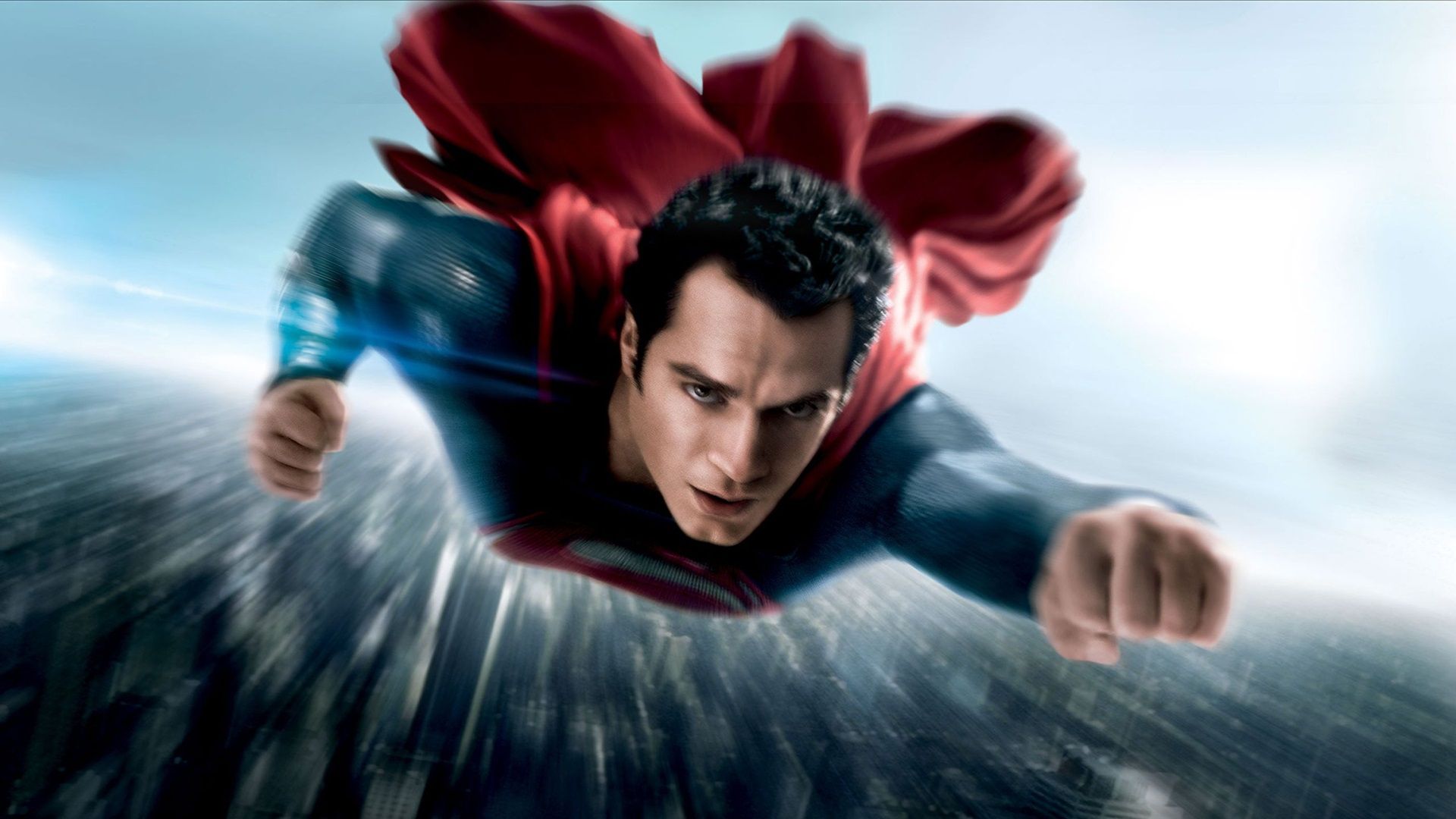
Even with the new DC Universe beginning with James Gunn’s Superman, Zack Snyder’s version of the character still has a strong presence in popular culture. Snyder’s Man of Steel, which presented a Superman inspired by The Dark Knight, was successful in theaters, though Warner Bros. had unrealistic expectations for its performance. More significantly, the film sharply divided audiences and critics. Some fans appreciated Snyder’s grittier approach to Superman, while others strongly disliked it, feeling it strayed too far from the core of what makes the character beloved.
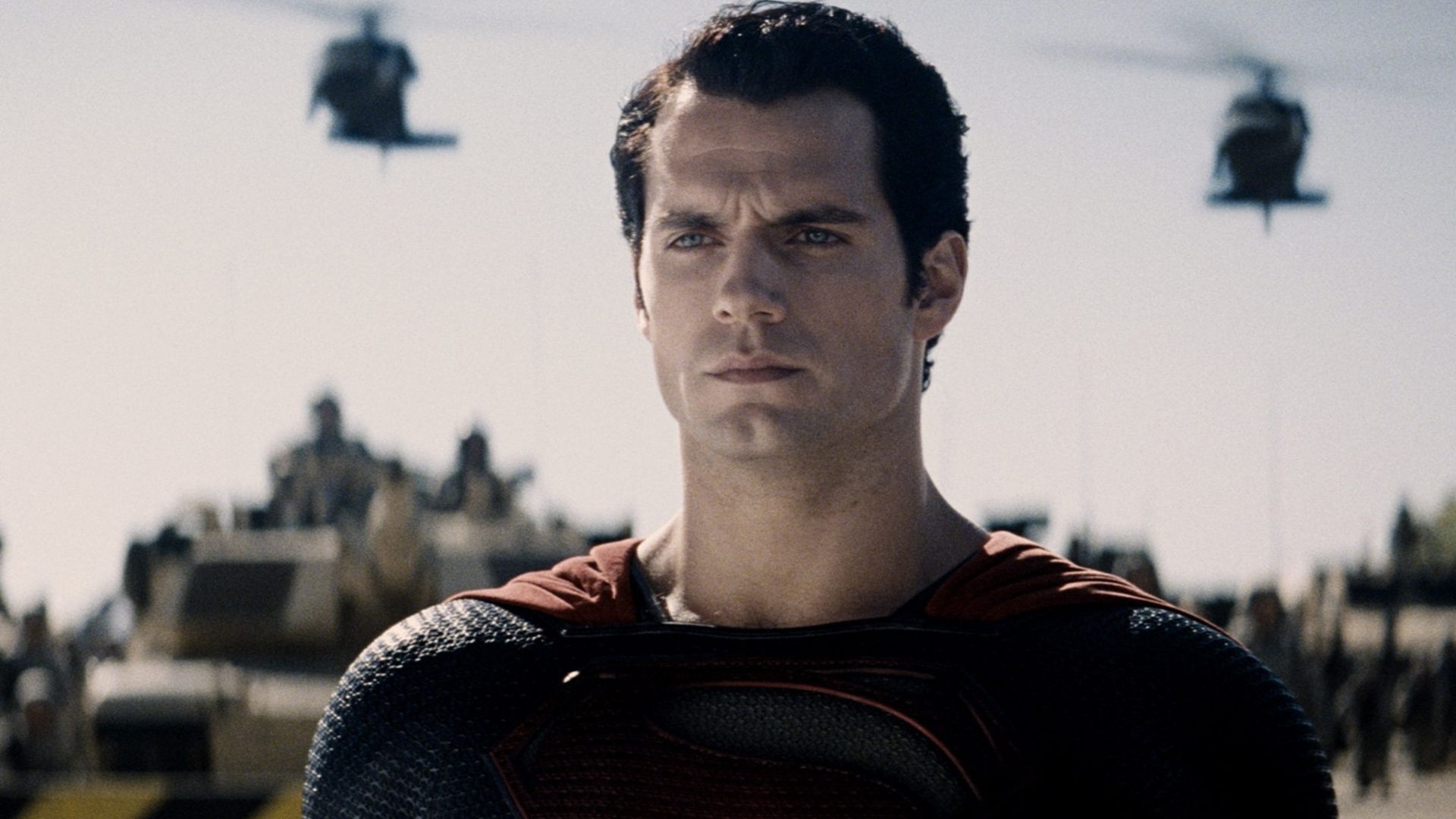
A pivotal moment that deeply impacted the DC Extended Universe (DCEU) was the ending of Man of Steel, where Superman (Henry Cavill) kills General Zod (Michael Shannon). The film portrays this as a difficult, necessary act to save a family, but it was also meant to be a shocking departure from the traditional Superman character. Many viewers found it jarring to see such a hopeful and inspiring figure commit a brutal act of violence. Director Zack Snyder explained his reasoning in a 2016 interview with The Wall Street Journal, stating:
I was really surprised by how strongly people defended the idea of Superman. It seemed like they felt I was attacking something personal when I suggested ways to develop the character.
This scene and quote illuminate why Snyder never fully understood Superman.
What Does “Growing Up” Superman Mean?
Warner Bros.
Many fans disagree with Zack Snyder’s vision for Superman, finding it unnecessarily dark. Snyder seems to view the character’s fantastical elements with embarrassment, and his films feel designed for audiences who don’t appreciate traditional Superman stories. This is evident in the frequent focus on Superman’s intimidating heat vision and the frightening depiction of his eyes. The films prioritize a scary, powerful image over the character’s usual warmth and inspiring nature, implying that strength is valued more than kindness. This trend wasn’t limited to Superman; Ben Affleck mentioned his son was frightened by his portrayal of Batman in the DCEU films.
It’s perfectly fine for a director to aim for seriousness and handle a story with care. Richard Donner famously prioritized realism on the set of Superman: The Movie, wanting the film to feel grounded in reality while still capturing what people loved about the character. Other filmmakers have done the same – Christopher Nolan’s The Dark Knight trilogy, Ang Lee’s Hulk, and Sam Raimi’s Spider-Man films all explore complex ideas and offer distinctive creative interpretations based on the original source material.
Zack Snyder’s take on Superman seems to prioritize a dark and gritty aesthetic, mirroring what he considers a more realistic, adult portrayal of the character. Rather than focusing on Superman using his powers to save people, the film highlights the potential for destruction they possess, prioritizing spectacle over heroism. In many ways, Man of Steel feels more like an episode of Dragon Ball Z than a traditional Superman story. While visually exciting, this approach fundamentally clashes with the core of the character, creating a jarring disconnect. The film’s emphasis on violence and death attempts to present itself as mature, but ultimately feels like a simplistic and even childish understanding of what maturity looks like.
Attempting a dark and gritty take on Superman is similar to trying to make Winnie the Pooh feel rebellious. The 2018 film Christopher Robin explored the character as an adult, examining the loss of childhood innocence while still honoring what makes Pooh Bear beloved. In contrast, Winnie-the-Pooh: Blood and Honey simply presents a violent Pooh and Piglet as ‘edgy,’ but ultimately feels immature. Zack Snyder’s reasoning behind his darker Superman is more aligned with the shallow horror of Blood and Honey than the thoughtful approach of Christopher Robin.
It’s not that Zack Snyder and David S. Goyer were wrong to want to update Superman for modern audiences. There are intelligent ways to rethink what Superman represents in America today. They could have looked back to the original depiction of Superman from the 1930s and ’40s – a champion for the underdog – which was also being explored in DC Comics at the time. This would have naturally positioned him against issues like wealth inequality and powerful systems that take advantage of those with less, especially considering his traditional enemy, Lex Luthor, is a billionaire. Recent comics like Absolute Superman actually address similar themes to Man of Steel, focusing on Clark Kent’s alien background and the world’s fear of him, but they do so while still preserving what makes the character so beloved.
The Continued Mishandling of Superman in the DCEU
Warner Bros.
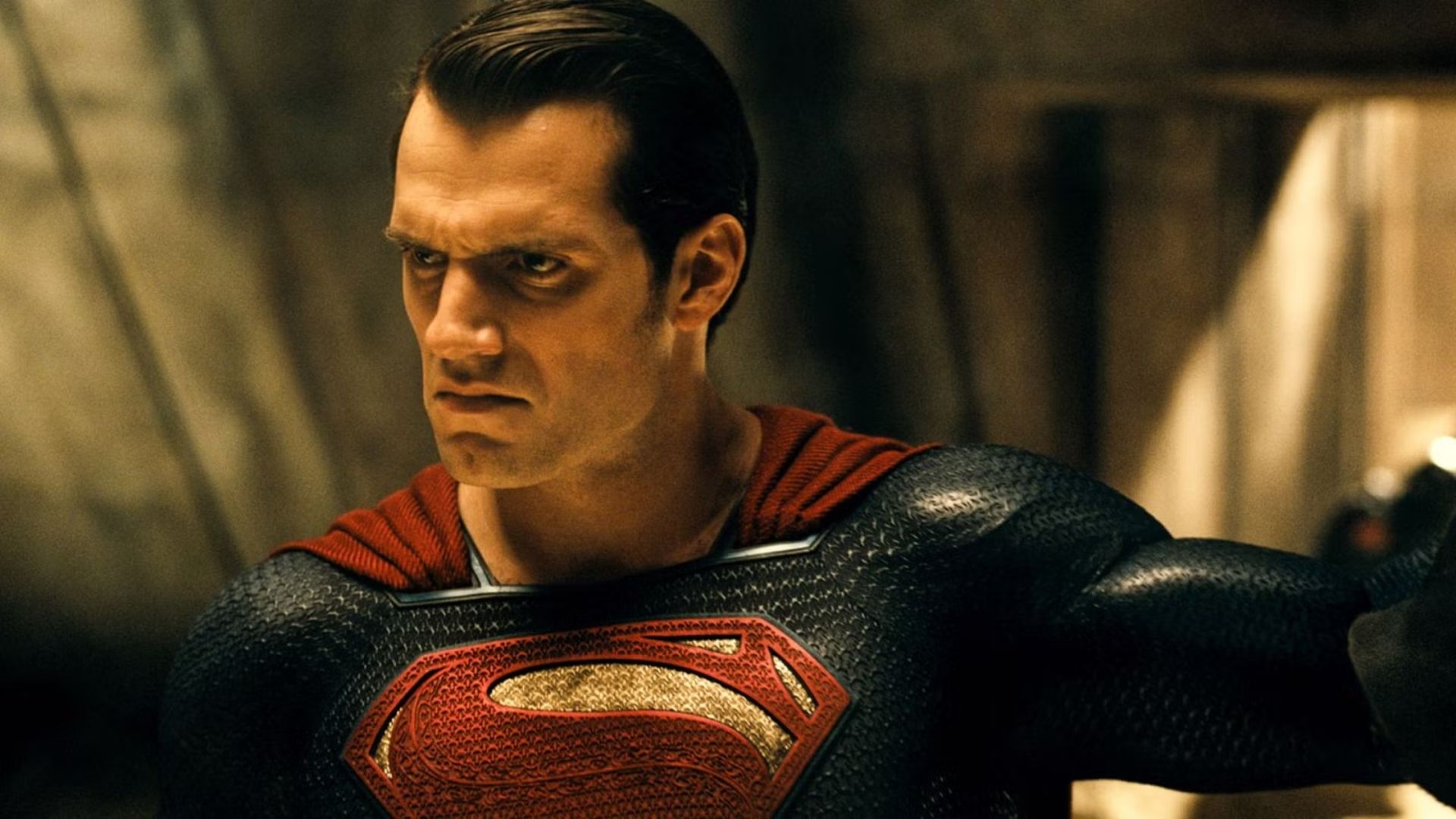
Even though Man of Steel’s ending wasn’t perfect, it suggested a compelling direction for Superman’s character development. The film concludes with Clark Kent starting his job at the Daily Planet and embracing the familiar, unassuming reporter image. This implied that Man of Steel was essentially a long introduction to the classic Superman story, and that the death of General Zod would be a pivotal moment, deeply affecting him. The idea was that he’d be so shaken by using his full power that he’d avoid it in the future, which could have explained his behavior in Batman v. Superman: Dawn of Justice. Superman could easily defeat Batman, but wouldn’t risk killing anyone, and Batman would take advantage of that reluctance.
That’s not how I saw it at all. The movie actually starts with Superman throwing a guy through a bunch of walls – it looked fatal. I get that the man was after Lois, but it felt like Superman could have easily stopped him without killing him. It was really jarring to see him act so casually with someone’s life, especially since the last movie made it seem like he was deeply affected by having to kill Zod. It also made his issues with Batman’s more violent approach seem really confusing and hypocritical.
The film Batman v. Superman tries to explore the idea of Superman representing American interventionism, but it doesn’t fully commit to this concept. The movie still portrays Superman’s actions as heroic and anyone who challenges him as simply negative and envious. This creates a conflict because director Zack Snyder incorporates Ayn Rand’s philosophy, which emphasizes self-interest, while Superman is traditionally a symbol of selfless heroism – someone who helps others for the benefit of everyone.
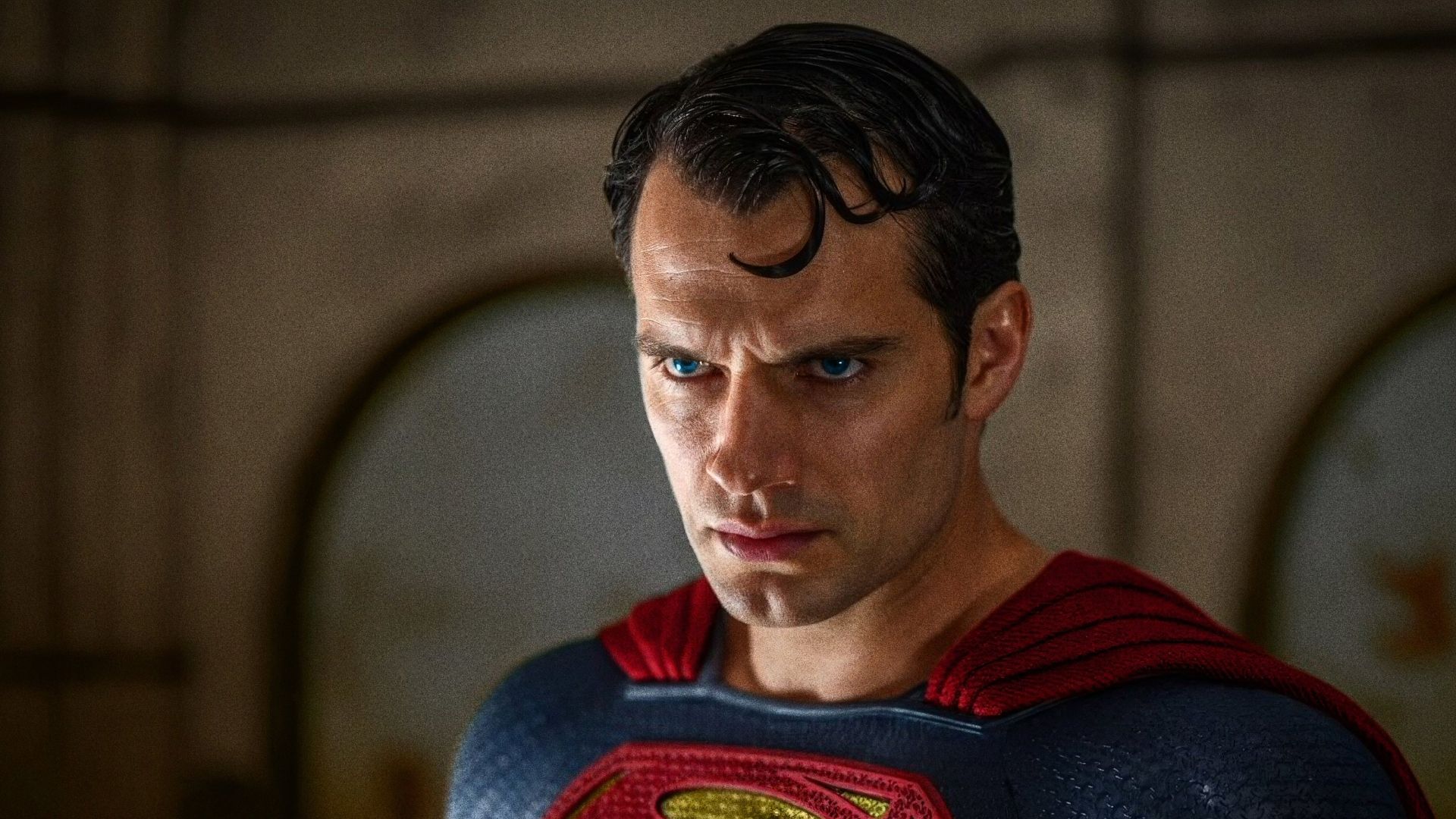
While Zack Snyder’s Justice League is a significant step up from the original film and arguably Snyder’s best DC movie, it still doesn’t quite get Superman right. A prime example of this is Snyder’s choice to use the black suit – it prioritizes a visually striking look over the character’s intended emotional arc. Justice League should have been the moment the DC Universe’s Superman fully became the symbol of hope, goodness, and strength he’s known for, truly earning his place as a hero through hardship and rebirth.
MovieWeb Report: Subscribe and never miss what matters
Immerse yourself in the cinematic universe with the latest movie news, reviews, and exclusive content from MovieWeb.
Instead of Superman’s traditional blue and red suit, Zack Snyder chose a black one. While this references the character’s return in the comics, the resulting dark and somber scene feels less hopeful than a classic Superman arrival. It also makes for a less striking image alongside Batman’s already dark costume. It’s similar to how odd it would look in The Avengers if Iron Man wore his original gray armor next to a gray-colored Hulk in the final scene.
The final scene shows the evil Superman, under Darkseid’s control, wearing his iconic blue and red suit. This visually connects the traditional Superman image with villainy. Ironically, the black suit, which is just a nod to a comic book storyline and strips Superman of his recognizable appearance, actually represents his heroism. The black suit doesn’t carry any deep meaning beyond being a surprising visual. Ultimately, Snyder’s focus on striking imagery works against his own narrative, weakening the story he’s trying to convey.
Zack Snyder’s Positive Impact on Superman
Warner Bros.
It’s been 13 years since Man of Steel came out, and that version of Superman feels like a thing of the past. With James Gunn’s new Superman movie and the My Adventures with Superman animated series debuting in 2024, a fresh chapter for the character has begun, and we now have Man of Tomorrow to anticipate. Zack Snyder’s last work with DC was his version of Justice League, which came out nearly 5 years ago – a period longer than the time fans campaigned to see it released. However, even if Snyder wasn’t the ideal director for Superman, his contributions to the character were still significant.
From the iconic image of Superman striking General Zod – endlessly referenced in pop culture – to the very way he’s shown flying, Zack Snyder’s choices have become deeply ingrained in how we see the character. Just like the old radio show introduced Kryptonite, the classic cartoons showed us Superman could fly, and Richard Donner’s film established the meaning of the ‘S’ on his chest, Snyder’s contributions are lasting. Even if a movie isn’t immediately successful, it can still offer something valuable – it often just takes time for people to recognize it.

Found an error? Send it info@movieweb.com so it can be corrected.
Read More
- United Airlines can now kick passengers off flights and ban them for not using headphones
- All Golden Ball Locations in Yakuza Kiwami 3 & Dark Ties
- How To Find All Jade Gate Pass Cat Play Locations In Where Winds Meet
- How to Complete Bloom of Tranquility Challenge in Infinity Nikki
- Every Battlefield game ranked from worst to best, including Battlefield 6
- Gold Rate Forecast
- Best Zombie Movies (October 2025)
- 29 Years Later, A New Pokémon Revival Is Officially Revealed
- Why Do Players Skip the Nexus Destruction Animation in League of Legends?
- The ARC Raiders Dev Console Exploit Explained
2026-02-17 06:35