Ever feel anxious as a limited-time event nears its end, especially if you haven’t reached a certain level? That’s not a coincidence. Game developers intentionally use a psychological tactic called Fear Of Missing Out, or FOMO, to keep you engaged with battle passes. These systems are designed to make you want to play “just one more game,” giving you a reason to play beyond simply trying to win. They create a cycle where you’re always working towards something you can earn. This article explores the clever design behind these passes – from how small rewards feel good, to how exclusive items let you show off your progress – and why they’re so hard to stop playing.
Key Takeaways
- Battle passes are a psychological powerhouse: They keep you playing by combining the fear of missing out (FOMO) on limited-time items with a steady stream of small, achievable goals that make every single match feel productive.
- A great pass respects your time: The best systems make the grind feel fun and achievable, not like a second job. They also offer meaningful rewards on the free track, proving the developers value the entire community, not just paying players.
- The model changed gaming for better and for worse: Battle passes fuel the “games as a service” model, giving us constant content updates. However, this also creates a relentless development cycle and can introduce manipulative designs that lead to player burnout.
What Exactly Is the Battle Pass Formula?
Battle passes are now common in popular games like Warzone and Apex Legends, and they’ve become expected with each new season. But there’s more to them than meets the eye – they’re carefully designed to keep players engaged. Let’s explore how they work and why they’re so effective at bringing us back for more, season after season.
The Basic Blueprint
A battle pass is essentially a temporary system that rewards you for playing a game over a limited time – usually between 30 and 90 days. As you play and earn experience or complete challenges, you advance through tiers, unlocking items like character outfits, weapon decorations, and special animations. Creating a good battle pass requires careful planning by game developers. They need to balance how long it lasts, how desirable the rewards are, and how quickly players progress to keep things fun and prevent it from feeling repetitive or grindy.
The Psychology That Keeps You Playing
The true power of a battle pass isn’t the items you unlock, but how it motivates you to play. A good battle pass gives you a reason to jump in every time, because even if you don’t win, you’re still moving closer to a new item. This encourages players to log in regularly with daily and weekly goals, making gaming a consistent part of their routine. It’s a smart system where the effort feels worthwhile because it leads to something you can actually earn. This is key to why players enjoy battle passes so much. When done well, like in Fortnite, it feels like a great value—you pay a small price for a lot of content that you unlock over time. It’s a careful balance of keeping players engaged, providing challenges, and making them feel satisfied.
How Battle Passes Change the Way We Play
Battle passes have changed how we play games, going beyond just being a new source of revenue for developers. Previously, people played games for fun or to hang out with friends. Now, games often offer a clear progression system with rewards to unlock each season, turning regular gameplay into a focused experience that encourages continued engagement.
This system makes every game feel worthwhile in two ways. You still focus on winning, but you’re also working towards daily goals, earning experience points for rewards, or unlocking new items. This ongoing progress keeps players engaged even after a single game ends. Losing doesn’t feel as bad when you’ve completed a difficult challenge, and it’s turned many games into regular habits. Players are motivated to log in daily and continue playing throughout the season. It’s a smart design that keeps us hooked, changing the game from something you play occasionally into a long-term commitment.
Racing Against the Clock
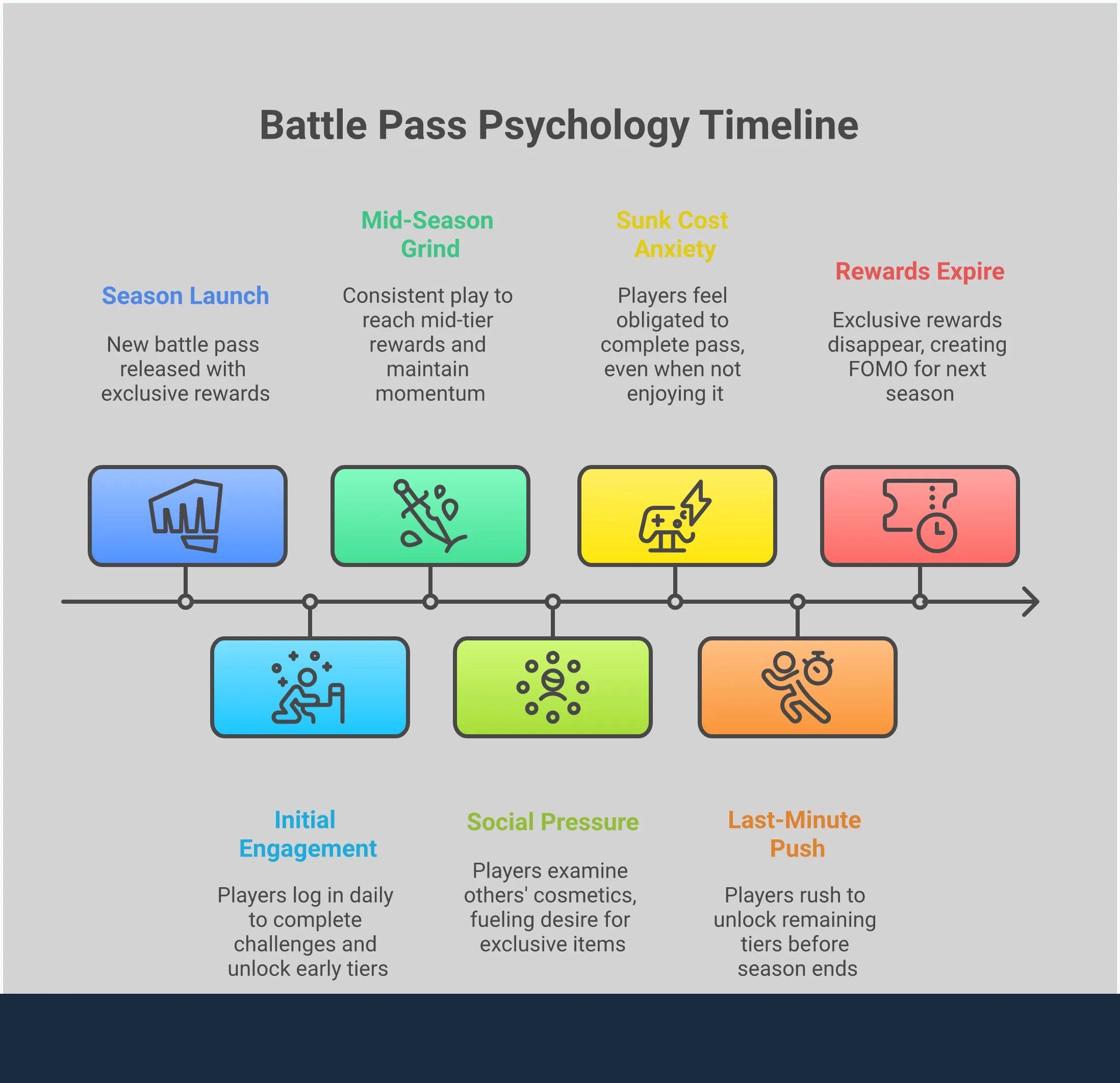
Most gamers know the feeling: a rush of anxiety near the end of a season when you’re still far from unlocking everything, and time is running out. Battle passes usually only last for one season – typically between a month and three months – and this creates a strong sense of urgency. If you don’t earn the rewards before the time is up, you often lose them permanently. This encourages players to play consistently throughout the season, rather than just in short bursts. It’s a clever tactic that turns wanting to play into feeling like you need to, prompting you to complete daily challenges and keep progressing.
The Allure of the Grind
For a long time, gamers disliked the idea of repetitive gameplay – often called the ‘grind.’ However, battle passes have changed that perception. A good battle pass gives players clear goals beyond simply winning, turning each session into a series of focused challenges. These challenges, like getting a certain number of headshots or exploring specific areas, act like mini-quests, making every moment feel meaningful. This structured system transforms the grind from a tedious task into a satisfying progression. You’re not just playing the game; you’re actively earning rewards like emotes or weapon skins. It’s a simple, effective cycle: complete challenges, receive rewards, and feel a sense of achievement that keeps you engaged.
Better with Friends: Community Challenges
Many game challenges aren’t meant to be completed alone – think objectives like reviving teammates or winning as a team. These challenges cleverly encourage players to socialize and play together. Battle passes can really help with this, getting people to team up, plan strategies, and enjoy the feeling of overcoming difficult hurdles as a group. This builds a stronger community and makes the game more fun. It’s always better to share the frustration of a tough challenge – or the joy of finally beating it – with friends!
Why Are Battle Passes So Effective?
Battle passes are incredibly engaging, and that’s no coincidence. Game creators intentionally use psychological principles to make them feel rewarding and keep players hooked. They combine a feeling of needing to act quickly, consistent rewards, and the pleasure of sharing your achievements with others. This is why you might find yourself completing daily tasks even when you’re busy. Let’s explore the main reasons why these passes are so difficult to ignore.
The Fear of Missing Out (FOMO)
Have you ever felt anxious as a gaming season ends, worried you haven’t reached a certain level to unlock everything? That’s often called FOMO, or the Fear Of Missing Out, and it’s a key part of how battle passes work. These passes offer special rewards that are only available for a limited time. Once the season ends, those cool items – like character skins or weapon charms – disappear. This creates a sense of urgency, making you feel like it’s worth spending a little money to get everything before it’s gone. It’s a smart tactic that encourages you to keep playing.
The Science of “Just One More Level”
Battle passes are incredibly good at keeping you hooked on a game. They give you a reason to play each match beyond simply trying to win – you’re always working towards the next reward and level. This creates a satisfying cycle where you’re constantly motivated by a clear, achievable goal. A good battle pass makes the experience less overwhelming by dividing a large amount of progress into smaller, easier steps. Instead of feeling like you have to accomplish one huge task, you’re completing many small ones, and each unlocked reward feels good, encouraging you to keep playing.
Showing Off: Cosmetics and Bragging Rights
Let’s face it, a lot of the enjoyment in gaming comes from showing off what you’ve earned. Battle passes offer unique items that signal your achievement to other players. Reaching the highest tier and unlocking that special skin isn’t just about how it looks – it’s a way to demonstrate your commitment and effort. These items are about earning respect and boosting your reputation within the game. It’s similar to having the best gear – it’s not just about performance, but also about showing off your style and skill. Ultimately, these customizations let you express yourself and prove how dedicated you are to the game.
How Battle Passes Make Money
A battle pass is a way for game developers to earn money by offering players special items and content they can unlock simply by playing the game. However, it’s more than just buying something once. It’s a clever system designed to keep players engaged and encourage them to spend a little money along the way. The goal is to make players feel like buying the pass is a worthwhile investment that enhances their gaming experience.
This system relies on a few important parts working together. It starts by offering players clear rewards through a two-level system. Then, it connects directly with the game’s existing currency, building its own little economy. Developers carefully adjust the cost and length of activities to make them appealing to players while also ensuring the game makes money. This approach effectively turns regular gameplay into a reliable source of income for the game itself.
The Free Track vs. The Premium Track
Battle passes generally have two options: a free path and a premium path. The free path is for everyone and gives you a few rewards as you play. It’s a good way to try things out and stay engaged. If you pay for the premium path, you’ll get even better rewards more often, including exclusive items like character outfits, weapon designs, and special animations.
This game uses a common “freemium” model. Everyone, whether they spend money or not, earns rewards and feels like they’re advancing. This helps keep the player base active and involved. At the same time, showcasing exclusive items for paying players encourages them to upgrade for the complete experience.
The Role of In-Game Currencies
Battle passes usually cost in-game currency, like V-Bucks in Fortnite or CoD Points in Call of Duty. This is a smart tactic because it makes spending money feel less direct. Players often end up with leftover currency after buying a pass, which encourages them to spend it on other items in the game’s store.
This system lets developers create ways for players to spend their in-game currency. A common example is letting players purchase boosts to progress faster, particularly towards the end of a season. This benefits both players and developers: players can quickly get the items they’ve been working towards, and developers successfully encourage spending within the game.
Finding the Sweet Spot for Price and Length
Pricing and the length of a battle pass require careful consideration. A price that’s too high can discourage players, while a price that’s too low means lost income for the game’s creators. The duration is equally important – it should be long enough to keep dedicated players engaged, but not so lengthy that it feels overwhelming for those who play more casually.
Game developers face a tricky balance when creating season passes. They need to consider how often players will spend money, how much new content is possible to make, and how to ensure rewards stay satisfying over time. A well-designed pass is key to keeping players engaged and feeling good about their progress. When successful, the cost feels reasonable, and earning rewards feels like a genuine accomplishment, not a tedious task.
How Your Feedback Shapes the Battle Pass
Have you ever thought about how developers create a Battle Pass? It’s not a random process! The best ones are carefully designed and constantly improved based on player feedback. Developers pay close attention to what players say on platforms like Reddit, Twitter, and Discord. They also analyze data – like which challenges people complete and which rewards are most popular – to make sure the Battle Pass is enjoyable for everyone.
What really makes a game great isn’t just how it plays, but how rewarding it feels. Even amazing gameplay can’t save a Battle Pass that’s boring or takes too much effort. That’s where your feedback comes in! When you tell developers what you love – like a cool skin – or what’s frustrating – like a mission that’s too grindy – you help them improve the game. This impacts everything, from the items you earn to how long it takes to get them, making sure the Battle Pass stays fun and relevant for players.
Choosing Rewards Players Actually Want
Let’s face it – most of us play Battle Passes to earn cool rewards. But what makes a reward truly worthwhile? It all comes down to what players actually want. Game developers carefully track which items – like character skins, weapon designs, and emotes – are popular and frequently used, and which ones are ignored. Your feedback helps them understand what you enjoy, and that directly influences what they create in the future.
A good battle pass motivates you to play by offering rewards you actually want. When done right, earning those rewards feels satisfying, not like a chore. Developers strive to make the effort you put in match the value of what you get in return. This design keeps players engaged season after season, making it feel like a fun experience rather than just a purchase.
Balancing the Grind with Player Input
It’s a delicate balance for game developers when designing seasonal challenges like Battle Passes. If they’re too simple, players get bored, but if they’re too difficult or require too much time, they become a chore. Getting feedback from players is crucial. When players point out challenges that are frustrating or that make progression too slow, good developers pay attention and make changes.
Great Battle Passes don’t feel like a chore. They’re built around how you already enjoy playing, instead of making you do things just to complete challenges. Developers can improve Battle Passes by looking at how players are doing and listening to what they want. This means adjusting how quickly you earn progress and making sure missions are difficult, but still possible. The goal is to make earning rewards feel good and enhance the overall game experience, not take over it.
Evolving the Pass, Season After Season
Battle Passes aren’t set in stone; they’re constantly improved with each new season. Games like Fortnite and Apex Legends are great examples—their passes have changed a lot since they first launched. These improvements happen because developers listen to player feedback. What players enjoy, dislike, or want to see added to each pass helps shape the next one.
Each in-game event and reward helps developers make the game even better, which is crucial for its overall success. Take Fortnite, for instance – its popular and well-regarded Battle Pass wasn’t created overnight. It’s the result of carefully listening to player feedback and making changes over time. This constant cycle of improvement is essential. By learning from what’s worked and what hasn’t, developers can keep things interesting and make each new Battle Pass even more enjoyable than the last.
The Dark Side: Are Battle Passes Exploitative?
Battle passes can be enjoyable and offer great perks, but they also have a downside. They can sometimes make you feel pressured to play even when you’re not in the mood, complete tasks you don’t like, or spend money you hadn’t intended to. It’s easy for these systems to cross the line from being fun to feeling manipulative. When a game focuses more on keeping you playing than on your enjoyment, it’s right to question whether it’s gone too far. It’s a tricky balance, and many games fail to get it right, leaving players feeling used rather than appreciated.
Healthy Habit or Harmful Hook?
A good battle pass gives players clear goals, motivating them to play regularly, complete challenges, and unlock rewards. However, this motivation can easily turn into a sense of obligation. What starts as a way to build a positive habit – daily and weekly challenges – can quickly feel like a tedious task. The fear of missing out on rewards can transform a fun pastime into something stressful. While the idea of earning rewards through effort is appealing, battle pass systems can be designed in a way that encourages players to play for longer and more often than they actually want, raising questions about ethical game design.
Paying to Skip the Grind
Many games now offer ways to instantly unlock battle pass rewards by spending money. While this lets players who don’t have much time still get the rewards, it can take away from the feeling of earning them through gameplay. It’s frustrating to see someone bypass weeks of effort simply by paying, which diminishes the overall experience. This system can prioritize spending money over skill and dedication, and feels particularly unwelcome in games that didn’t need it, turning what should be an enjoyable feature into something that feels purely focused on profit and detracts from the game’s core appeal.
When Gaming Feels Like a Job: Player Burnout
It’s a frustrating feeling when a game you love starts to feel like work. The constant pressure of time-limited seasons and endless challenges can quickly lead to burnout. You might find yourself playing not because you enjoy it, but because you feel obligated to get your money’s worth from a purchased pass. Game developers struggle to create passes that are the right length and difficulty – finding this balance is crucial for keeping players interested. If a pass becomes too grindy, however, it can actually drive players away instead of encouraging them to keep playing.
What Makes a Battle Pass Great (and What Makes It Awful)?
We’ve all experienced it: a game’s battle pass can be incredibly engaging one season, and a real drag the next. What makes a battle pass great isn’t necessarily the final reward, but the entire experience. A good battle pass respects your time, makes completing challenges enjoyable, and offers rewards that feel earned. It becomes a fun, regular part of playing with friends. A bad one, however, can feel like a frustrating second job, filled with boring tasks and uninspiring rewards, making you wonder why you bothered. The best battle passes find the sweet spot, making you feel rewarded for your effort, even if you don’t spend any money. This comes down to a few important things: making the free version of the pass worthwhile, setting goals that matter, and ensuring progress feels steady and satisfying. Thoughtful design is what makes some battle passes memorable and others easily forgotten.
Making the Free Track Feel Rewarding
Most players don’t buy the full battle pass, so a good one makes sure the free rewards are still appealing. Offering things like sprays, in-game currency, or even cool skins to free players shows developers appreciate everyone in their community. This is also a smart business move! A rewarding free track gives players a taste of what they could get with the premium pass, making it feel like a great deal instead of something they have to buy to enjoy the game. Good battle pass design focuses on making those free rewards worthwhile, so the premium pass feels like an exceptional value.
Milestones That Matter
A well-designed battle pass gives players a reason to keep playing. Instead of simply playing the game randomly, it provides clear goals to work towards. The best battle passes offer challenges that feel natural to the game, rather than repetitive chores. Reaching each new level should feel rewarding and meaningful. This system gives players a sense of purpose, motivating them to play often and connect with the community. When leveling up is consistently satisfying, it transforms repetitive tasks into an enjoyable experience.
Pacing That Keeps You Hooked, Not Bored
A battle pass needs to be paced just right to keep players happy. If it’s finished too quickly, dedicated players will lose interest. But if it takes too long and is too challenging, players might get tired of the game and feel like it’s a chore. The best battle passes provide consistent rewards and feel attainable for most players without needing constant, daily grinding. Developers have to carefully balance the length to keep everyone engaged all season without making it feel overwhelming or impossible to complete.
How Battle Passes Changed Game Development Forever
The Shift to “Games as a Service”
The growing popularity of battle passes shows that the gaming industry is fully committed to the “games as a service” model. Instead of simply buying a game once, games are now seen as ongoing platforms that continue to earn money over time. For free-to-play games, battle passes are a major source of income. This encourages developers to regularly update and improve the game to keep players engaged. A good battle pass motivates you to play often, making each session feel rewarding as you work towards new items. When done well, it benefits everyone: players get consistent content at a reasonable price, and developers get the ongoing funding needed to maintain and grow the game.
The Never-Ending Content Treadmill for Devs
Games as a Service (GaaS) can be fantastic for long-term game support, but it puts a lot of stress on the teams making those games. Because of battle passes that change with the seasons, developers are always under pressure to create new content. Every few months, they need to release things like new character outfits, animations, and challenges. This constant need for fresh content is a huge task, requiring careful planning to meet player expectations without overworking the team. Developers must design rewards that feel valuable and engaging, all while also working on major game improvements and fixing problems. It’s a demanding schedule that can easily lead to burnout if not handled well.
The New Goal: Keeping You Logged In
Games are now focused on keeping players engaged over the long term, rather than just selling copies. The most important measure of success is player retention – how well a game keeps people playing day after day. Battle passes are ideal for this because they create daily and weekly habits by giving players clear goals each time they play. It’s not just about unlocking the final reward; it’s the feeling of accomplishment with every small task completed. This system makes every play session feel meaningful, so even if you don’t win, you’re still making progress. It’s a clever design intended to keep players invested in the game for a long time.
The Future of the Battle Pass
Battle passes are here to stay, but they’re changing. Game developers are learning what keeps players coming back and prevents them from getting tired of the game, so they’re constantly making improvements. The future of battle passes won’t just be about adding more content; it’ll be about creating reward systems that are more clever, more fun, and potentially link up across different games. We’re starting to see systems where players have more control over their rewards and experiences. The challenge is to keep these changes exciting and worthwhile without making gaming feel like a chore.
New Twists on a Familiar Formula
Game developers are finding new ways to make battle passes enjoyable instead of repetitive. They’re offering more freedom in how you earn rewards, letting you pick the skins and items you want most. Some games are even testing passes that don’t expire, so you won’t feel pressured to play constantly. A good battle pass should make playing feel meaningful and worthwhile. The next improvement is giving players even more control over their experience, ensuring rewards feel deserved and tailored to their preferences.
Will We See Cross-Game Passes?
Picture this: you earn progress towards a reward in one game, like Call of Duty, and that progress also unlocks something in another game, like a new skin in Diablo 4. That’s the ultimate goal: a shared battle pass across multiple games. Companies with lots of popular, ongoing games – such as Activision Blizzard, Riot Games, and Ubisoft – are in a great position to make this happen. One subscription could let players progress across all their games, offering excellent value and encouraging them to explore new titles. Designing the perfect pass with the right content and duration would be difficult, but the payoff – incredibly loyal players – would be huge.
Can the Model Survive Player Fatigue?
Okay, so here’s the thing – we’re all getting seriously burned out on battle passes. It feels like every game now wants me to grind through 100 tiers, and then it resets? It’s exhausting! Honestly, the games that are going to keep me hooked are the ones that actually respect my time. A battle pass needs to feel like a natural part of the game, not just another thing I have to do. Devs need to find the right balance – not make the grind too tough, give us some cool stuff even if we don’t pay, and, most importantly, keep the game itself interesting! If it starts feeling like work, I’m just going to find something else to play.
Related Articles
- Deus Ex LFG: Connect with Other Augs in LFG Feature on Z League App
Frequently Asked Questions
You definitely don’t need to buy the battle pass to enjoy the game. A good game should be fun even if you only play the free version. The free rewards should feel satisfying and let you make progress without spending money. The paid battle pass should be a bonus for players who are really invested, not something you have to buy to have a good time.
Ugh, I’ve been so stressed trying to finish this battle pass before the season is over, and now I realize why! It’s totally intentional, apparently. These passes are designed to make you feel like you’re missing out if you don’t get everything before time runs out. The coolest rewards disappear when the season ends, and that really motivates me to keep playing and finish all the challenges. It’s a clever trick, honestly – it’s turned me from someone who plays occasionally into someone who logs in pretty much every day!
Whether the pass is worth it if you can’t play daily depends on the game and your goals. Some passes require playing almost every day to get everything, which can be tiring. A good idea is to try the free version for a few weeks to see how much you enjoy it and how quickly you’re progressing. If you’re happy with your progress and like the extra rewards, you can buy the pass later and immediately get everything you’ve already earned.
As a player, I’ve been wondering about these tier skips, and honestly, it feels like a way for the game to make more money off of us. I get why developers like them – people who really want that final reward but don’t have tons of time will definitely pay to skip ahead. But for those of us who grind through each tier, it kind of takes away from the feeling of actually earning something. It’s nice for players who are behind to catch up, but it does feel like it diminishes the reward for dedicated players.
As a player, I think the biggest difference between a really good battle pass and a bad one is how much it respects my time. When a battle pass is done right, the challenges just fit naturally into how I already play the game – it feels like I’m being rewarded for doing things I enjoy, and it actually adds to the fun. The rewards feel worth the effort, and it feels like I’m making real progress. But when a battle pass feels like a chore, forcing me to do repetitive or weird tasks just to complete it, that’s when I lose interest quickly. It just ends up feeling like extra work instead of something enjoyable, and leads to burnout.
Read More
- United Airlines can now kick passengers off flights and ban them for not using headphones
- Solo Leveling’s New Manhwa Chapter Revives a Forgotten LGBTQ Story After 2 Years
- The Boys Season 5 Spoilers: Every Major Character Death If the Show Follows the Comics
- Grok’s ‘Ask’ feature no longer free as X moves it behind paywall
- How to Get to the Undercoast in Esoteric Ebb
- TikToker’s viral search for soulmate “Mike” takes brutal turn after his wife responds
- Nintendo Officially Rewrites Princess Peach After 41 Years
- Invincible Season 4 Episode 6 Release Date, Time, Where to Watch
- ‘Timur’ Trailer Sees Martial Arts Action Collide With a Real-Life War Rescue
- Mewgenics vinyl limited editions now available to pre-order
2026-01-19 15:36