As a movie reviewer, I always pay close attention to how a film begins. Those opening shots are crucial – they really set the stage for everything that follows, and some sci-fi openers are truly legendary. What’s cool about the genre is the sheer creative freedom. Sci-fi movies can throw you into outer space, a super-futuristic world, a terrifying future, or even a warped version of our own reality. That gives filmmakers a lot of room to establish the mood, the big ideas, and the characters right from the start.
I’m always amazed by how quickly sci-fi movies pull you in. They ask you to just believe and suddenly you’re somewhere completely new, where anything can happen. It could be a realistic story about space travel or trying to understand alien languages, or a huge adventure with heroes and villains. Sometimes it’s a dark journey into the future, or even an ancient legend brought to life in a virtual world. The best ones really stick with you, and I find myself thinking about them long after the credits roll.
Gravity Establishes Its Setting & Characters Straight Away
Alfonso Cuarón’s highly praised sci-fi thriller begins with a breathtaking 13-minute shot. It starts by showing Earth slowly emerge from the darkness of space, then focuses on the Space Shuttle Explorer as the crew communicates with Houston. This opening scene introduces the two main characters, Dr. Ryan Stone (Sandra Bullock) and Lieutenant Matt Kowalski (George Clooney), and immediately gives us a sense of who they are.
This famous, unbroken shot immediately throws viewers into the frightening emptiness of space, brilliantly blending new technology with suspense and a compelling story. It sets the tone for the entire film, especially after the ship, the Explorer, is destroyed. The shot is powerful, realistic, and energetic, serving as a perfect preview of everything to come.
The Matrix Sums Up the Movie’s Entire Plot in Its Opening Moments
The Wachowskis’ 1999 film, The Matrix, is widely considered a landmark science fiction action movie. Remarkably, the entire story is foreshadowed in the very first scene. Over a blinking computer cursor and streams of code, Trinity and Cypher have a phone conversation, before the camera dramatically zooms into a digital world of numbers – ultimately revealing the Matrix itself.
Trinity and Cypher have a revealing conversation about Neo, who Morpheus believes is “the One.” Cypher hints at his plan to betray the team and kill Neo, while Trinity reaffirms her faith in Morpheus and their mission. This scene is crucial for setting up the story of The Matrix, brilliantly establishing its unique world and visual style without relying on typical sci-fi explanations.
Contact’s Slow Zoom-Out Has Inspired Countless Similar Projects
The film begins with one of the most famous opening sequences in cinematic history, and it’s been copied many times since. The camera slowly moves away from Earth, traveling through our solar system, beyond the galaxy, and out to the furthest reaches of the universe. As it does, we hear radio signals and music playing in reverse, starting with current sounds and going back in time until everything falls silent.
The film opens with a stunning visual sequence: the camera sweeps outward, seemingly traveling to the very edge of the universe. This journey ends by focusing on the eye of a young Ellie Arroway (Jena Malone), hinting at her future (as played by Jodie Foster) where she will discover proof of alien life and be selected to communicate with them. This scene beautifully contrasts the immense scale of the universe with the fundamental human desire to connect with others, shown through young Ellie speaking into her radio. The visuals and sound design of this moment have become incredibly famous and memorable.
Arrival’s Opening Shot Is Stripped-Back & Heartfelt
Denis Villeneuve’s 2016 film, Arrival, was a critical and popular success, helping to bring a more realistic and minimalist style of science fiction to a new audience. The film begins with a stunning visual—a slow pan up from a misty lake to a modern house—accompanied by the moving music of Max Richter and a gentle voiceover by Amy Adams. This opening scene beautifully sets the film’s emotional tone and atmosphere.
From the very beginning of Arrival, Louise Banks, played by Amy Adams, starts letting us in on something incredible. She’s talking to her daughter, and it quickly becomes clear she’s lived through time in a really unique way – almost all at once. She says she used to think her daughter’s life was how her own story began, but learning the language of the alien Heptapods changed everything. It gave her the ability to experience time not in a straight line, and honestly, that’s how the movie unfolds too. It’s all brilliantly established right from those opening moments.
Prometheus’ Opening Is the Alien Franchise’s Most Beautiful
Although the opening shot of the 1979 film Alien is famous, the beginning of the 2012 movie Prometheus is even more striking. It shows the very beginning of the Xenomorph’s creation, as a human crew journeys to a faraway planet to meet the beings who created them, known as the Engineers. The film immediately establishes this with a scene of an Engineer spreading its DNA into Earth’s water, making it a truly memorable moment.
The film Prometheus begins with stunning views of a barren, ancient Earth, showcasing rivers, geysers, and mountains. This peaceful scene is disrupted by the arrival of an alien spacecraft, and a being known as the Engineer deliberately ends its own life. This act, set to the powerful music of Marc Streitenfeld’s “A Planet” – the film’s main theme – immediately introduces the movie’s central ideas about origins and the willingness to sacrifice oneself.
Star Wars: Episode IV — A New Hope Throws Us Into the Middle of the Story
As a huge movie fan, one of the things that always gets me about Star Wars: A New Hope is how it just throws you into the action. After that famous opening crawl sets the stage, we’re immediately watching a Rebel ship desperately trying to escape an enormous Imperial Star Destroyer. The way that Destroyer just keeps rolling across the screen, relentlessly pursuing them, is so dramatic! It’s a full-blown space battle right from the start, and it instantly makes you wonder what led to this incredible chase.
The opening of Star Wars is considered one of the best ever, thanks to its innovative special effects, powerful music, and clever camera work that immediately shows the power dynamic at play. While later films explained what led up to this moment, it’s this opening scene that remains iconic, and has inspired countless science fiction movies since.
Melancholia’s Opening Sequence Is Bold & Unique
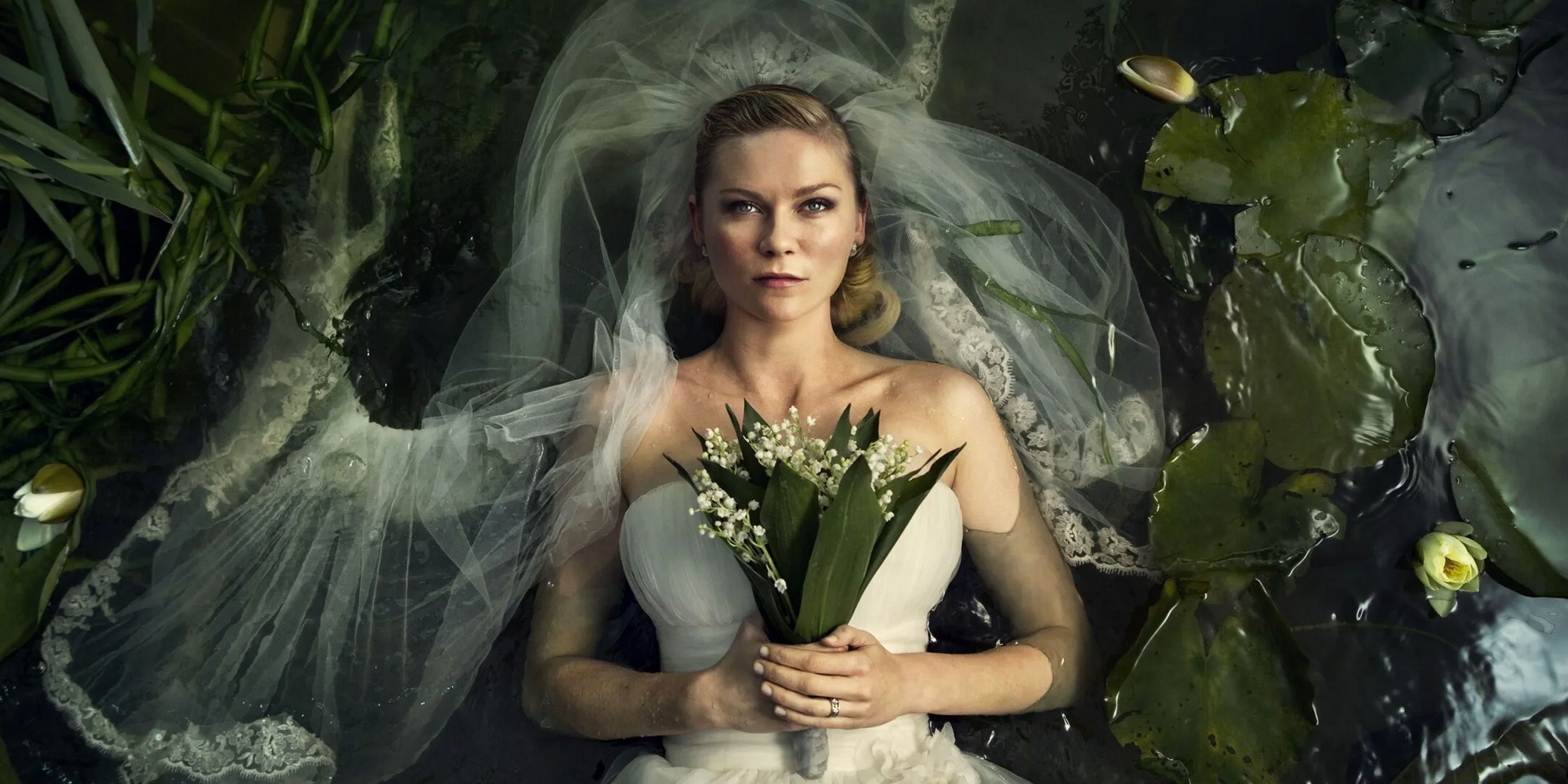
Lars von Trier’s 2011 film, Melancholia, is a science fiction story that’s also deeply personal and emotionally resonant. It focuses on how the impending collision of a planet with Earth affects a group of people. The film is particularly known for its striking opening sequence – an eight-and-a-half-minute montage shot in slow motion and set to Richard Wagner’s “Tristan and Isolde,” which heightens its impact.
The film then shows a series of brief, often strange images: Justine, Claire, and young Leo in unclear situations, alongside visions of distant planets and symbolic events like falling birds and burning art. We see a horse collapse, butterflies around Justine, and her floating down a river in a wedding dress. Interspersed are scenes of Leo whittling and static electricity crackling in the air. The montage culminates in a shot of Earth being destroyed by a cosmic collision, hinting at the unsettling and captivating story to come.
Children of Men’s Opening Scene Sets Up the Movie’s Dark Tone
Before directing the hit film Gravity seven years later, Alfonso Cuarón demonstrated his signature style – notably, lengthy and sweeping shots – in Children of Men. The film immediately immerses you with a single, continuous shot of Theo (Clive Owen) walking through a busy café to get coffee. As he does, a news report announces the death of Baby Diego, the world’s youngest person, shocking everyone around him – but Theo simply continues with his day.
The film immediately grabs your attention with a thrilling escape from an explosion. This expertly introduces the chaotic, dystopian world where no babies have been born for nearly twenty years. A continuous, unbroken shot makes the world feel incredibly real and lived-in, quickly establishing its history and atmosphere. The opening scene of Children of Men immediately showcases the dark and gritty reality of this future, drawing the viewer in from the very beginning.
Blade Runner Reveals the Dangers of a Future Los Angeles in Its Opening Scenes
The film immediately immerses viewers in the gritty, high-tech world of Los Angeles in November 2019. The city is vast and polluted, filled with smoke from factories and illuminated by enormous digital advertisements. Fires erupt against the dark, smog-filled sky, and glimpses of this bleak future are reflected in someone’s eye, hinting at a strange beauty within the decay.
The film creates its dark, futuristic atmosphere through innovative physical effects, a memorable and eerie synthesizer soundtrack by Vangelis, and a remarkably realistic visual style. The prominent image of an eye instantly represents ideas about artificial life, constant monitoring, and humanity’s ambition to play creator. The fact that we never learn who the eye belongs to makes this image even more powerful. It’s a visually stunning, disturbing, and thought-provoking element that perfectly captures the essence of Blade Runner.
2001: A Space Odyssey’s Opening Shot Is Sci-Fi’s Most Legendary
Stanley Kubrick’s 2001: A Space Odyssey is considered one of the greatest films ever made, and it immediately establishes its brilliance. The movie begins with a stunning visual: the Earth, Moon, and Sun aligned perfectly, accompanied by the powerful music of Richard Strauss’ “Also sprach Zarathustra.” This iconic opening perfectly introduces the film’s central ideas about the development of humankind, our place in the universe, and the possibility of moving beyond our current limits.
First released in 1968, 2001: A Space Odyssey was a groundbreaking science fiction film and remains one of the best ever made. Its impressive scale, epic feel, and vast scope immediately captivated audiences, starting with its powerful opening scene. This scene introduces the “Dawn of Man” sequence and suggests a larger, predetermined destiny for humanity, establishing the film’s deeply thoughtful and intricate themes.
Read More
- Off Campus Season 1 Soundtrack Guide
- X-Men ’97 Finally Gave Gambit the Hero Moment He Deserved
- 46 Years Later, The Mandalorian & Grogu Answers A Major Empire Strikes Back Question
- 10 Worst End-Game Couples In Sitcom History
- HoI4 fans harsh reactions to the announcement of another DLC pack
- Chainsaw Man Volume 24’s Cover Art Reveals a Brand-New Denji
- Hatsune Miku cosplayer goes viral selling $15 cups of “foot juice” to thirsty anime fans
- Emily Henry Says to ‘Trust the Vision’ For Beach Read Adaptation
- Gold Rate Forecast
- DoorDash responds after customer uses AI to make food look bad and get a refund
2026-06-01 23:39