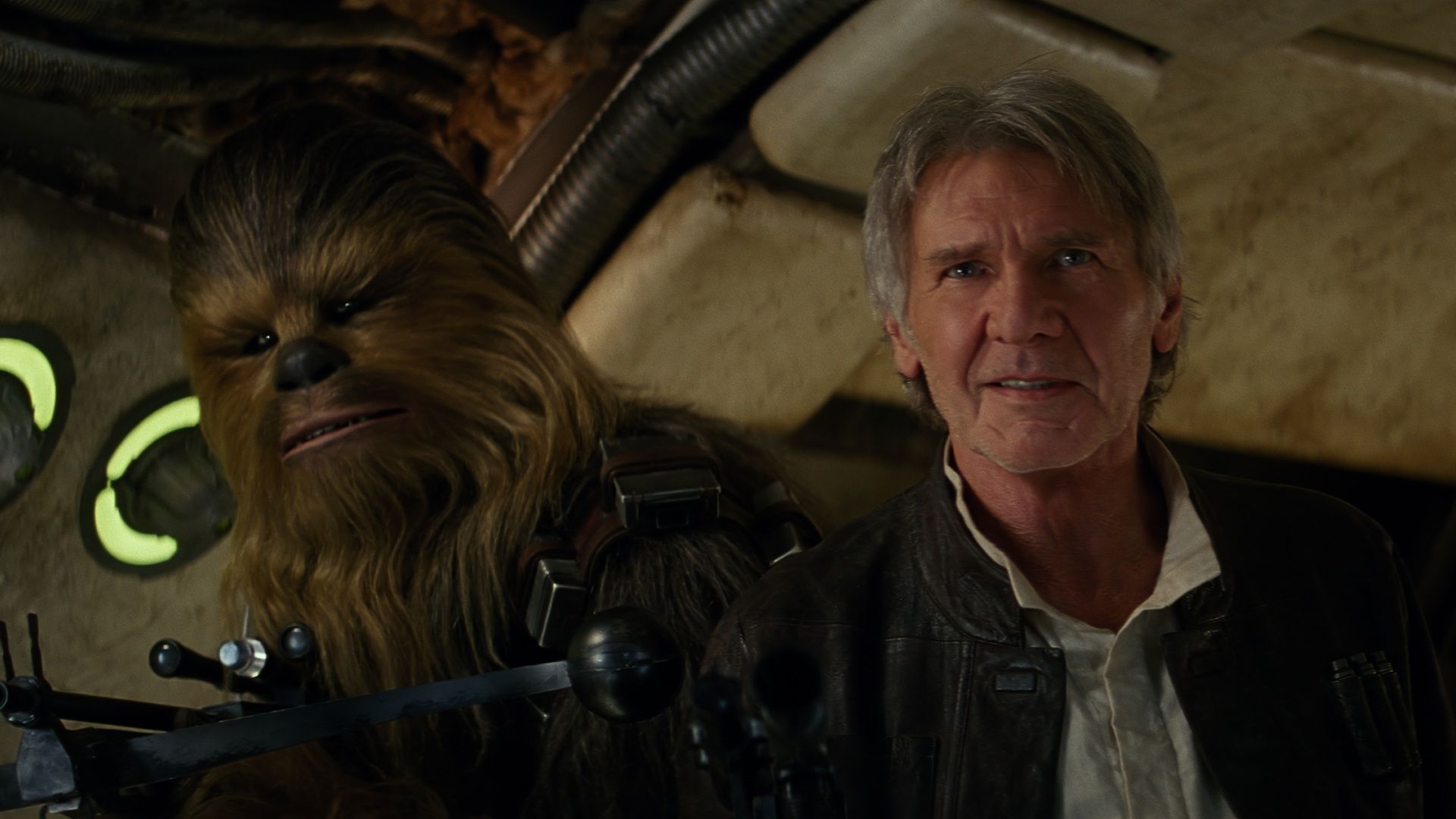
Both Star Wars and Star Trek have significantly impacted pop culture, creating a long-standing rivalry similar to that between Marvel and DC. While often grouped together as science fiction, the two franchises feel quite different. Star Trek is more rooted in philosophical ideas and explores a future that feels like a possible extension of our own world. Star Wars, on the other hand, is a grand space fantasy focused on the classic struggle between good and evil, taking place in a completely separate galaxy.
Both Star Trek and Star Wars are iconic franchises that have enjoyed success in movies and TV, though they’ve faced challenges along the way. Currently, both are looking to appeal to a new generation of fans. Paramount is planning a fresh start for Star Trek with directors Jonathan Goldstein and John Francis Daley, who previously worked on the well-received Dungeons & Dragons: Honor Among Thieves. Star Wars will return to cinemas this May with The Mandalorian and Grogu, followed by another film in 2027. J.J. Abrams was once heavily involved with both franchises, and his impact on them is now clearly visible.
Star Trek (2009) Was the Purest Execution of J.J. Abrams’ Instincts
In 2007, Paramount brought on J.J. Abrams to direct a new Star Trek movie. He reimagined the franchise with a fresh take on the characters of James T. Kirk and Spock, essentially restarting the story. The studio marketed it as a Star Trek for a new generation, and the film lived up to that claim by being quite different from what fans had seen before, largely thanks to Abrams’ vision.
Before J.J. Abrams directed the Star Trek reboot, the Star Wars franchise had largely stalled. He likely viewed Star Trek as his opportunity to create a successful space opera, and the 2009 film reflects that. It includes elements that made Star Wars a blockbuster – exciting action, a classic hero’s journey, massive threats, a cantina-like scene, and even a nod to Han Solo. In fact, many dedicated Star Trek fans felt Abrams’ version leaned more towards the style of Star Wars. While the film isn’t without its critics, there was a clear intention behind these choices.
J.J. Abrams’ Star Wars Entries Show What Franchise Obligation Does to a Filmmaker
So, after revisiting Star Trek, I took on what felt like an even bigger challenge: Star Wars: The Force Awakens. Disney was hoping to relaunch the franchise in 2015, and the pressure was on. Honestly, my approach was similar to what I did with Star Trek – I really wanted to deliver a film that lived up to the legacy and gave fans that classic, exciting experience they were craving.
The film featured a world-threatening danger, followed a familiar hero’s story, and moved quickly. It also smartly revived the visual effects style of the original movies and brought back beloved actors – similar to what the 2009 Star Trek reboot did. However, it didn’t take enough risks or feel truly original. While The Force Awakens initially benefited from its nostalgic appeal, things went downhill when J.J. Abrams returned to direct The Rise of Skywalker.
Interestingly, Abrams’ first Star Trek movie actually feels more like a Star Wars film because it cleverly hides that influence. The familiar look and characters of Star Trek mask the Star Wars elements within the reboot. Had Abrams taken a different visual approach with The Force Awakens and The Rise of Skywalker, his references to the original Star Wars trilogy wouldn’t have been so noticeable.
Found an error? Send it so it can be corrected.
Read More
- United Airlines can now kick passengers off flights and ban them for not using headphones
- Crimson Desert: Disconnected Truth Puzzle Guide
- All 9 Coalition Heroes In Invincible Season 4 & Their Powers
- The Boys Season 5 Spoilers: Every Major Character Death If the Show Follows the Comics
- Mewgenics vinyl limited editions now available to pre-order
- Invincible Season 4 Episode 6 Release Date, Time, Where to Watch
- Grok’s ‘Ask’ feature no longer free as X moves it behind paywall
- Assassin’s Creed Shadows will get upgraded PSSR support on PS5 Pro with Title Update 1.1.9 launching April 7
- ‘Timur’ Trailer Sees Martial Arts Action Collide With a Real-Life War Rescue
- Crimson Desert Guide – How to Pay Fines, Bounties & Debt
2026-02-28 01:36