Silent Friend is a thoughtful film that might just make you see plants in a new light. The movie, directed by Hungarian filmmaker Ildikó Enyedi, follows three characters across different time periods as they consider whether plants are aware. Their stories are linked by a single gingko tree, planted in 1832 near Marburg University in Germany. While the premise sounds unusual, the film is even more so. It unfolds through quiet moments and carefully observed details, creating a feeling that the tree itself is telling the story – all-knowing, honest, and surprisingly gentle. The film doesn’t offer a grand, sweeping view, but rather a detailed, fragmented one, like a pointillist painting.
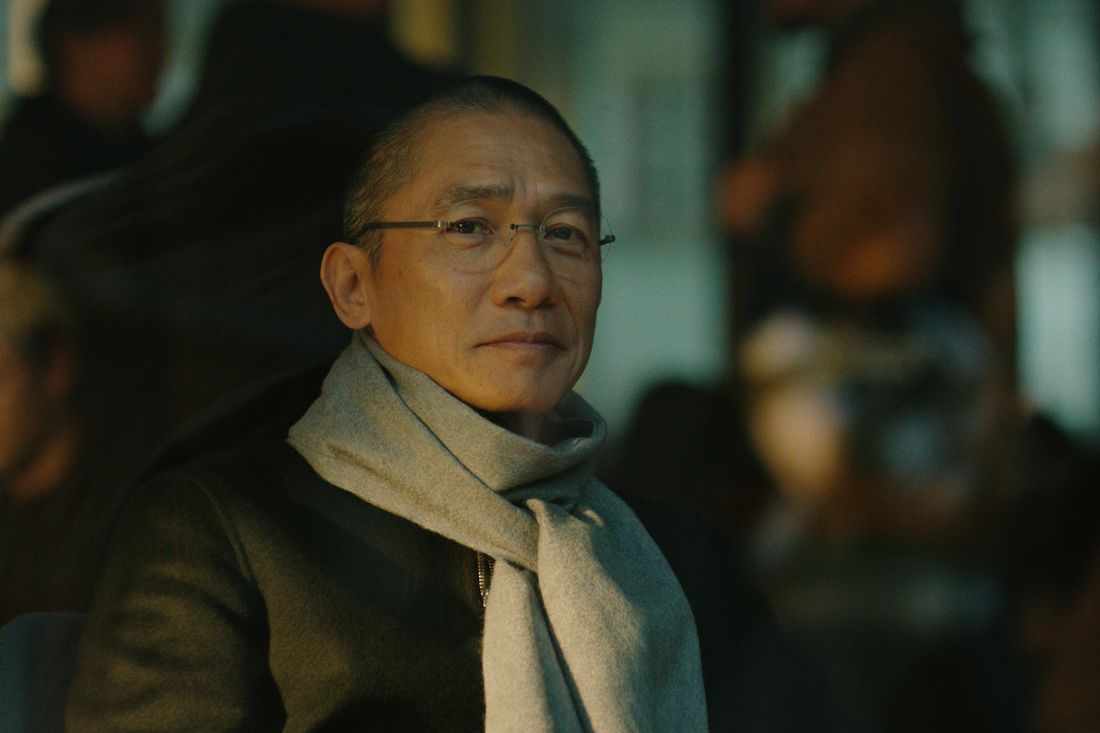
The film centers around three characters. Professor Wong, a neurologist from Hong Kong played by Tony Leung, travels to Marburg to study children’s brains, only to find himself stranded there during the COVID-19 lockdown. Feeling like an outsider, he’s left alone in the university, observed only by Anton, the janitor, who becomes wary as Wong starts experimenting on a ginkgo tree. We also see the story of Grete (Luna Wedler), a botany student at Marburg in 1908. During her entrance interview, she faces inappropriate and sexually suggestive questioning from her professors, who seem determined to test her limits. Finally, there’s Hannes (Enzo Brumm), a student in 1972 who initially wants to study poetry. He falls for Gundula (Marlene Burow), a researcher studying how geraniums respond to stimuli. Though he grew up on a farm and dislikes plants, Hannes agrees to look after Gundula’s flower while she’s away, and soon becomes fascinated by how aware it seems to be.
While you might question some of the ideas presented in Silent Friend, the director skillfully blends scientific concepts with more speculative ones through compelling visuals. A gingko tree appears throughout the film as a constant, almost sacred presence. We see its roots glowing beneath the ground, seeming to react to the world above. It’s visually stunning, making you want to accept the film’s premise. The vibrant, hidden world of the tree beautifully contrasts with the often-stressful pace of human life, especially as we follow Wong through the sterile, empty spaces of the university, unsure of his purpose. Tony Leung, known for his subtle performances, excels at portraying inner emotions. Here, he plays a relatable character, an outsider struggling with a new environment and language. This feeling of isolation is heightened by the pandemic lockdowns, making his awkwardness and reserved behavior feel incredibly authentic, especially in his interactions with the inquisitive Anton.
The film explores how we connect – and often fail to connect – with each other. Despite significant differences in culture, personality, and language, Wong and Anton find a way to understand each other when they choose to. Meanwhile, Grete, facing difficulties at school and unexpectedly homeless, discovers photography, which gives her a new voice. Hannes develops an unusual bond with a geranium, trying to teach it to respond to music and even perform tasks, becoming more connected to the plant than to people, including his partner, Gundula. The film suggests that natural communication and openness are inherent to all living things, making our human failures to connect seem strikingly inappropriate.
Despite its length—147 minutes—and deliberate pacing, with extended scenes and conversations about science, Silent Friend is surprisingly captivating. Director Enyedi, known for her acclaimed films My 20th Century (1989) and the Oscar-nominated On Body and Soul (2017), has a remarkable understanding of how to connect with viewers. She slows the film down intentionally, drawing our attention to subtle details like small movements, facial expressions, and the way lines are delivered. The central image of a beautiful gingko tree, filmed from various perspectives and in different lighting, mirrors the film’s reflective mood. Watching the characters navigate their everyday lives creates a feeling of connecting with something deeper and more fundamental, something beyond the usual concerns of humanity. It’s a truly memorable cinematic experience.
Read More
- Off Campus Season 1 Soundtrack Guide
- Chainsaw Man Volume 24’s Cover Art Reveals a Brand-New Denji
- X-Men ’97 Finally Gave Gambit the Hero Moment He Deserved
- 46 Years Later, The Mandalorian & Grogu Answers A Major Empire Strikes Back Question
- HoI4 fans harsh reactions to the announcement of another DLC pack
- 10 Worst End-Game Couples In Sitcom History
- Gold Rate Forecast
- DoorDash responds after customer uses AI to make food look bad and get a refund
- Emily Henry Says to ‘Trust the Vision’ For Beach Read Adaptation
- Hatsune Miku cosplayer goes viral selling $15 cups of “foot juice” to thirsty anime fans
2026-05-06 19:55