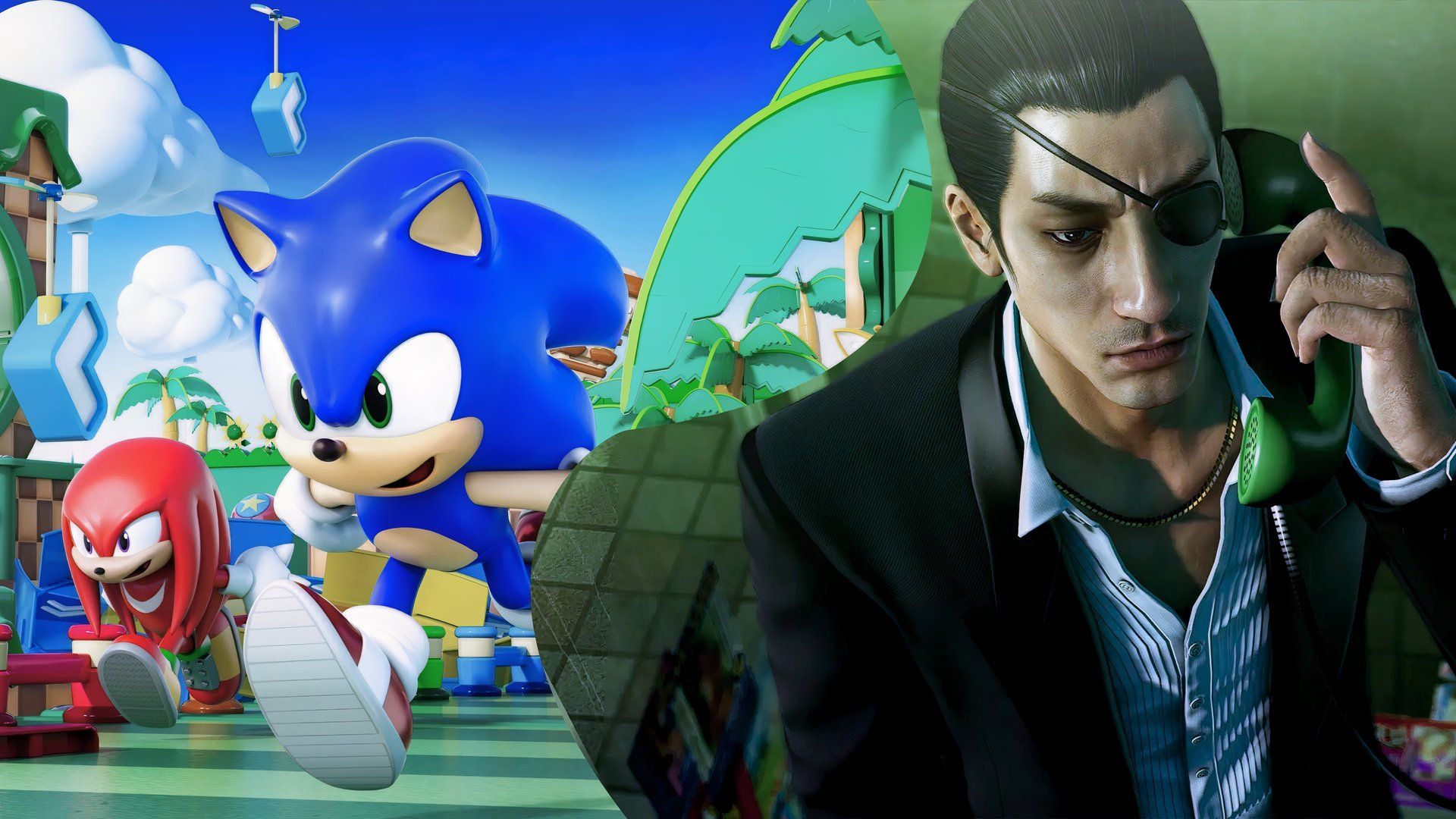
I wasn’t shocked by SEGA’s latest financial report, nor was I puzzled. While SEGA isn’t doing poorly, their performance isn’t as strong as it could be. They’ve released several well-regarded games recently, but those positive reviews haven’t led to the sales numbers they likely hoped for.
SEGA admits they don’t fully understand why recent game sales have been lower than expected. While they have the sales data, they’re still trying to figure out the reasons. In a recent discussion with shareholders, they suggested several possibilities, including pricing, competition from similar games, and the chance that players are waiting for more fully-featured releases. They also recognize that their marketing efforts haven’t been strong enough, especially in clearly showing what makes their games unique.
While those ideas seem good in theory, they don’t quite tell the whole story. Looking at how players actually use SEGA’s games – and comparing that to other companies – reveals a noticeable trend.
Sales Reflect Trust More Than Quality
Capcom is a fantastic example of a company that successfully turned things around. They had a remarkable recovery in the late 2010s, and have stated they now prioritize positive reviews over huge initial sales figures. This is understandable – sales don’t always indicate a game’s quality, unless it’s a massive success. More often, they reflect how much trust players have in the game’s brand and the company itself.
SEGA has been releasing some great games lately, but they’ve also had periods where their quality hasn’t been consistent. It takes a while to overcome that past reputation, even though their games are generally better now. Players tend to remember the disappointing games, especially when they’re from a series they love, and that makes them hesitant to try new releases.
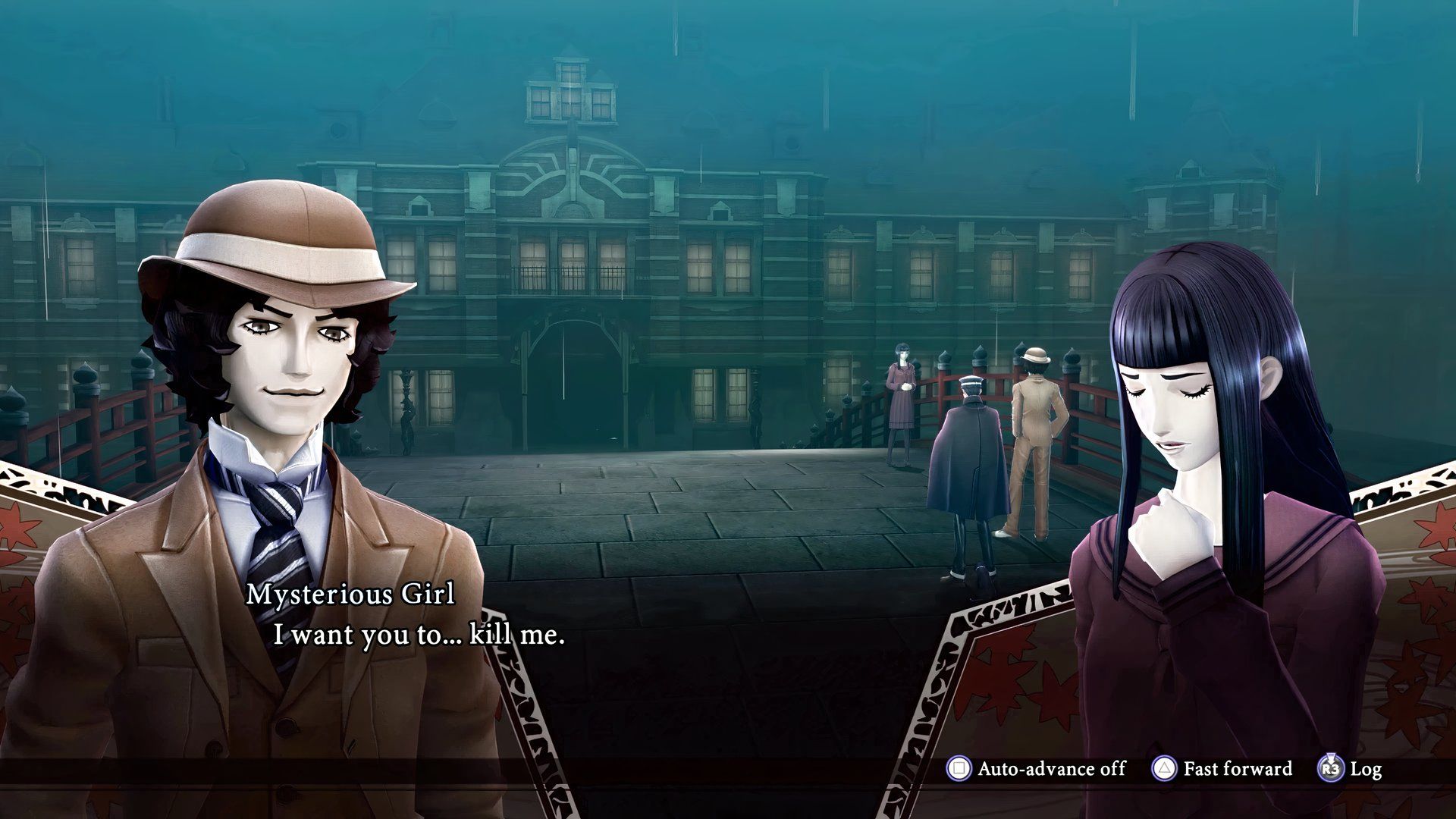
SEGA has inadvertently conditioned its fans to be patient. Fans now often anticipate remakes shortly after a game’s initial release, making a day-one purchase less appealing. Many are happy to wait, especially with so many new games constantly being released. The Persona series is a prime example – it’s excellent, but the inconsistent release schedule makes it hard to justify buying immediately. Once players become accustomed to waiting for a better version or a more complete experience, they often continue to do so.
Good Games Don’t Sell Themselves Anymore
SEGA
SEGA’s explanation touches on marketing, and that’s likely the most accurate part of their assessment. It’s not that their marketing is poor, but rather that how people discover and play games has changed dramatically in the last ten years.
At the same time, SEGA has played a huge role in unintentionally training their audience to wait.
I remember a while back, just seeing a new game announced was enough to get me hyped. A cool trailer and some articles were usually enough to put it on my radar. That still happens sometimes, but honestly, it doesn’t grab my attention like it used to. We’re all so good at blocking out the noise and only focusing on the games we really want to play, you know?
These days, people aren’t finding new games through big advertising pushes. Instead, they’re relying on creators, online communities, and game series they already know and like. Because recommendations are tailored by algorithms, they feel more like personal suggestions. To grab players’ attention, a game needs to fit into the online spaces where they’re already active.
It’s Harder Than It Should Be To Get Into SEGA Games
One thing that really sets SEGA apart from other game companies is how difficult it is to access their older games.
As a big Capcom fan, I really appreciate how easy they make it to play their games! Whether it’s classics like Resident Evil or Devil May Cry, or even some of their lesser-known titles like Okami, they’re usually available on current consoles and PC. It’s awesome because it means new players can jump in without a hassle, and us longtime fans can easily revisit our favorites whenever we want.
Nintendo has gone even further by successfully re-releasing older games like Pokémon FireRed and LeafGreen with only minor updates, yet still selling them at a good price. They’ve also built a system that encourages players to subscribe to services like Pokémon HOME.
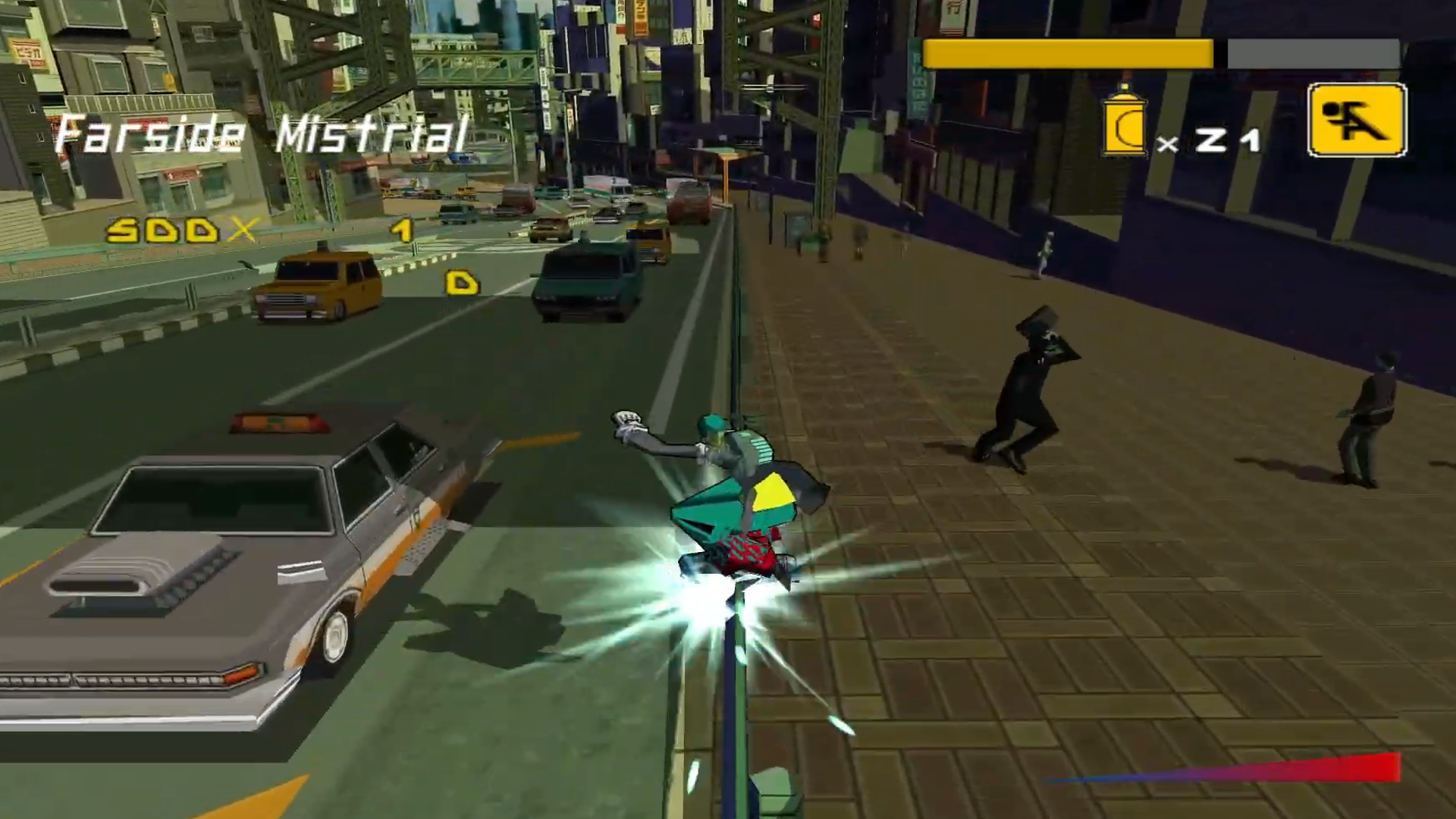
Playing classic SEGA games can be hit or miss. While there are some exceptions, many older titles are hard to find. They’re often stuck on old consoles, and sometimes even when they are released on platforms like Steam, they’re later removed. SEGA is thinking about creating a subscription service for its games and announced a Jet Set Radio remake a while back, but right now, they’re missing out on reaching new players who want to experience their classics.
This unnecessarily complicates giving recommendations. It’s simple to suggest a Capcom game, as most people can likely play it right away on a device they already have.
Pricing And Positioning Indicate Uncertainty
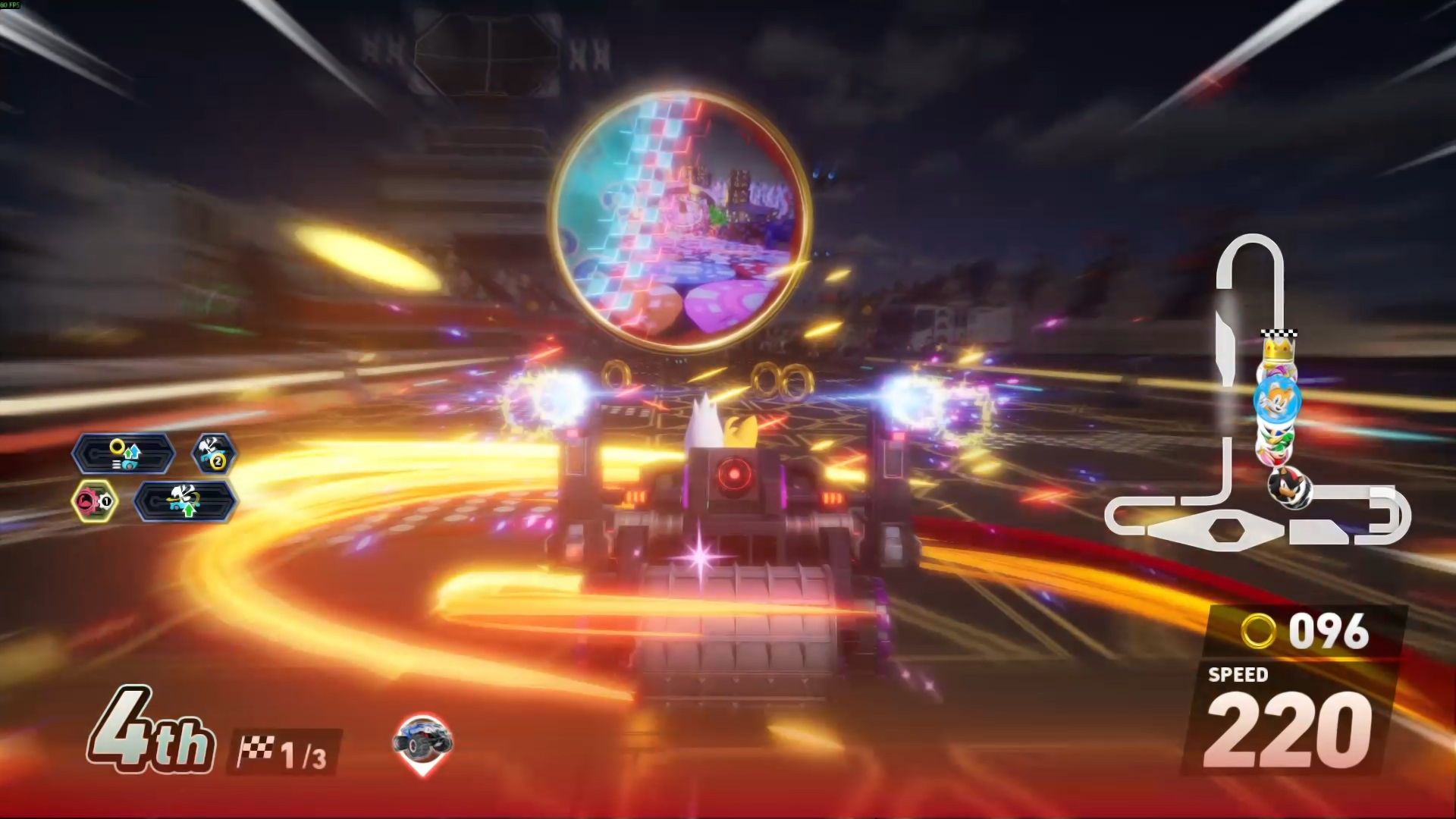
The price is likely the most significant concern. SEGA is still working on figuring out a reliable pricing strategy.
It’s not necessarily wrong to sell games for more money, but it only works if players believe they’re getting a quality product. Nintendo has earned that trust by consistently releasing a steady stream of games each year. Their full-priced games rarely go on sale, particularly their most popular franchises, because players expect a certain level of quality and are willing to pay for it.
SEGA aims to compete in the kart racing genre, but their recent release, Sonic Racing: CrossWorlds, is quite expensive. It launched at $70, with an additional $30 season pass. While the game has been well-received, that’s a high price for a casual racing game, especially when many players would prefer a more affordable Mario Kart title. Plus, SEGA games often become cheaper soon after release, making a launch purchase less attractive.
Considering people are already often reluctant to buy games right away, and worry about later, more complete versions being released, it’s not surprising sales are slow. Plus, while SEGA has many well-known franchises, they haven’t been able to turn them into successes the way Nintendo has.
Look, I don’t mind paying a bit more for a game upfront, but honestly, it only feels right when I know it’s going to be good. It all comes down to trust – I need to be confident I’m getting my money’s worth!
Nintendo successfully expanded the world of Mario, creating popular games, spin-offs, and even movies and shows that often introduce other Nintendo characters. They then cleverly brought all these characters together in the Super Smash Bros. series, creating a shared universe. This interconnected approach keeps the Nintendo brand consistently in the public eye and reinforces its popularity.
Subscribe to the newsletter for sharper SEGA insight
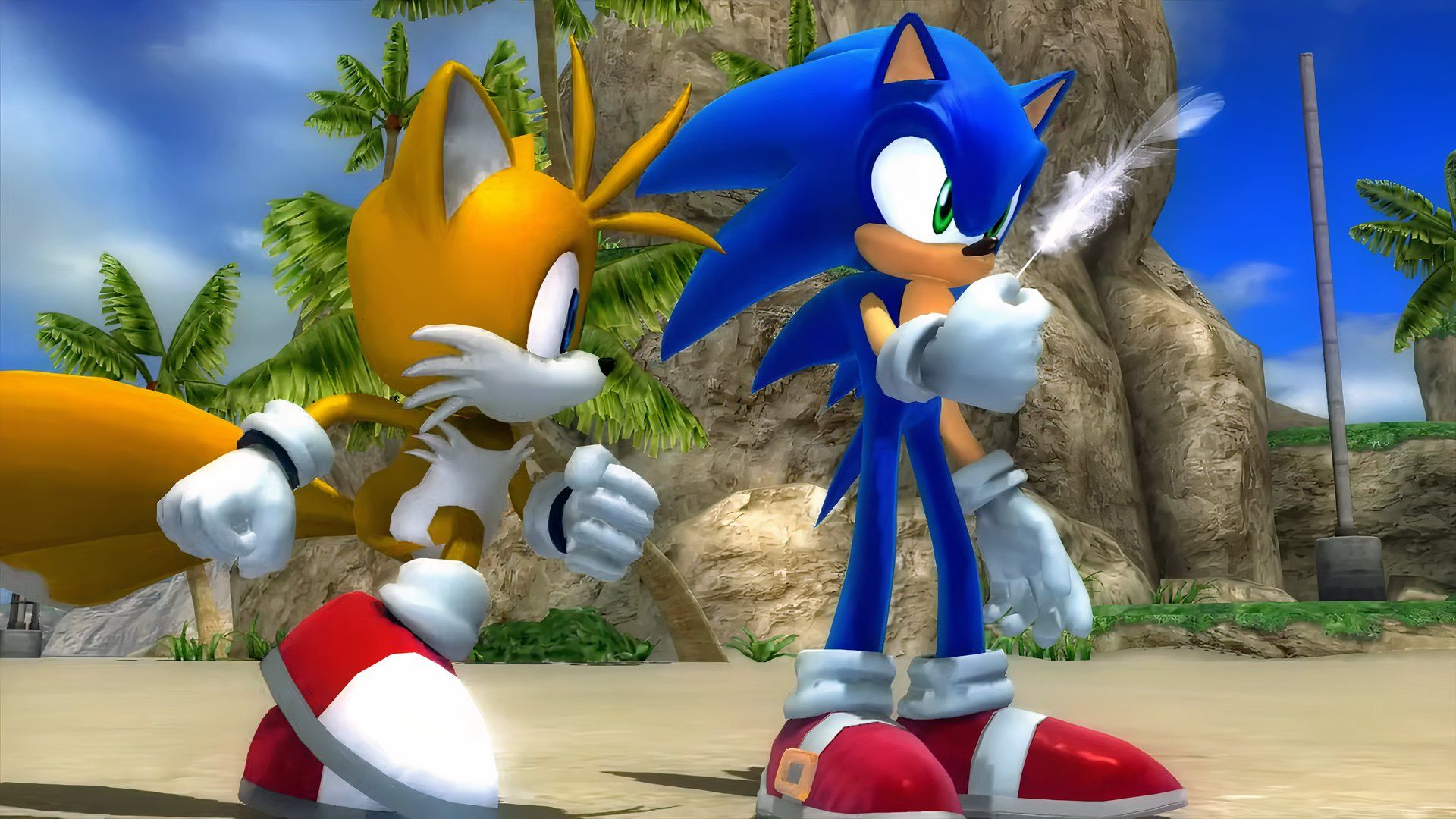
Sonic the Hedgehog is SEGA’s most recognizable character, but simply knowing of Sonic doesn’t always translate into people actively playing his games. While many recognize the character, fewer know which of his titles are good and worth checking out today.
A Strong Foundation Isn’t Always Enough
SEGA’s problem isn’t the quality of their games – they’ve proven they can make excellent titles in various genres, even if some appeal to a smaller audience. The real challenge lies in how those games are presented, how easy they are to find and purchase, and whether players feel confident in them before release.
Simply making better games won’t solve this issue. The company needs to focus on releasing titles reliably and building a consistent, long-term player experience.
As a big SEGA fan, I think they’ve got so much potential right now – amazing franchises and a lot of talent. But honestly, it feels like they’re struggling to really make everything click. Until they can figure that out, I worry even their best new games won’t quite live up to what they could be, which is a real shame.
Read More
- United Airlines can now kick passengers off flights and ban them for not using headphones
- Solo Leveling’s New Manhwa Chapter Revives a Forgotten LGBTQ Story After 2 Years
- The Boys Season 5 Spoilers: Every Major Character Death If the Show Follows the Comics
- Grok’s ‘Ask’ feature no longer free as X moves it behind paywall
- ‘Timur’ Trailer Sees Martial Arts Action Collide With a Real-Life War Rescue
- How to Get to the Undercoast in Esoteric Ebb
- TikToker’s viral search for soulmate “Mike” takes brutal turn after his wife responds
- Invincible Season 4 Episode 6 Release Date, Time, Where to Watch
- All Itzaland Animal Locations in Infinity Nikki
- Nintendo Officially Rewrites Princess Peach After 41 Years
2026-03-23 19:10