What to know:
- The Federal Reserve left its benchmark fed funds rate range unchanged at 3.50%-3.75% for a fourth consecutive meeting as it weighs persistent inflation against slowing growth.
- There were four dissents from the decision, with three hawkish members preferring that the Fed remove any easing bias from its guidance. One member wanted to trim rates 25 basis points.
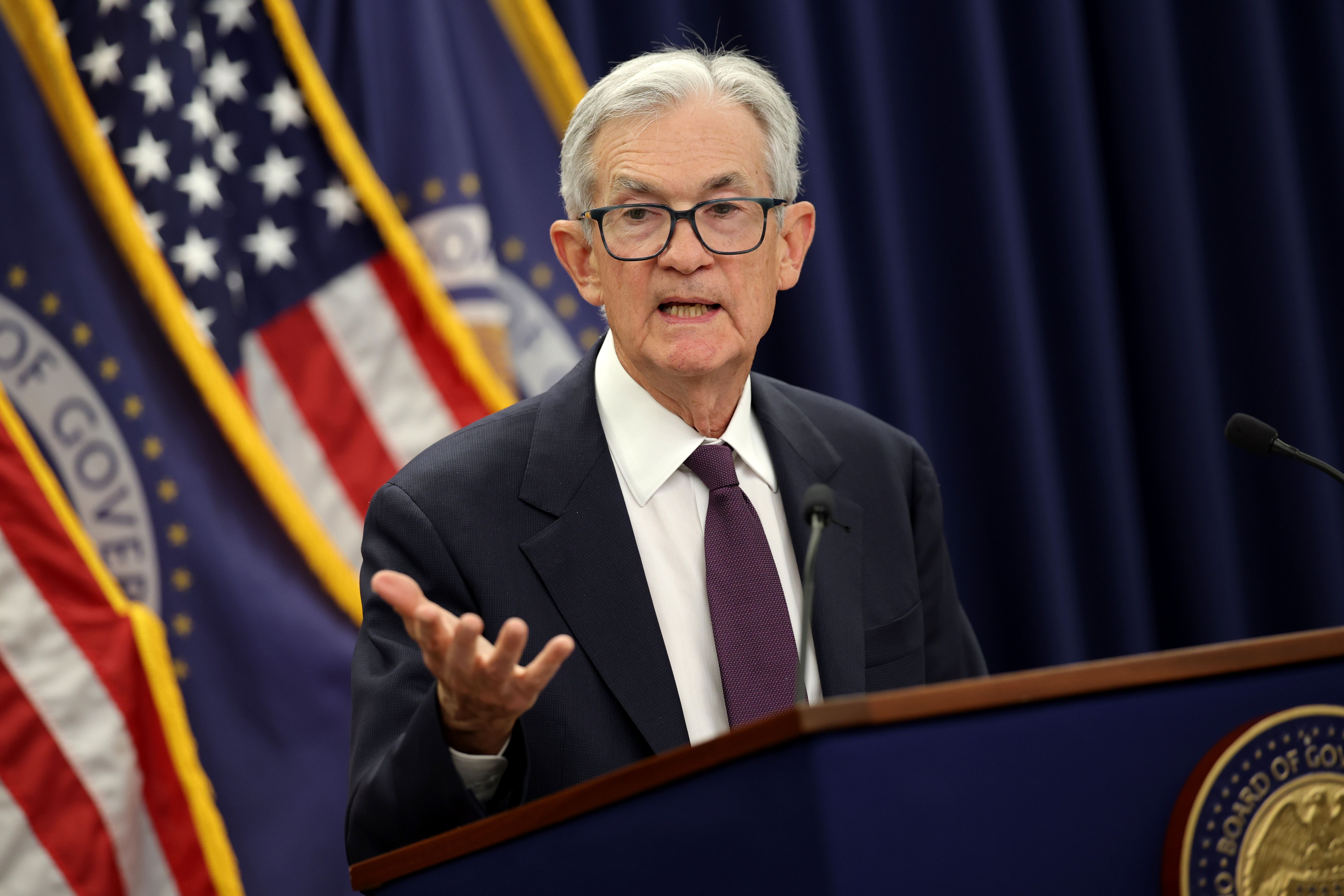
- Likely presiding over his final meeting, Chairman Jerome Powell is expected to use his post-meeting press conference to signal how inflation risks may affect the timing of potential rate cuts (or hikes) later this year.
The U.S. Federal Reserve kept interest rates unchanged on Wednesday, remaining in the 3.50%-3.75% range. This was widely anticipated by experts. It’s the fourth meeting in a row where rates haven’t changed, as officials balance ongoing concerns about inflation with signs that the economy is starting to slow down.
The Federal Reserve announced it will closely monitor economic data, future expectations, and potential risks as it decides whether to raise, lower, or maintain its target interest rate.
Four policymakers disagreed with the interest rate decision. Stephen Mirran thought rates should be lowered slightly, while Beth Hammack, Neel Kashkari, and Lorie Logan believed rates should remain unchanged and signaled they didn’t anticipate future cuts.
Bitcoin saw a slight dip in price over the last day, falling around 0.5% to trade just under $76,000. U.S. stocks also experienced small losses, with the Nasdaq dropping 0.35%.
As I see it, today’s central bank meeting is particularly noteworthy as it’s likely Jerome Powell’s last as chairman, with his term ending on May 15th. The Senate Banking Committee just approved Kevin Warsh as his replacement, so a smooth transition seems to be in the works. However, the fact that three committee members dissented with a hawkish stance suggests Warsh might face some challenges in implementing rate cuts, even if that’s his preference.
Now, all eyes will be on Federal Reserve Chair Powell’s comments after the meeting, as investors try to understand what the central bank plans to do with interest rates and other economic policies.
Oil prices, which dropped earlier this month when a peaceful resolution between the U.S. and Iran seemed possible, have now risen again, almost reaching their highest levels since the war. West Texas Intermediate (WTI) crude oil is currently trading just below $105 a barrel.
When energy prices go up, it directly impacts overall inflation. However, it can also make the economy slow down. This creates a tough situation for the Federal Reserve: should it focus on controlling prices, or supporting economic growth?
Read More
- Netflix’s Little House On The Prairie Reboot: Release Date, Cast & Everything We Know
- Off Campus Season 1 Soundtrack Guide
- Silver Rate Forecast
- Prime Video’s New R-Rated Spy Thriller Is Officially No.1 On Streaming Despite Poor Reviews
- Gold Rate Forecast
- Brent Oil Forecast
- EUR ZAR PREDICTION
- 币安人生 PREDICTION. 币安人生 cryptocurrency
- EUR USD PREDICTION
- KPop Demon Hunters Meets Avatar: The Last Airbender In Netflix’s 3-Part Fantasy Series
2026-04-29 21:13