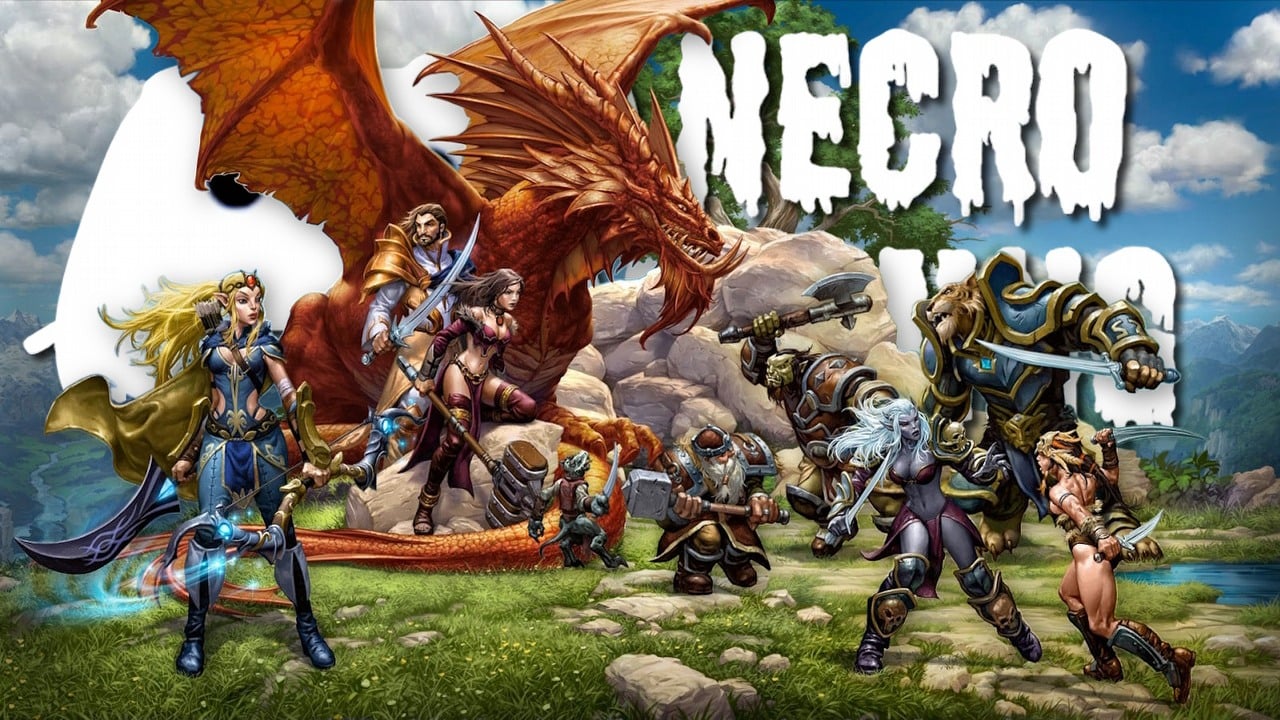
The video game market is massive, but very few MMORPGs have a chance of competing with World of Warcraft, or even finding their own audience while it remains so popular. The EverQuest franchise was once among those few, largely thanks to its dedicated fanbase built since 1999. The planned third game, EverQuest Next, was expected to be the highlight of the entire series.
The planned continuation of the series unfortunately never materialized, leaving fans to revisit and enjoy the existing games. Thankfully, the developers continued to support those earlier installments. Let’s take a look back at what the creators originally intended and how this project ultimately unfolded.
A vibrant, open world
EverQuest Next aimed to recapture the magic of the original EverQuest games while significantly updating the experience. Players were intended to revisit the world of Norrath with a fresh, modernized feel.
The game’s story would progress through quests, but you wouldn’t see obvious markers pointing you to them. Instead, tasks were meant to appear more organically as you played. For example, you might come across a village under attack by orcs while exploring, and you’d be free to choose whether to help the villagers, side with the orcs, or simply walk away.
In addition to everything else, we envision hosting “Rallying Calls” – large community events that could span weeks or months. These would involve collaborative activities like city building or large-scale battles.
Important decisions
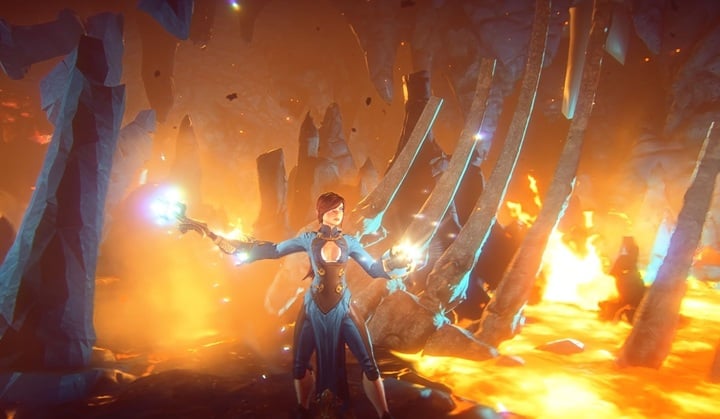
As a longtime fan, I’m getting chills thinking about how much impact we, as players, actually have! It’s not just about our own character’s story; the choices we make will genuinely determine the fate of Norrath. I mean, cities can actually fall based on what we do, and new rulers can rise to power. Even how the NPCs react to us – whether they’re friendly or completely despise us – will depend on our past actions. It’s incredibly immersive and makes every decision feel weighty!
The opposing forces were also planned to have intelligent AI, and the game was moving away from enemies appearing randomly. Instead, they would move across the map in a more believable and strategic way.
The game aimed to mix action and discovery with fast-paced, arcade-style gameplay. Battles would require quick reflexes, but also strategic use of each character’s unique abilities. Reaching certain areas would involve platforming sections, and characters would improve by developing specific skills.
Impressive technology
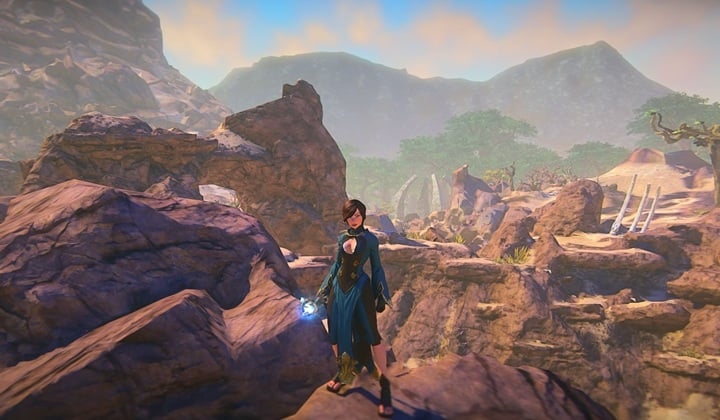
The most exciting part of EverQuest Next was its innovative technology. The game was planned to use voxels for its graphics, which would have allowed players to significantly alter the environment. Players could destroy buildings, objects, and vegetation, not just for the visual spectacle, but to create new strategic possibilities – like demolishing bridges to hinder enemies or causing avalanches. Additionally, the game would have let players dig underground directly, eliminating the need to search for hidden tunnels.
Chronicle of a downfall
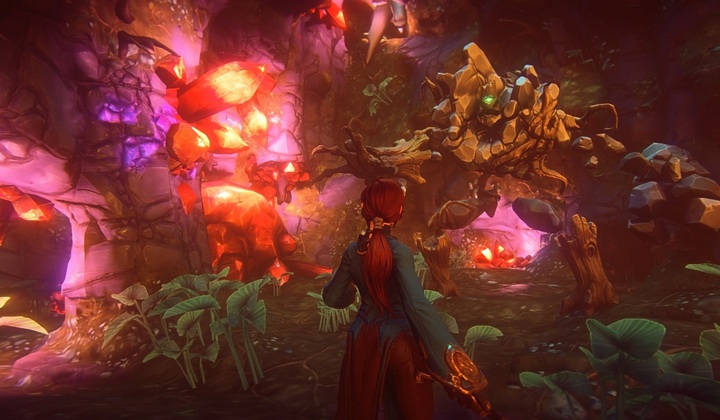
It all seems a bit unbelievable, and honestly, it was. The game was first announced in 2010, but Sony Online Entertainment didn’t show off the cards until three years later. Things appeared to be progressing well – the developers even began discussing a version for the PlayStation 4. In March 2014, we also found out that Jeremy Soule, famous for his work on The Elder Scrolls soundtracks, would be creating the music for EverQuest Next.
Despite initially prioritizing EverQuest Next in 2015 – after Daybreak Entertainment rebranded from Sony Interactive Entertainment – the studio announced in March 2016 that development was halted because the game wasn’t shaping up as they’d hoped.
Despite everything, the EverQuest franchise has continued to thrive, thanks to Daybreak Entertainment consistently releasing new downloadable content for the original two games, and they still do so today.
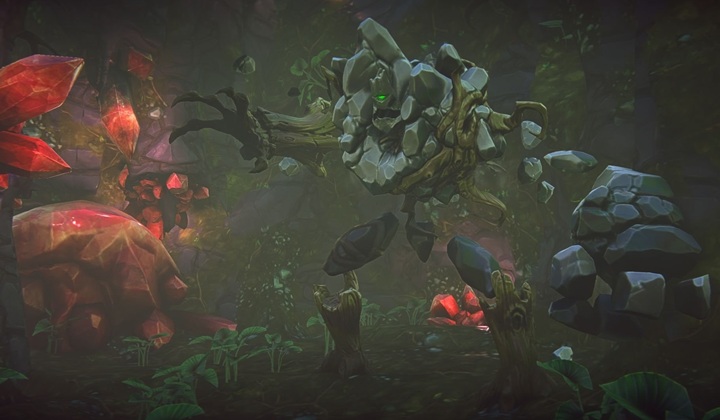
Landmark
Interestingly, EverQuest Next spawned a spin-off game called EverQuest Next Landmark, which was later simplified to just Landmark in 2014. This game was similar to Minecraft, letting players explore, collect resources, and build structures.
This game began as a way to test the technology for EverQuest Next, but it grew into a separate game on its own. It was released on PC on June 10, 2016, though it didn’t become as popular as Minecraft. Ultimately, the servers were shut down on February 21, 2017.
Read More
- United Airlines can now kick passengers off flights and ban them for not using headphones
- Crimson Desert: Disconnected Truth Puzzle Guide
- All 9 Coalition Heroes In Invincible Season 4 & Their Powers
- Mewgenics vinyl limited editions now available to pre-order
- Assassin’s Creed Shadows will get upgraded PSSR support on PS5 Pro with Title Update 1.1.9 launching April 7
- Viral Letterboxd keychain lets cinephiles show off their favorite movies on the go
- Grey’s Anatomy Season 23 Confirmed for 2026-2027 Broadcast Season
- How to Get to the Undercoast in Esoteric Ebb
- Does Mark survive Invincible vs Conquest 2? Comics reveal fate after S4E5
- All Golden Ball Locations in Yakuza Kiwami 3 & Dark Ties
2025-12-14 11:04