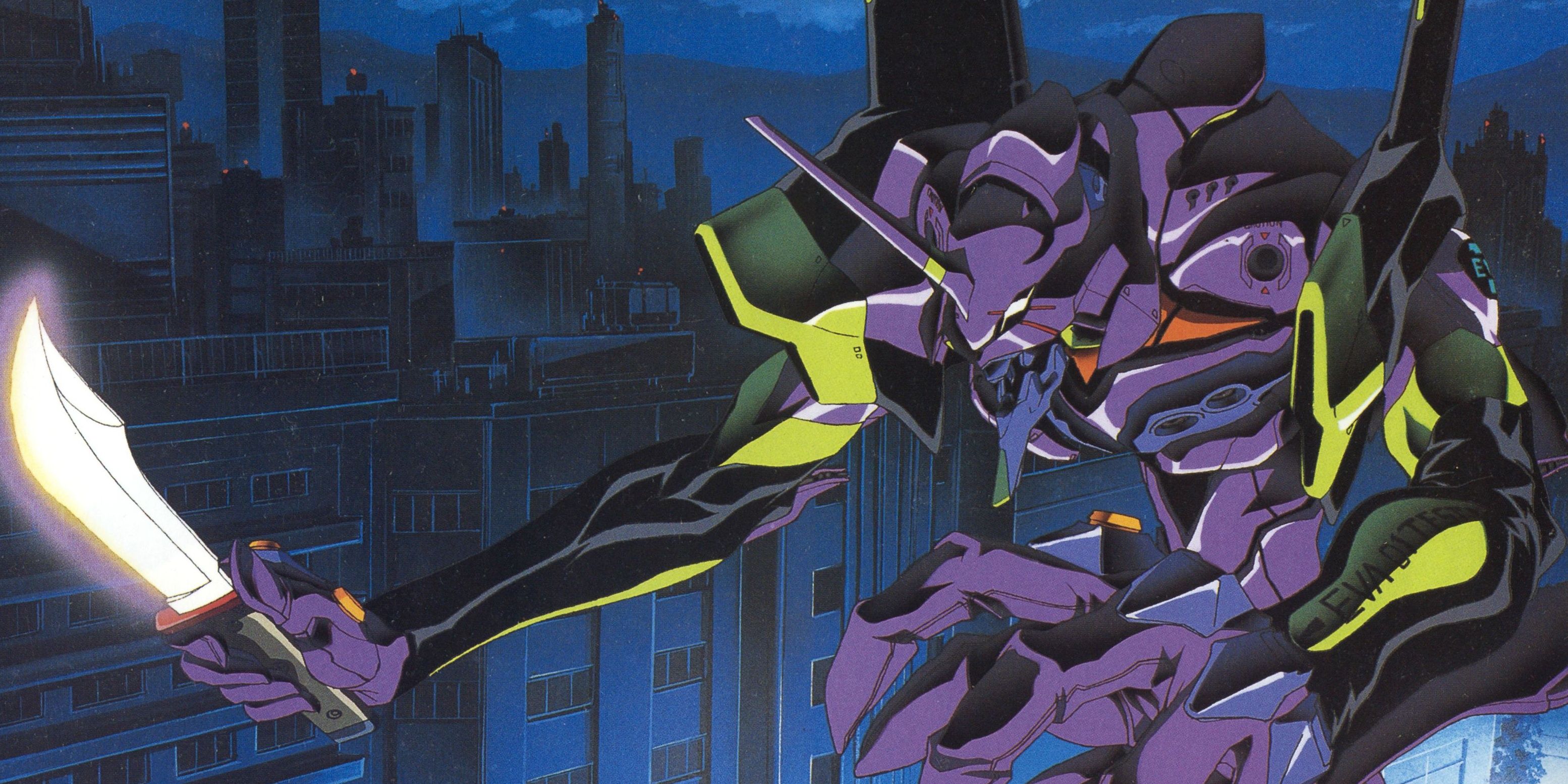
Anime used to be a relatively obscure interest in Western countries, but now it’s a huge, globally popular industry. There are more anime shows available today than ever before. Despite this wealth of fantastic, modern series, many fans still consider the anime of the 1990s to be its peak.
The 1990s brought us many incredible anime series, and many of those classics are still beloved today. However, no anime from that decade is as important or continues to have as much influence as Neon Genesis Evangelion. This groundbreaking series truly revolutionized the anime landscape and is a major reason why ‘90s anime remains so highly regarded by fans.
Neon Genesis Evangelion Challenges Everything About Mecha Anime
Mecha anime was hugely popular throughout the 20th century, with many epic and often dark stories of robot battles continuing to draw audiences in the 1990s. But Hideaki Anno, the creator of Evangelion, wanted to do something different. He used the familiar elements of the mecha genre to create a deeply personal and experimental story about what it means to be human, all set during a desperate fight for survival after a global catastrophe.
I’m completely fascinated by Neon Genesis Evangelion! The story takes place in this futuristic city called Tokyo-3, fifteen years after a massive disaster almost wiped out humanity – it’s called the Second Impact. Basically, Tokyo-3 is the last line of defense against these mysterious beings called Angels. The crazy thing is, only a few teenagers can actually pilot the giant robots – the Evangelions – that are built to fight them. We follow Shinji Ikari, a really shy and insecure kid who just happens to be the son of the guy running the whole operation, Gendo Ikari. He gets thrown into this impossible situation, and it’s just… incredible.
At first, Evangelion seems like a typical mecha anime. The early episodes center around Shinji and the other pilots as they fight Angels, deal with the challenges of school and relationships, and gradually uncover the bigger picture of what’s happening. But even from the beginning, the show hints at what makes Evangelion so unique and memorable – a deep dive into the pilots’ troubled minds and the psychological trauma they experience.
Throughout its 26 episodes, Evangelion becomes increasingly unsettling and thought-provoking, with the characters’ internal struggles taking center stage. This leads to a famously divisive finale, where the last two episodes become completely surreal and reflect the growing chaos within the show’s world. Though still debated by many, the ending is widely praised for its unique and powerful way of bringing the series’ central ideas to a dramatic and emotionally resonant conclusion.
Evangelion’s Impact Spread Through ‘90s Anime & Beyond
Many anime fans look back on the 1990s as a golden age, and for good reason – shows like Cowboy Bebop and Sailor Moon that are still beloved today originated then. However, the decade wasn’t easy for the anime industry as a whole. The early ‘90s saw a dip in creative output, coinciding with a slowdown in the Japanese economy after the economic boom of the 1980s. Hideaki Anno, the creator of Evangelion, understood the need to bring fresh life into the industry.
When creating Evangelion, Hideaki Anno took inspiration from classic mecha anime like Space Battleship Yamato and Space Runaway Ideon. However, his goal wasn’t simply to create another space-based robot story. This ambition to make something truly unique and relatable worked – Evangelion quickly became a huge cultural hit, sparking passionate discussions among fans when it first aired and remaining a landmark series to this day.
Evangelion was a major turning point for the anime industry, breathing new life into it. It revolutionized mecha anime by focusing on characters’ emotions and taking creative risks, which many shows tried to imitate afterward. More broadly, Evangelion raised the standard for quality and artistry in anime, proving its potential for powerful storytelling and encouraging future creators to be innovative and push technological boundaries instead of relying on familiar tropes.
Many anime shows that are now considered classics, like Serial Experiments Lain, Gurren Lagann, and Revolutionary Girl Utena, were clearly inspired by Evangelion. Because it aired as anime was gaining popularity in the West, Evangelion also helped to spread the medium’s reach around the world.
The Story of Evangelion Doesn’t End With the ‘90s
The original Neon Genesis Evangelion anime, which debuted in 1995, is now considered a classic of the ’90s. Unlike many other anime series from that era, Evangelion grew into a long-lasting franchise that continues to thrive decades later. Its success isn’t just reflected in its popularity and cultural impact, but also in the continued production of merchandise and its enduring legacy.
Following the divisive ending of the initial Evangelion anime series, Studio Gainax produced two films. The first, Death & Rebirth, largely rehashed the original story. The second, The End of Evangelion, offered a fresh take on the series’ controversial climax and is now considered a brilliant addition to the overall narrative. However, even this new ending didn’t fully represent Hideaki Anno’s final intentions for the story.
The 2000s saw a fresh start for Neon Genesis Evangelion. To revitalize the series, creator Hideaki Anno began work on a series of four films, the first of which came out in 2007. However, making these new films—known as the Rebuilds—took much longer than planned. Fans finally got a new conclusion to Evangelion in 2021 with the release of the fourth Rebuild movie, and the emotional payoff was well worth the long wait.
Evangelion is a landmark anime series that first aired over thirty years ago and continues to be incredibly important. It’s a defining work of the 1990s anime boom, and with new projects on the horizon, it seems poised to remain influential for many years to come.
Read More
- United Airlines can now kick passengers off flights and ban them for not using headphones
- Crimson Desert: Disconnected Truth Puzzle Guide
- How to Get to the Undercoast in Esoteric Ebb
- Katanire’s Yae Miko Cosplay: Genshin Impact Masterpiece
- All Golden Ball Locations in Yakuza Kiwami 3 & Dark Ties
- All Itzaland Animal Locations in Infinity Nikki
- Zendaya’s 4 Big 2026 Movies Could Beat Brie Larson’s Box 2019 Office Record
- Gold Rate Forecast
- Man breaks world record by eating at 28 Michelin-star restaurants in 24 hours
- Crimson Desert: All Witch Locations
2026-01-05 20:42