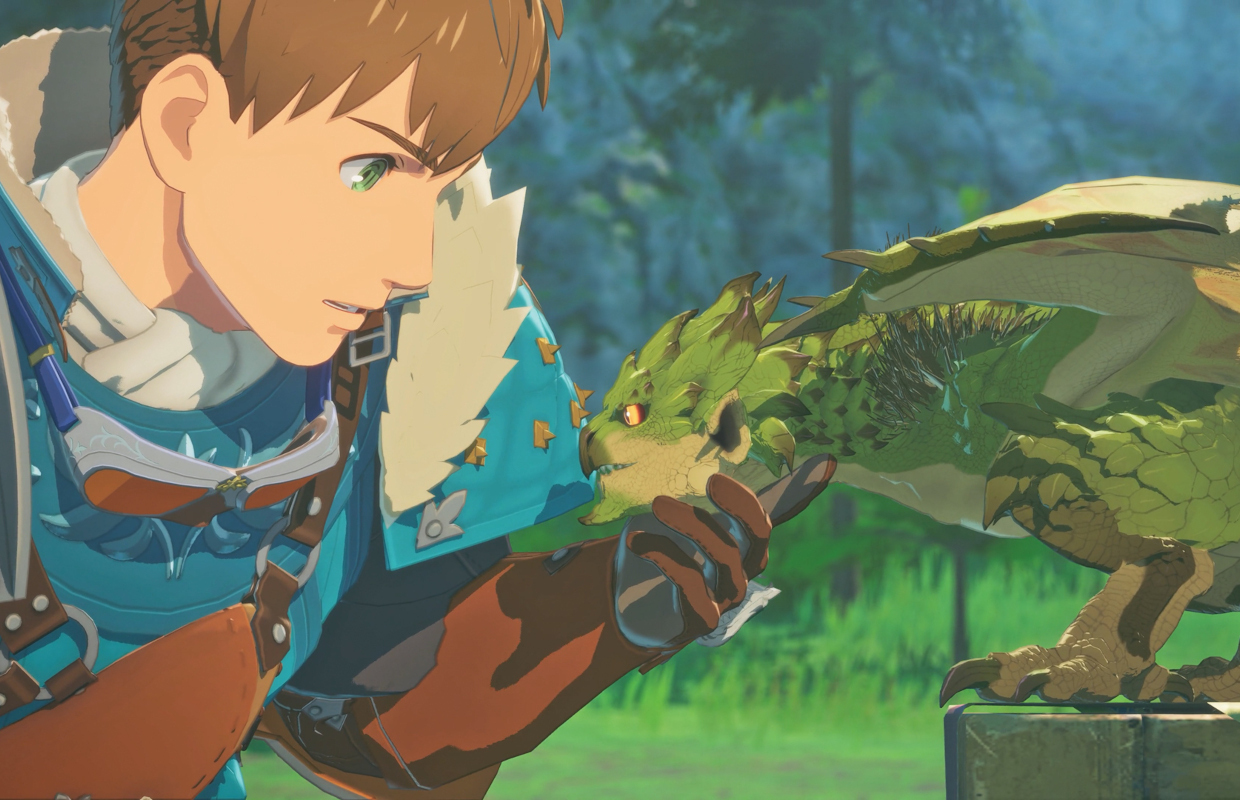
I’ve been playing Monster Hunter Stories 3: Twisted Reflection for a few weeks, thanks to early access from Capcom. I’ve put in about 20 hours so far, and I want to share my thoughts without repeating myself in my full review. Instead of covering everything, I want to focus on what feels like the core message of the game: protecting and preserving wildlife.
Past Monster Hunter Stories games followed a new Rider coming into their own, learning about the world and themselves along the way. Stories 3 takes a different approach. It’s less about personal growth and more about directly protecting the world of Monster Hunter Stories – whether that means fighting off dangers or restoring damaged environments.
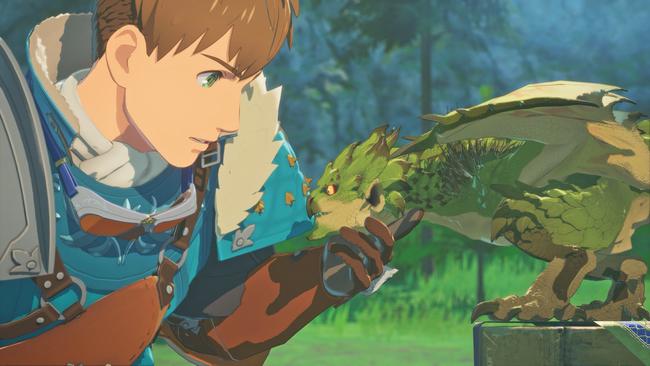
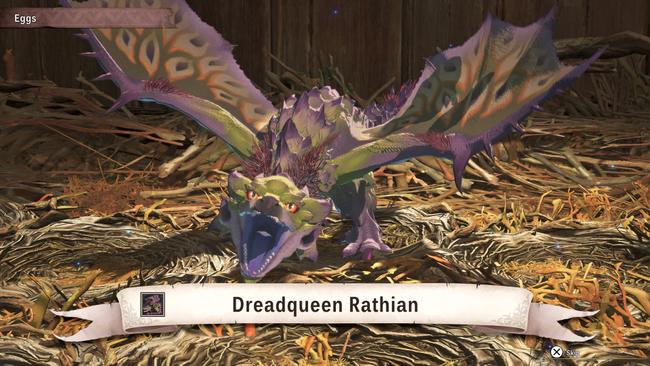
A key part of this system is restoring habitats. Each area of the game is divided into smaller regions, each guarded by a powerful, wild Monster. Defeat these Monsters, and you can establish a base and begin to repair the environment they’ve damaged. Each region has its usual Monster population, but also includes rare Monsters that are close to disappearing. Finding these rare Monsters, such as Rathian, requires tracking down the territory of an Invasive Monster. You can do this by observing local wildlife and paying attention to their nighttime behavior, which will lead you to the rare Monster’s lair.
Okay, so these monster encounters aren’t about straight-up fighting – at least, not yet. I quickly realized these Invasive Monsters are way too strong for me early on, so beating them isn’t even an option until I’m seriously geared up. Instead, it’s all about stealth! I have to sneak around their lairs, really paying attention to everything I find. Clues about how to get rid of them are hidden in the environment, and my companion gives me helpful hints too. Figuring it all out lets me drive these Invasive Monsters away and eventually find a den with a rare Endangered Monster egg – that’s the goal!
When you release Endangered Monsters back into the wild, they can eventually reproduce and create new subspecies. A crucial part of restoring habitats is monitoring the rank of these Monsters – checking the regional journal will tell you when conditions are right for a Monster to spawn a subspecies, variant, or even a more powerful Deviant, as their rank increases.
The higher a Monster’s rank, the more often it appears in the world. Its eggs are also more likely to be high quality, and fully-grown Monsters can have unique genes that affect their abilities and attacks. Even if you don’t want to keep these Monsters, fighting them gives you access to special materials you can’t get anywhere else, letting you craft better equipment.
Monster Hunter Stories 3: Twisted Reflection has a really engaging gameplay cycle that perfectly complements its more realistic and emotional story. You play as a Monster Ranger, not just a rider, and your goal isn’t to instantly become a hero, but to restore balance to a world slowly facing ruin. I’m excited to share more details soon, as Capcom has created something truly special. The game releases on March 13th for Nintendo Switch, PlayStation 5, Xbox Series X|S, and PC (Steam).
Read More
- Off Campus Season 1 Soundtrack Guide
- Chainsaw Man Volume 24’s Cover Art Reveals a Brand-New Denji
- X-Men ’97 Finally Gave Gambit the Hero Moment He Deserved
- 46 Years Later, The Mandalorian & Grogu Answers A Major Empire Strikes Back Question
- 10 Worst End-Game Couples In Sitcom History
- HoI4 fans harsh reactions to the announcement of another DLC pack
- DoorDash responds after customer uses AI to make food look bad and get a refund
- Gold Rate Forecast
- Emily Henry Says to ‘Trust the Vision’ For Beach Read Adaptation
- Katanire’s Yae Miko Cosplay: Genshin Impact Masterpiece
2026-02-12 17:56