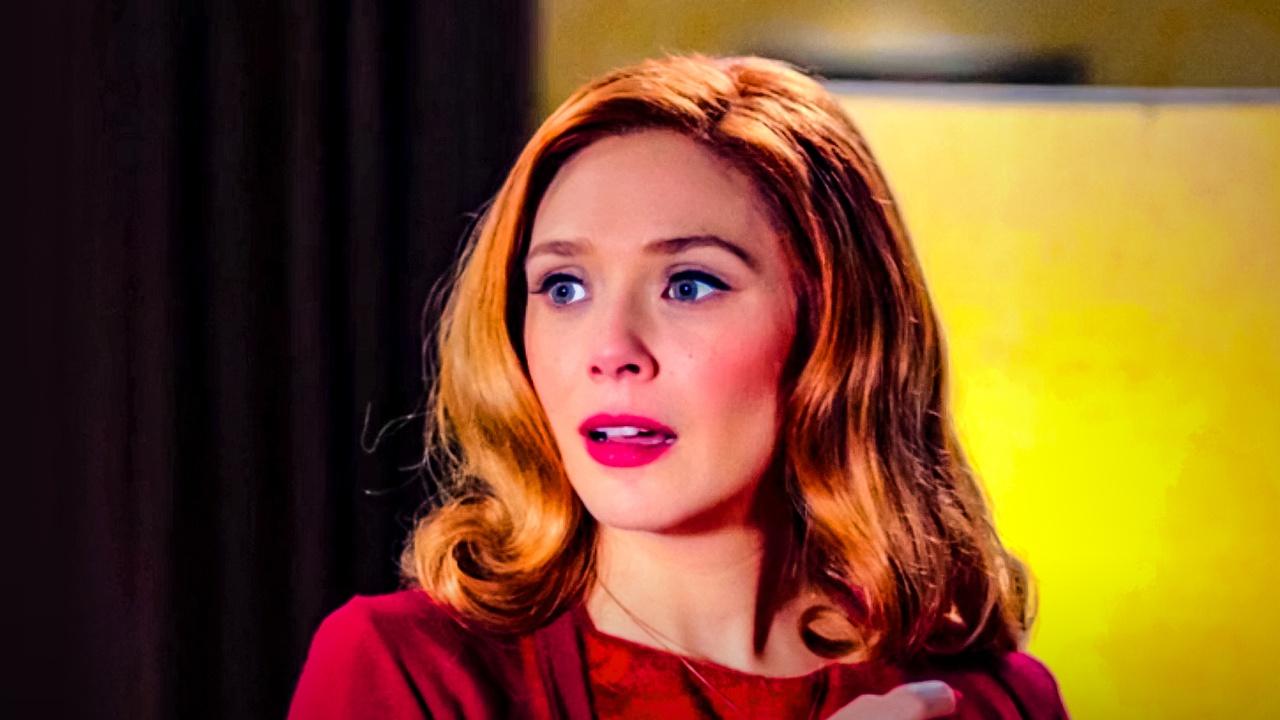
The new Marvel series Wonder Man quickly gained praise for its heartfelt stories and captivating plot after its debut on January 27th, releasing eight episodes all at once. The series follows Simon Williams, an actor hoping to make it big, and his guide, Trevor Slattery. One particular episode stood out, featuring a surprising technique Marvel hasn’t employed in a long time.
Okay, so episode 4 of Wonder Man is seriously different. The director, James Ponsoldt, made the bold choice to shoot the whole thing in black and white, and honestly, it works. It’s way moodier and visually striking than anything else we’ve seen in the series so far, and it immediately pulls you in. It really sets this episode apart, you know?
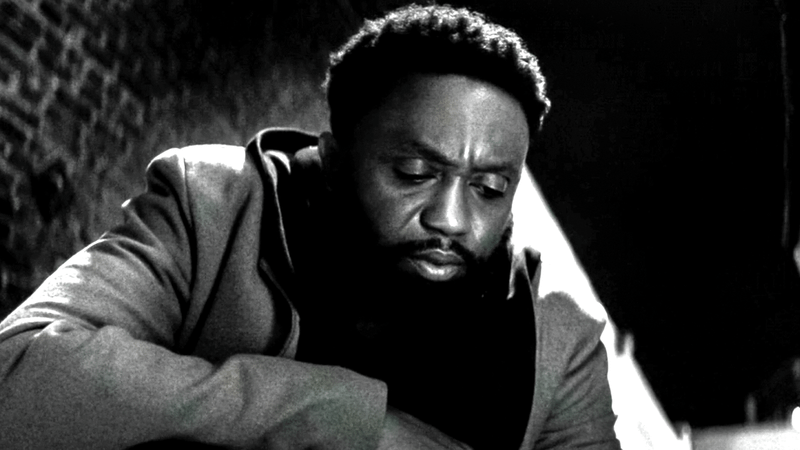
The episode, called “Doorman,” shares the heartbreaking story of DeMarr Davis (played by Byron Bowers), a bouncer who unexpectedly gains the power to teleport people. Using a black-and-white style, Marvel Studios presents the story as a memory, revealing how superheroes were ultimately excluded from Hollywood.
This is the first time Marvel Studios has used black-and-white visuals since the beginning of Phase 4. The last Marvel TV show to do so was WandaVision, which premiered in January 2021 – five years ago.
The Disney+ series WandaVision began with episodes styled like classic black-and-white sitcoms from the 1950s and 60s. This unique visual approach drew viewers into Wanda’s fantastical world, creating a convincing sense of nostalgic television. Marvel Studios went all-in on the idea, filming with a live audience and using camera techniques from that era.
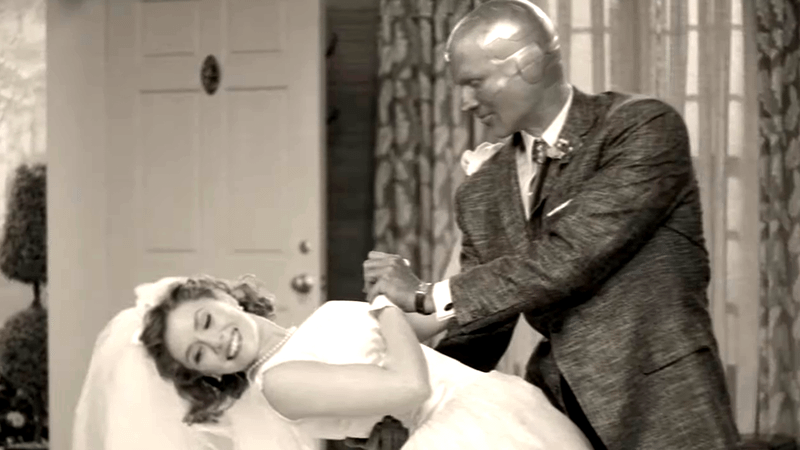
I was completely captivated by how WandaVision played with television history! Over its nine episodes, the show brilliantly jumped between different sitcom styles, starting in the black and white world of the 1950s and then moving through the 60s, 70s, 80s, and even further. It wasn’t just the settings, though – each era felt so authentic, with its own unique way of looking and feeling, and a different kind of humor. It was a really clever way to tell a story.
Honestly, all the clever stuff WandaVision did, nothing hit quite as hard as switching to black and white. From the very beginning, that choice just screamed, ‘This isn’t your typical Marvel show!’ It instantly let the audience know we were in for something different, something unexpected. It was a brilliant way to signal that things weren’t going to play by the usual MCU rules.
Wanda Maximoff’s actions were deeply influenced by her past. Growing up in war-torn Sokovia, she found solace in American sitcoms, watching them on DVD. These shows offered her a vision of the perfect family life she longed for but never had. The simple, black-and-white aesthetic of those early TV programs mirrored her attempt to recreate a sense of comfort and familiarity from her childhood.
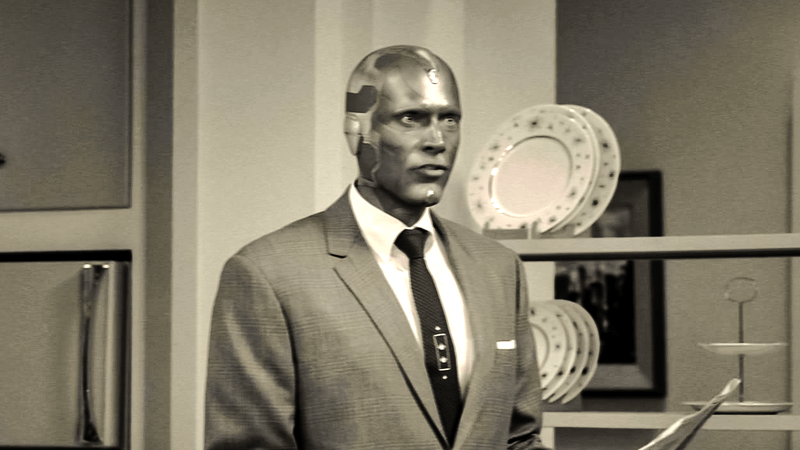
As a big fan of WandaVision, I was so impressed with how real everything felt, even though it jumped across so many different time periods! Director Matt Shakman really made sure of that. I learned the team used an incredible 47 different camera lenses, tweaking modern ones to make them look like they were from the specific era they were filming. They shot the whole thing with these amazing Arri Alexa 4K HDR cameras, and then added lighting and effects to really nail the look and feel of each time period. It was a lot of work, but it totally paid off!
The first two episodes were heavily inspired by classic sitcoms like I Love Lucy, The Dick Van Dyke Show, and Bewitched. For example, the visual effects supervisor, Trent Claus, used a particular shade of blue for Vision’s makeup, drawing on his understanding of cosmetics used in I Love Lucy. These choices helped create a black-and-white world that felt authentically connected to the history of television, rather than just appearing as a stylistic filter.
How Wonder Man Uses WandaVision’s Most Effective TV Trick
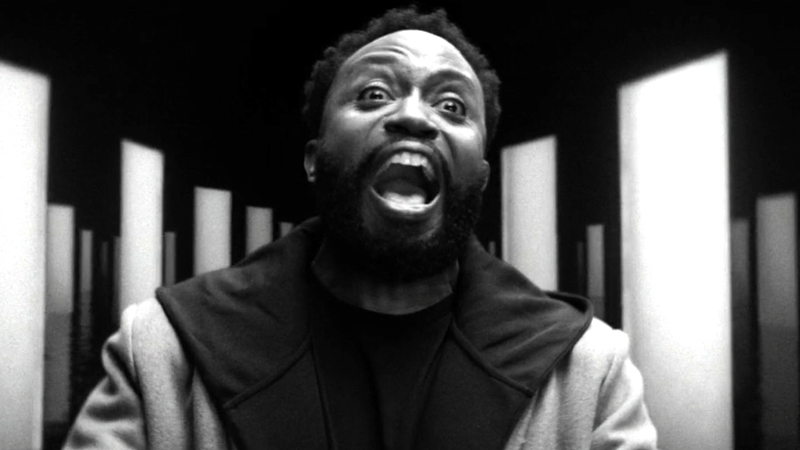
The show Wonder Man uses black-and-white photography to tell its story, much like other productions. In the fourth episode, a flashback reveals the ‘Doorman Clause,’ a made-up rule in Hollywood that prevents people with superpowers from appearing in movies and TV shows.
DeMarr Davis unexpectedly gained the power to create portals after touching strange radioactive waste from a Roxxon dumpster. He became a hero when he rescued people from a nightclub fire, including actor Josh Gad, who then became friends with him. Gad eventually persuaded DeMarr to act in the movie Cash Grab.
The movie was a success, largely due to DeMarr’s brief appearance where his ability to create portals helped the characters escape a locked vault. He instantly became famous, gaining a signature phrase – “Ding Dong” – and appearing on TV shows. But Hollywood quickly typecast him, and his career soon stalled.
Okay, so this is insane! While they were filming Cash Grab 2, DeMarr showed up totally drunk. Then, during a scene where Gad’s character was supposed to go through a portal, he actually vanished – like, disappeared inside DeMarr! They never found him. It was a disaster! Now Damage Control is basically babysitting DeMarr for the rest of his life, and Hollywood created this new rule called the Doorman Clause because of it. It’s wild!
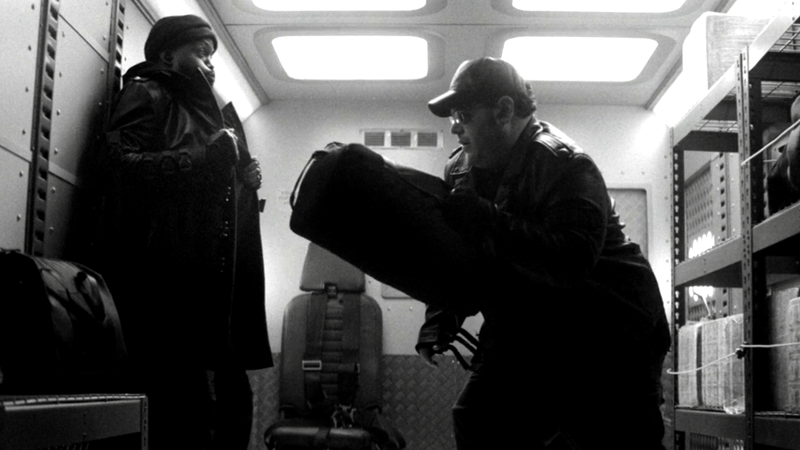
As a big movie and TV fan, I thought the creative choice to shoot that episode of Wonder Man in black and white was really smart. Showrunner Destin Daniel Cretton and director Ponsoldt clearly used it to signal we weren’t watching the main story, but something separate – a flashback, maybe? It reminded me a lot of how WandaVision used black and white to immediately tell us we were inside Wanda’s created world. It’s a clever way to visually distance that part of the story and let us know it’s happening at a different time.
Black-and-white film immediately makes viewers think of the past. We associate it with older movies, classic photos, and historical footage. Marvel Studios uses this connection to quickly show audiences when a story takes place outside of the present-day timeline.
Using monochrome or color also affects how a scene feels. Black and white images often come across as more serious, thoughtful, and distant from everyday life. Color photos, on the other hand, feel more direct and like they’re happening right now. In both WandaVision and Wonder Man, Marvel Studios’ choice to limit color creates a surreal atmosphere that enhances the stories they tell.
Read More
- United Airlines can now kick passengers off flights and ban them for not using headphones
- Solo Leveling’s New Manhwa Chapter Revives a Forgotten LGBTQ Story After 2 Years
- The Boys Season 5 Spoilers: Every Major Character Death If the Show Follows the Comics
- Grok’s ‘Ask’ feature no longer free as X moves it behind paywall
- ‘Timur’ Trailer Sees Martial Arts Action Collide With a Real-Life War Rescue
- How to Get to the Undercoast in Esoteric Ebb
- TikToker’s viral search for soulmate “Mike” takes brutal turn after his wife responds
- Mewgenics vinyl limited editions now available to pre-order
- Nintendo Officially Rewrites Princess Peach After 41 Years
- Invincible Season 4 Episode 6 Release Date, Time, Where to Watch
2026-03-22 00:39