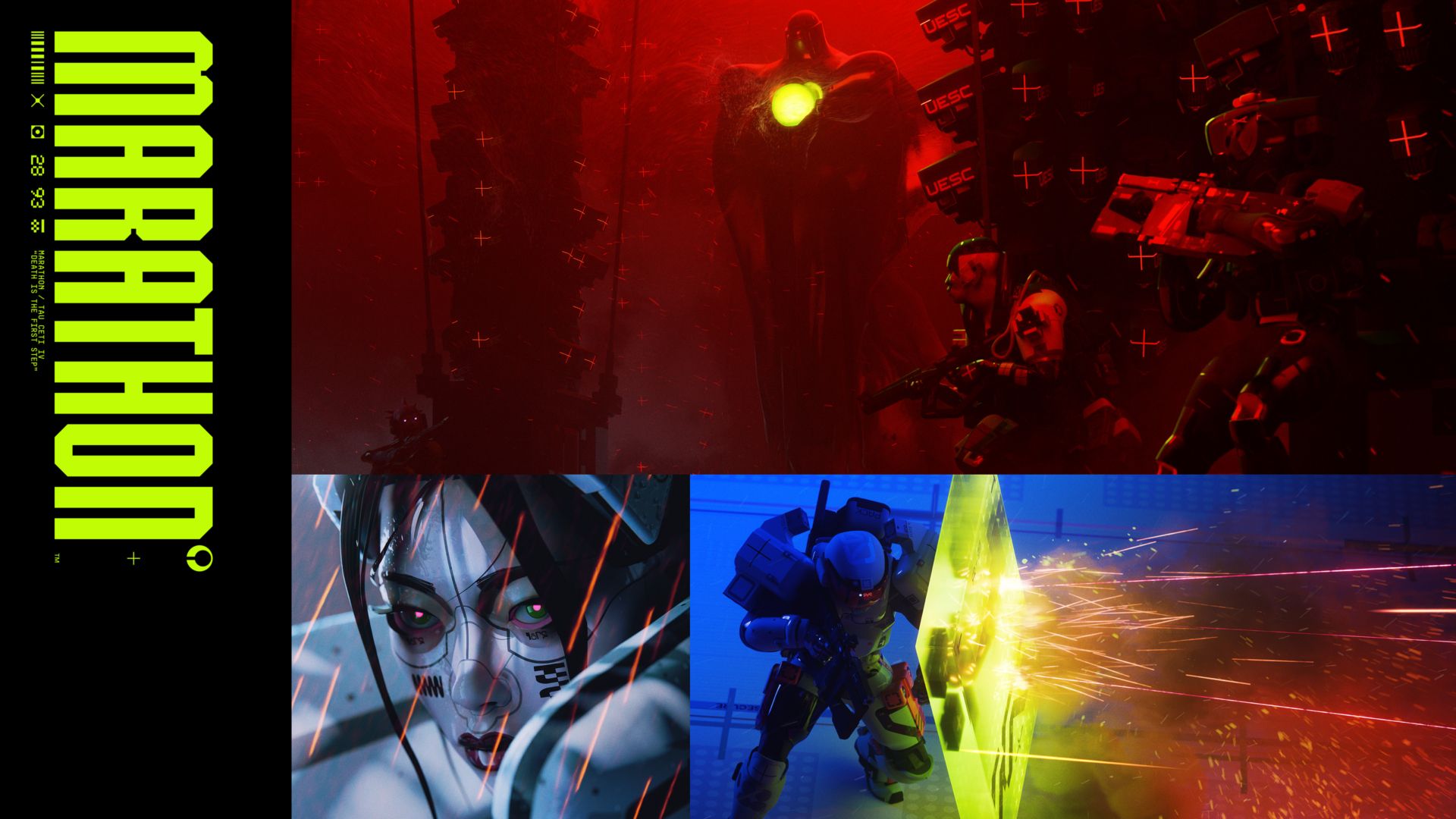
Most people have already heard about or seen something related to the game Marathon. If you haven’t, you might still be unsure what to think. As usual, Bungie did a great job with many aspects of the game, but there’s still room for improvement in a few areas.
I’ve spent around 30 hours playing Marathon since its release, and I’ve really gotten to know the game and what makes extraction shooters fun. There’s a lot to enjoy, including incredible cinematic moments and well-designed environments that feel both familiar and unique.
For those familiar with Bungie’s games, you know they excel at crafting compelling stories, immersive worlds, and fun gameplay. While Marathon presents these elements in a new way, the quality remains excellent. The big question now is whether Bungie has successfully applied their skills to this unfamiliar genre.
What is Marathon?
Marathon is a unique extraction shooter. It blends a futuristic science fiction narrative with intense player-versus-player-versus-environment combat. While games like Hunt Showdown and Escape from Tarkov share some similarities, Marathon offers a distinctly different experience.
Marathon shares similarities with other ‘extraction shooter’ games, but it stands out with meaningful quests that contribute to a larger, engaging story. These quests also give players clear goals during each game session, making it easier for newcomers to understand what they need to do.
Extraction shooters are all about dropping into a map with gear, scavenging for loot by defeating enemies (both computer-controlled and other players), and then successfully escaping with everything you’ve collected. You can start with a pre-made kit or use one provided by sponsors. The main objective is to ‘extract’ or ‘exfil’ from the map while keeping your collected items safe.
Marathon features map events that offer better items, but they can be challenging to finish. The game is fundamentally about building tension and encouraging improvement. While it offers some ways to recover from losing all your gear, it’s still a high-stakes experience where danger is always present.
The World of Tau Ceti IV
Many games similar to Marathon don’t focus much on developing a compelling story. However, Bungie took a different approach with Marathon, creating a story that actively progresses and involves the player. This focus on a dynamic and inclusive narrative is what truly sets Marathon apart from its contemporaries.
Each group in the game has a specific strength – for example, Arachne excels at player-versus-player combat. This focus shapes the stories you experience as you complete their quests. The storytelling is engaging, especially with the impressive cinematic scenes when you first join a group. Each group has a clear purpose, and you’ll eventually learn the reasons behind their actions.
The game has a really compelling world and story, but it can be confusing at times. Like many Bungie games, a lot of the details and lore are hidden and require you to complete specific tasks or find certain items to unlock. It’s an improvement over the original Destiny, but important information isn’t always readily available.
The game does a good job of introducing you to its different groups and making you care about them. The overall story is a little harder to follow, particularly if you’re not familiar with the older Marathon games. However, you can still enjoy the game without having played them first.
A Visually Striking Game
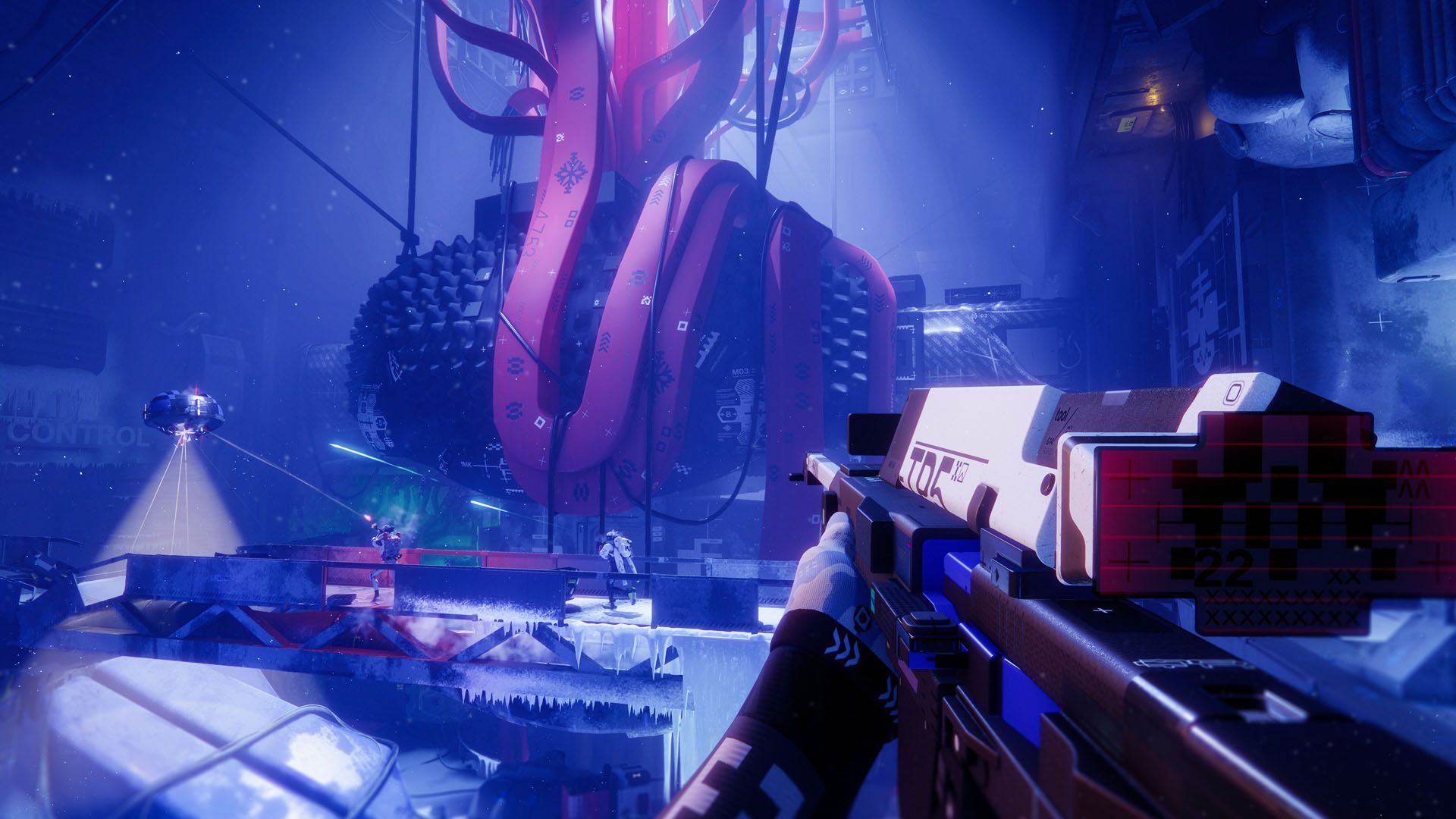
Wow, the graphics in this game are seriously impressive! But, I can see how the art style might not be for everyone. It’s really vibrant and colorful, which I love, but I could understand if someone found it a little intense on the eyes. And that’s totally fine – art is subjective, after all!
I was really impressed with the game’s visuals. The short cinematic scenes for each faction – and even for the Cryo Archive – were both beautiful and stayed with me. Bungie did an amazing job making each faction feel distinct through these introductions, but strong visuals extend beyond just those scenes.
While each map has a unique feel and appearance, they all remain easily recognizable. It’s a rare accomplishment in game design to achieve this balance. For example, Dire Marsh features wide-open, swampy areas between key locations, while Outpost is essentially a single, large area where most of the action takes place indoors.
All the games share a similar level of visual clarity, which makes them feel quite alike – and that’s actually a positive. You won’t have to adjust to a completely different visual style. While the maps aren’t consistently breathtaking, there are definitely moments of impressive scenery, especially when you’re up high on a building.
The Tools That Define You
The game features seven different characters, each with a unique skillset. They each have a standard ability and a powerful ultimate move that determines how they contribute to the team. While experimenting to find your favorite character is useful, your weapon choices will depend on what you find in the game. Weapons are fairly common on the maps, but actually getting them requires some effort.
The weapons in Marathon are satisfying to use, with smooth animations and clear functionality. The core shooting experience is excellent – the issue isn’t how they work, but other aspects of the game not directly tied to using them.
I mainly use the Triage shell because I’m not very good at player-versus-player combat in this game. It lets me help my team without needing to focus on getting kills. It’s a good option for players like me who might struggle in direct combat against more skilled opponents, allowing us to still contribute effectively.
Although helpful, this isn’t always enough to succeed. If you’re not experienced with fast-paced, competitive shooters like Marathon, you’ll likely find yourself dying frequently – that’s just part of the game’s nature. Fortunately, the game includes features to help less experienced players catch up.
Death is Imminent
Expect to fail often. That’s just part of the game. Even skilled players can be defeated by anyone – even weaker opponents or computer-controlled characters. This creates a lot of suspense and means anyone has a chance to win, making every battle unpredictable.
Even if you fail, the game offers several ways to recover your losses by completing quests or playing as the character Rook. This system helps offset the setbacks players typically experience while progressing to more challenging levels. However, this solution isn’t perfect and creates new issues related to other aspects of the game.
The backstory can be a little confusing if you’re not familiar with the older Marathon games. However, you can still appreciate the current story without having played them.
Choosing to play as Rook offers a good chance to collect valuable items, but it’s risky because you’ll be on your own. While this adds pressure, succeeding feels incredibly rewarding, and failing can be tough.
Frequent deaths could be a major problem for this game, especially with a large player base, because it’s unlike many other games. In games like Arc Raiders, dying isn’t a huge setback thanks to features like the safe zone and quick loadout rebuilding. However, in Marathon, dying is more punishing due to the game’s overall difficulty.
Is It Too Difficult?
Many players have wondered how hard it is to reach the final content in Marathon, and now that it’s available, we have a better sense of the skill level required. As someone who’s an average player, I’ve been thinking about this a lot. My conclusion? Marathon isn’t too difficult, but it won’t be easy for everyone.
Marathon doesn’t adjust to your skill level; you have to adapt to its demands. If you struggle, you simply need to improve. It embodies the idea of ‘get good’ – which is both a fantastic and frustrating experience. You might think this isn’t unique, as many games – like the Souls series – are similar, but what makes it significant in Marathon?
Marathon is designed for player-versus-player (PvP) matches, not solo play. You’ll often face skilled opponents, and winning requires strategy and skill. This competitive aspect makes the game exciting, particularly when you’re using powerful weapons and equipment, as the risks and rewards are substantial.
Most of the computer-controlled characters aren’t very challenging, but it’s easy to get caught off guard if you’re not paying attention. They mainly serve as easy targets and a way to draw other players to where you are. You can sometimes use them strategically to distract enemies or scout ahead, but generally, they’re just there to be defeated.
I felt like the enemy design was a bit underdeveloped. While they got tougher or had better defenses, they didn’t really offer much beyond that. A few could turn invisible or use shields, but only the main boss, the Warden, felt like it had a truly distinct fighting style.
The Economics of a Progression
Early in the game, the economy can be discouraging. While you can buy supplies at the Amory, things get expensive fast. You can also trade materials for items, but you’ll need to find those materials during each run and survive to make the trade.
The game can feel overwhelming at the start, and it seems like getting basic equipment costs too much. However, it becomes much more manageable as you progress. Once you unlock upgrades through the factions, you’ll find it’s usually possible to put together a good loadout.
It appears the game is designed this way to let you concentrate on tougher challenges as you improve. However, a few issues pop up when you reach an intermediate skill level. If you don’t consistently perform well, you’ll struggle to advance, which feels odd considering the game emphasizes frequent failure.
The game’s design starts to feel inconsistent here. Dying is already a penalty, but it also slows down your progress and ability to unlock improvements. While some players might not mind this, many will find it frustrating and it’s become a sensitive topic for the game’s community.
Players who prefer a more relaxed experience will find the game progresses much slower. This isn’t inherently negative, but it could discourage new or less experienced players if they struggle to understand how the game works. While the pace feels good for average players, it might be frustrating for those who are just starting out or aren’t as skilled.
The Missing Quality of Life
The game is fun and well-designed, but it’s missing some helpful features that would make the experience even better. These aren’t major problems, and you can work around them, but they become noticeable the longer you play. They don’t ruin the game, but adding them would significantly improve it.
It’s frustrating that the game doesn’t show you which enemy attacks killed you, and it also gives very little information about your performance after you die. This, along with not being able to mark specific items you need when browsing the shop and the inability to select multiple items at once, became quite annoying after playing for a while.
These aren’t essential features, and could be added later, but it’s a bit strange they haven’t been included yet. Tracking kill/death ratios isn’t crucial, but stats showing how much loot you extract and your most effective weapons could be really helpful for improving your gameplay.
Personally, I think the matchmaking could be improved. I often found myself playing with teammates who had sponsored gear, meaning they weren’t risking as much as I was with my own customized loadout. While they were right to play more aggressively, it just felt unfair to consistently have mismatched stakes in the match. It happened often enough that it became frustrating, and I think it’s something that could be easily fixed.
The Floating Death Fridge That is Cryo Archive
Cryo Archive borrows challenging elements from Destiny raids and packs them into one map with a lot on the line. While it has a few problems, Bungie is actively working to improve it based on player feedback and is open to trying new solutions.
This is the most challenging part of the game, something most players won’t reach. It truly showcases what makes Marathon special – the thrill of encountering other teams and the excitement of trying to get a specific item from a vault. It can be very rewarding, but also carries a high risk of failure.
As a runner, I’ve learned marathons don’t care about where you are starting from. They demand you push yourself to their standard, and honestly, if you can’t quite reach it, the only option is to train harder and try again. It’s not forgiving, but it’s incredibly rewarding when you finally meet the challenge.
I’ve been trying Cryo Archive a bunch of times now, and honestly, I keep getting wrecked – but it doesn’t even bother me! That level is seriously amazing. It really lets the game shine, turning it into this wild, chaotic fight where everyone’s got their best stuff. It’s a fantastic way to push your skills, though it’s definitely not for the faint of heart.
This perfectly sums up the game’s strengths and weaknesses. Skilled players will love it, while those who struggle might find it enjoyable to attempt occasionally, but probably won’t play it repeatedly. With Cryo Archive only available on weekends, there’s no pressure for less experienced players to jump in right away.
The Cryo Archive skill check really showed me that Marathon is a game you should play at your own speed. I wasn’t skilled enough to complete it right now, and that’s perfectly fine – I might be able to tackle it later. Even if I can’t finish it completely, Cryo Archive is a fun and engaging addition to the game, and I expect we’ll see more challenges like it in the future.
Closing Comments
Marathon is currently the best extraction shooter available. It excels in both its shooting mechanics and how it unfolds its story, offering a lot to enjoy. While some minor improvements to the user interface and overall convenience would be welcome, the game clearly demonstrates Bungie’s talent for creating high-quality experiences. The main challenge will be attracting and retaining players who aren’t already fans of hardcore games, but with Bungie’s ongoing development, the future looks bright for this incredibly fun shooter.
Read More
- United Airlines can now kick passengers off flights and ban them for not using headphones
- Solo Leveling’s New Manhwa Chapter Revives a Forgotten LGBTQ Story After 2 Years
- The Boys Season 5 Spoilers: Every Major Character Death If the Show Follows the Comics
- Grok’s ‘Ask’ feature no longer free as X moves it behind paywall
- ‘Timur’ Trailer Sees Martial Arts Action Collide With a Real-Life War Rescue
- TikToker’s viral search for soulmate “Mike” takes brutal turn after his wife responds
- How to Get to the Undercoast in Esoteric Ebb
- Invincible Season 4 Episode 6 Release Date, Time, Where to Watch
- All Itzaland Animal Locations in Infinity Nikki
- Nintendo Officially Rewrites Princess Peach After 41 Years
2026-03-23 16:12