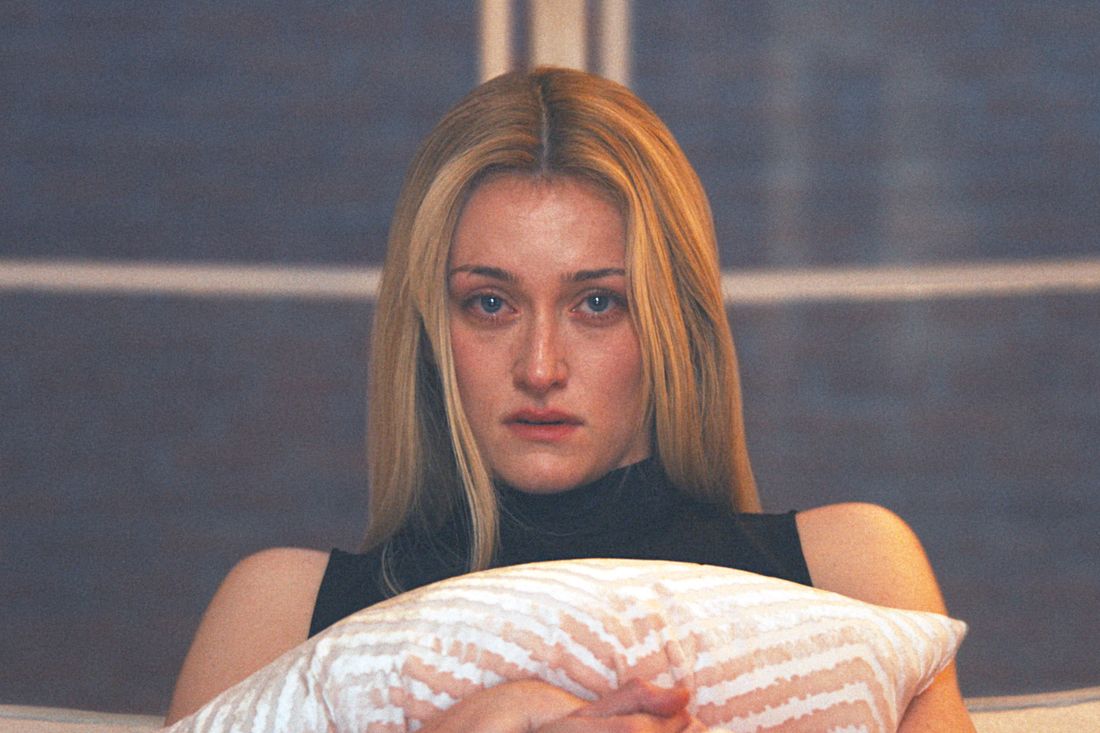
The latest episode of Love Story finally delivers a realistic and intense argument between the characters, bringing long-held frustrations to the surface. Both Paul Anthony Kelly and Sarah Pidgeon give strong performances, fully embracing the emotional weight of their roles. By focusing on the complicated feelings between John and Carolyn, and moving away from simply showcasing aesthetics, ‘Exit Strategy’ is a genuinely compelling episode. It almost earned a higher rating, but knowing it’s the second-to-last episode held it back slightly.
As a film and TV lover, it really bothers me when a show deliberately tugs at your heartstrings only to kill off characters right after you’ve connected with them. We all know Love Story is heading towards tragedy – the opening scene with the plane makes that clear – but the way it uses character flaws right before their deaths feels manipulative and, frankly, a little lazy. The season finale, with Carolyn left sobbing alone, felt less like a genuine exploration of their relationship and more like a calculated attempt to shock us. It left me feeling like their connection was defined by messiness, not love. And honestly, we have no real insight into what their relationship was actually like. That’s what the show should have focused on! Instead, it leaned into a cheap, sensationalized version of tragedy – it felt like watching a tabloid, which is ironic considering what it seemed to be trying to critique. I wanted to see their full, complicated humanity throughout the whole season, not just a setup for a predictable, heartbreaking end. It felt like we were watching puppets, not people.
The episode opens with Carolyn posed listlessly, smoking and appearing trapped. When John returns from a disappointing party – they dismiss the location, Midtown, as the reason for its failure – he finds Carolyn upset and offers somewhat distant comfort. A problem in their marriage becomes clear when John confesses he misses how Carolyn used to confidently enter a room. Feeling lost and overwhelmed by her newfound public life, Carolyn has been spending most of her time at home. She doesn’t feel John’s urging to resume their social life comes from genuine concern, but rather from a desire to maintain appearances and quell rumors about their marriage. John admits this is partly true, though he concedes people will likely speculate regardless.
Carolyn tries to convince John they need a getaway to escape the constant attention, but he points out they’re booked solid with commitments from late August through January, including a trip to Hyannis, which Carolyn dismisses as not being a real vacation. She explains the strict, old-fashioned rules at the Kennedy Compound – no daytime TV, yogurt for lunch, or fashion magazines like Vogue. Only serious, intellectual publications are permitted. The author wonders if John’s brother, George, would meet those standards. Carolyn feels unable to relax because she’s constantly worried about making a misstep, as if her every action is being graded. While John finds her description of his family amusing, he fails to realize she’s saying the Kennedys are just another group of people constantly watching and judging her. Her apartment is the only place where she feels safe from scrutiny, which is why she prefers to stay there.
The biggest difference between Carolyn and John is how they view expectations. Carolyn sees strict rules, while John sees unwritten social norms. She believes expectations are often needlessly harsh, while he sees them as simply specific. Essentially, John believes in following these norms, while Carolyn consistently breaks them. Their discussion is cut short when Lauren asks them to turn on the TV. The news reports that Princess Diana has been in a car accident. Carolyn is immediately captivated, watching intently, while John becomes suddenly frustrated and withdraws. The news coverage mirrors their earlier conversation, revealing that Diana’s private vacation was discovered and photographed by the tabloids.
John returned from a run to the news of Diana’s death, which deeply disturbed Carolyn, a member of a powerful American political family who saw a parallel between herself and the princess. She wondered how Diana, despite doing everything expected of her, could still meet such a fate. John switched off the TV, overwhelmed by the thought of the princes learning about their mother’s death – a tragedy already known worldwide. He felt resentful, contrasting their privilege with his own upbringing, noting he simply biked to school. Both Carolyn and I were puzzled by his reaction, and he refused to elaborate, becoming angry when she pressed him. He eventually revealed that he remembered his mother’s grief more vividly than his father’s death, framing grief itself as a form of loss. Carolyn’s subsequent descent into depression reminded him of his own mother. He poignantly asked, “Why couldn’t she play with me?” The writing, at times, feels overly sentimental and dramatic.
A year has passed, and John and Carolyn are still arguing about Carolyn’s tendency to isolate herself. John is recovering from a crash while flying a motorized parachute – which Carolyn playfully calls a “lawn-mower contraption” – but is determined to get the 40 hours of flight time needed for his instrument rating. The show continues to hint at a future plane crash, and adds to the tension by explaining that an instrument rating allows pilots to fly safely in bad weather without being able to see where they’re going. Carolyn, agreeing with Caroline, now wants John to stop flying completely. Their relationship has shifted from lighthearted fun to bitter arguments. Carolyn is particularly upset that John, during a dinner with her friends (another point of contention), suggested she collaborate with a jewelry designer, seemingly unable to grasp the difference between fashion public relations and jewelry design – a sign, in her eyes, that he doesn’t value her career or passions.
Their argument intensifies, with Carolyn claiming John is ashamed she doesn’t have a significant career or hobby. She feels simply being a Kennedy isn’t enough, but John dismisses her concerns as typical Kennedy behavior. Carolyn expresses a need to figure out her own path at her own pace, and privately regrets leaving her previous job. John, predictably, offers an unhelpful comparison to his mother, who reinvented herself as a book publisher later in life. Carolyn rightly points out that Jackie Kennedy pursued that path after becoming a widow, having already navigated life in the public eye. John responds cruelly by suggesting Jackie would have disapproved of their marriage, and Carolyn fires back that her own mother shares that sentiment.
It’s obvious John’s anger stems from projecting his own issues onto others. Like Carolyn, he’s also unsure of what he truly wants in life, but their approaches are different. Carolyn struggles to define herself against what others expect, while John has always tried to meet those expectations. He attempted to become a lawyer, courts public attention, and is even considering running for Senate, which Carolyn believes is driven by duty rather than genuine desire. His frustration comes from failing at everything he’s tried – law, publishing (perhaps he should have taken Berman’s advice), and now, seemingly, marriage – because he feels so tied to these paths. Carolyn reminds him of something Ann said on their wedding day: John’s life hasn’t changed, while she’s had to completely reinvent herself. His dismissive response – “That’s your choice” – is particularly hurtful, even worse than his awkward suggestion of scheduled lunches. He’s talking about his wife, not a casual acquaintance.
John rightly points out that Carolyn seems to be losing sight of her own power, forgetting she can shape her life as she always has, even before marrying into the Kennedy family. However, instead of helping her realize this, he criticizes her for feeling defined by her struggles. Their argument escalates until Carolyn bitterly declares she’s just another source of pain for him. John, in response, packs a bag and decides to stay at a hotel for a few days, despite Carolyn’s pleas. Pidgeon’s reaction feels excessive given the situation – Carolyn is both desperate and furious. John promises to return and tells her he loves her before leaving, but his departure feels like a permanent break, not just in their relationship, but also in his own self-esteem. Watching Carolyn struggle to find herself highlights that John has never bothered to define himself at all.
Kennedy Memorabilia
Okay, so I was secretly hoping Love Story would take a wild turn into a political thriller, but it looks like that’s not happening! Still, I’m really curious to see how the show wraps things up, especially with that little hint about John possibly running for Senate. I’m eager to see if they’ll actually explore that!
Read More
- United Airlines can now kick passengers off flights and ban them for not using headphones
- Crimson Desert: Disconnected Truth Puzzle Guide
- All 9 Coalition Heroes In Invincible Season 4 & Their Powers
- Mewgenics vinyl limited editions now available to pre-order
- Invincible Season 4 Episode 6 Release Date, Time, Where to Watch
- The Boys Season 5 Spoilers: Every Major Character Death If the Show Follows the Comics
- Grok’s ‘Ask’ feature no longer free as X moves it behind paywall
- Assassin’s Creed Shadows will get upgraded PSSR support on PS5 Pro with Title Update 1.1.9 launching April 7
- ‘Timur’ Trailer Sees Martial Arts Action Collide With a Real-Life War Rescue
- Nintendo Officially Rewrites Princess Peach After 41 Years
2026-03-20 05:58