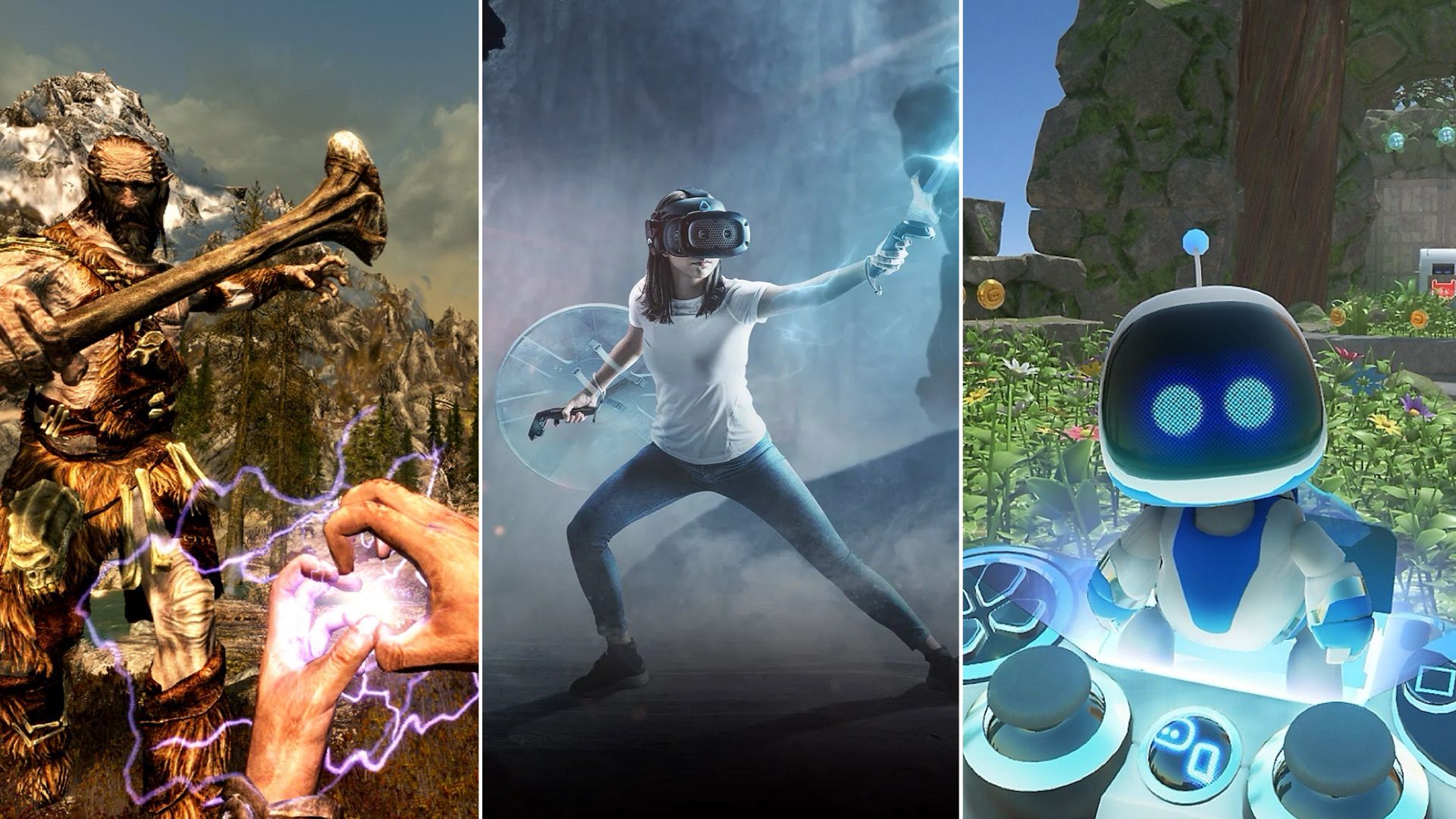
I’ve been a VR enthusiast since 2017, when a visit to a VR arcade showed me how incredible VR gaming could be. I quickly bought a PSVR and Skyrim VR, and I was hooked! Since then, the VR community has grown a lot, but the platform itself still has some major problems.
Virtual reality isn’t taking off as many expected, even with Meta’s massive investment. While everyone understands the reasons why – issues with cost, comfort, and a lack of compelling content – things don’t seem likely to change in the near future.
Let’s explore the current challenges facing virtual reality and what needs to happen for it to reach its full potential in gaming.
What Holds the Platform Back
We’re Tired, Boss
I’ve been introducing friends to VR for years, and I’ve noticed a pattern: people are usually too tired at the end of the day to really enjoy it. VR, in some way, is always physically engaging – even if you’re sitting, you’re still actively using your body. Everyone has a limit to how long they can comfortably play, no matter their fitness level.
VR is not the must-have platform that it should be.
As a gamer, I’ve noticed something interesting: a two-hour VR session feels way longer than a two-hour session on a regular screen. VR just takes more out of me – the games I really enjoy are super physical, and that naturally limits how long I can play at once. It’s not just my stamina, either. No matter what headset I use, it’s just not comfortable enough to wear for hours. Whether it’s the weight, eye strain, or my arms getting tired, I can’t really marathon VR sessions like I can with traditional gaming.
VR can also have some noticeable physical and mental effects. Playing for long periods can sometimes cause your hands to feel disconnected from your body, leading to motion sickness, feelings of detachment, and dizziness. Because of these potential issues, many people find it less enjoyable for regular gaming compared to traditional screens.
Games like Asgard’s Wrath 2 can be incredibly demanding. The fast-paced action and challenging puzzles rarely let up, making it a very physically engaging experience. While this might be good for some, it’s tiring and could limit the game’s broader appeal, as not everyone wants such an intense experience every time they play.
More than a Gimmick
Another Reality
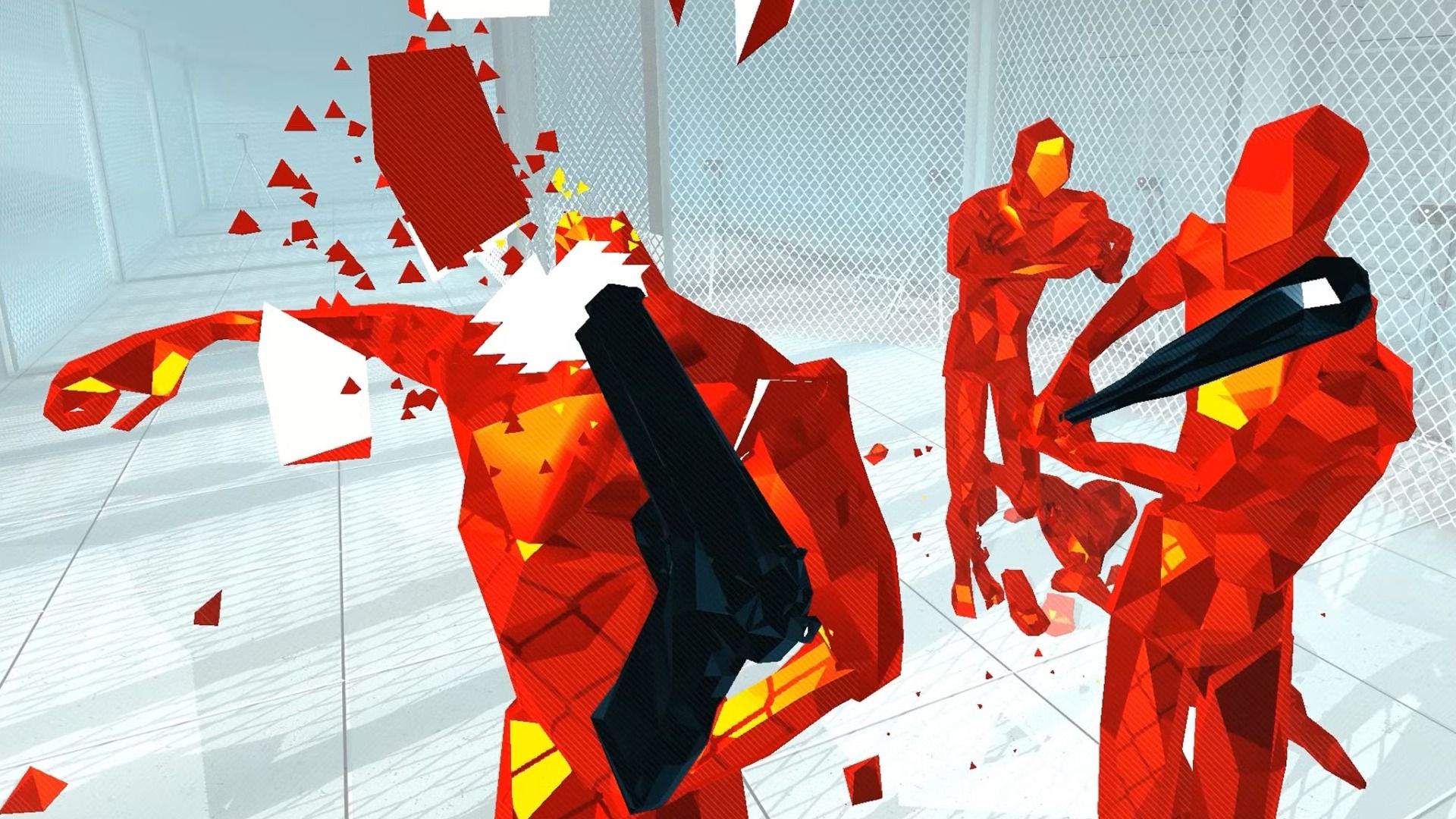
Even after ten years, many people still see virtual reality as a novelty rather than a truly immersive gaming experience. It’s often dismissed as just tech demos or side projects, not ‘real’ games. As someone who’s been playing VR for almost a decade, I understand that perception. While there are some fantastic VR games, a lot of what’s available doesn’t quite live up to its potential.
As a VR fan, I’ve noticed a lot of games feel…empty. They’re either just open worlds without much to do, or they look nice but don’t really offer a solid gameplay experience. Honestly, some feel a bit unfinished. It’s not that these games aren’t enjoyable in the moment, but most don’t have a lot of replay value. If you look at all the biggest VR titles combined, you’re probably looking at a pretty short list of games that will keep you hooked for more than a week. And that’s a real issue, especially since VR has been around for ten years now – we should have more games with lasting appeal.
This platform is still relatively new, so many developers are essentially working without a clear roadmap. While their ideas may be strong, bringing them to life in virtual reality presents unique challenges. Common issues include clunky or unsatisfying gameplay, graphics that don’t meet modern standards, and difficulty adapting their designs from traditional screens to the immersive VR experience.
Often, all these pieces don’t quite come together, resulting in games that quickly feel overpriced or lose their appeal after only a short time. A key issue in the VR industry is a shortage of both skilled developers and the funding needed to bring ambitious ideas to life.
AAA Doesn’t Want Any Part of It
The Big Boys Sit Out
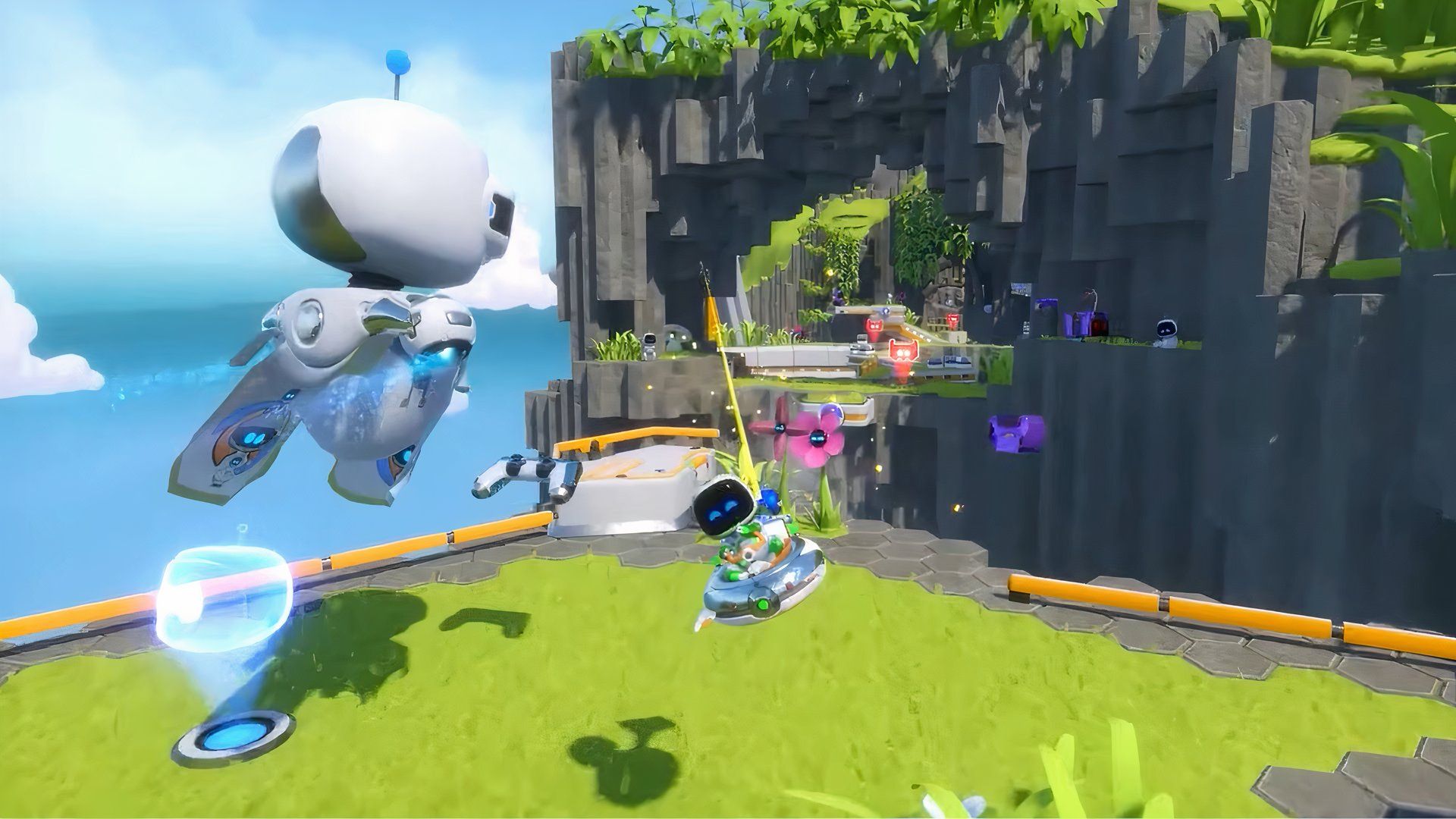
For years, we’ve gotten glimpses of high-quality, immersive VR games like Astro Bot Rescue Mission, Horizon: Call of The Mountain, and Half-Life: Alyx. However, these experiences are rare and inconsistent. It’s often been years between releases of truly top-tier VR games, and we can’t rely on a steady stream of them.
Many major companies haven’t prioritized quality when entering the VR space. For example, Square Enix’s VR offering for Final Fantasy 15 was underwhelming, and Bethesda released VR versions of Fallout 4 and Skyrim that, while available, weren’t fully optimized or polished for the platform.
In 2020, Half-Life: Alyx was seen as a potential breakthrough moment for virtual reality, but ultimately it didn’t spark the widespread adoption many hoped for. While a high-quality, major game, it wasn’t enough to convince other large developers to fully invest in VR. Subsequent attempts, such as Assassin’s Creed Nexus, felt half-hearted, offering a disjointed story that relied too heavily on familiar characters for nostalgic appeal rather than genuine narrative strength.
We’re still waiting for major, high-quality RPGs for VR. A game based on The Matrix seems like a perfect fit, but hasn’t materialized. Where are the big-name first-person shooters that can compete with Call of Duty? It’s surprising that Pavlov and Contractors VR are the best multiplayer shooters available, especially considering Raven Software’s resources.
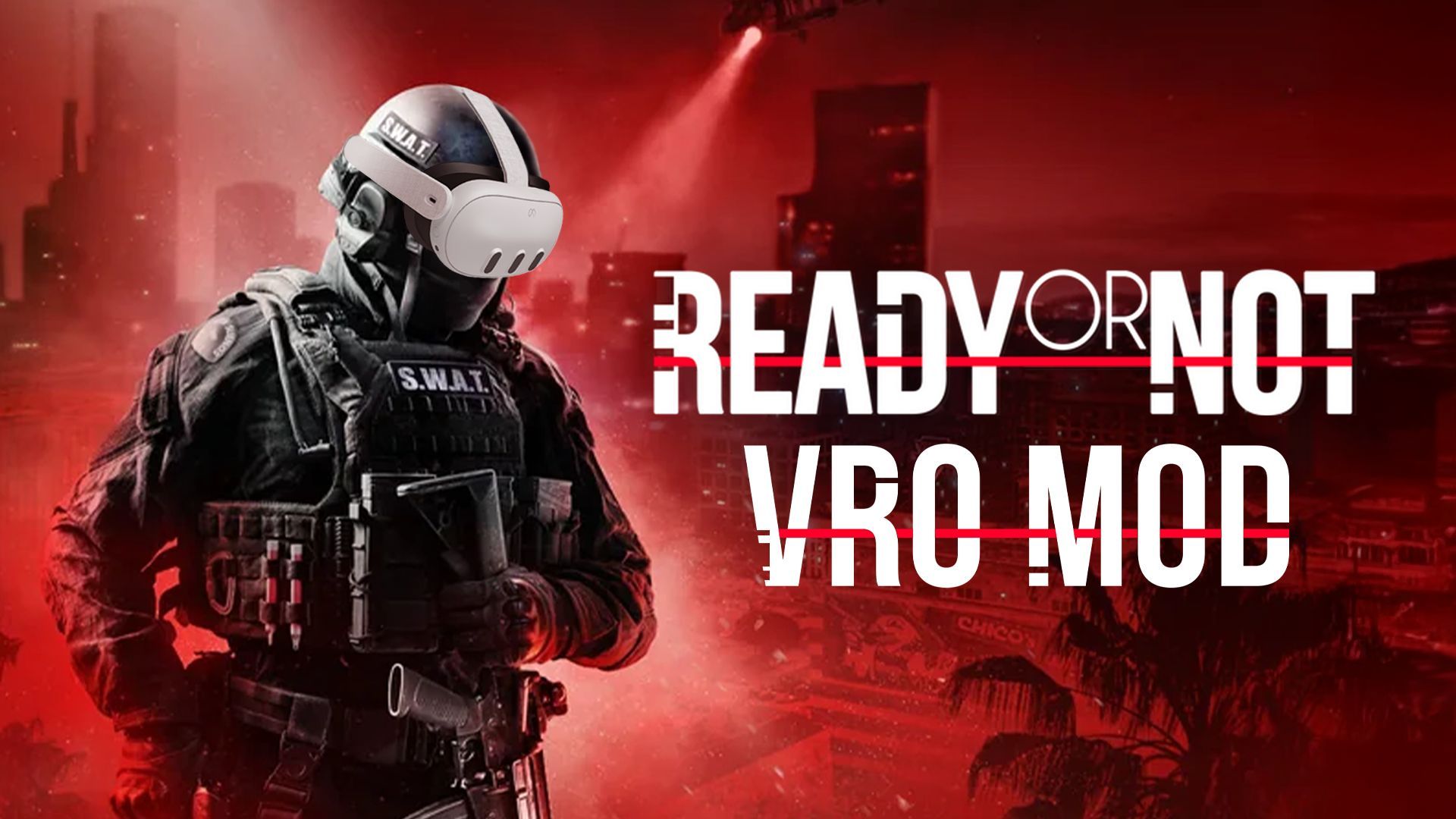
The biggest issue is that companies aren’t seeing the potential financial rewards of VR. They’re unwilling to invest the money needed to create something truly great, even if it could become a massive hit. A VR version of a popular game like Call of Duty could break sales records, but it still wouldn’t generate as much revenue as selling the same game on traditional platforms. Sadly, this situation doesn’t seem likely to change anytime soon. If you’re looking for high-quality gaming experiences right now, your best option is to check out fan-made modifications of existing games, which can sometimes be surprisingly good.
How Does VR Get to the Promised Land?
It’s All About the Games
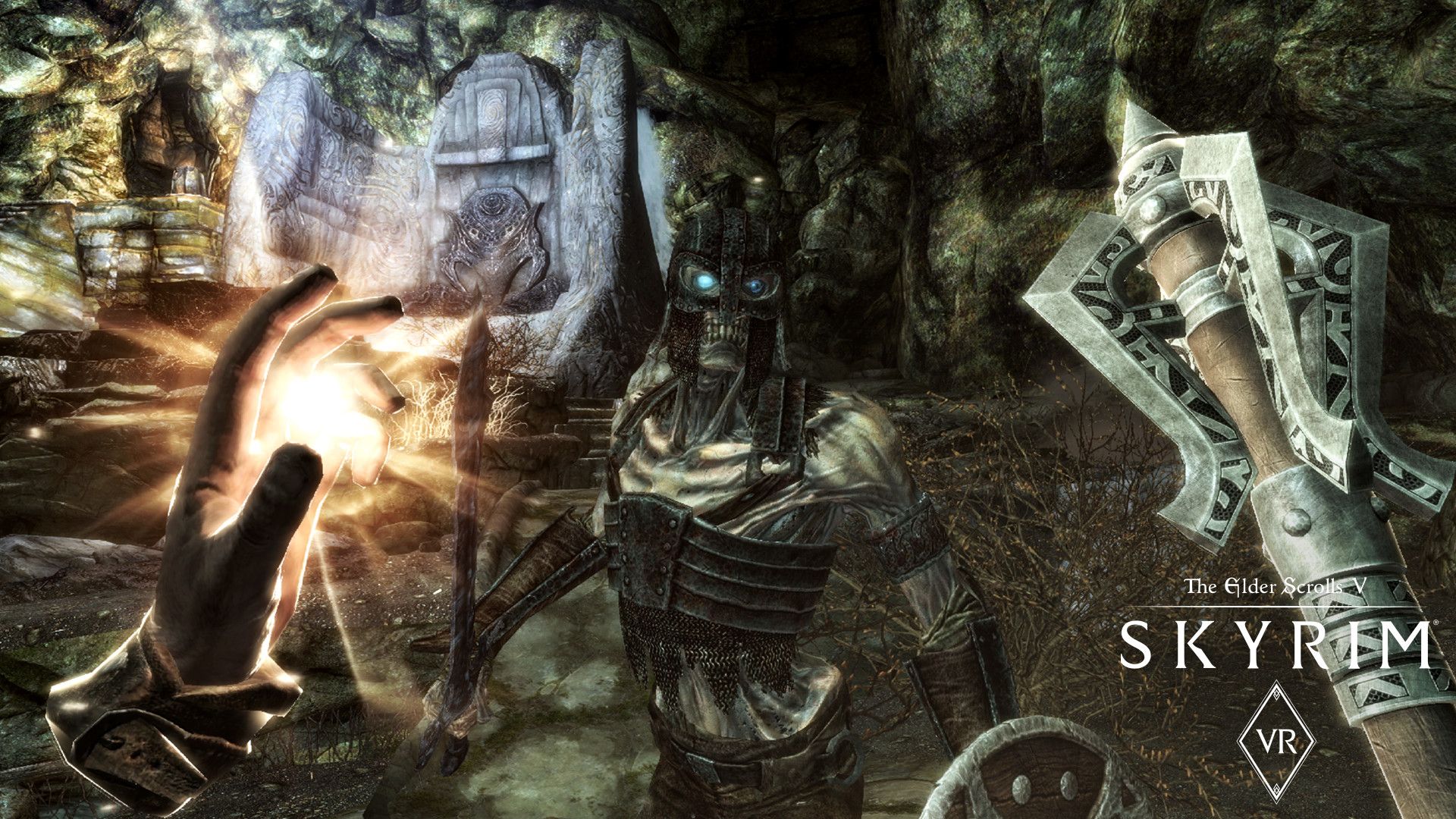
For virtual reality to truly succeed in gaming, we need a killer app – a game so good people will buy a VR headset just to play it, similar to how The Legend of Zelda: Breath of the Wild drove sales for the Nintendo Switch. While Half-Life: Alyx was a great step, it didn’t quite reach that level. Modern VR games need to offer more immersive features, like a virtual body and the ability to manually climb, to really stand out.
Subscribe for real VR insights and gaming industry analysis
Honestly, for me, the perfect VR game is a heavily modded Skyrim VR – but getting it just right took forever! What I really want is something that works flawlessly right when I start it up. I’m talking a huge, high-quality experience that you can only get in VR. Something with tons of gameplay and a story that’ll keep me hooked for hours, and that’s truly mind-blowing.
If you’re looking for top-tier gaming experiences at the moment, your best option is to explore fan-made modifications of traditional games.
We’re really waiting for a truly groundbreaking VR game – something like Sandfall that’s impossible to ignore. Ideally, this game would be developed by a team that understands the potential of the medium, creating a level of immersion that feels as real as the worlds depicted in movies like The Matrix or Ready Player One. It’s possible this kind of experience is still a long way off, perhaps only achievable with future technology like VR contact lenses.
I’m hoping for the day when comfortable VR hardware combines with a truly amazing game to revolutionize the industry, but it doesn’t seem likely to happen soon. Recent major VR releases have been disappointing, and after ten years of playing, I still haven’t found anything as captivating as Skyrim VR. Batman: Arkham Shadow comes close, but there’s a significant gap between those two experiences and everything else.
With fewer and fewer people interested in VR, everyone’s really waiting for a standout game – and it feels like it’s still a long way off. There’s nothing truly promising on the near horizon. Right now, I’m hoping ‘Gunman: Contracts’ delivers and finally meets expectations, because VR needs a win. The VR community is struggling, and at this point, we’d be happy with a quick fix, even if a long-term solution is years away.
Read More
- Off Campus Season 1 Soundtrack Guide
- X-Men ’97 Finally Gave Gambit the Hero Moment He Deserved
- Chainsaw Man Volume 24’s Cover Art Reveals a Brand-New Denji
- 46 Years Later, The Mandalorian & Grogu Answers A Major Empire Strikes Back Question
- 10 Worst End-Game Couples In Sitcom History
- HoI4 fans harsh reactions to the announcement of another DLC pack
- DoorDash responds after customer uses AI to make food look bad and get a refund
- Gold Rate Forecast
- Emily Henry Says to ‘Trust the Vision’ For Beach Read Adaptation
- Katanire’s Yae Miko Cosplay: Genshin Impact Masterpiece
2026-05-08 01:41