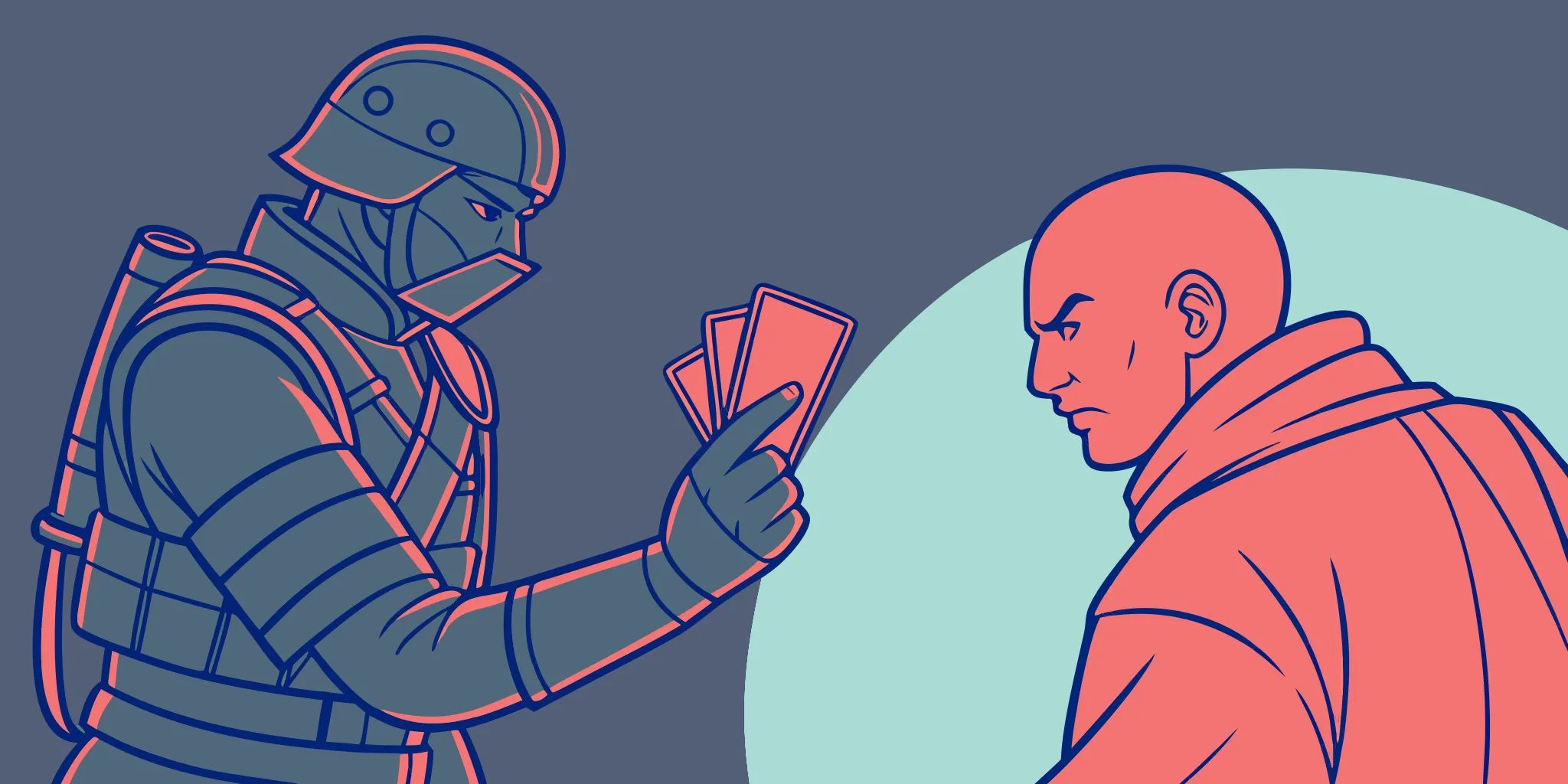
Clash Royale is full of unique characters, and two stand out as particularly different. Dart Goggins is a quick, annoying attacker who constantly pressures opponents. The Monk, on the other hand, is a calm and durable fighter who can take a lot of damage and strike back powerfully. These two cards play very differently, making it hard to choose between them. It’s not just about which one is statistically better; it’s about finding the card that fits your play style. Let’s see how they stack up against each other!
Key Takeaways
- Choose Your Champion Based on Playstyle: Dart Goggins is your go-to for applying constant, aggressive pressure, while Monk excels in a more defensive strategy, absorbing damage and creating powerful counter-pushes.
- Prioritize Elixir Efficiency: Goggins offers consistent, low-risk value for only 3 Elixir, making him easy to cycle. Monk, at 5 Elixir, is a high-risk, high-reward play that demands perfect timing to avoid a major elixir disadvantage.
- Master Synergies and Counter-Play: A Champion is only as strong as their supporting deck. Build around Goggins with bait cards or protect Monk with a win condition like Royal Giant, and always focus on baiting your opponent’s key counters to create an opening.
Dart Goggins vs. Monk: Who’s the Real MVP in Clash Royale?
Picking the best Champion for your deck can dramatically impact whether you win or lose. Right now, players are constantly debating between Dart Goggins and the Monk. Both are powerful and offer different advantages, but which one is right for your deck? We’ll take a close look at what makes each Champion strong and why they’re so popular, helping you decide which one best suits how you like to play.
Meet Dart Goggins: What’s His Deal?
Dart Goggins is quickly becoming a popular and powerful unit in Clash Royale, known for his fast-paced, adaptable playstyle. He’s more than just a typical troop – his special skills can dramatically change a battle in an instant. Players are actively debating whether he’s even stronger than Monk! Goggins excels at relentlessly attacking opponents, quickly destroying both defensive structures and heavily armored troops. Despite some recent adjustments to his power, skilled players continue to win with him, demonstrating his lasting strength and potential for success when played effectively.
Understanding Monk: The Meta Favorite
The Monk is a consistently popular and powerful card in Clash Royale. He’s known for his incredible defense, able to bounce attacks back to enemies and withstand a lot of damage. The Clash Royale Wiki points out that he’s valuable because he’s both flexible and affordable, fitting well into many strong decks. But he’s more than just good at defending – his strong attack also makes him dangerous when counterattacking. Many players believe he significantly impacts the game, and some analyses even suggest he’s more effective than all the Evolutions.
Goggins vs. Monk: The Ultimate Showdown
Every decision you make during a match is important, and certain cards can really shift the momentum. Dart Goggins and Monk are two examples of this, but they work in very different ways. Goggins quickly and constantly damages opponents, while Monk is a durable fighter who can take a lot of damage and powerfully strike back.
Deciding which card is best for your deck isn’t about finding the “strongest” one—it’s about knowing what each card does well, where it struggles, and how it helps you win. Let’s compare them based on what really matters: how much damage they deal, how much value they provide, and how they contribute to your strategy.
Damage Dealt: Who Hits Harder?
These two characters deal drastically different amounts of damage. The Monk focuses on a strong, three-hit attack. While the first two hits are typical, the final blow is incredibly powerful, dealing significant damage and knocking enemies back – even those with shields. This makes the Monk particularly effective against units like the Dark Prince or Guards. If you need a single, devastating attack to eliminate a tough enemy or create an opening, the Monk is a great choice.
Dart Goggins focuses on dealing consistent, fast damage over time. He won’t instantly defeat a strong enemy like a Knight, but if left unchecked, he can quickly destroy towers or heavily armored units thanks to his rapid attacks. He excels at dealing steady damage from a safe range, making him ideal for positioning behind a durable troop like a Giant or Golem to continuously fire darts. Unlike Monk, who aims for a single, powerful blow, Goggins wins by gradually wearing down his opponents.
Elixir Value: Getting the Most Bang for Your Buck
In Clash Royale, managing your Elixir is key to success, and choosing between Goggins and Monk can be tough. Monk is expensive, costing 5 Elixir, so using him poorly can really hurt you if your opponent defends well. As one player pointed out online, a costly move that doesn’t work can be a big setback. If you activate Monk’s special ability at the wrong moment and it doesn’t absorb any damage, you’ve wasted a lot of your resources. He’s a powerful card, but requires precise timing to be effective.
Dart Goggins is a solid, low-cost card – only 3 Elixir – making him a safe choice for most players. You can use him to quickly apply pressure or defend against smaller attacks without much risk. Even if your opponent counters him with The Log, it’s an equal Elixir trade, so you don’t lose momentum. Goggins consistently provides value and works well in many different decks as a flexible support troop. While he won’t single-handedly win a game, his low cost lets you make other powerful plays without running out of Elixir.
Managing Your Elixir Wisely
Understanding how to defend against certain cards is just as crucial as knowing how to play them. For example, when facing a Monk, try to get him to use his special ability (Ponder) without letting him gain a significant advantage. A good strategy is to use a cheap unit to draw the Monk’s ability towards your side of the battlefield. Once he’s used it, he becomes much weaker. Cards that create lots of small units, like the Skeleton Army or Goblins, are particularly effective because they can quickly surround and defeat him after he’s finished his attack on a single target.
To defeat Dart Goggins, focus on quick and cost-effective attacks. He’s easily destroyed by inexpensive spells like The Log, Barbarian Barrel, or Arrows, giving you an elixir advantage. The most important thing is to prevent him from targeting your towers. If you don’t have a spell ready, quickly deploy a close-range unit such as the Knight or Valkyrie to eliminate him before he can do significant damage. Successfully countering Goggins relies on efficiently using your elixir to deal with a potentially dangerous enemy.

Building the Perfect Deck: Synergies and Strategies
A single strong card isn’t enough to win—it’s how well your cards work together that matters. Simply adding powerful cards like Goggins or Monk to any deck won’t be effective. True strength comes from building a deck where each card complements the others, creating powerful combinations that can defeat your opponent. Whether you prefer Goggins’ aggressive style or Monk’s strong defense, having the right supporting cards is crucial. Let’s explore some successful combinations, and also look at a few to steer clear of.
Best Card Combos for Goggins
Okay, so I’m building a deck around Dart Goggins? The key is to really lean into what he’s good at – slowly taking down towers and just constantly attacking. I’ve been having success with a ‘Logbait’ strategy. Basically, I throw down some cheap cards like Goblin Barrel to make my opponent use their Log, and then I hit them with Goggins for some real damage. Even though he’s been nerfed a couple of times, Goggins is still a great pick if you build your deck right. I’ve seen a lot of winning decks that use cards to force your opponent into tricky situations, setting up Goggins for a big push.
Pairing Monk for a Killer Combo
Monk is excellent at protecting your other cards, especially when paired with a strong attacker. He can deflect enemy attacks and take a lot of damage, making him a great shield. A popular and effective combination is using Monk with the Royal Giant. By placing Monk in front of the Royal Giant, he can absorb damage and push back opponents while the Royal Giant deals massive damage. This Monk and Royal Giant strategy is consistently successful because it combines a solid defense with a powerful, hard-to-stop attack, giving you control of the game.
Card Combos to Avoid
It’s just as crucial to know what strategies won’t work. When facing a Monk, for instance, smart play is key. Many players on Reddit suggest either triggering his special ability early or attacking with a large number of weaker units. Avoid using powerful spells while his ability is active, as he can reflect the damage back at your own tower. Also, be careful not to build a deck that’s too expensive – since the Monk already costs a significant amount, adding more high-cost cards can leave you open to attack.
How to Dominate the Meta with Goggins and Monk
You’ve acquired Goggins and Monk – now how do you win with them? These cards aren’t simply about strength; success depends on when and where you play them, and how you anticipate your opponent’s moves. To truly master them, you need to understand how they perform in the current game environment. Let’s explore the strategies that will turn these cards into winning plays.
Shutting Down Popular Strategies
Monk excels at defeating strategies that depend on powerful, expensive cards. For example, if an opponent tries to overwhelm you with a strong push featuring a Pekka or Sparky, Monk’s special ability, Ponder, can absorb the attack and even send the damage back, effectively wasting their effort. Players have noticed he’s particularly effective against decks that don’t have quick, low-cost ways to punish Ponder’s use. On the other hand, Dart Goggins is great against large groups of weaker units and fragile, high-damage attackers. His rapid attacks quickly eliminate threats like Skeleton Armies or Goblin Barrels, shutting down many common strategies for winning the game.
Playing Offense vs. Defense
While Monk often seems like a purely defensive unit, he’s actually a strong offensive player too, particularly in Royal Giant Monk decks. Positioning him behind your Royal Giant shields it from defenses like the Inferno Tower and allows Monk to quickly counter-attack. This combination of defense and offense is what makes RG Monk such a successful deck. Goggins is a reliable support troop. He excels at quickly taking down threats like the Hog Rider on defense, and when used offensively with a tank like the Giant, he can eliminate enemy defensive units. Just remember that Goggins is vulnerable and needs the tank to protect him.
Adapting Your Strategy Mid-Match
Okay, so I’ve been trying to get better with these cards, and it’s all about being smart and reacting quickly. With Monk, people will try to trick you into using his Ponder ability early with weak spells, but seriously, don’t take the bait! Hold onto it for when it really matters, like blocking a big attack. Figuring out how my opponents are going to use Monk is tough, and you really need to pay attention to how they’re playing. Then there’s Goggins – positioning him is super important. If they have Arrows, definitely don’t put him right next to your other support cards! Make them decide what to target. Honestly, the best players are always changing where they place their cards, depending on what they think their opponent has up their sleeve.
Common Mistakes to Avoid with Goggins and Monk
No matter how skilled you are, small errors can still cost you the game. Whether you prefer an aggressive or cautious approach, mastering the basics is what truly makes the difference between good and great play. We’ve all made those frustrating mistakes – like playing a card at the wrong moment or pushing too hard when it doesn’t work. Luckily, these are easily corrected! Let’s look at some common errors and how to improve your gameplay for more wins. These aren’t just quick fixes, but long-term habits that will make you a much stronger player.
Fixing Your Timing and Placement
In Clash Royale, even small details like card placement can decide whether you destroy an enemy tower or lose your own, especially when facing a Monk. Simply sending cards at him won’t work – you need to trick him into using his special ability. Use groups of weaker cards or a low-cost melee unit to make him activate his Ponder ability on his side of the arena. After that, he becomes much easier to defeat. The key is to play around the Monk with a plan, rather than just responding to what he does. To protect Goggins, place him behind a tank so he can effectively damage everything in front of him.
Stop Wasting Elixir
Everyone who plays this game has probably lost out on a trade because of using elixirs. It’s frustrating to play a costly card only to have your opponent respond with something cheap, leaving you defenseless. That’s a big risk when playing as Monk. Spending six elixirs hoping your opponent will use a Fireball is a huge gamble. If they don’t, you’ve given them a significant advantage. It’s usually better to spend those elixirs on a reliable attacker like a Royal Giant or X-Bow. Treat your elixirs like a limited budget—every one matters. Try to avoid risky plays and focus on moves that will clearly benefit you. It can be hard to change your style, but managing your elixirs well can really improve your game.
How to Read Your Opponent’s Next Move
Okay, so playing Clash Royale feels a lot like a super fast game of chess to me. I’m always trying to think a couple moves ahead and figure out what my opponent is planning. The first minute is all about scouting – I’m watching what cards they use to try and guess their overall strategy, like what are they trying to win with? Once I have a good idea of their deck, I can start predicting what they’ll do next and get ready to counter it. For instance, if I notice they don’t have anything that really shuts down Monk, I’ll definitely play him more often to take advantage of that. Knowing when a card is a good counter is huge. I’ve seen a lot of players say this is why Monk feels balanced – he just completely destroys certain strategies. Really, it’s about reading the game; it turns your cards from just units into actual strategic weapons.
Goggins vs. Monk: Busting Common Myths
Clash Royale players love to debate the best cards, especially powerful ones like Goggins and the Monk. It’s common to get excited about a card’s cool ability or how well it’s doing right now. When a skilled player makes a great move with a certain card, everyone often thinks it’s the key to winning more matches. However, what seems strong in theory isn’t always the whole truth. A card that looks unbeatable might actually have weaknesses, and a card others underestimate could be exactly what you need to start winning consistently.
The debate over which card, Goggins or Monk, is better really highlights a common problem. Goggins is known for a spectacular, defensive move, while Monk consistently delivers solid damage. Players are fiercely divided, each with strong preferences. To figure out which card is actually stronger, we need to go beyond impressive plays and examine their strengths and weaknesses. Let’s clear up some common misconceptions about these two powerful cards. Choosing a card based on careful consideration is just as important as knowing how to play it. We’ll compare the appeal of specialized abilities against the benefits of overall flexibility, helping you create a deck that’s not just popular, but genuinely effective.
Don’t Overvalue Niche Strengths
It’s easy to be impressed by a card with a cool, standout ability. For example, the Monk’s Pensive Protection, which blocks incoming attacks, can really turn the tide of a game when used correctly. Some players even believe the Monk is the ideal choice against certain types of decks that don’t have strong defenses, making him seem like a must-have card.
However, there’s a downside to focusing too much on one particular strength. If you build your strategy around countering a specific threat, like lots of projectile attacks, you’ll struggle when that threat isn’t present. Or, if you misjudge the timing, your powerful card can actually become a weakness. This dependence on a single tactic can make your performance unpredictable, leaving you exposed when things don’t go exactly as planned. Some players have experienced this with the Monk’s ability, finding it unreliable when they need it most.
Why Versatility Is Key
A hero who can perform well in many different scenarios is incredibly valuable, and Goggins excels at this. While he doesn’t have a standout defensive skill like the Monk, his consistency is what makes him so strong. He’s a versatile threat thanks to his quick attacks and ability to target both flying and ground units, forcing your opponent to always play cautiously around him.
Being versatile gives you flexibility and more ways to respond to your opponent’s moves. A great example is the player Goggins: they can quickly switch focus after eliminating one target and help push another lane. This adaptability is key to winning. While characters like the Monk are also considered adaptable, they sometimes lack specialization. A truly versatile card like Goggins is more powerful because it lets you react to the situation and control the game, which is better than being good at only one thing.
Know Their Weaknesses: When Not to Play Goggins or Monk
In Clash Royale, every card has a weakness, and knowing when not to play a card is just as crucial as knowing when to. While Goggins and Monk are strong cards, they can be defeated. Playing them at the wrong time can lead to losing the game. Understanding what they struggle against will help you predict your opponent’s actions and defend your towers. It’s about identifying situations where their strengths don’t matter, or actually become a disadvantage. Let’s look at the specific times when it’s best to hold onto Goggins and Monk.
Exploiting Goggins’ Vulnerabilities
Although Goggins is a powerful opponent, he does have weaknesses. He’s easily distracted and can be led off course, which reduces his effectiveness. Skilled players can use quick, inexpensive units to pull him away from his target, effectively stopping him. For example, if a fast unit like a Dart Goblin changes its target, Goggins can be caught off guard and forced to switch lanes, losing his momentum. Groups of weaker units, such as the Skeleton Army or Goblin Gang, can also be very effective against him, overwhelming him before he can inflict much damage. Additionally, dividing your attacks can take advantage of his focus on single targets, making your opponent choose which lane to protect.
The Downside of Monk’s High Cost
The Monk’s biggest weakness is his high elixir cost – six elixir to play. It’s a risky move because it doesn’t always work out. As one player pointed out, spending six elixir hoping your opponent will use a spell for the Monk to reflect feels bad when you could have played a more reliable card like a X-Bow, Royal Giant, or Goblin Giant. If your opponent doesn’t play the spell you’re counting on, you’ve essentially wasted a lot of elixir on a unit that’s not much better than a basic knight, leaving you vulnerable. This highlights the importance of making good elixir trades. The Monk is also only effective in certain situations; he can completely shut down some decks, but is useless against others, making him a gamble unless you know your opponent’s strategy.
So, Which Card Is Right for You?
We’ve looked at the numbers, how these cards work together, and different ways to use them. Now, which one should you add to your deck? There isn’t one perfect choice. The best card for you depends on your play style, how comfortable you are in matches, and what you’re hoping to achieve. Let’s find the best fit for you.
Aggressive vs. Defensive Playstyles
How you like to play is the most important thing to consider. If you enjoy being aggressive and constantly pushing your opponent, Goggins is an excellent choice. Some players believe he’s even stronger than Monk in quick, attacking strategies. He’s really good at making your opponent respond to your moves and winning before they can get their game plan going.
If you’re like me and prefer a more strategic approach – building up a really solid defense and then launching a powerful counter-attack – Monk is absolutely the way to go. I’ve seen a lot of players say he’s amazing against those super aggressive decks that don’t have a lot of big, punishing moves. He just soaks up damage and shuts down your opponent’s threats, making him a really reliable defender.
Which Card Matches Your Skill Level?
It’s important to be realistic about how good you are at this game. Are you new to it, or have you been playing for a while? If you’re looking for a deck that works well no matter your skill level, the RG Monk deck is a great choice. It’s easy to learn but still strong enough to win, letting you improve and compete at any level.
Goggins is probably best for players who are already pretty confident in their skills. Even though he’s been adjusted to be a little less powerful, a good player can still be very effective with Dart Goggins by using his special abilities and timing attacks well. To really get the most out of him, you need to know where to place your troops and manage your elixir carefully – he’s a card that pays off big time if you’ve got the basics down.
Choosing a Card for the Long Haul
Both cards are good long-term investments, but for different reasons. Monk remains strong because of his special attack – a three-hit combo that pushes opponents back and deals extra damage. This ability is useful in many situations and likely to stay relevant as the game changes, making Monk a dependable choice.
David Goggins remains consistently popular in the game. The ongoing discussions about whether he’s better than Monk demonstrate his enduring relevance. While his specific role might change as the game evolves, his strong offensive capabilities suggest he’ll always be a valuable addition to decks focused on fast, powerful wins. He’s a solid, long-term choice for players who prefer an aggressive approach.
Frequently Asked Questions
There’s no single “better” card – it depends on how you like to play. If you prefer a fast-paced, aggressive style, constantly attacking your opponent, Dart Goggins is a great choice. But if you’re more of a patient player who likes to build a defense and then strike with a powerful counterattack, Monk will be a better fit.
Monk’s Ponder seems incredibly strong, and it can be, but it’s a gamble. If you use it at just the right moment to reflect powerful attacks like Rockets or Sparky blasts, you can instantly win a match. However, if your opponent tricks you into using it with a weak spell, or you misjudge the timing, you’ll waste a lot of elixir and become vulnerable. Ultimately, how effective Monk’s Ponder is depends on precise timing and what your opponent is playing.
I’ve heard Dart Goggins was weakened in the game. Is he still a good choice to use? Yes, definitely. Changes to a card don’t usually ruin it completely. Goggins still does a lot of consistent damage, and he’s relatively cheap at only three elixir. Even though he might not be as powerful as before, good players can still get a lot out of him by protecting him with a tank. He still excels at dealing consistent damage from behind other troops.
What’s the most important thing to remember when dealing with these opponents? When facing Monk, don’t waste a powerful spell while his special ability is up – you’ll end up damaging yourself instead. With Dart Goggins, the biggest error is simply ignoring him. It’s easy to dismiss his small attacks, but if you don’t deal with him quickly, he can destroy a tower’s health. Make sure you have a fast, inexpensive way to counter him.
Yes, you can include both Dart Goggins and Monk in the same deck, but it’s generally not recommended. Because both are Champions, you can only have one in play at a time, hindering their combined effectiveness. They also excel in very different playstyles – Goggins thrives in quick, attacking decks, while Monk is better suited for slower, more defensive strategies. Combining them often leads to a deck that isn’t very focused and lacks a consistent plan.
Read More
- United Airlines can now kick passengers off flights and ban them for not using headphones
- Crimson Desert: Disconnected Truth Puzzle Guide
- All 9 Coalition Heroes In Invincible Season 4 & Their Powers
- How to Get to the Undercoast in Esoteric Ebb
- Warframe Voruna Prime access begins on April 8 for all platforms, new deluxe cosmetic Warframe skins revealed
- All Golden Ball Locations in Yakuza Kiwami 3 & Dark Ties
- Katanire’s Yae Miko Cosplay: Genshin Impact Masterpiece
- All Itzaland Animal Locations in Infinity Nikki
- Mewgenics vinyl limited editions now available to pre-order
- Zendaya’s 4 Big 2026 Movies Could Beat Brie Larson’s Box 2019 Office Record
2026-01-07 15:56