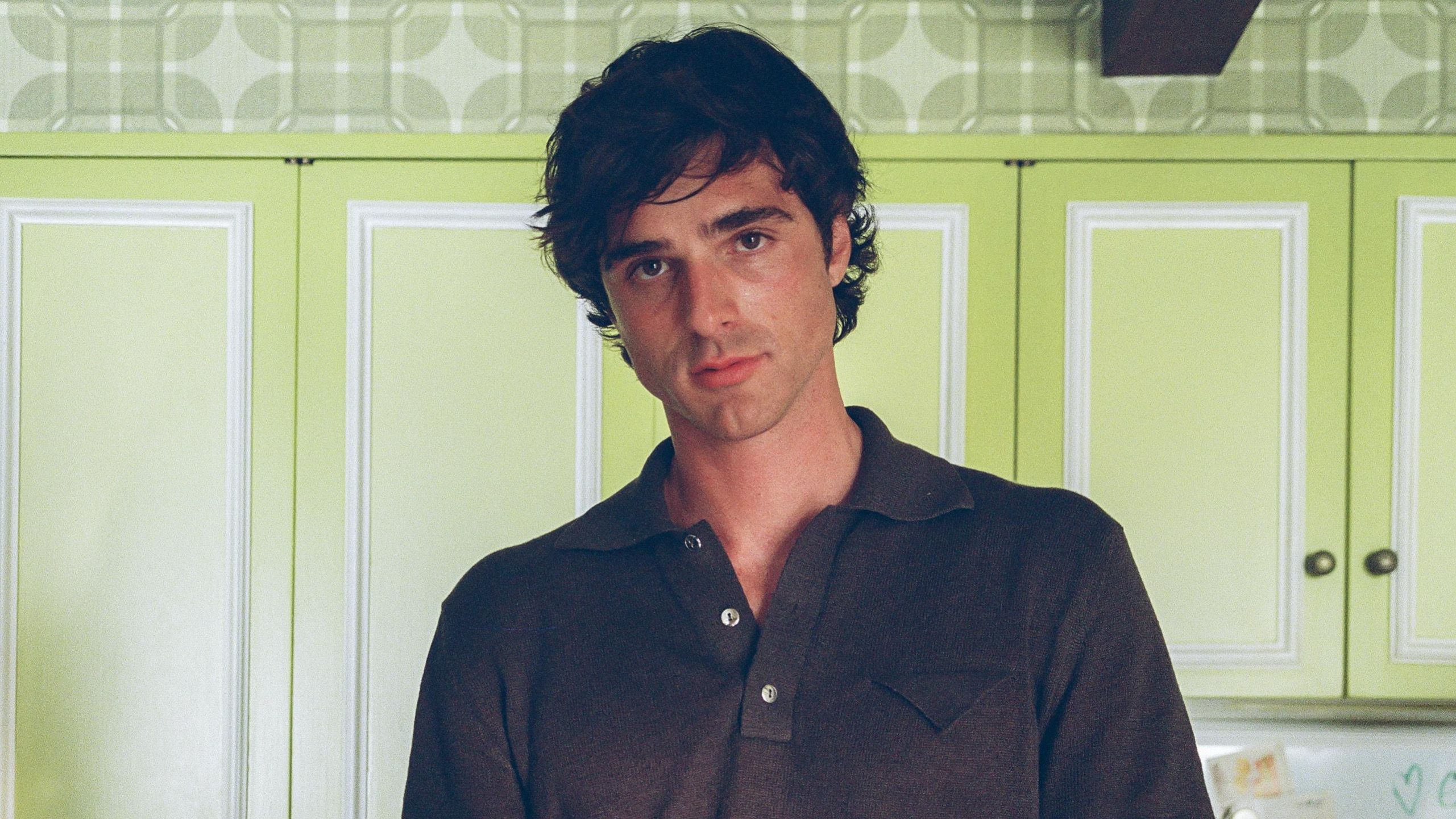
With critics giving season 3 of Euphoria mostly negative reviews – it currently has a 41% rating on Rotten Tomatoes – it’s safe to say that many teen dramas are more successful when they don’t try to reinvent the wheel.
The second season of Euphoria successfully built on the success of the first, and many of the show’s stars became well-known names in Hollywood. Because of this, expectations were high for season 3, with viewers anticipating it would be just as good, if not better, than what they’d seen before.
Despite the initial hype, the latest season of Euphoria is receiving a lot of mixed reactions. Many viewers and critics seem let down, particularly by the time jump. While the acting remains excellent, the show appears to be facing similar issues that have troubled other teen dramas in the past.
Before Euphoria, Many Coming-Of-Age Shows Were Ruined By Post-School Time Jumps

Euphoria isn’t the first teen drama to follow its characters beyond high school and into their adult lives. Shows like Skins, One Tree Hill, Riverdale, and Pretty Little Liars have all tried this before. However, it usually doesn’t work out well.
Fans were eagerly anticipating the third season of Euphoria, hoping it would continue the compelling storytelling of the popular HBO series. However, similar to other shows of its kind, the season’s focus on adult characters feels somewhat empty and drawn out. The show really found its strength in its depiction of high school life during seasons one and two.
Similar to shows like One Tree Hill, Gossip Girl, and Glee, the series initially captured the intense social pressures and unique challenges of teenage life, especially when dealing with addiction. However, starting with season 3, it feels like the show abandons its distinct style and begins to resemble more conventional dramas.
Shows like Pretty Little Liars and Skins kept viewers hooked with their use of flashbacks and time jumps. But even these shows fell into patterns where characters repeatedly made the same mistakes and struggled with the same issues, making their storylines feel stuck in a loop.
Although it’s realistic and understandable that our teenage experiences continue to affect us as adults, this can become repetitive on television. It appears Euphoria season 3 is running into this issue, still focusing on Rue’s drug addiction and the same unhealthy relationships between Nate, Cassie, and Maddy.
It’s frustrating when a character seems to grow and change for the better, only to have that progress taken away, reminding us they haven’t really changed at all. This makes it difficult to feel invested in their journey.
A Post-Adolescence Timeline Often Changes A Show’s Genre

Many coming-of-age shows lose their way when their characters become adults, and struggle to stay interesting. Viewers came to love Euphoria for its intense emotions, complicated relationships, and honest look at the challenges of adolescence. But the third season feels different, moving away from those core elements and trying to incorporate other types of stories.
This show’s unexpected change in tone feels similar to what happened with Riverdale. It started out aiming for a *Twin Peaksstyle mystery, but quickly became a more over-the-top action series.
The first two seasons of Euphoria felt like in-depth explorations of its characters, even those who were adults like Cal Jacobs and Leslie. However, season 3 feels different – it loses that focus and becomes more like a typical, sensationalized drama, similar to many others on television.
Despite strong performances from stars like Jacob Elordi and Zendaya in season 3 of Euphoria, the show feels different now and suggests that stories about growing up work best when they’re focused on the high school experience.
Read More
- Off Campus Season 1 Soundtrack Guide
- X-Men ’97 Finally Gave Gambit the Hero Moment He Deserved
- Chainsaw Man Volume 24’s Cover Art Reveals a Brand-New Denji
- 46 Years Later, The Mandalorian & Grogu Answers A Major Empire Strikes Back Question
- 10 Worst End-Game Couples In Sitcom History
- HoI4 fans harsh reactions to the announcement of another DLC pack
- DoorDash responds after customer uses AI to make food look bad and get a refund
- Gold Rate Forecast
- Emily Henry Says to ‘Trust the Vision’ For Beach Read Adaptation
- Katanire’s Yae Miko Cosplay: Genshin Impact Masterpiece
2026-04-17 03:10