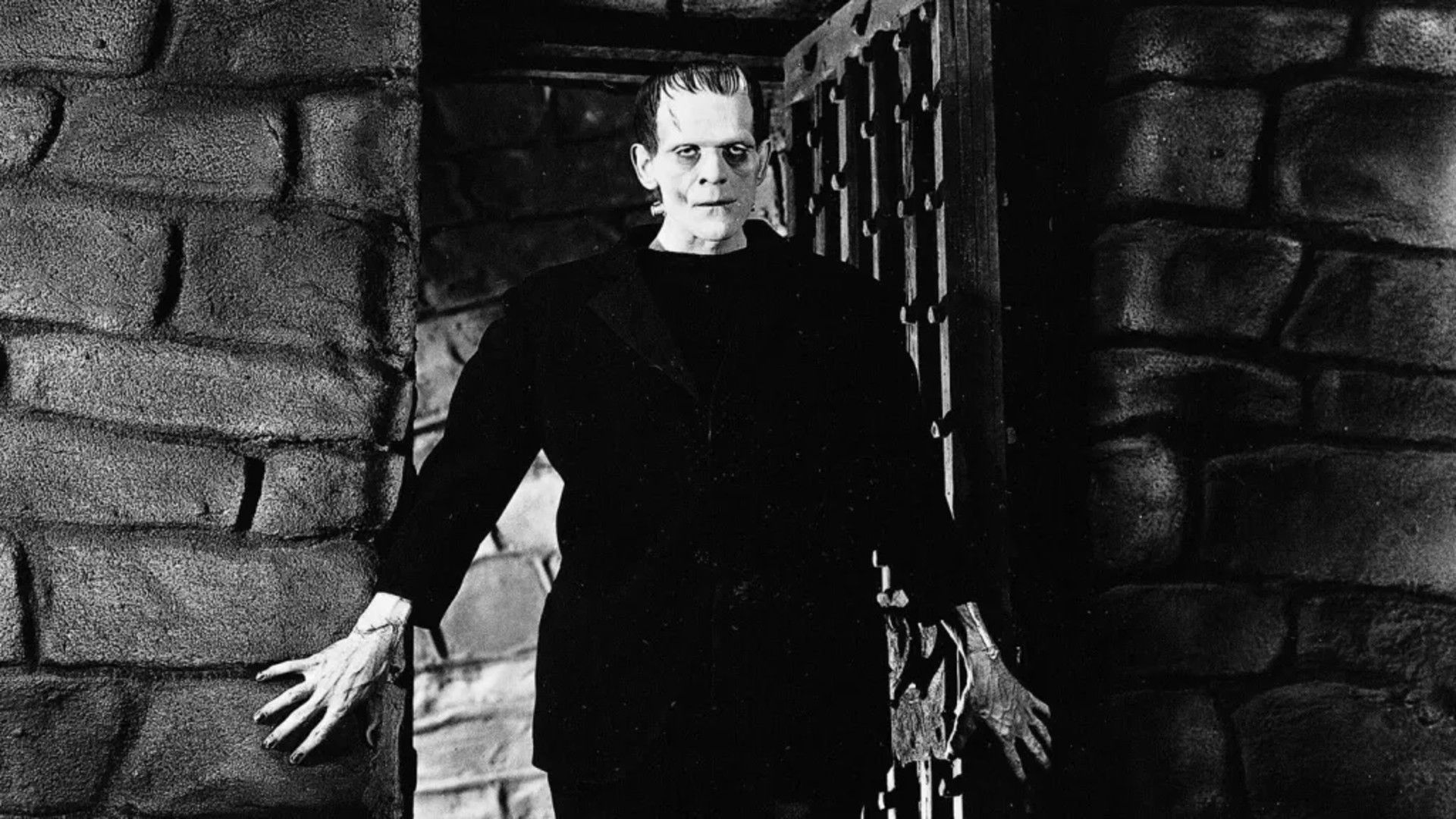
In 1931, Universal Studios revolutionized horror with the release of Dracula and Frankenstein, sparking a debate over which film is truly superior. While The Phantom of the Opera (1925) is often included in discussions of this era, the Universal Classic Monsters series officially began with the debut of Dracula in February 1931. Starring Bela Lugosi, the film brought horror to a wider audience and established Universal as a leader in the genre.
The studio had another huge success later that year with Frankenstein. Similar to Dracula, it turned its monster – brilliantly played by Boris Karloff – into a star. Released just nine months apart, both films quickly became massive hits and launched long-running franchises. Even when shown again later, these two movies continued to thrill audiences.
Universal Pictures expanded its collection of classic monsters with characters like The Mummy, The Invisible Man, and The Wolf Man, but Dracula and Frankenstein remained the most iconic. This naturally led to a rivalry between the two films, and people still debate which one is better. Both movies were incredibly important for cinema, and each excels in different ways.
Both Dracula and Frankenstein will become freely available to everyone on January 1, 2027, and the discussion about which film is better will probably continue for years to come. As new audiences discover these classics, they’ll likely be just as captivated as viewers were in the 1930s. Regardless of which is considered superior, both films are important works of art that greatly influenced the horror genre we know today.
Dracula Is A Hypnotic Thriller That’s Still Creepy Today
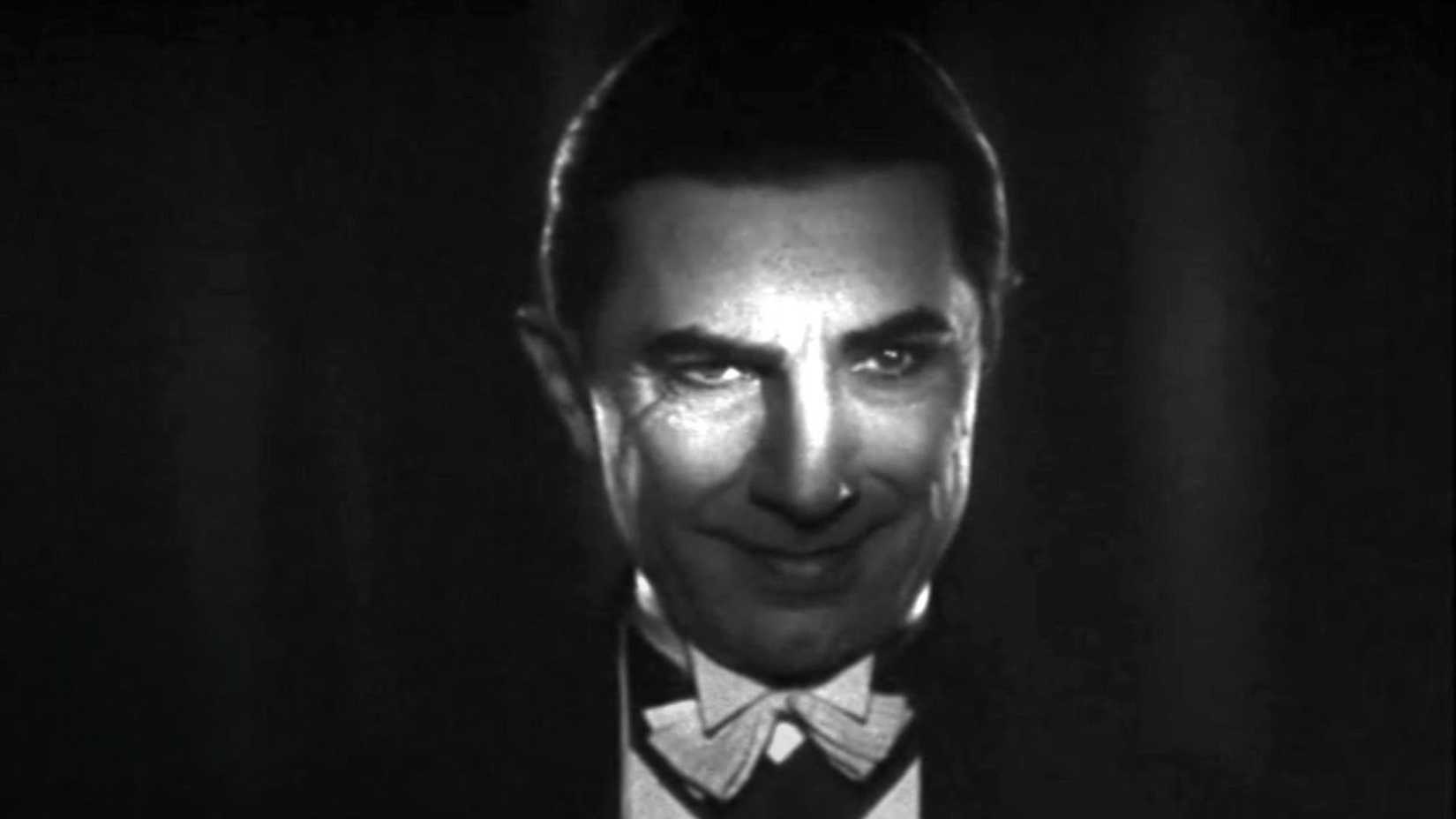
Released on Valentine’s Day in 1931, Dracula was a groundbreaking horror film, being one of the first to use synchronized sound. Both horror movies and sound in film were still new at the time, making Dracula a unique project for Universal Studios. Since filmmakers were still perfecting sound technology, the film doesn’t have a musical score, which actually enhances its eerie and captivating atmosphere.
Bela Lugosi’s portrayal of Count Dracula is what the film is most famous for, and rightfully so. His Hungarian accent and slow, careful way of speaking created a mysterious and captivating vampire, and essentially defined how the character has been played in movies and other forms of entertainment ever since. The rest of the actors also give strong performances, particularly Dwight Frye as Renfield, Dracula’s servant.
I still get completely drawn in every time I watch Dracula, even after all these years! There’s just something so haunting and dreamlike about it. The music is incredibly effective – it’s soft and almost puts you in a trance, and the movie doesn’t rush things, which really builds the suspense. For me, the beginning is the strongest part; watching Renfield travel to the castle immediately sets this amazing, classic Gothic mood.
Dracula deserves recognition as a groundbreaking film – it was the first of its kind. Not only did it launch the horror genre, but it also directly influenced the release of Frankenstein later that same year. Despite being made in the early 1930s, the movie still feels captivating and relevant today. Director Tod Browning’s innovative techniques fundamentally shaped the future of horror films.
Frankenstein Is A Surreal & Dreamlike Monster Movie

Boris Karloff is often named the best horror actor ever, largely because of his role in Frankenstein. Released in November 1931, the film followed the success of Dracula and quickly became a cultural phenomenon. Like Dracula was based on Bram Stoker’s novel, Frankenstein was adapted from the work of Mary Shelley.
What sets the 1931 Frankenstein apart, even today, is its surprisingly dynamic feel for a film of that era. While it shows its age with somewhat stiff staging, it also feels remarkably creative and forward-thinking. Director James Whale uses the camera in interesting ways, and isn’t afraid to get up close and personal with the Monster to really frighten the audience. Boris Karloff’s performance, combined with Jack Pierce’s incredible makeup, is what makes the Monster such a lasting and recognizable figure.
The film Frankenstein uses visual techniques inspired by German Expressionism, like strange sets and dramatic shadows, creating a surreal, dreamlike atmosphere. This makes the world of the movie feel unsettling and disorients the viewer. Beyond its visual style, Frankenstein is also surprisingly diverse, featuring a variety of interesting settings and even some scenes filmed outdoors, which was unusual for the time.
Boris Karloff’s performance is truly exceptional. He doesn’t just play a scary monster; despite being covered in makeup and never speaking, he makes the creature both frightening and surprisingly sympathetic, even human. While the film takes liberties with the original novel, it successfully conveys the core moral questions that inspired Mary Shelley’s story.
Frankenstein Wins The Battle Of The Classic Universal Movies

Comparing Dracula and Frankenstein isn’t a fair fight, but Frankenstein is the stronger film overall. While Dracula is a truly terrifying and perhaps even more frightening movie, Frankenstein ultimately offers more as a cinematic experience. Both films have weaknesses, but Frankenstein manages to rise above them through its inventive filmmaking.
Look, I adore Dracula, but let’s be real – it definitely sags a little in the middle. There’s a lot of just people chatting in fancy rooms, and that’s because the movie is really based more on the stage play than the Bram Stoker novel itself. Plus, a bunch of stuff happens off-screen, which was a workaround for the limitations of filmmaking at the time, but honestly, it’s not super engaging to watch. It has some truly brilliant moments, but it’s a bit of a mixed bag overall, you know? A classic, but not a perfect one.
Unlike Dracula, Frankenstein doesn’t hold back. From the moment the monster appears to the intense confrontation by the lake, the audience sees everything. This demonstrates the bold creativity of director James Whale, who skillfully brought the story to life with no compromises. While both films faced censorship due to the social norms of the time, Frankenstein still feels rebellious and truly embodies the spirit of horror.
Both Dracula and Frankenstein are exceptional films, but Frankenstein truly showcases the incredible potential of cinema. This 1931 classic has influenced every monster movie made since, often in ways that aren’t immediately apparent. Its compelling story continues to inspire filmmakers, proving that horror can be thought-provoking and meaningful, rather than just scary.
Read More
- Off Campus Season 1 Soundtrack Guide
- Chainsaw Man Volume 24’s Cover Art Reveals a Brand-New Denji
- X-Men ’97 Finally Gave Gambit the Hero Moment He Deserved
- 46 Years Later, The Mandalorian & Grogu Answers A Major Empire Strikes Back Question
- HoI4 fans harsh reactions to the announcement of another DLC pack
- 10 Worst End-Game Couples In Sitcom History
- Emily Henry Says to ‘Trust the Vision’ For Beach Read Adaptation
- Gold Rate Forecast
- DoorDash responds after customer uses AI to make food look bad and get a refund
- Katanire’s Yae Miko Cosplay: Genshin Impact Masterpiece
2026-05-11 00:13