Spotting Trouble in the Stream: How AI Learns from Past Events
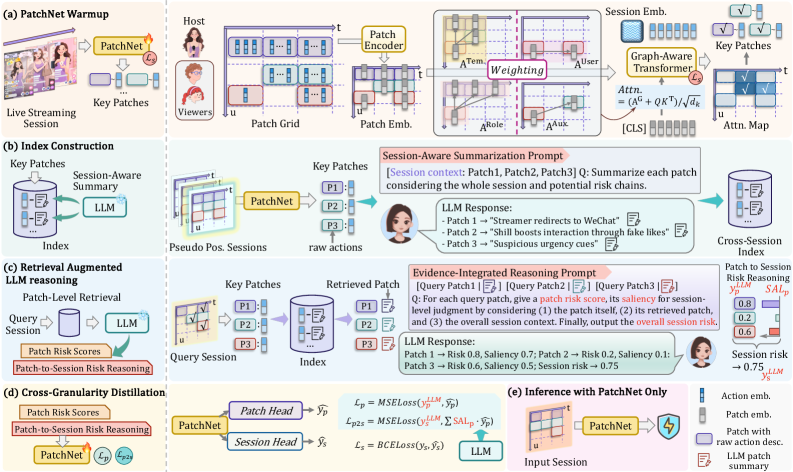
A new framework uses artificial intelligence to predict and mitigate risks in live streaming by analyzing patterns of behavior across multiple sessions.
A new framework uses artificial intelligence to predict and mitigate risks in live streaming by analyzing patterns of behavior across multiple sessions.
Researchers have developed a lightweight model to better understand gene expression within the physical context of tissues, paving the way for more accurate biological insights.
![The model distinguishes itself from traditional Federated Graph Neural Networks by establishing a communication structure-indicated by sequential exchanges [latex]❶[/latex], [latex]❷[/latex], and [latex]❸[/latex]-between server and clients, fundamentally altering the flow of information during the learning process.](https://arxiv.org/html/2601.15722v1/x1.png)
A new approach drastically cuts communication costs in federated graph learning, enabling more practical and privacy-preserving analysis of complex network data.
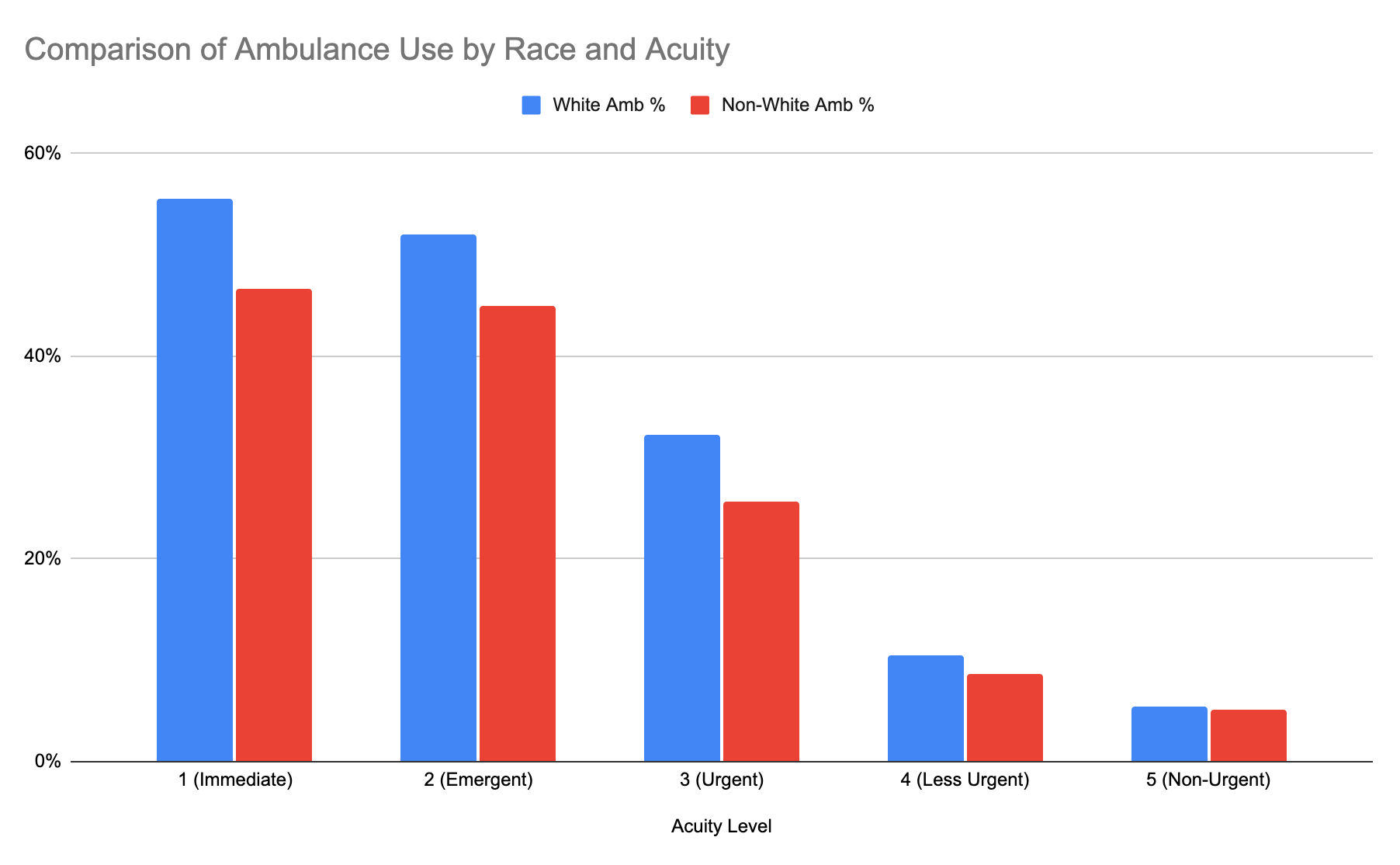
New research reveals that artificial intelligence systems used to prioritize patients in emergency rooms can exhibit subtle biases, potentially leading to unequal care.
A new framework focuses on quantifying uncertainty directly in the learned representations, leading to more stable, calibrated, and robust AI models.
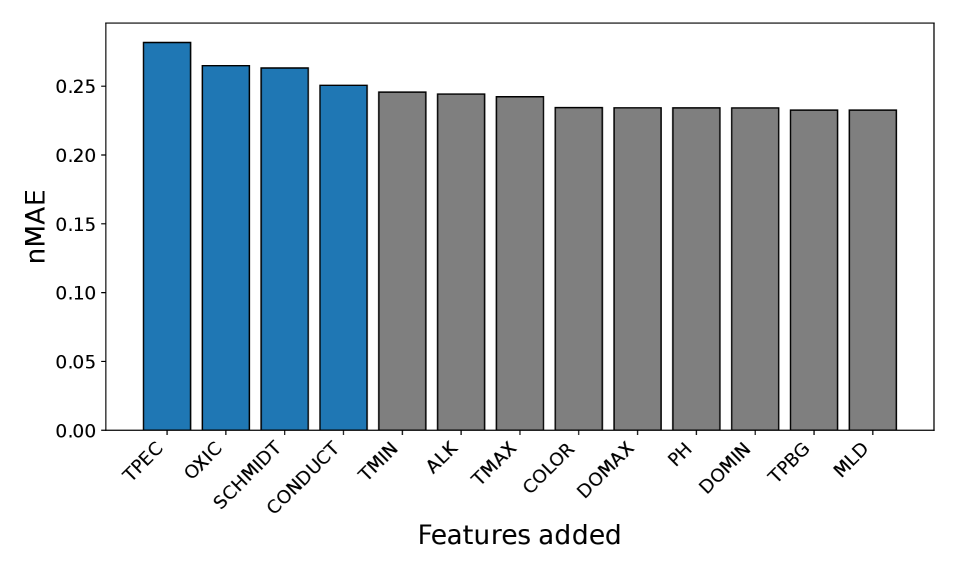
A new machine learning framework pinpoints the minimal data needed to accurately predict lake water clarity, streamlining monitoring efforts and improving resource management.
![The weighting function [latex]\Omega(p_t, f_c)[/latex] demonstrates an asymmetric relationship between prediction confidence [latex]p_t[/latex] and class frequency [latex]f_c[/latex], utilizing a pivotal point ω to differentiate low-confidence regions and facilitate smooth transitions between patterns characteristic of both tail and head classes.](https://arxiv.org/html/2601.15924v1/wireframe.png)
A new approach dynamically adjusts training to prioritize challenging examples from underrepresented classes, improving performance on imbalanced datasets.
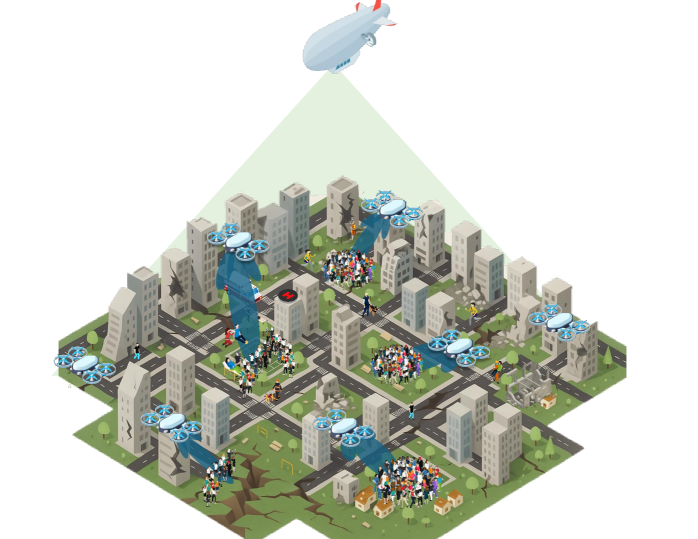
A new framework leverages high-altitude platforms and drones to rapidly restore communication and provide critical environmental data in the wake of natural disasters.
A novel statistical framework leverages both past performance and real-time data to more accurately forecast when engineering systems will need maintenance or replacement.
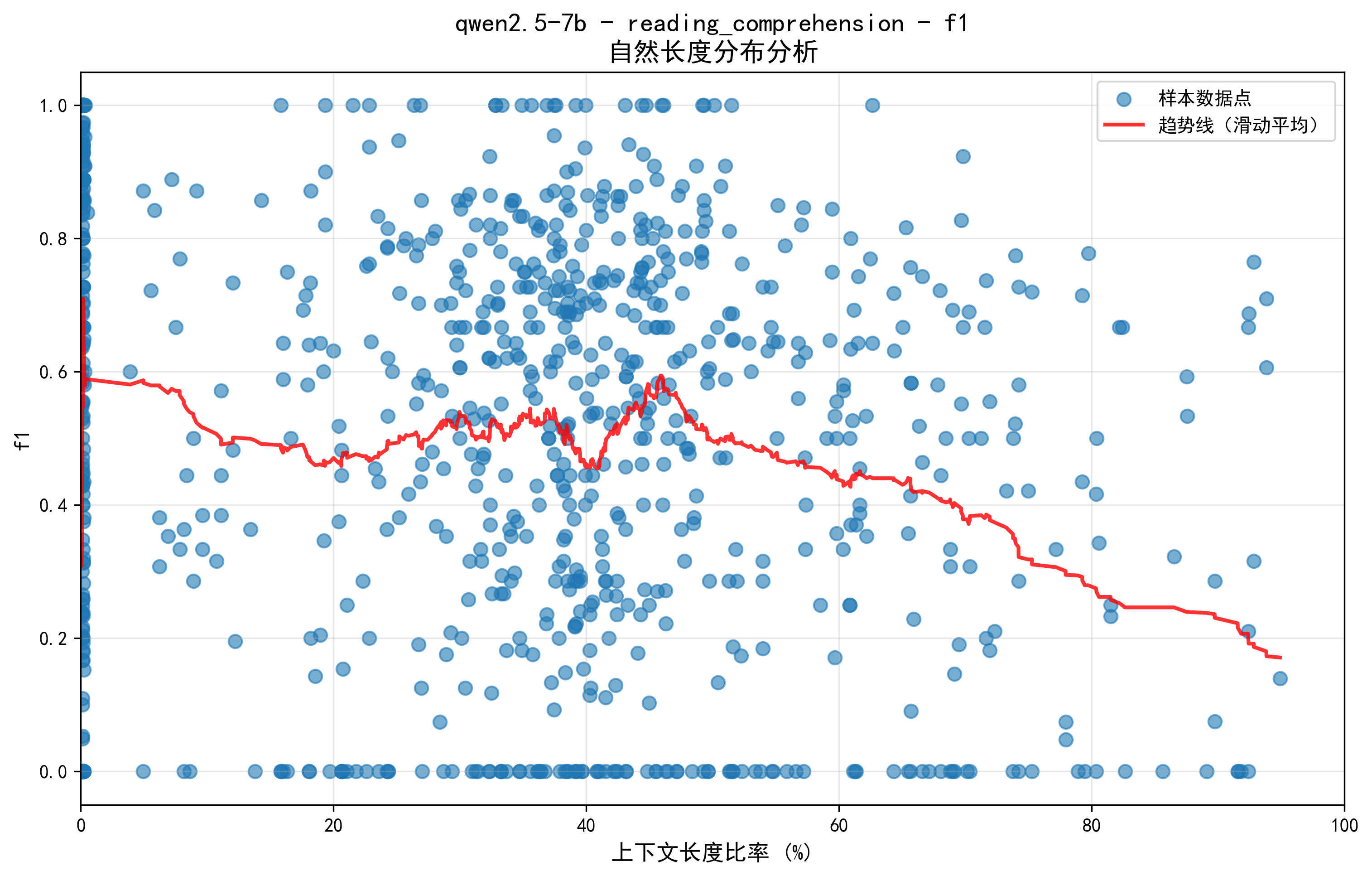
New research reveals a surprising performance drop in large language models as they process longer sequences of text, even when architecturally capable.