Mapping the Limits of AI: Where Language Models Go Wrong
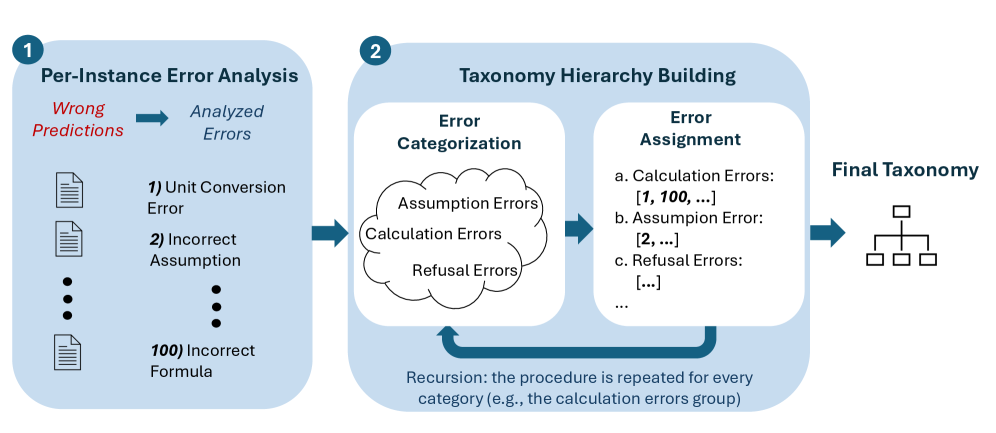
A new framework systematically charts the common failure points of large language models, offering a crucial step towards more reliable and understandable AI.
A new framework systematically charts the common failure points of large language models, offering a crucial step towards more reliable and understandable AI.
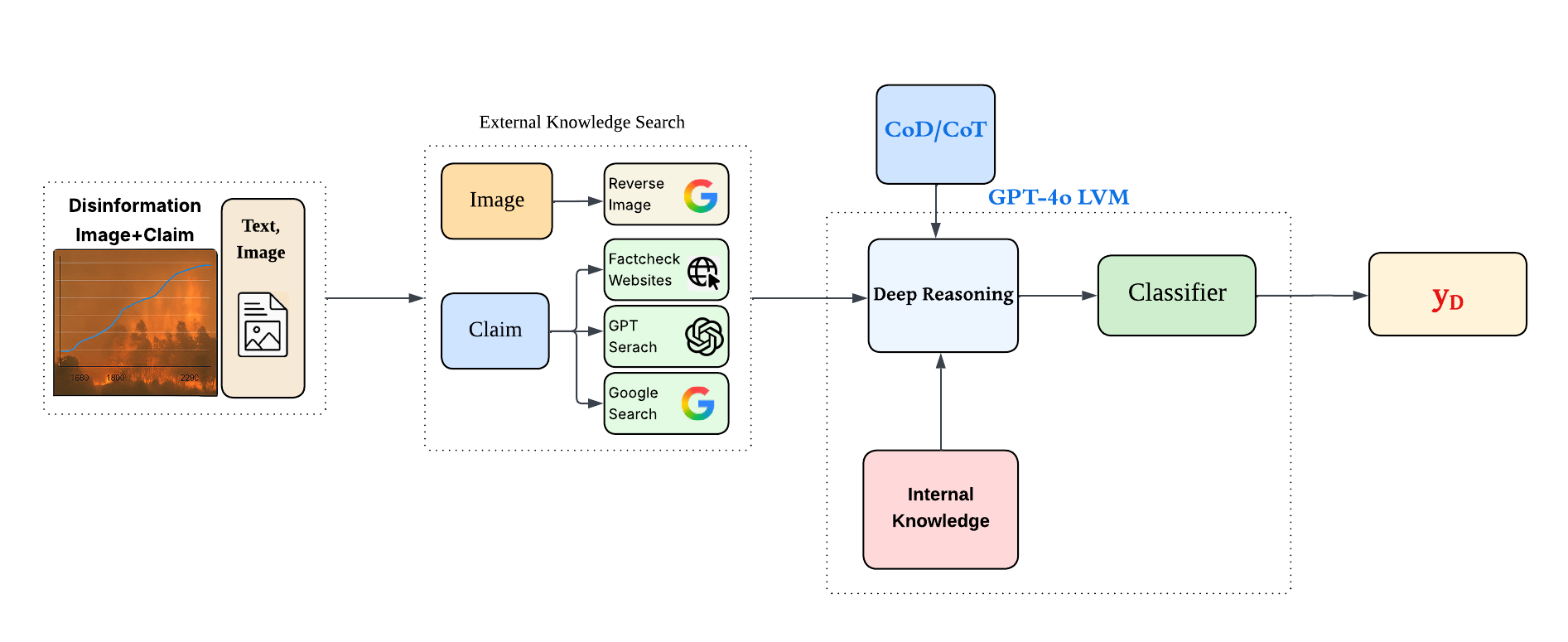
A new study demonstrates that pairing advanced AI models with external knowledge sources dramatically improves their ability to identify misleading content related to climate change.

New research demonstrates how artificial intelligence can enhance the detection of structural defects in critical underground infrastructure like culverts and sewers.
A new study reveals significant inconsistencies in the safety and performance of large language models when tested beyond English, highlighting critical gaps in current evaluation methods.
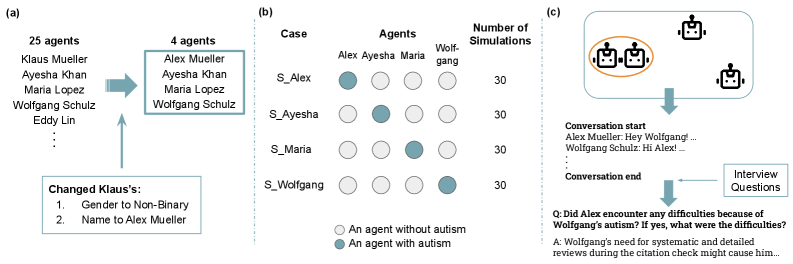
New research using multi-agent simulations reveals that large language models may reinforce harmful stereotypes about autistic individuals and their communication styles.
![The proposed AgriPINN model integrates deep learning with established crop physiology by embedding the LINTUL5 biomass-growth ordinary differential equation-described as [latex]\frac{d AGB}{dt}[/latex]-as a soft constraint within the neural network’s optimization process, simultaneously predicting above-ground biomass (AGB) alongside latent physiological variables such as leaf area index (LAI), radiation use efficiency (RUE), photosynthetically active radiation (PAR), and foliage water fraction, and then using the resulting process residual [latex]r(\mathbf{p},t)[/latex] to enforce biophysical consistency across space and time.](https://arxiv.org/html/2601.16045v1/x1.png)
A new hybrid AI framework, AgriPINN, combines the power of deep learning with established agricultural models for more accurate and interpretable crop biomass predictions under challenging conditions.
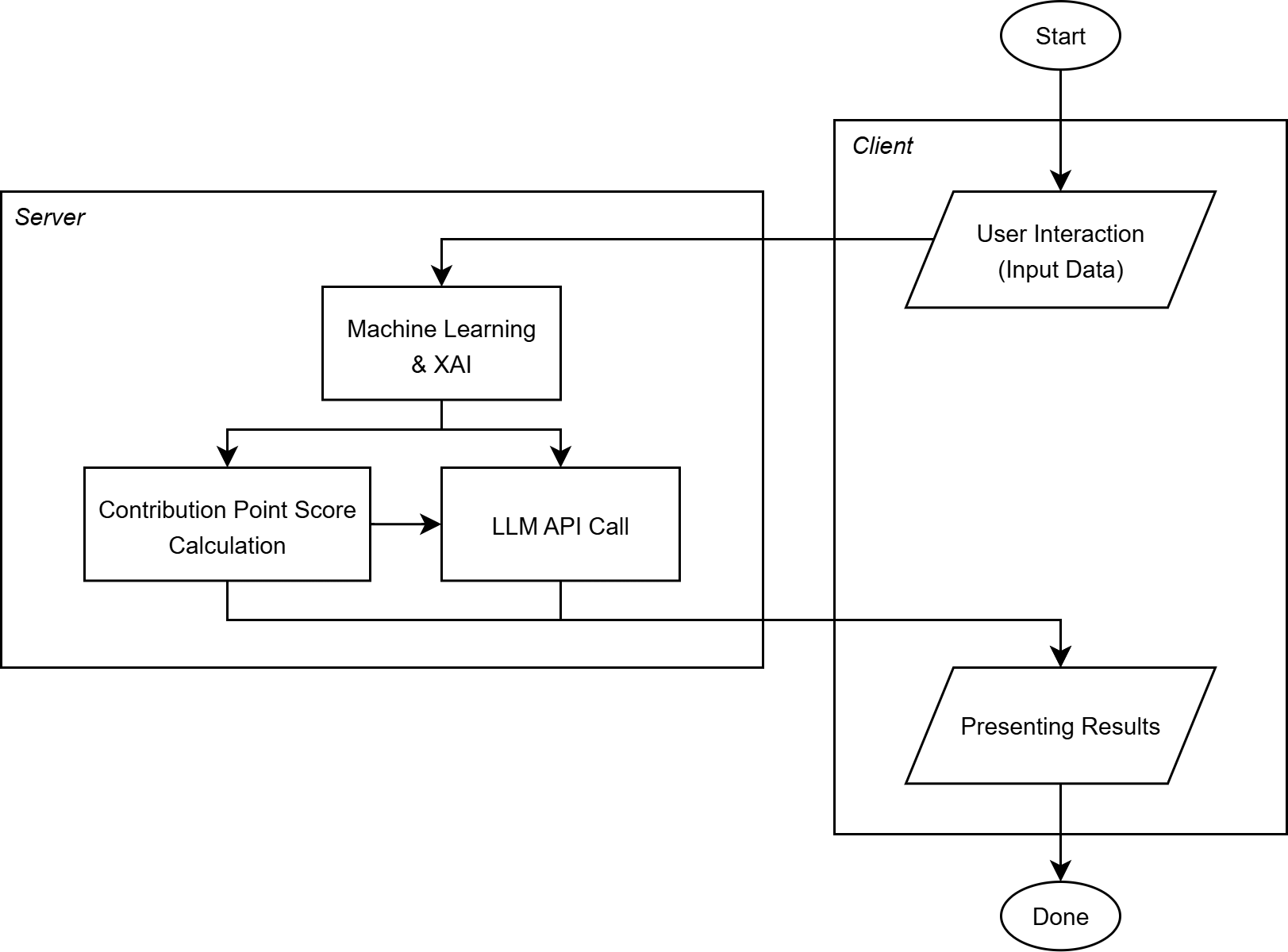
A new mobile application translates complex artificial intelligence predictions into clear, user-friendly explanations of individual diabetes risk.
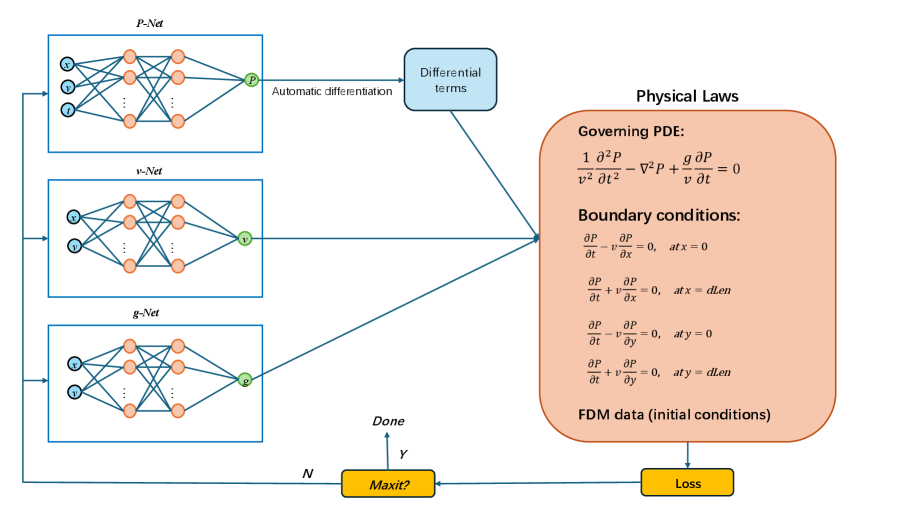
A new framework leverages the power of physics-informed neural networks to accurately simulate and invert viscoacoustic wave propagation, even with limited data.
![The study tracked monthly macroeconomic indicators - including business activity [latex]BA.F[/latex], inflation [latex]IN.F[/latex], consumer trust [latex]CTS.F[/latex], consumer sentiment [latex]CNS.F[/latex], money supply [latex]MN.F[/latex], and interest rates [latex]IT.F[/latex] - to delineate five distinct socioeconomic periods, revealing how these features collectively chart the evolution of economic landscapes.](https://arxiv.org/html/2601.15514v1/Image/features_time_series_plot.png)
New research explores whether tracking macroeconomic indicators can offer valuable early warnings for public health challenges, particularly related to system capacity and workforce strain.
![Portfolio optimization benefits from a proposed neural network-based nonlinear precision matrix estimator, building upon established techniques like Ledoit-Wolf covariance estimation [latex] LW [/latex] and eigenvalue decomposition [latex] ED [/latex] to refine asset allocation strategies.](https://arxiv.org/html/2601.15597v1/x1.png)
A new approach uses neural networks to refine covariance matrix estimation, leading to demonstrably lower portfolio risk compared to traditional methods.