Eyes on the Sky: AI for Safer Flights
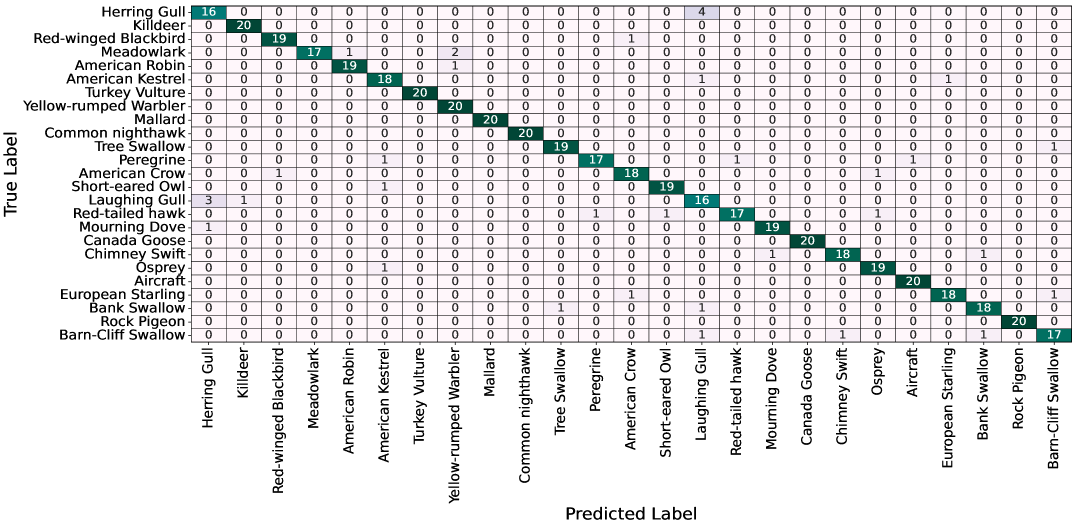
New research explores how deep learning can improve bird strike prevention by automatically identifying species and predicting flock behavior near airports.
New research explores how deep learning can improve bird strike prevention by automatically identifying species and predicting flock behavior near airports.
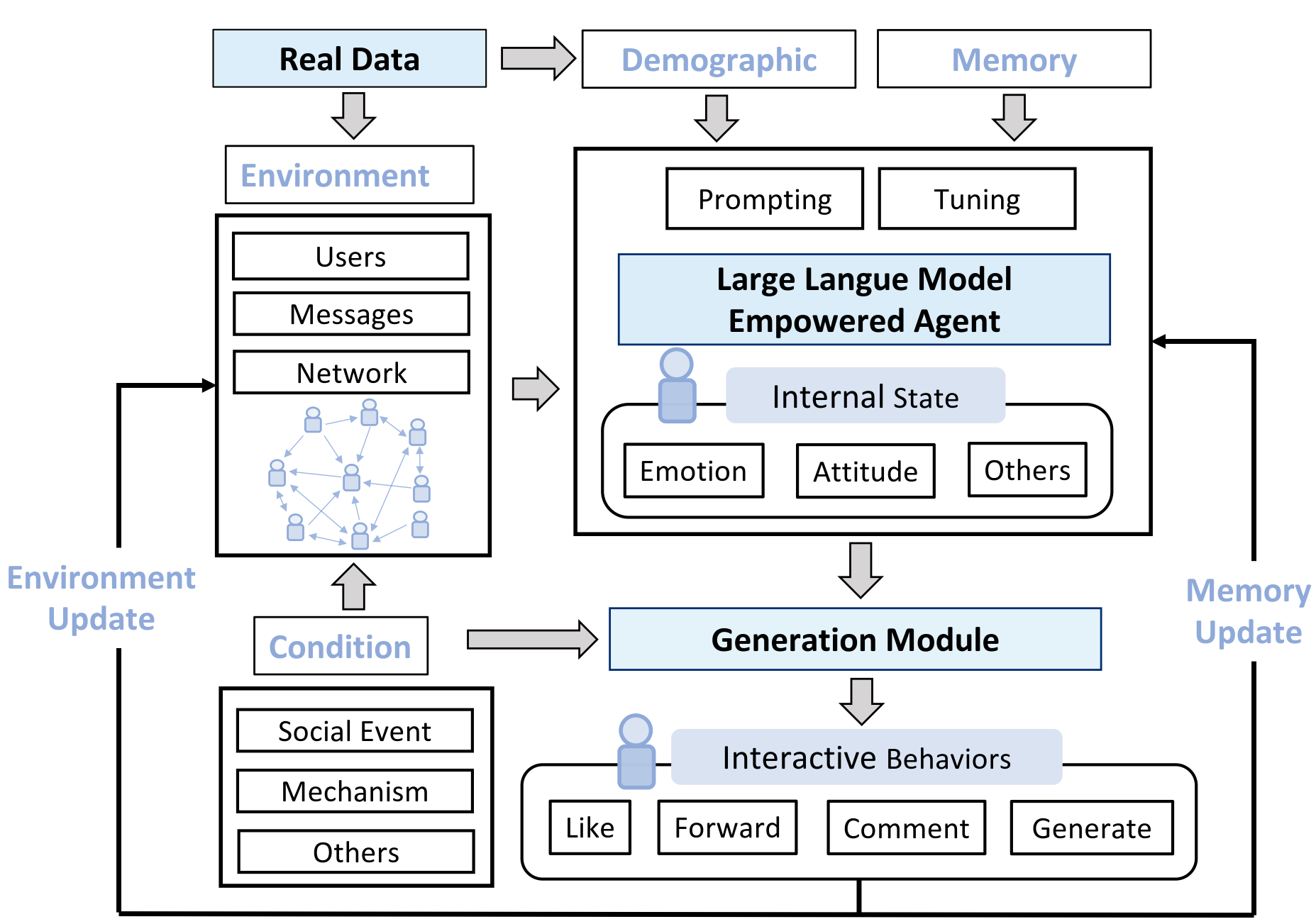
New research explores how large language models are being leveraged to understand and predict the dynamics of spreading processes, from disease outbreaks to the viral spread of information.
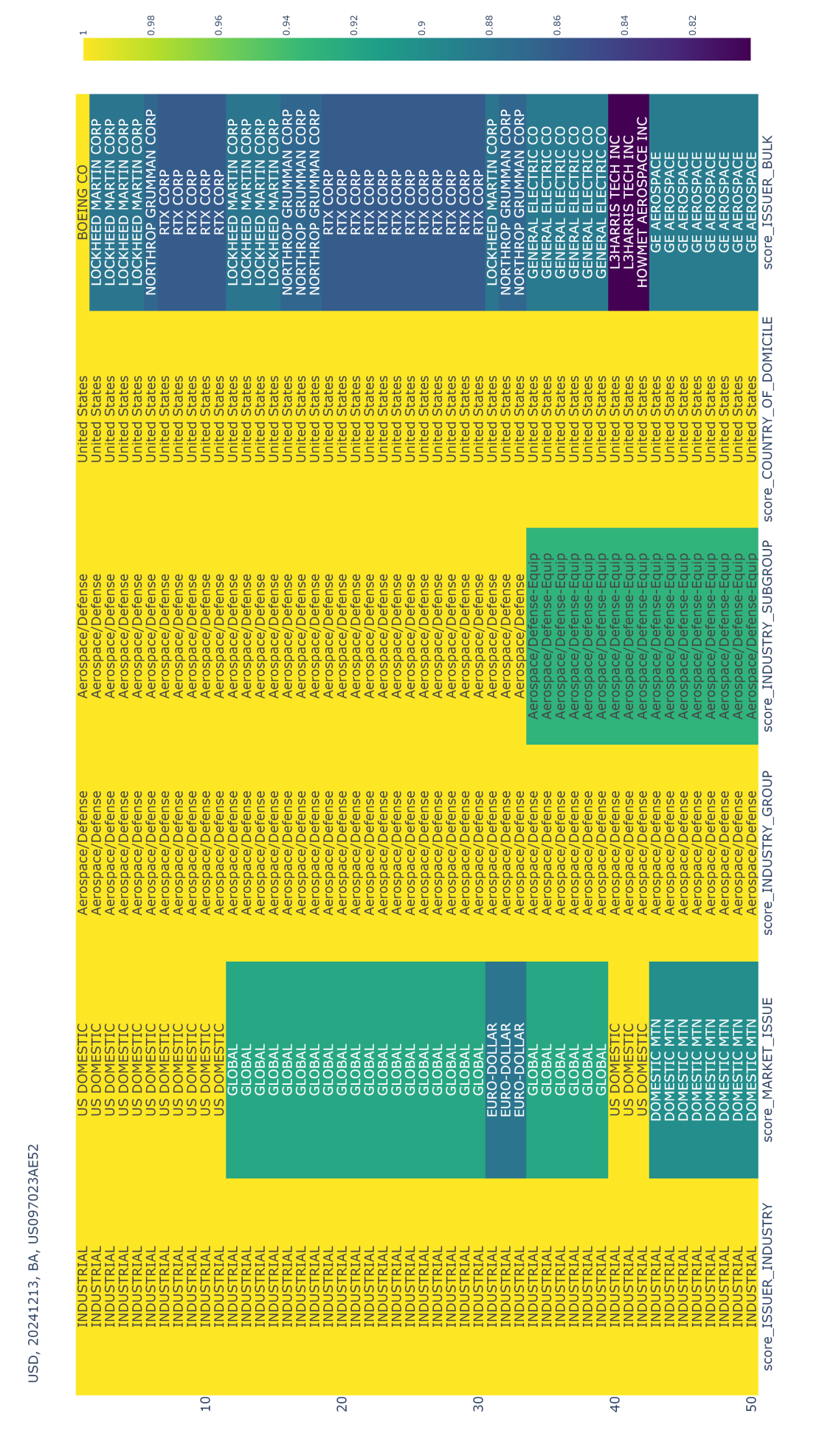
New research demonstrates how learned representations of bond characteristics can dramatically improve similarity searches and modeling in fixed-income markets.
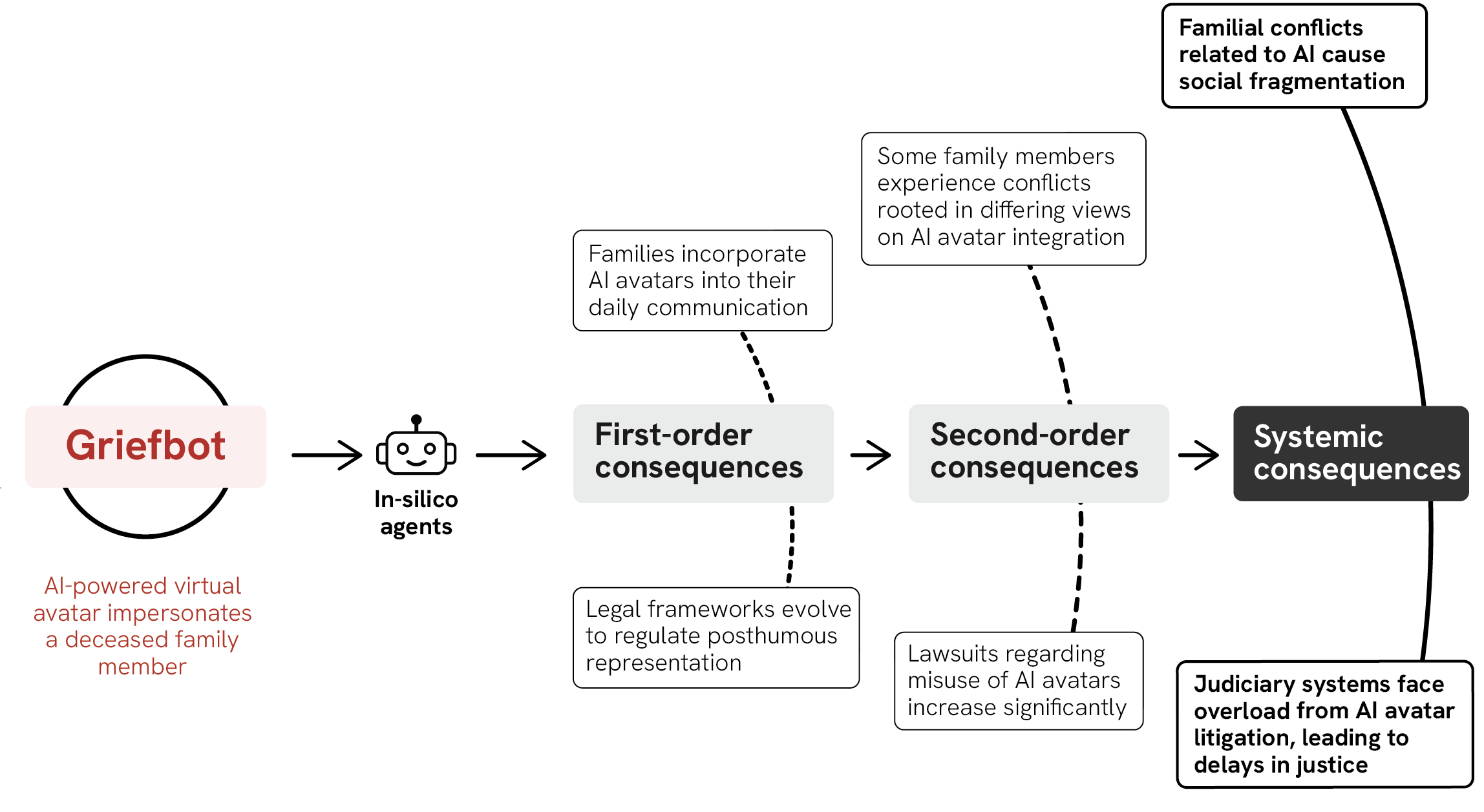
A new approach combines the broad analytical power of artificial intelligence with human judgment to proactively identify and mitigate systemic risks posed by rapidly evolving AI technologies.
![The observed correlation between the Market Sentiment Predictability Index (MSPI) and subsequent market volatility-where each point represents [latex]\text{MSPIt}[/latex] against [latex]\sigma^{mkt}\_{t+1}[/latex]-lends credence to the interpretation of MSPI as a predictive indicator of market risk states.](https://arxiv.org/html/2602.07066v1/figures/stress_phase.png)
A new approach uses real-time data and statistical modeling to quantify the probability of entering a period of significant market stress.
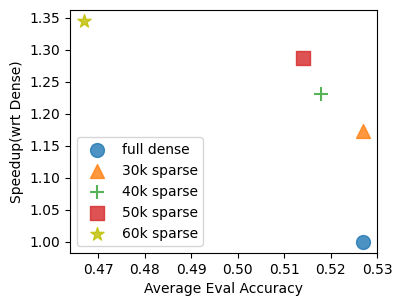
Researchers are pushing the boundaries of efficient AI model training by strategically reducing computational load at the neuron level.
A new approach unifies detection of both security vulnerabilities and unreliable outputs in advanced machine learning models.
![A reconstruction of a coronal mass ejection (CME) observed on April 21, 2023, utilized in situ magnetic field measurements to model the three-dimensional magnetic field configuration approximately ten hours before its arrival at Wind, revealing specific field lines within the CME’s structure and quantifying the uncertainty inherent in such reconstructions through an ensemble spread represented by [latex]2\sigma[/latex].](https://arxiv.org/html/2602.06926v1/3DCORE_example.png)
Researchers have developed an automated pipeline to forecast the magnetic field structure of coronal mass ejections, offering a crucial step towards improved space weather prediction.
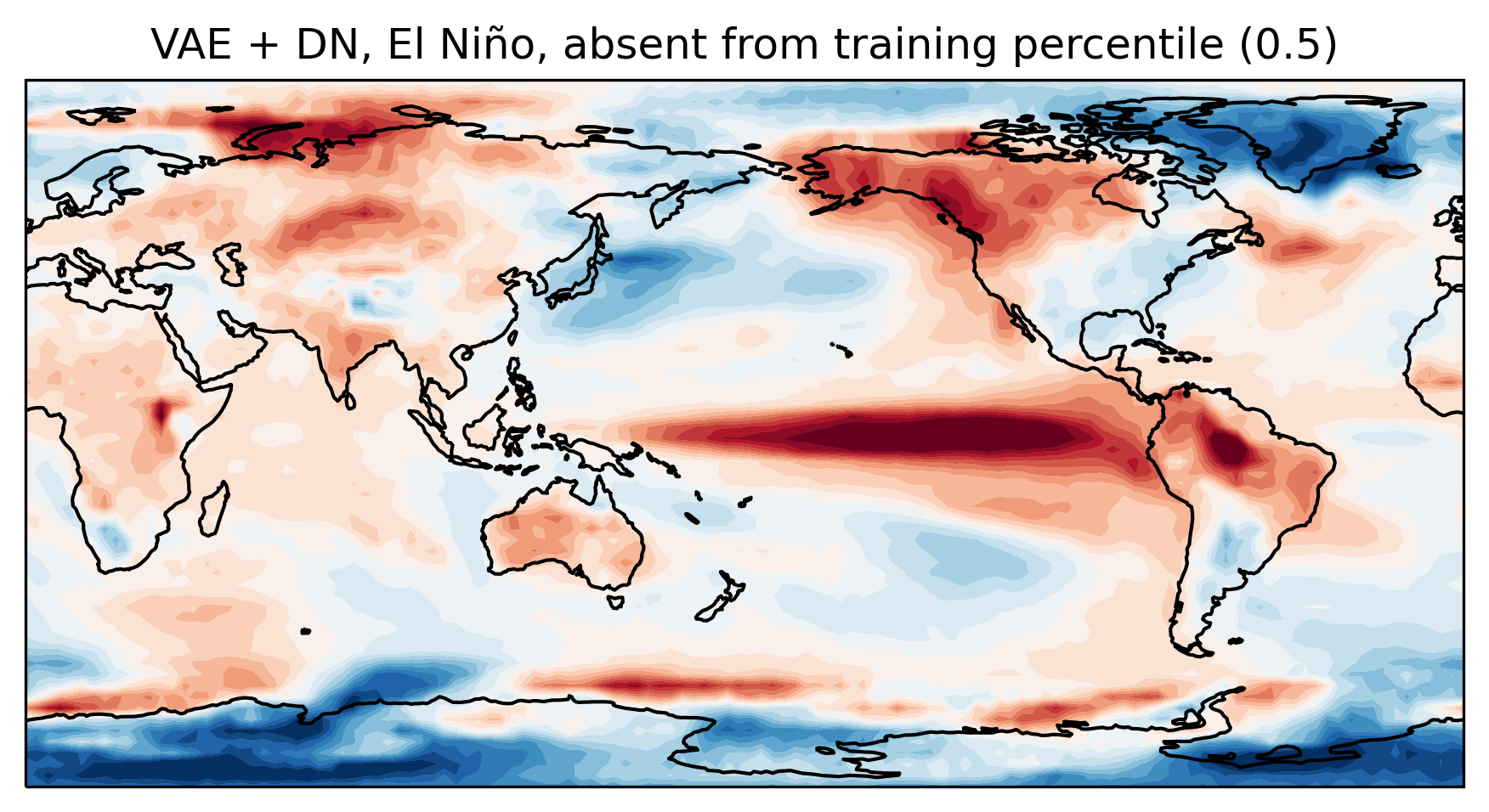
Researchers are leveraging generative machine learning to dramatically increase the scope of climate model ensembles, offering a path toward more robust and reliable predictions.
A new approach uses the power of large language models to detect subtle anomalies in system logs, offering a more proactive and adaptable defense against modern cyberattacks.