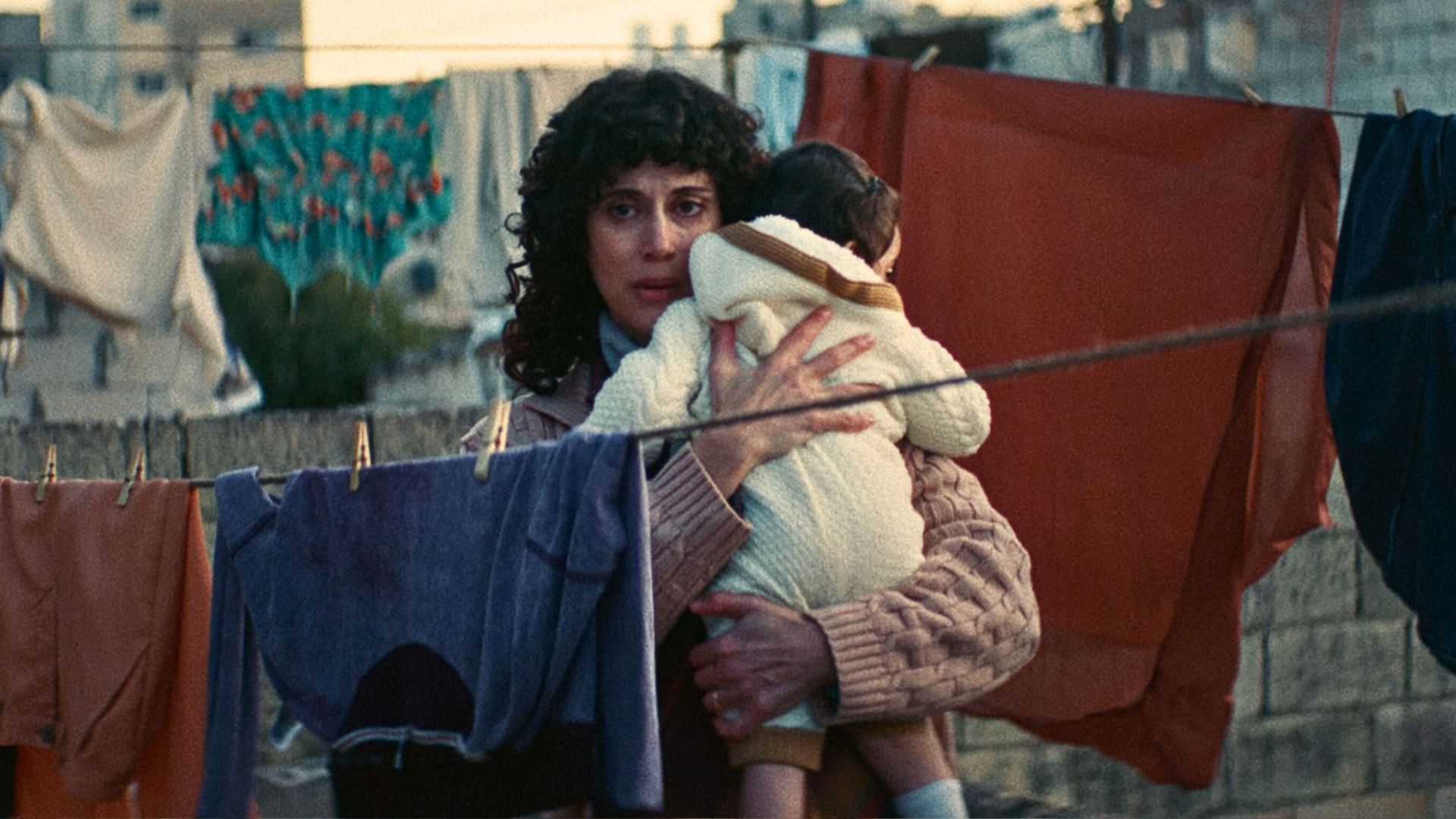
All That’s Left of You is a deeply affecting story about a Palestinian family living in the occupied West Bank, spanning three generations. The narrative begins with their forced displacement from their beloved home, setting off a series of tragic events that impact the family for decades under oppressive conditions. The story suggests this subjugation fuels the ongoing, widely publicized conflict. However, amidst the sorrow and loss, moments of unexpected compassion shine through, offering a message of hope. Ultimately, the novel proposes that even in the face of deep animosity, shared humanity can triumph over hatred and the desire for revenge.
Cherien Dabis, who wrote, directed, and stars as Hanan, begins the film with a conversation, explaining that the events to come can only be fully understood by looking at the past. The scene then shifts to 1988 in the West Bank, where her son, Noor, and his friend Malek are running through the streets with other teenagers. Their gathering quickly turns tense as Israeli tanks and soldiers arrive, blocking the crowd. Frustration boils over, and the Palestinians begin throwing rocks, sparking a riot.
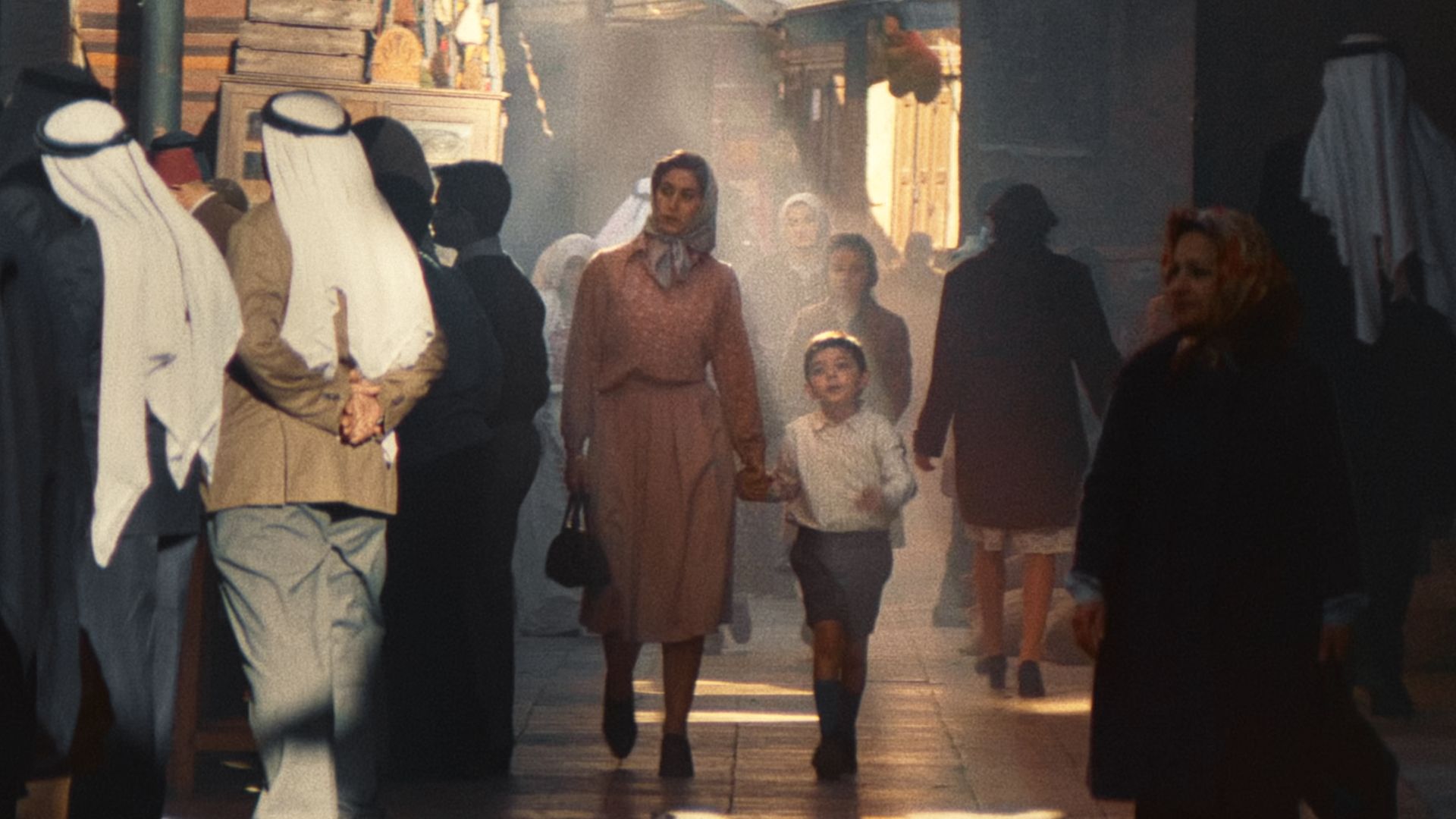
The scene shifts back to 1948, showing Noor’s grandfather, Sharif, walking through his orange groves in Jaffa. He returns home to his wife, Munira, and their children, who are gathered for dinner. In the distance, the sounds of shelling and gunfire are audible. Their youngest son, Salim, is frightened by the noise, but Sharif tries to soothe him with poetry and games, though he is also clearly worried. A radio broadcast reports that Zionist militias are approaching. Despite the danger, Munira firmly believes the Arab armies will be victorious.
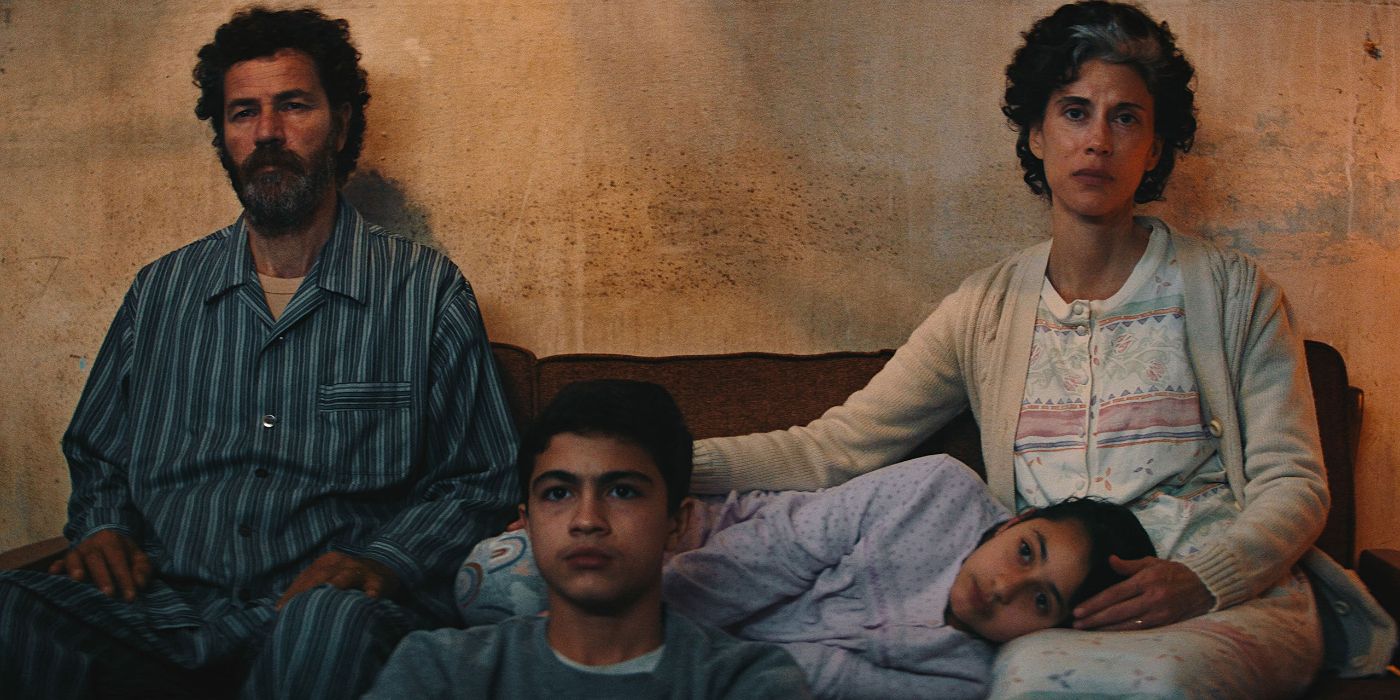
In 1978, thirty years later, Sharif (Mohammad Bakri), now older and bearing the marks of hardship, shares stories with young Noor (Sanad Alkabareti) about their once-abundant orange groves and the woman he loved, Munira. But his words feel empty as he looks around their small, run-down apartment. His son, Salim (Saleh Bakri), listens worriedly and realizes his father needs to see a doctor. Salim’s wife, Hanan, reminds him that curfew is approaching, but Salim believes the Israeli army has temporarily lifted it. He plans to take Noor with him to the doctor, hoping they won’t encounter any trouble.
Sundance Institute
All That’s Left of You powerfully portrays the fear and devastation of being forced to leave home, especially in its opening scenes. Sharif, a farmer deeply rooted to his land, never expected his family to become refugees. He couldn’t fathom losing everything so quickly. As a young father, his hopes for the future are shattered by violence, imprisonment, and hunger. The comfortable life he imagined for his children becomes a distant memory. Though they’ve lost everything, the pain and resentment of that loss take root and grow in the next generation.
Salim fears Sharif’s longing for the past is actually making things harder for them now. Caught between protecting his family and trying to appease the Israeli soldiers, Salim is seen as weak by Noor. This breeds anger and frustration within him, leaving him feeling trapped with no way forward – his people are either oppressed or destroyed. It’s impossible to reason with the younger generation when their hatred is so intense, and this leads to a worsening conflict against a much stronger enemy who also feels justified in their fight. The outcome is a relentless cycle of death, devastation, and grief. The film suggests that only compassion can break this pattern, a lesson powerfully delivered in a heartbreaking climax that changes the story’s direction.
The film All That’s Left of You presents a distinctly Palestinian viewpoint and doesn’t offer a balanced Israeli perspective. It depicts the harsh realities of life under what the film portrays as an apartheid system, focusing on the difficulties Palestinians face with checkpoints, ID checks, and security raids. The story evokes strong emotions as characters struggle to access necessary medical care, often with tragic consequences. The filmmaker, Dabis, intentionally presents events from this single perspective, believing it to be truthful. While some viewers might see the film as biased or propaganda due to its clear stance, that wasn’t the filmmaker’s intention – she aimed to depict her experiences honestly.
Watermelon Pictures
The ending of All That’s Left of You is powerfully emotional and truly moving. It clearly shows the author’s message: even when everything isn’t perfect, people can still find some peace and understanding. While problems might not completely disappear, finding common ground and goodwill is possible – but it often requires making difficult sacrifices.
Subscribe to the newsletter for thoughtful film context
Curate your understanding by subscribing to our newsletter — receive thoughtful film analysis, historical context, and curated viewing recommendations that illuminate stories and the issues they portray. Subscribing deepens cinematic perspective.
I’m really excited about seeing All That’s Left of You – I hear it features Arabic dialogue with English subtitles, which sounds fascinating! It’s a collaboration between Pallas Film, Twenty Twenty Vision, and AMP Filmworks, and Watermelon Pictures is releasing it in theaters on January 9th, though it will be a limited run, so I’ll have to make sure I don’t miss it.
Read More
- United Airlines can now kick passengers off flights and ban them for not using headphones
- Crimson Desert: Disconnected Truth Puzzle Guide
- All 9 Coalition Heroes In Invincible Season 4 & Their Powers
- Mewgenics vinyl limited editions now available to pre-order
- Grok’s ‘Ask’ feature no longer free as X moves it behind paywall
- Assassin’s Creed Shadows will get upgraded PSSR support on PS5 Pro with Title Update 1.1.9 launching April 7
- The Boys Season 5 Spoilers: Every Major Character Death If the Show Follows the Comics
- Grey’s Anatomy Season 23 Confirmed for 2026-2027 Broadcast Season
- Viral Letterboxd keychain lets cinephiles show off their favorite movies on the go
- What happened to Tech Jacket in Invincible? Showrunner explains Season 4 change
2026-01-10 20:03