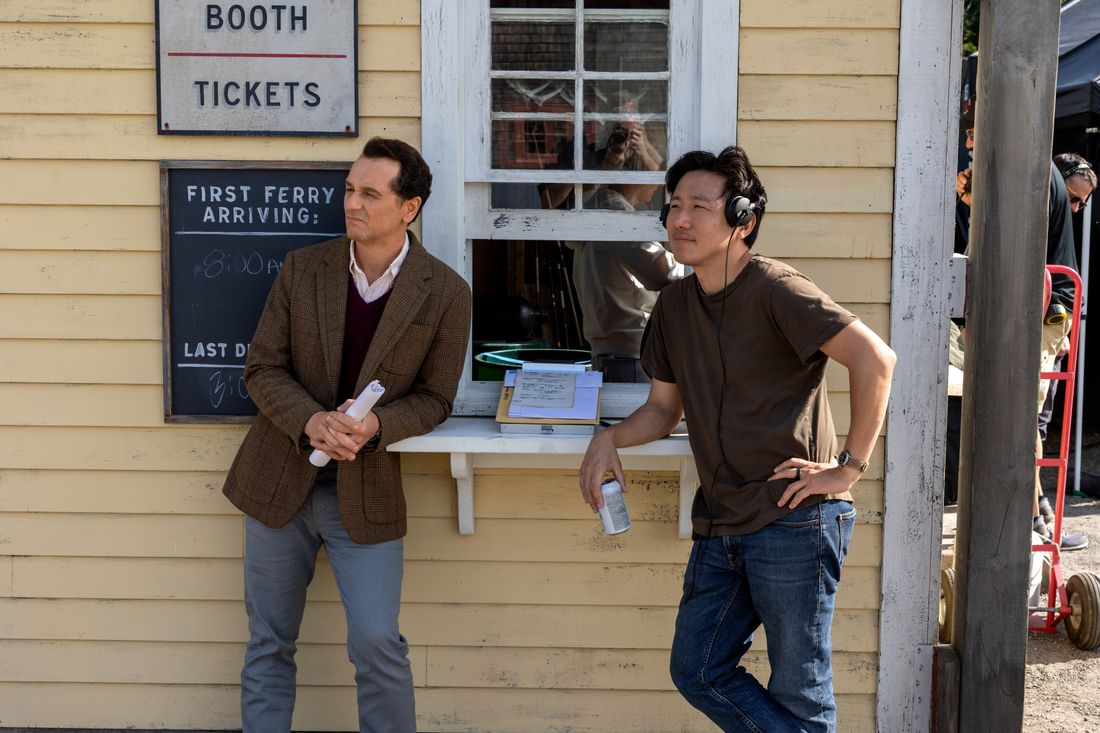
Spoilers follow for Widow’s Bay through the season-one finale, “We Hope You Enjoyed Your Time!”
Katie Dippold’s series, Widow’s Bay, immediately feels fully realized, a strange but seamless blend of elements. The show centers on Mayor Tom Loftis (Matthew Rhys) and his attempt to revitalize the tourism industry in his town, which is plagued by a mysterious curse. What makes Widow’s Bay special is its unique tone – it’s a brilliantly funny comedy packed with jokes, yet also genuinely scary. Simply calling it a ‘horror-comedy’ doesn’t quite capture what it does so well. The best moments occur when humor and horror blend together perfectly, like in the second episode where a seemingly simple card game creates both laughter and genuine chills. This combination of amusement and dread continues throughout the season, culminating in a tragic ending: Tom fails to break the curse on Widow’s Bay, leaving his son stuck there. Despite this, viewers will likely enjoy the darkly funny and frightening world, especially with Apple renewing the show for another season and the writers already planning their return.
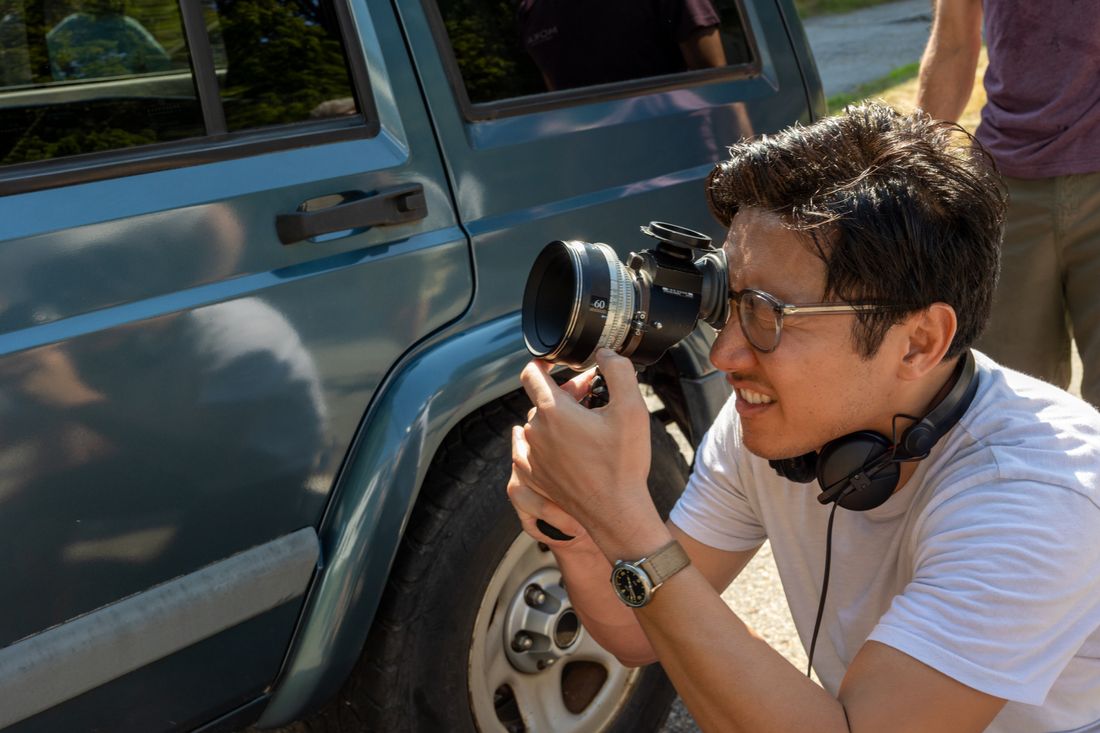
The show’s unique and fully realized atmosphere comes from creator Liz Dippold’s distinct creative vision – famously demonstrated by her ‘Babadook’ tweet – and the years she spent developing the concept. The story began as a script written for Parks and Recreation, where she worked as a writer and producer. Equally important is her partnership with Hiro Murai, an Emmy-winning director and executive producer who helmed half of the first season. His signature style, characterized by unsettling yet captivating tones, can also be seen in shows like Atlanta, Station Eleven, Mr. & Mrs. Smith, and Barry. (Atlanta is particularly relevant; watching the more suspenseful moments of this show reminded me of the fourth-season Atlanta episode “Crank Dat Killer,” which manages to find dark humor even within a serious setting like a mall shooting.) Initially, Murai wasn’t sure their styles would mesh well. He told Dippold he wasn’t spontaneous enough when she first approached him. However, after she reassured him she had a clear plan, he realized that creating the right feeling for the show was her top priority. And that, he felt, was something he could deliver.
I was surprised to hear Apple bought the concept for “Widow’s Bay” after our pitch. It’s hard to describe what makes the show special – its tone is really unique. Honestly, it’s a difficult show to summarize quickly. Luckily, Katie had already written a strong pilot script that was both funny and promising, even if the overall feel wasn’t immediately clear. I think Apple responded to our enthusiasm and took a chance on us. We presented it as something creatively bold, admitting we didn’t have anything quite like it on TV, which is risky, but sometimes you need to pitch an unusual idea.
Katie Dippold reached out to me, which was really nice. I loved the script but wasn’t sure if I was right for the job because my comedic style is different from most TV comedy directors. They often come from improv and can quickly add jokes or alternative lines, but I don’t work that way – I prefer a more understated, even absurd, sense of humor. I like things that make you question whether they’re funny! So I explained to Katie that if she needed someone who could improvise on set, I wasn’t the best choice.
Katie assured me she could handle the improv side of things – she’s incredibly skilled at it. What she really wanted was a director who could create and develop the show’s unique world, which was very important to her. The series is heavily inspired by her childhood memories and romanticized view of New England. Even though it’s a horror show, the town in Widow’s Bay represents something special to her; she actually dreams of living there! She cared more about capturing the feeling of that world than anything else, and I realized I could definitely deliver on that.
I understand the appeal of living there – it’s a place where you can truly disconnect and escape. It’s a really romantic thought. We filmed in Massachusetts for the summer, and we felt that special quality firsthand. The remoteness definitely contributes to it, but I also think it has to do with being in one of the oldest parts of the country. As Americans, we aren’t often surrounded by so much history, which can be comforting and make you feel connected to something larger than yourself. I’m not trying to explain why people love it, just that I can see why they do.
Did anything specific in the first script make the whole show come together? It was a small moment – when Loftis saw the overturned car on the wolf calendar. We originally had a different joke there, but this detail felt really odd and sparked something for me. Suddenly, I understood the show’s tone! The focus on these tiny details within the world felt fresh and engaging, and it made me realize how those small pieces would eventually build into a much larger story.
I’m interested in how you consistently create that unique atmosphere, because capturing those subtle qualities is important throughout the entire production. Developing the show’s tone takes time, and a lot of it depends on finding the right cast and crew. It helps that I often work with the same team – my Director of Photography, second DP, and editors have been with me since Atlanta ten years ago. We share a common understanding and similar tastes. We also had a good foundation with Atlanta, as we were already blending horror elements into a comedy, so we knew what techniques would work. But it still feels delicate, like we’re discovering the show’s direction as we go, almost like using a Ouija board.
We had some core ideas for the story from the beginning. The most important thing was to keep the characters believable, even when they were doing outlandish things, and to always focus on their feelings. We also wanted to create a world that felt genuine, even though it was bizarre, so the humor and horror would feel natural. Ultimately, you can’t be sure if it all works until it’s actually made.
Did you ever worry if viewers would connect with the show? I think the biggest mistake you can make is creating something instantly predictable – that means it’s been done before. Our show definitely uses elements from classic sitcoms and Stephen King, so there are familiar parts. But ideally, we wanted to create a feeling of delightful surprise. The goal was always for people to be intrigued and keep watching even if they couldn’t quite figure out what the show was.
Katie and I quickly realized how tricky it is to make a good horror-comedy. The term often brings to mind poorly made films. It’s hard to blend horror and humor successfully – typically, one element weakens the other.
It’s usually a parody or a satire. Often, it’s over-the-top or silly, where the horror elements just add to the humor, or the humor takes away from the scary parts. We struggled to find examples of this done well, so we’d often tell people, ‘It’s a horror-comedy, but it’s actually good!’ From the start, Katie and I both felt a strong intuition about this approach, so we decided to fully embrace it.
I was truly drawn into the show during a funny visual joke in the second episode – the ‘Run’ card game. It was both charming and unsettling at the same time. Like the wolf calendar, this detail felt uniquely characteristic of ‘Widow’s Bay.’ Both elements sparked questions about the town itself: What is this place? Who created these things, and how? There’s a definite sense of mystery, but also a feeling that something isn’t quite right. It makes you wonder why anyone would bother making these things, and why they’ve been left behind.
The board games were a surprisingly successful addition, hitting just the right tone. They’re a bit unsettling and odd, but it was clear the writers really enjoyed creating them – we actually came up with enough material for five or six different games! Unfortunately, we couldn’t fit them all into the show. The humor comes from a sense of underlying threat: what would genuinely scare our character Loftis if he found it alone at night? It’s meant to be both creepy and amusing. It even draws on nostalgia – does anyone remember playing Don’t Wake Daddy as a kid in the 90s?
I find this show really interesting! It has this dad figure right in the center of everything, and there’s this funny moment where he wakes up – his nightcap goes flying off! But then you start to think about why waking him up is a bad thing. What does that say about your relationship with your father? That’s what I love about it; it takes these familiar, cozy ideas and turns them around, revealing something surprisingly unsettling underneath.
The show also flips this idea around – when you look at some horror concepts differently, they can actually be humorous. This is especially true with the Sea Hag character and her unsettling attempt to sit on Tom’s face while he’s stuck in his recliner.
I’ve always been fascinated by that kind of scenario. You see it in movies like It Follows, where a relentless, slow-moving threat overwhelms someone who can’t move. That sequence really solidified our vision for the show. We often referenced the scene from The Shining where the woman emerges from the bathtub and kisses Jack Nicholson, only to reveal decaying flesh in the mirror. We wanted to capture that same unsettling feeling – a combination of wetness and deterioration – and explore it in our own way.
What really struck me about that scene was its connection to Loftis’s sadness over his wife’s death. It showed a comfortable, intimate side of him we hadn’t seen before. That vulnerable moment immediately shifts into something terrifying when she climbs on top of him, and the recliner felt like the perfect way to express this complete nightmare. We spent a lot of time carefully planning and rehearsing that scene because it became a key visual for the show – a way to demonstrate how seriously we were approaching the horror while still incorporating comedic elements.
The show relies heavily on references to classic horror, and we spent a lot of time thinking about how to incorporate those effectively. We didn’t want it to feel like just a collection of familiar tropes or inside jokes – we wanted even viewers unfamiliar with the references to find the scares genuinely thrilling. A key to this was strong writing; the writers skillfully connected each horror element to the characters’ personal stories. For example, while ‘The Sea Hag’ is visually inspired by classic imagery, the episode is fundamentally about Loftis confronting his fear of getting close to people again after his wife passed away. The same approach applies to Patricia and the Boogeyman. These iconic figures aren’t just there for show; they drive the characters’ development. We were very careful to only use these tropes when they served a larger purpose within a character’s journey.
We intentionally avoided giving each episode a unique visual style. Instead of making, for example, the ‘Boogeyman’ episode look like a gritty exploitation film, we wanted the show to maintain a consistent and realistic look. We wanted the horror to come from placing these strange, terrifying events in the lives of ordinary, everyday people. The contrast between the normal setting and the bizarre events was where we wanted the suspense to build, rather than relying on typical genre tropes.
The story also plays with familiar horror themes. The way the Boogeyman chases Patricia feels like a nod to all the classic slasher movies we’ve seen before.
I don’t recall exactly how I first got the idea for the Boogeyman, but it started with a short video clip online – an Instagram Reel of someone playing a horror game. You experience the game from your own perspective and hit a monster, then it gets up and chases you down the stairs at full speed. It’s really unsettling and chaotic. I immediately sent it to Katie and suggested we include something similar in our show.
What’s compelling about the story is how Patricia’s own fear and frantic energy create much of the tension, even though the monster moves quite slowly. You see her panicking while he casually approaches, which flips the typical horror dynamic – it feels like she has to make a mistake for anything bad to happen, not that the monster is actively winning. I also appreciate how this situation echoes past trauma; Patricia and her friends experienced something similar as teenagers, and now they’re facing it again.
It’s strange revisiting horror movies as someone in their 40s – it brings back that same feeling of teenage dread and vulnerability you had when first experiencing them. It’s hard to put into words, but it makes watching these films a uniquely enjoyable experience.
Can you explain the humor in the show a bit more? Given its serious moments, what purpose does the comedy serve?
When we first discussed this project, Katie shared that she often feels anxious and likes to be in control. Looking at the characters through that perspective, it became clear that the core of the humor lies in Loftis being a coward who desperately wants control but consistently lacks it. This applies to how he interacts with everyone around him, including his reaction to the scary things happening on the island. We’re playing with horror tropes, but also creating a cringeworthy dynamic—Loftis can’t express his fear, admit when he’s overwhelmed, or even confront someone who is bothering him.
This season explores themes of hidden truths and people feeling unable to express themselves authentically. The character Loftis tries to portray a cheerful mayor in a perfect island town, but he secretly senses something is deeply amiss. A central idea throughout the season is characters deceiving themselves about their own identities and the true nature of this location – and it’s from this self-deception that both the show’s unsettling moments and its comedy arise.
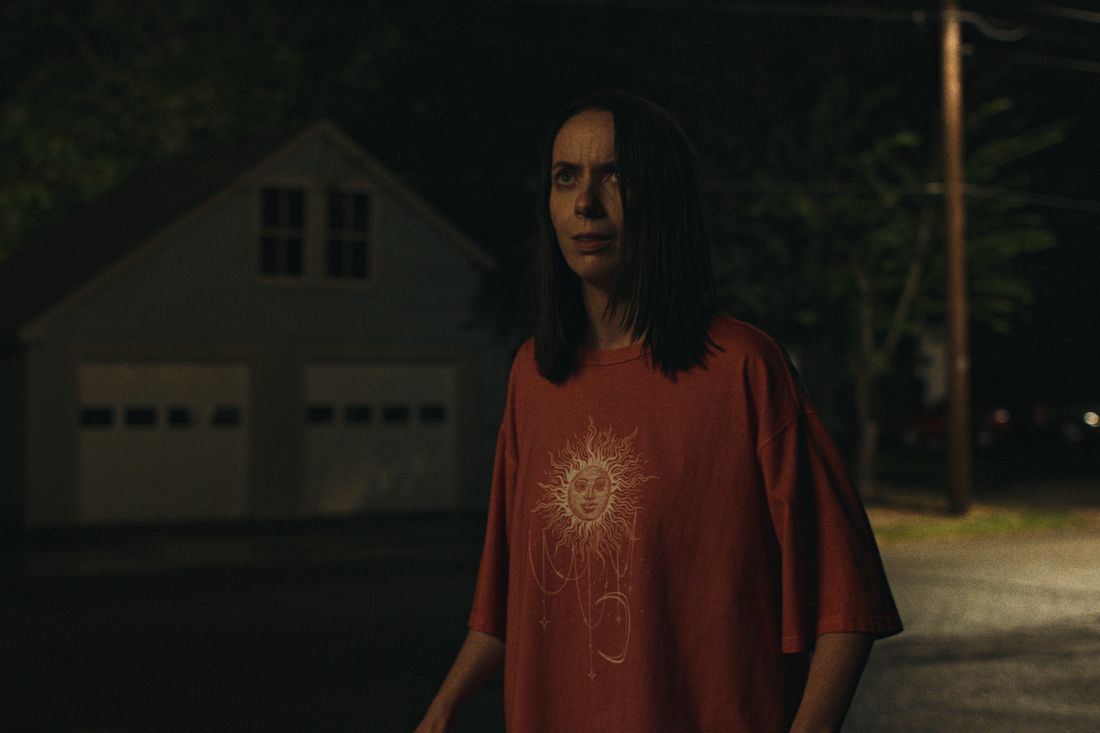
I’d like to discuss Patricia. Are you surprised by how popular she is with viewers? I’ve long believed – and Katie agrees – that Patricia is really the heart of the show. Katie has mentioned basing Patricia on her mother, but I think a lot of herself went into the character as well. Her episodes always feel particularly meaningful and personal. Even though Patricia isn’t directly involved in the main storyline, those dedicated episodes consistently capture everything that makes this show great.
Patricia’s story perfectly captures the struggle between being true to yourself and hiding who you really are – it’s the most powerful example in the whole show. What makes Katie’s writing so clever is that she introduces Patricia as a quiet, somewhat strange character, leaving you unsure what to think of her at first. It isn’t until four episodes later that you understand there’s a full, complex person beneath the surface, and her odd behavior is simply her way of dealing with inner turmoil.
Finding the right actress for Patricia was challenging because the character is so unique. When Kate O’Flynn auditioned, her take was completely different from what we expected. Many of the other auditions felt very ordinary, like someone you’d meet at any office. But Kate’s performance was incredibly unusual – even more so than what she did in the final show. It was almost otherworldly, but it felt right. Watching her, you instantly believed she was someone who had grown up on a haunted island.
You can see it in her expression. She felt like she’d stepped into a Shirley Jackson novel, specifically We Have Always Lived in the Castle. Her acting brought out something dark, unusual, and unsettling. Katie initially thought, “This isn’t exactly what I envisioned,” when she first saw the recording. But it was undeniably brilliant, a truly special take. We decided to use it, even though we weren’t sure how it would all come together.
Okay, so about Kate’s audition tape… it was for the party scene from episode four, you know, where she tries to chat with people? In the show itself, it feels pretty realistic – still awkward, sure, but we kind of get her. She’s quirky, a little weird, but relatable. But on the tape? It was like everything about that quirkiness was turned up to eleven! Seriously, if you actually met this version of Kate at a party, you’d be thinking ‘Whoa, something’s off!’ A bit unsettling, honestly. She had all these vulnerable and confusing feelings in there, but it was just… magnified. There was definitely something special about it though, really magical.
The show has been renewed for another season! Honestly, as we neared the end of the last one, I wasn’t sure if it would continue. It felt like everything was wrapping up. I wondered if the season was originally planned to be a single, complete story, or if there were always plans for more.
When pitching a show, networks usually prefer something with potential for multiple seasons, so we always intended for it to continue. What you’re sensing with the story’s momentum is that the creator, Katie, has been developing this world and story for over fifteen years. She has a wealth of ideas because she’s lived with it for so long. Unlike some shows where writers have to stretch a simple idea to fill an entire season, Katie already had plenty of material and a clear vision for a full season’s worth of storylines.
I appreciate how the ending provides a satisfying emotional conclusion while also allowing us to start fresh with season two. Things are definitely more complex now because of what’s occurred, but we can still return to the fundamental elements that make the show work.
The show’s format easily allows for standalone episodes focusing on different monsters, while still developing its characters and overall story. I’m curious how much of the backstory and world-building has been planned out already? You’d have to ask Katie about that; I only know what I’ve been told.
We always aimed to create a world for Widow’s Bay that felt expansive and full of potential – something you don’t see much of on TV anymore. Growing up, The Simpsons really influenced me because you could explore any part of Springfield and find a compelling story, beyond just the main characters. I believe we achieved that in the first season, building a rich universe that can support many different storylines. I’m not sure exactly what the future holds for the show, but we’ve established a lot of interesting elements that I’m excited to explore.
Read More
- Off Campus Season 1 Soundtrack Guide
- Infinity Nikki Candlelight Reverie Challenge and Rewards Guide
- Gold Rate Forecast
- Netflix’s Little House On The Prairie Reboot: Release Date, Cast & Everything We Know
- 币安人生 PREDICTION. 币安人生 cryptocurrency
- EUR ZAR PREDICTION
- USD CNY PREDICTION
- Brent Oil Forecast
- KPop Demon Hunters Meets Avatar: The Last Airbender In Netflix’s 3-Part Fantasy Series
- ‘H Is for Hawk’ Review: Claire Foy’s Soars in Grief-Stricken Tale
2026-06-17 17:01