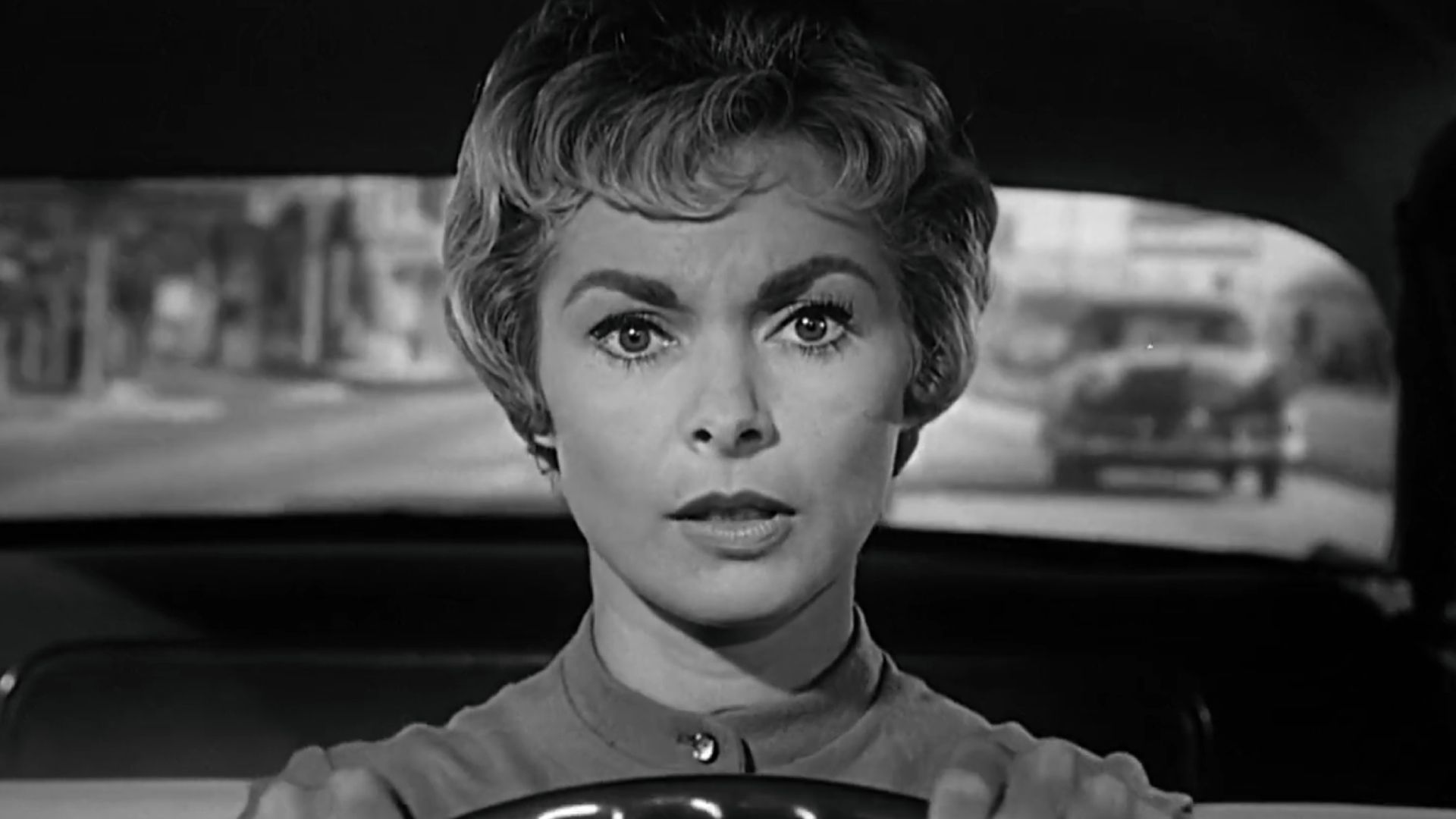
The 1960s marked a major turning point in film history as the classic Hollywood era began to fade. The old studio system broke down, and daring, independent films gained popularity, eventually leading to the end of the restrictive Hays Code and the introduction of the MPAA rating system in 1968. At the same time, the decade’s political and social upheaval – a growing rejection of traditional values – fueled important movements for civil rights, women’s rights, and environmental protection around the world.
I’ve always been fascinated by the cinema of the 1960s. It felt like everything changed so quickly, and movies really reflected that. After the wild cultural shifts of the earlier part of the decade, films became so much bolder, with directors taking real risks and challenging what you could even show on screen. They started telling much darker, more realistic stories, focusing on complex characters and not shying away from tough subjects. It was like filmmakers were holding a mirror up to society, adapting books that questioned everything – authority, traditional values, and exploring really mature, complicated issues. It was a truly revolutionary time for film, and I find it incredibly compelling.
1960: Psycho Is the Earliest Example of Slasher Films
Often considered Alfred Hitchcock’s masterpiece, this film is both his most well-known and arguably his most impactful. While many believe the story was sparked by the crimes of Ed Gein, it’s actually based on Robert Bloch’s 1959 novel, which has become far less famous than the movie itself. The film centers on Marion Crane, a secretary who steals money and flees, finding temporary shelter at the unsettling Bates Motel. There, she encounters the reserved owner, Norman Bates, and his deeply troubled mother, setting off a series of shocking murders and a complex investigation.
The film Psycho closely follows its source novel, with one key change: the character Norman Bates was reimagined as a sympathetic and outwardly normal young man, rather than the unattractive, alcoholic depicted in the book. This alteration actually enhanced the film’s ability to mislead the audience. Though the infamous shower scene caused controversy and changed how suspense was handled in movies, Psycho is now considered a groundbreaking masterpiece. It’s celebrated for its skillful direction, gripping atmosphere, and memorable performances, solidifying its place as one of cinema’s all-time greats. The film also pushed boundaries in its portrayal of violence, unconventional behavior, and sexuality for the 1960s.
1961: The Innocents Is a Perfectly Haunting Adaptation
Jack Clayton’s 1961 film, The Innocents, is a chilling psychological horror story. It’s based on Henry James’s 1898 novella, The Turn of the Screw, and the screenplay was written by William Archibald and Truman Capote. Capote drew inspiration from Archibald’s 1950 stage play, which itself was adapted from the original story. The film stars Deborah Kerr and centers around a governess with hidden emotions who cares for two orphaned children. She begins to suspect that the children and the large estate they live on are haunted.
Considered a classic of psychological horror, The Innocents is a strikingly atmospheric film that leaves viewers wondering whether the haunting is real or a product of the main character’s troubled mind. The film delves deeper into psychological themes, particularly repressed sexuality as explored by Freud, transforming the story into a powerful look at adult anxieties and the loss of innocence. Celebrated for its innovative electronic sound and stunning visuals, it creates a deeply unsettling and claustrophobic atmosphere. The Innocents has heavily influenced contemporary horror films featuring disturbing children and haunted locations, and remains one of the most beautifully filmed movies ever made.
1962: To Kill a Mockingbird Is Too Good to Be Re-Made
Based on Harper Lee’s Pulitzer Prize-winning novel, To Kill a Mockingbird stars Gregory Peck as Atticus Finch, a lawyer in Alabama during the Great Depression. The film centers on Finch defending Tom Robinson, a Black man falsely accused of assault, while also raising his children, Scout and Jem, and teaching them valuable lessons about justice and prejudice. It won three Academy Awards, including Best Adapted Screenplay, and is a well-made adaptation that effectively tells the story as a powerful courtroom drama.
Though a landmark film with a sincere message about social justice, To Kill a Mockingbird is now often criticized for portraying a ‘white savior’ storyline. The movie centers too much on Atticus Finch and his heroic actions in court, which diminishes the role and personality of Tom Robinson, reducing him to a passive figure used to highlight Finch’s virtue. Despite this, the film remains a powerful and culturally significant work, skillfully blending a child’s point of view with the difficult realities of racial prejudice in the 1930s, even if it doesn’t fully challenge racism. Ultimately, To Kill a Mockingbird is…
1963: The Great Escape Features Cinema’s Greatest Stunt
This thrilling war film stars Steve McQueen, James Garner, and Richard Attenborough, and features a large cast. Based on a true story from WWII, it tells a fictionalized account of a daring mass escape from a German prisoner-of-war camp. Directed by John Sturges, the movie has become a classic war epic and is highly praised for its compelling story, humor, and emotional depth as it portrays the fight for freedom.
Okay, so the book is a really serious, sad telling of what actually happened, based on history. But the movie? It’s totally different! It’s way more of an exciting action movie about the guys sticking together, never giving up, and holding onto hope even when things looked terrible. They even added some American characters, which didn’t happen in real life, probably just to make it more popular. Honestly, The Great Escape really captured how clever and brave those Allied soldiers were, and how much it cost them. Plus, the stunts they did in the movie? They were amazing and showed exactly what those guys might have tried during their escape attempts – and they were things no one had ever done before!
1964: Dr. Strangelove Shows Political Satire at Its Finest
Dr. Strangelove, or: How I Learned to Stop Worrying and Love the Bomb, is a satirical film directed by Stanley Kubrick. It’s inspired by the 1958 thriller Red Alert and explores Cold War anxieties about a nuclear war between the US and the Soviet Union. The film stars Peter Sellers playing three roles – the American President, his advisor Dr. Strangelove, and a British officer – as they race against time to stop a rogue US general from starting a nuclear attack on the Soviet Union.
While the film follows the same basic story as the book, it’s a very different experience. Dr. Strangelove is celebrated as one of the greatest comedy, war, and most impactful films ever created, earning numerous awards including Academy, BAFTA, and Hugo Awards. Kubrick’s film set the standard for political satire and dark humor, and continues to resonate today with its absurd yet insightful take on the fear of nuclear war, turning a terrifying concept into a brilliantly funny masterpiece.
1965: The Hills Are Still Alive With The Sound of Music
As a total film buff, I adore The Sound of Music. It’s actually based on a true story! The movie, directed by Robert Wise, comes from the hugely popular stage musical, and that came from Maria von Trapp’s own memoir, published back in 1949. It’s set in Austria in 1938, and while it takes some creative liberties, it tells the story of Maria, a young woman training to be a nun who ends up becoming a governess for a naval officer’s seven kids. Eventually, they fall in love, and the film follows their daring escape over the mountains to Switzerland as the Nazis are taking over Austria. It’s a classic for a reason!
Starring Julie Andrews and Christopher Plummer, The Sound of Music is a highly praised film that won numerous awards, including Best Director. While based on a true story, the movie made a few changes – it didn’t include the three children Maria and Georg von Trapp had together – to make the story flow more smoothly. The film beautifully captured the family’s inspiring story of bravery and success, and remains a beloved classic.
The popular musical was the year’s biggest box office hit and remains one of the top ten highest-grossing films ever, earning $3.135 billion worldwide. Widely praised for its joyful story and memorable songs, the film turned the beautiful scenery around Salzburg, Austria, into a major tourist attraction. Considered a classic musical and one of the greatest films ever made, it has significantly shaped the musical genre for decades.
1966: Fahrenheit 451 Blends Sci-Fi & French New Wave
François Truffaut’s 1966 film, Fahrenheit 451, is a dystopian drama based on Ray Bradbury’s novel of the same name. It was Truffaut’s first film in color and his only one not made in French. The movie portrays a society where the government bans books to control people and suppress free thinking. It follows Guy Montag, a fireman whose job is to find and burn books, as he secretly begins to read them. While initially receiving mixed reviews, the film is now considered a key work of the French New Wave, directed by one of its most important filmmakers.
This film is a mostly accurate adaptation of the novel, sharing its central message about the dangers of censorship. While the book is a quick-paced, technology-focused sci-fi thriller, the movie leans more towards a surreal, artistic style. Director François Truffaut cleverly chose to speak the opening credits instead of showing them, emphasizing the film’s theme of destroying written words. Fahrenheit 451 has become a beloved cult classic, known for its striking visuals and a deeply moving ending that even author Ray Bradbury appreciated. Many consider it an overlooked gem, expertly blending dark humor with a chilling look at society.
1967: In the Heat of the Night Is Sidney Poitier at His Best
In the Heat of the Night is a critically acclaimed mystery film directed by Norman Jewison, based on the 1965 award-winning novel by John Ball. The story follows a Black detective from Philadelphia, played by Sidney Poitier, who gets caught up in a murder case in a prejudiced Mississippi town after being mistakenly arrested by the local, and racist, police chief (Rod Steiger). The film was a major success, winning five Academy Awards, including Best Picture and Best Adapted Screenplay, and led to two movie sequels and a television series that ran from 1988 to 1995.
Although the movie and the book start with the same basic idea, the film changes the location, how the characters interact, and who the victim is to highlight the racial issues of the 1960s. The book is a traditional, carefully built mystery that explores the roots of racism in the American South, while the movie is a quicker, more intense statement about society. It was a groundbreaking film for its portrayal of race and is often considered one of the most significant movies of the decade. The film, and especially the famous line “They call me Mister Tibbs,” helped establish Sidney Poitier as a major movie star and changed how Black characters were seen on screen during the Civil Rights Movement.
1968: Rosemary’s Baby Set Standards For Slow-Burn Horror
Roman Polanski’s Rosemary’s Baby is a film based on Ira Levin’s hugely popular 1967 novel, often credited with launching the wave of horror films seen in the 60s and 70s by bringing frightening, supernatural events into a normal city setting. The movie, starring Mia Farrow as Rosemary, closely follows the book, with only small changes made to heighten the sense of unease. It tells the story of Rosemary’s growing suspicion as she becomes pregnant. Praised for its masterful use of psychological horror, the film creates a chilling atmosphere of dread and paranoia without relying on graphic violence or sudden shocks.
Exploring themes of women’s freedom, religion, and the supernatural, Rosemary’s Baby portrays a satanic cult in a surprisingly realistic way – its members are seemingly normal, well-to-do neighbors. The film is highly influential and praised for its depiction of manipulation (gaslighting) and a woman’s control over her own body. By showing the frightening story entirely through Rosemary’s eyes, it set the standard for psychological horror. Considered a landmark achievement in sophisticated thrillers, it’s widely recognized as one of the best horror films ever made.
1969: Midnight Cowboy Is the Only X-Rated Oscar-Winner
Originally a 1965 novel by James Leo Herlihy, Midnight Cowboy is a realistic and moving drama featuring Dustin Hoffman and Jon Voight. Directed by John Schlesinger and written for the screen by Waldo Salt, the film tells the story of an unusual friendship between Joe Buck, a newcomer to the city (Voight), and Rico Rizzo, a struggling con artist (Hoffman). Together, these two lonely men try to survive and find connection amidst hardship and disappointment. Midnight Cowboy was groundbreaking for its time, bringing previously unspoken topics like poverty, sex work, and LGBTQIA+ issues into mainstream American film, and signaling a move away from traditional, idealized Hollywood productions towards more honest and raw storytelling.
The film stays mostly true to the original story, but it streamlines the plot to concentrate on the heartbreaking friendship at its core. The book is a more detailed and character-focused story about growing up, spending its first half entirely on the main character’s past. The movie, however, starts roughly halfway through the book, only showing glimpses of his history through quick flashbacks. With subtle romantic tension reflective of the LGBTQ+ culture of the late 1960s, Midnight Cowboy is widely praised as a powerful and innovative film, and it famously won awards for Best Director and Best Adapted Screenplay.
Read More
- Off Campus Season 1 Soundtrack Guide
- X-Men ’97 Finally Gave Gambit the Hero Moment He Deserved
- 46 Years Later, The Mandalorian & Grogu Answers A Major Empire Strikes Back Question
- 10 Worst End-Game Couples In Sitcom History
- HoI4 fans harsh reactions to the announcement of another DLC pack
- Chainsaw Man Volume 24’s Cover Art Reveals a Brand-New Denji
- Hatsune Miku cosplayer goes viral selling $15 cups of “foot juice” to thirsty anime fans
- Emily Henry Says to ‘Trust the Vision’ For Beach Read Adaptation
- Gold Rate Forecast
- DoorDash responds after customer uses AI to make food look bad and get a refund
2026-06-02 00:10