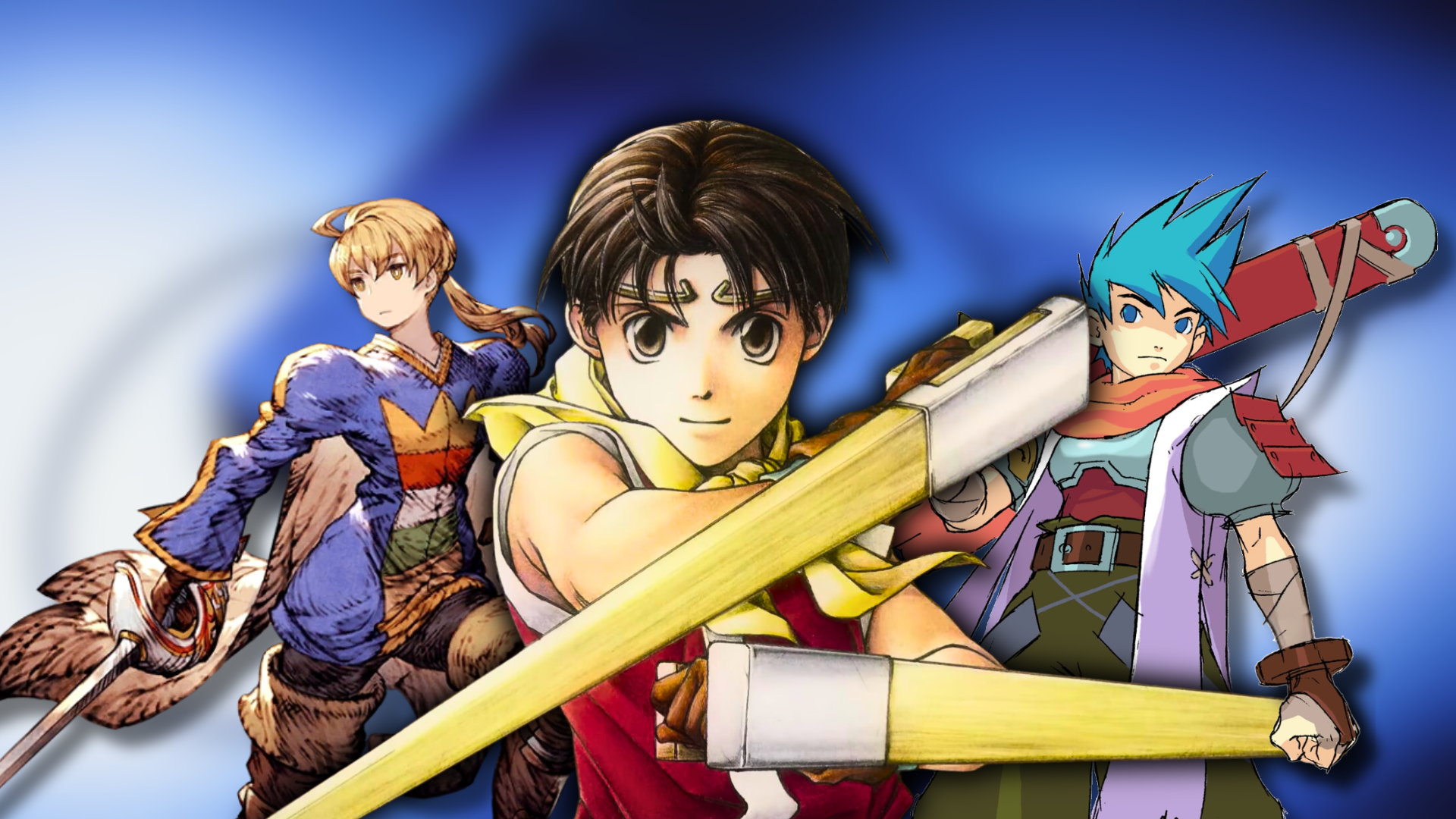
Everyone talks about the original PlayStation being a fantastic time for Japanese role-playing games, or JRPGs. I first got into them on the Super Nintendo, which had some great titles, but it felt like amazing JRPGs were everywhere you looked on the PS1. It was much easier to find a gem on that console.
Developers were putting a lot of effort into Sony’s console, which led to innovative and exciting games. While some of the classic Japanese role-playing games mentioned are only available on the original PlayStation, many others have been updated or re-released, making them accessible to modern players.
Be warned: these PS1 JRPGs are incredibly addictive! Once you start playing any of the 10 games listed below, you’ll likely lose track of time. And honestly, that’s not a bad thing.
10. Legend of Legaia
Mastering the Arts
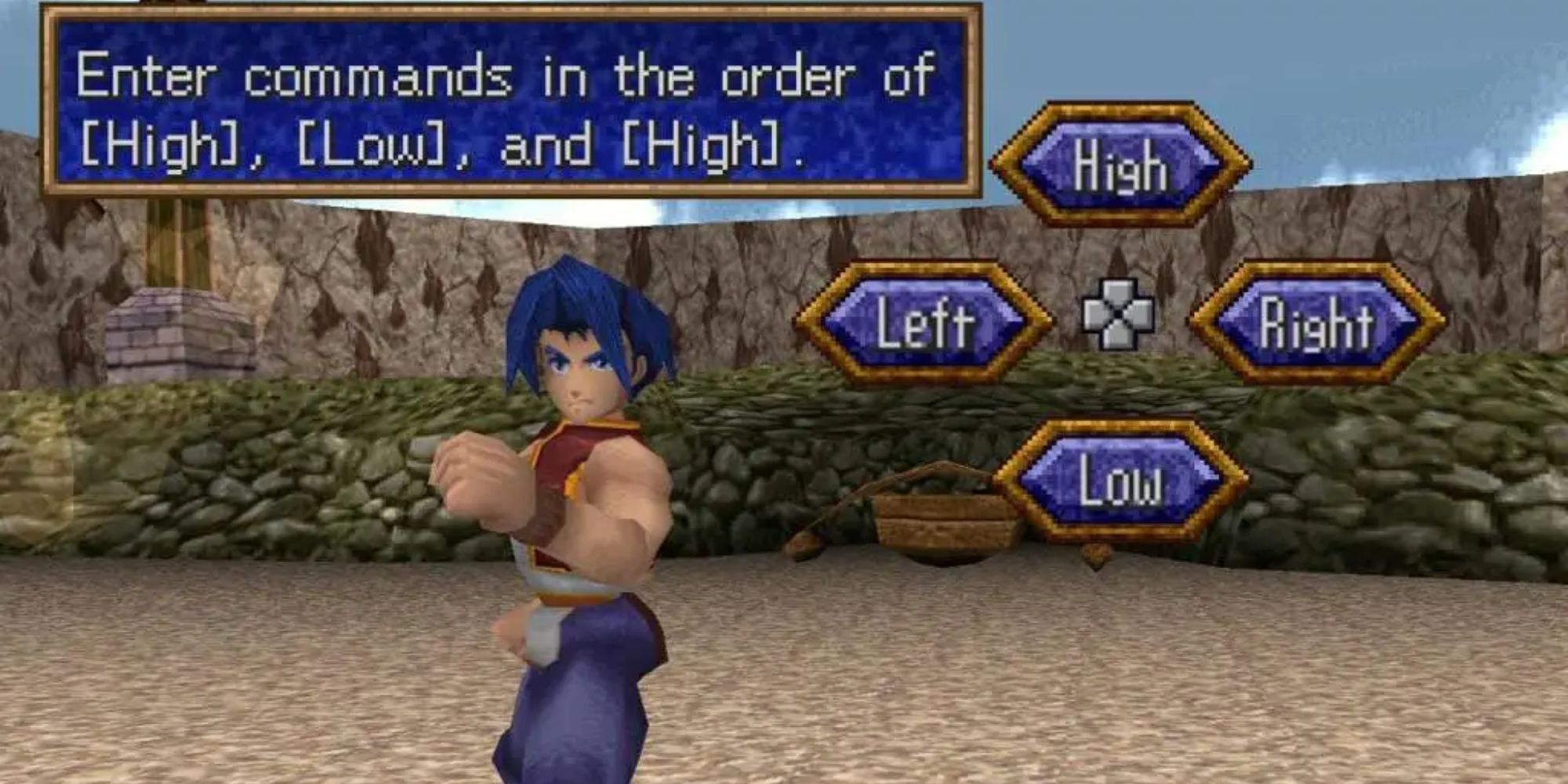
It’s tough to say Legend of Legaia is truly addictive now that we have instant access to guides and information online. But when the game first came out, before YouTube or GameFAQs existed, it was amazing how captivating it was trying to figure out all the different command combinations to unlock new Arts. It really kept you hooked!
I distinctly recall my brother and I using a small notebook to record every possible command combination for each of the three characters. We did this to keep track of what we’d tried and to discover new Arts. Whenever we leveled up and unlocked a space for another command, we’d begin meticulously testing combinations all over again. It was incredibly rewarding and kept us hooked, and it also gave us a good reason to explore all the random battles in Legaia.
9. Chocobo’s Dungeon 2
Addictive by Nature
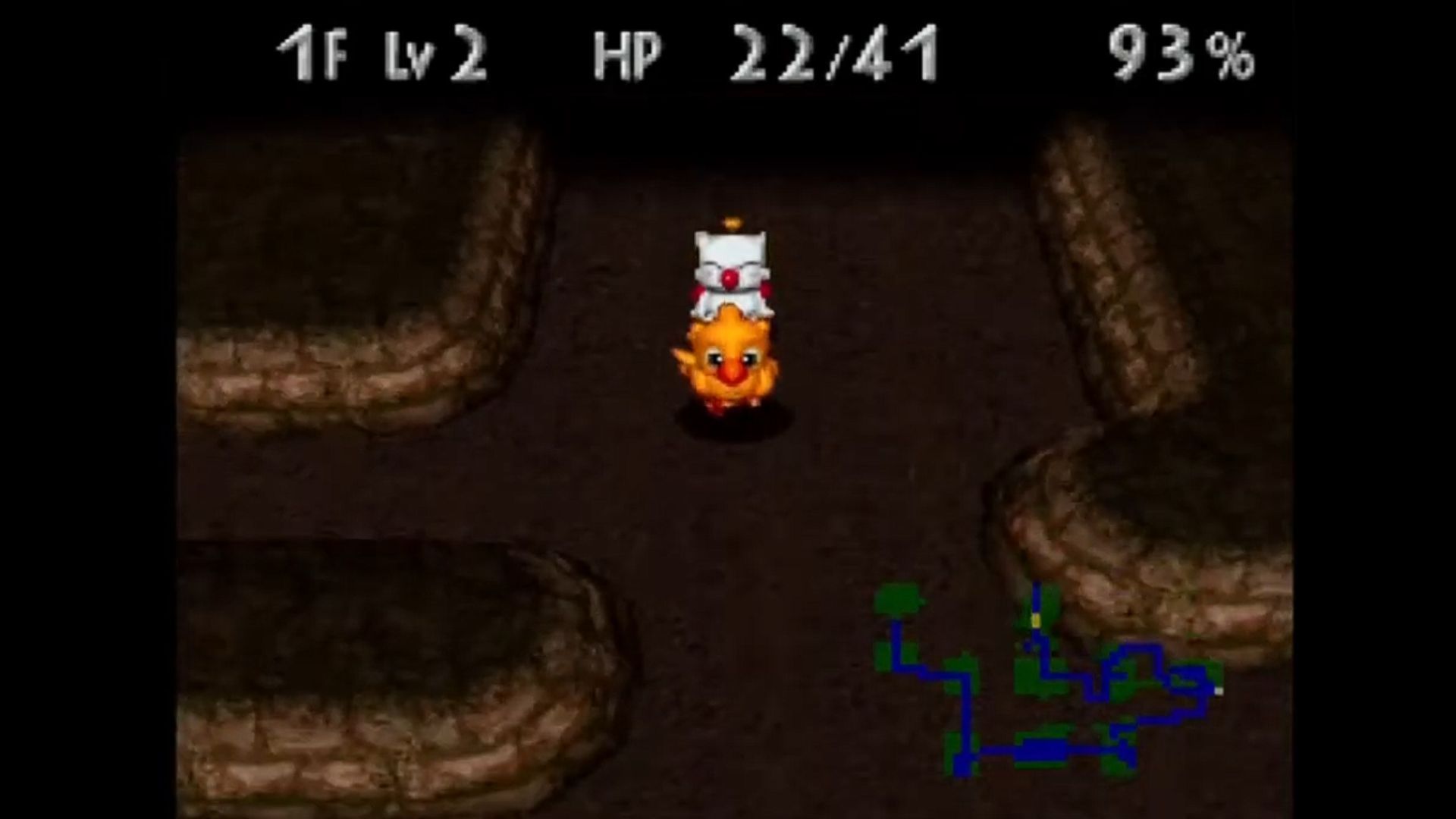
I hesitated to include Chocobo’s Dungeon 2 on this list. While it’s charming and features a beloved character from the Final Fantasy series, it’s not exactly a standout game. However, I realized this list focuses on addictiveness, and few genres are as addictive as roguelikes.
Chocobo’s Dungeon 2 is a game from the Mystery Dungeon series, first created by Chunsoft. You play as a young Chocobo exploring dungeons that change every time you play. It’s a turn-based game – every move you make also causes the monsters to act, whether you’re walking, fighting, or collecting items. Be warned: it’s a challenging game, and like many ‘roguelike’ games, you’ll likely die frequently!
The whole point of a roguelike is that you die, try again, and repeat – and honestly, that’s what makes Chocobo’s Dungeon 2 so addictive. What really blew my mind was that you could play it with a friend! Every time we went into a dungeon together it was a blast. I specifically remember getting totally crushed by a boss with my friend, absolutely no way we were going to win. But then, after he died, he somehow summoned an Ifrit that took the boss down! Seriously, to this day I have no idea how that happened, it was pure luck, but it’s one of the best gaming moments of my life.
8. SaGa Frontier
For Non-Orthodox Players
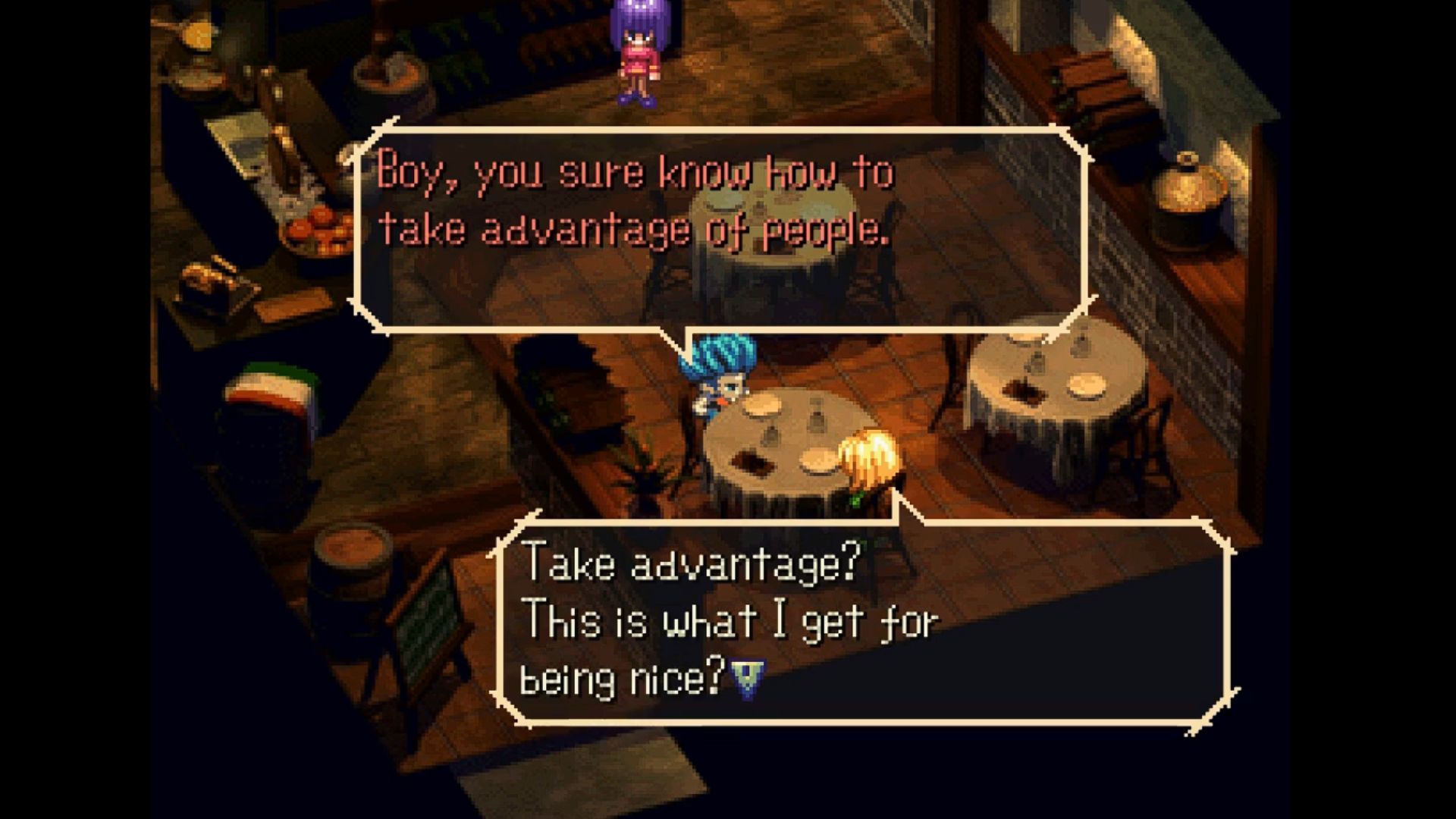
Before you fall in love with SaGa Frontier, make sure you generally like the SaGa series first. If you don’t enjoy its unique character progression, branching storyline, and the bit of luck involved in combat, it probably won’t be a good fit. However, if you’re searching for a different kind of JRPG that breaks the mold and offers something truly unique, you might just become addicted.
In SaGa Frontier, you can play through the game as one of seven (or eight in the remastered version) different main characters. While some sidequests do repeat, most situations and the characters you team up with are unique to each hero. This lets you build each character in a different way, choosing different weapons and learning new abilities as you progress.
One of the best things about SaGa Frontier is how many different stories you can jump into. I mean, I finished one campaign and was instantly hooked for another! It’s seriously easy to lose track of time – I could play for days and forget all about the real world, like when was the last time I saw the sun or remembered to put on deodorant? Seriously though, if you’re gonna get lost in this game like I did, please remember to eat and drink water!
7. Brigandine: The Legend of Forsena
War Games With Monsters
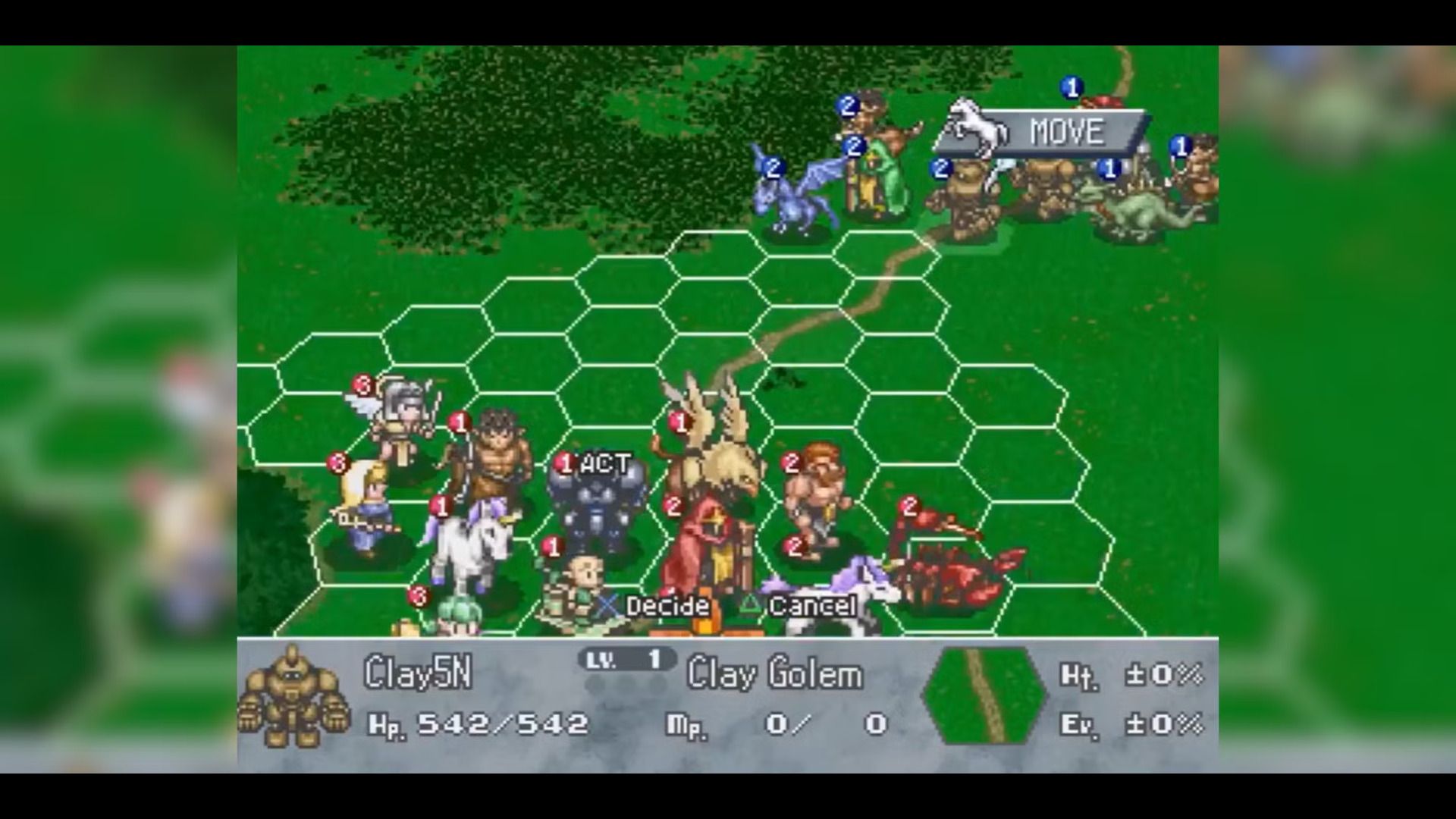
Before diving into Brigandine Abyss, I decided to revisit Brigandine: The Legend of Runersia, the second game in the Brigandine series. It’s strange to even call it a series! When I first played Brigandine: The Legend of Forsena on the PlayStation, I didn’t really enjoy it – I found it a bit awkward and preferred other Japanese role-playing games.
The more I played Brigandine: The Legend of Forsena, understanding its mechanics, observing the knights, completing quests to gain allies, and developing my monsters, the more hooked I became. The game also lets you play as different characters, changing the experience even though the main objective stays the same.
How you play strategically really comes down to personal preference. I enjoy experimenting with different classes and monsters on each playthrough – it helps me discover what every army can do and keeps things interesting. But if you prefer sticking with a single character like Lance and his powerful Salamander, that’s perfectly fine too! It’s all about what you enjoy.
6. Front Mission 3
Customizing Mechas is Beautiful
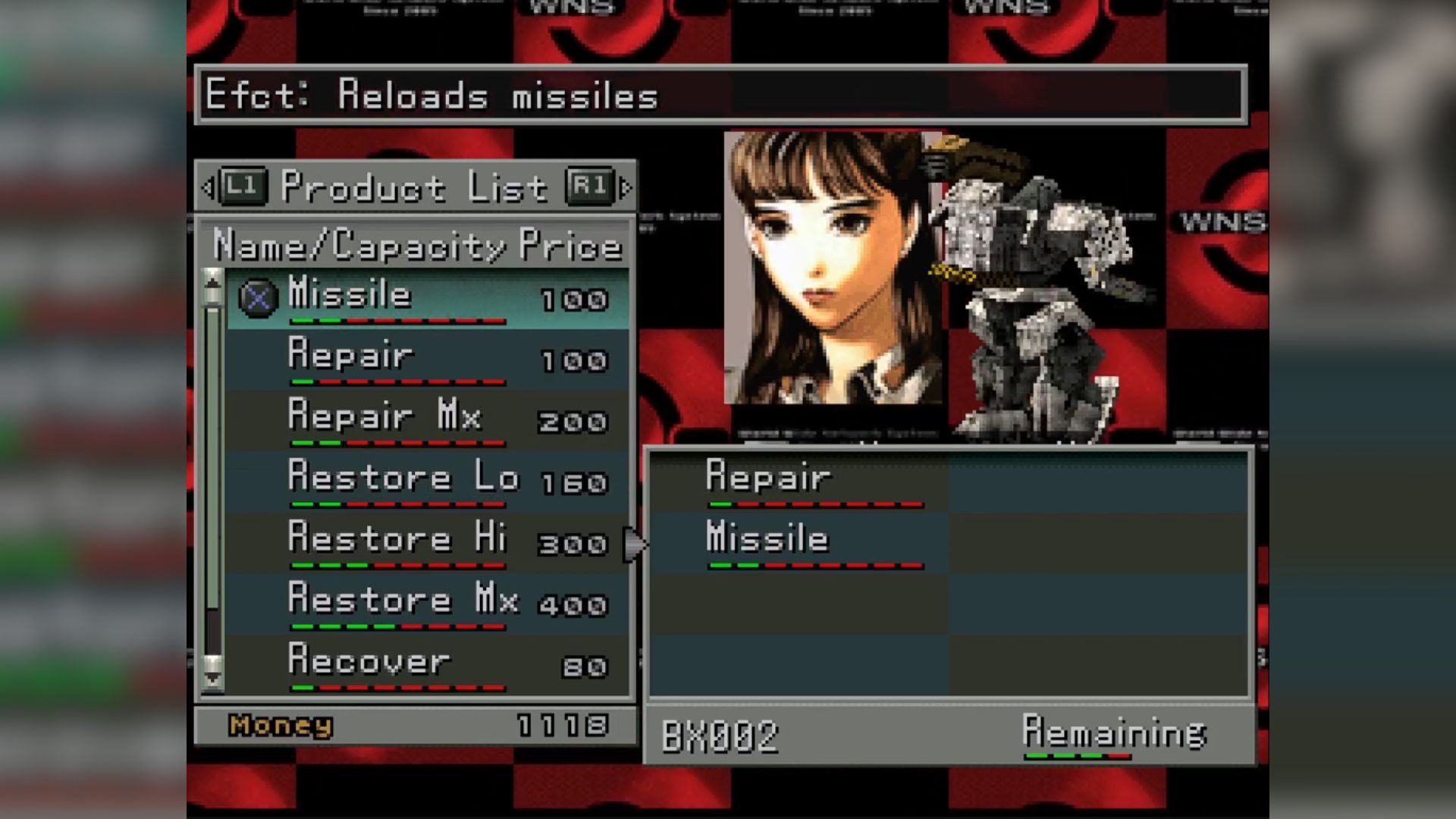
Sci-fi fans love customizing robots, and that’s the core idea behind Front Mission 3, a strategy RPG from Square Enix. You primarily control powerful robots called Wanzers in battle (though you can sometimes control pilots directly, it’s rare). Combat involves slowly dismantling enemy robots, piece by piece, until you destroy their core.
During combat, our Wanzers can pick up new abilities if we meet specific requirements. I was always eager to discover what new skills different weapons unlocked, so I often built a unique Wanzer for each battle. It was also really satisfying to progress through the story and find that the shop had updated its stock, letting me create a huge range of different Wanzers.
In Front Mission 3, a unique feature called the Double Feature Scenario let players make a key decision early on that split the story into two completely different paths. This changed not only the plot, but also which characters you could recruit to your team. This system offered an unusual level of replayability for a Japanese role-playing game, and it’s a big reason why players keep coming back to the game.
5. Final Fantasy Tactics
Building Up Your Portfolio
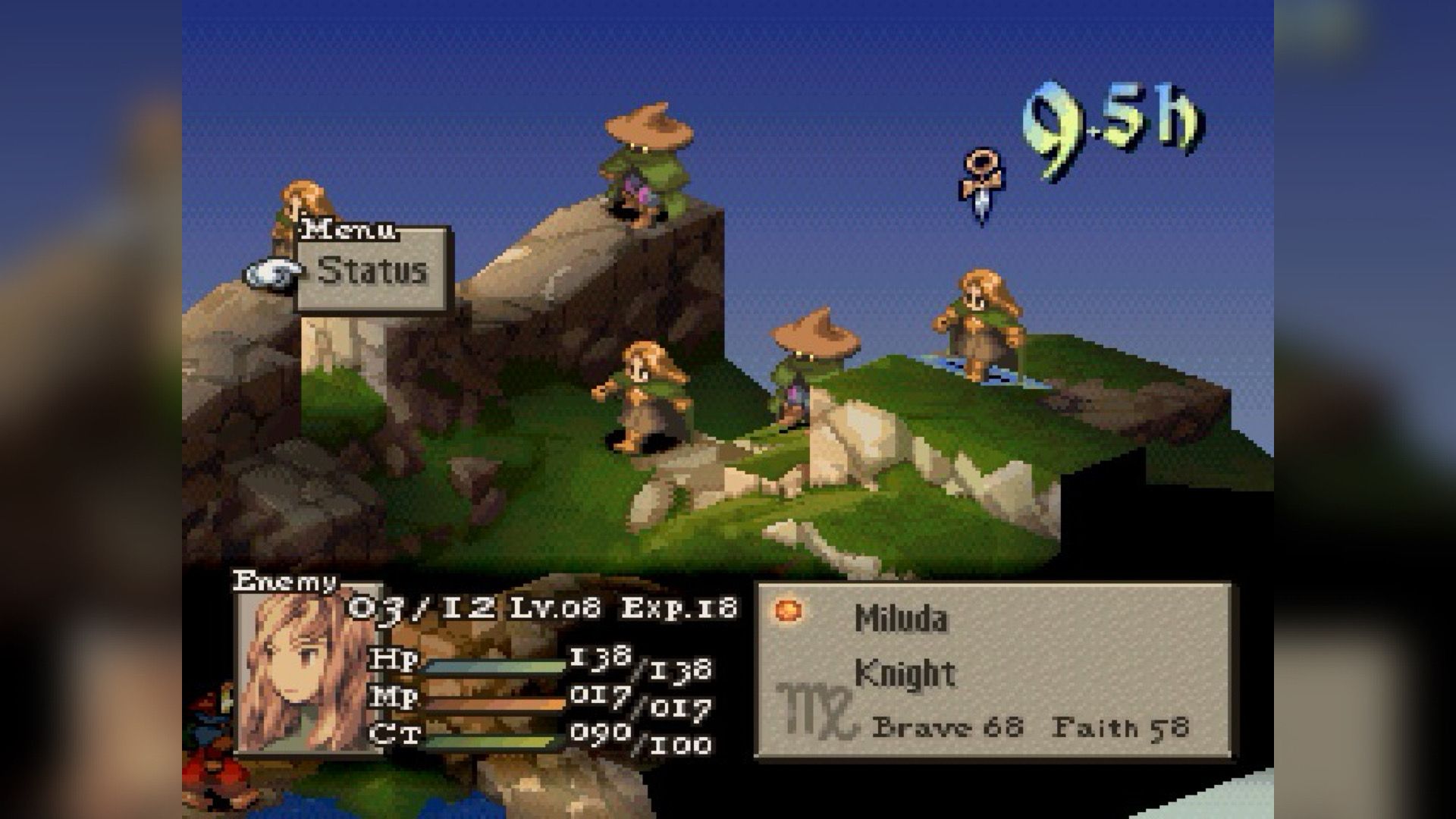
Lots of Final Fantasy fans stopped playing Final Fantasy Tactics because it’s really hard at the beginning, and honestly, it’s understandable! The first few hours of this strategy RPG are quite challenging. But stick with it, and you’ll find that once you learn the jobs, unlock new abilities, and become a skilled tactician, the game becomes fantastic and incredibly addictive.
If you haven’t spent half an hour in a battle solely focusing on earning JP as a Squire, you haven’t experienced a real grind. While some classes are tough to level up through actual combat, it’s a necessary step to unlock more powerful ones.
Honestly, there’s nothing quite as satisfying as switching to a new job, setting up Squire’s Fundamentals as a backup, and just getting lost in the grind – seriously, I’ve spent hours battling those little Goblins! Before you know it, you’re hooked on unlocking and mastering every job, building up what feels like the ultimate army in Ivalice. That’s what the Durai Papers claim, anyway – they’ve got all the lore!
4. Legend of Mana
So Many Systems
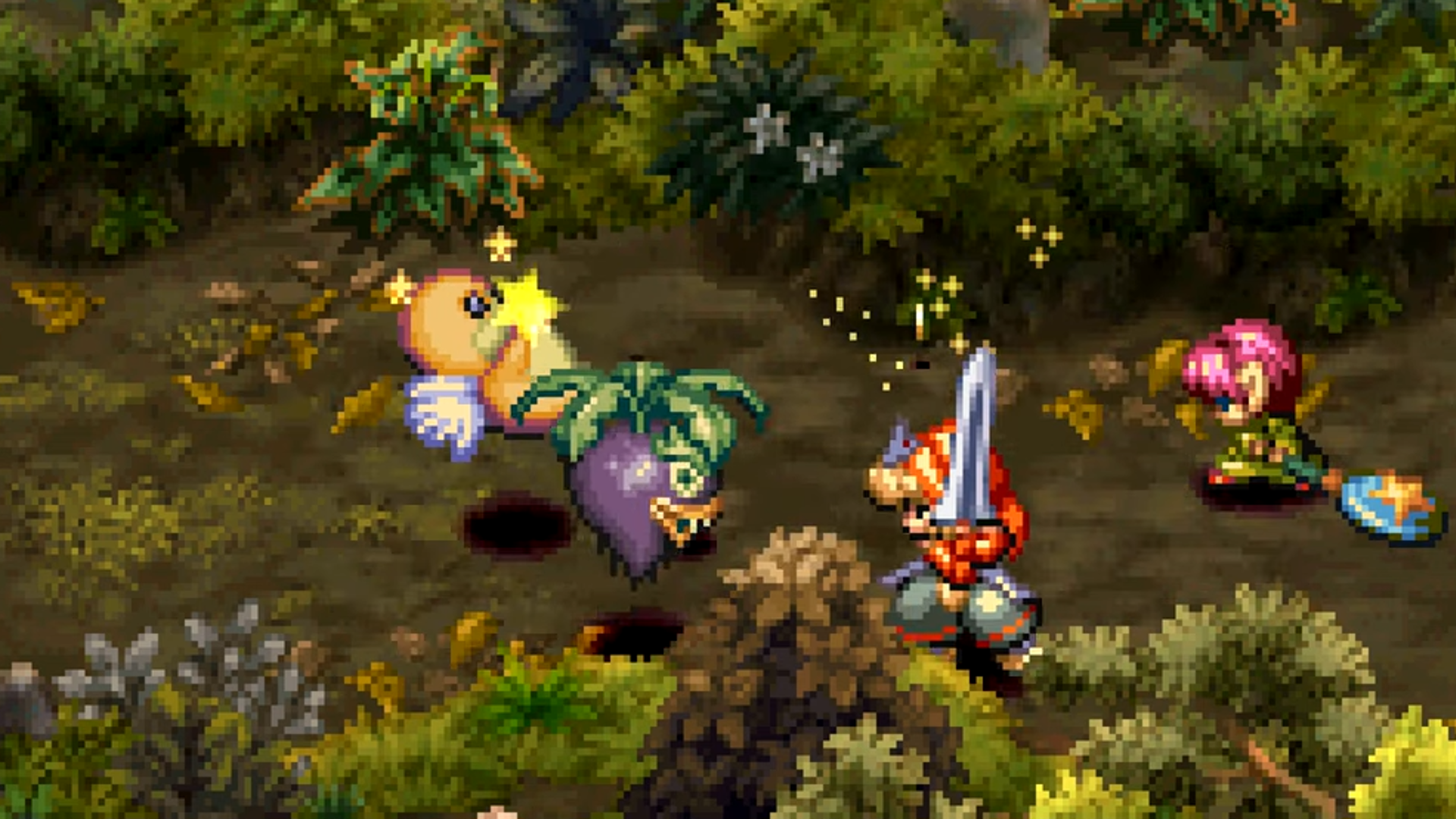
Many Japanese role-playing games draw you in with a compelling story or engaging gameplay. But some, like Legend of Mana, stand out by constantly surprising you with unique and unpredictable systems. The game’s world is vibrant and full of wonder, but also mysterious, making it hard to put down as you eagerly anticipate what will happen next.
The gameplay starts off easy to pick up, but gets more complex as you learn new skills and techniques. You can switch between different weapon types to keep things interesting, but what really stands out is how consistently the game unlocks new content. You’ll build an orchard, then a blacksmith, then a workshop for creating golems, and even get pets… it’s amazing how much the game keeps adding!
What’s really captivating is building your world piece by piece with these artifacts. Each one unlocks entirely new areas – villages, landscapes, and environments – that feel completely different from where you’ve been. It’s a strangely addictive process, driven by the excitement of discovery rather than just nostalgia for what you already know and love.
3. Breath of Fire III
The Faerie Caretaker
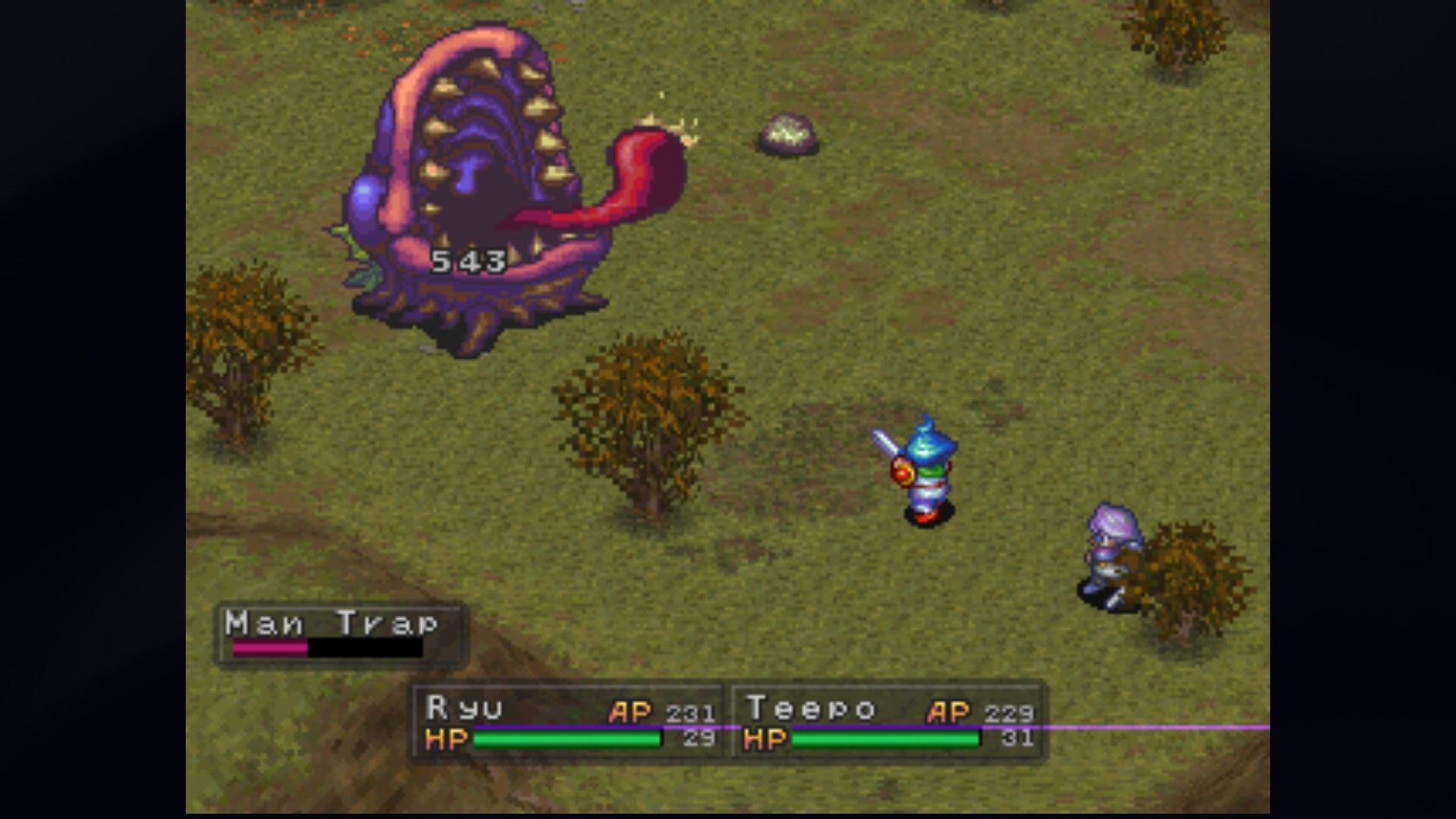
MobyGames / Capcom
I may be alone in this, but the Faerie Village in Breath of Fire III completely captivated me. I spent countless hours playing just to develop it. You eventually meet faeries and take charge of their village, giving them jobs, building new structures, and enjoying the benefits of your efforts.
Subscribe for deeper dives into PS1 JRPG gems
As a huge fan of Breath of Fire III – it’s my all-time favorite JRPG – I naturally find it really addictive. Thankfully, Capcom designed it well; the progress of the Faerie Village depends on actually playing the game and completing battles or story events. You can’t just leave your PlayStation running and expect things to develop!
If you’re a fan of JRPGs, this game is a real treat. Plus, the hunt for all the Dragon Genes is surprisingly captivating, meaning there’s plenty to enjoy in Breath of Fire III beyond just the charming fairies.
2. Star Ocean: The Second Story
Best JRPG Crafting System
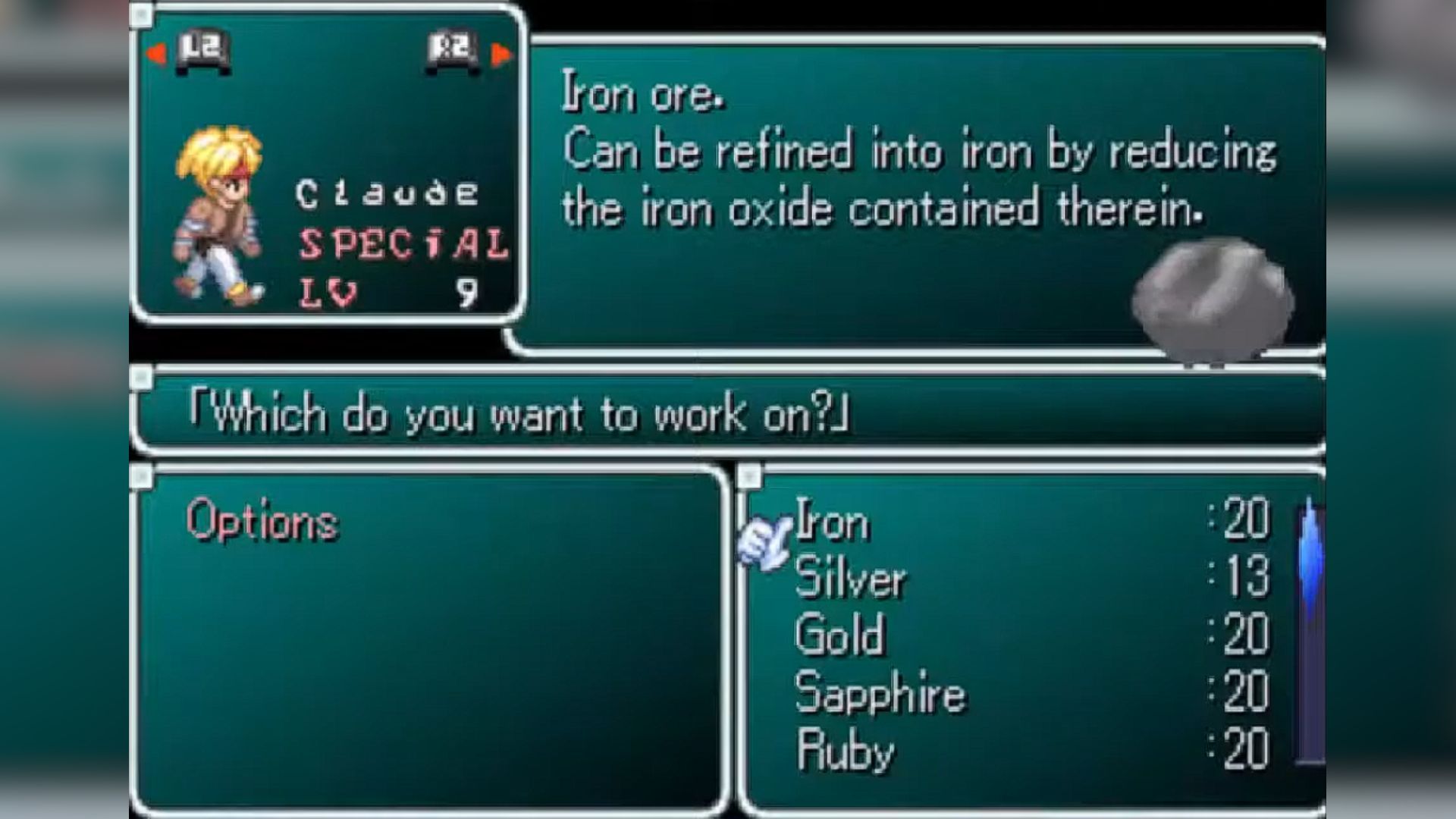
Crafting systems are common in Japanese role-playing games, but often they don’t feel rewarding enough to spend time on. Star Ocean: The Second Story is different – it truly emphasizes crafting and offers amazing benefits to players who use it. The biggest hurdle is convincing players used to ignoring these systems that it’s actually worth the effort.
I used to struggle with the deeper parts of the game, not bothering to learn the skills needed to unlock special abilities and understand how things worked. But once I figured out the Item Creation system in Star Ocean: The Second Story, everything changed. I realized I could make incredibly powerful weapons right from the start, which made the rest of the game much easier.
Once you understand how to create items, you’ll be inspired to experiment and see what else is possible. You’ll find yourself hunting for rare ingredients, reloading saves to get the perfect results, and quickly become hooked. It’s a fantastic system that makes you wish other role-playing games had similar crafting features – it’s beautiful, and incredibly fun.
1. Suikoden II
Evolving a Whole Army
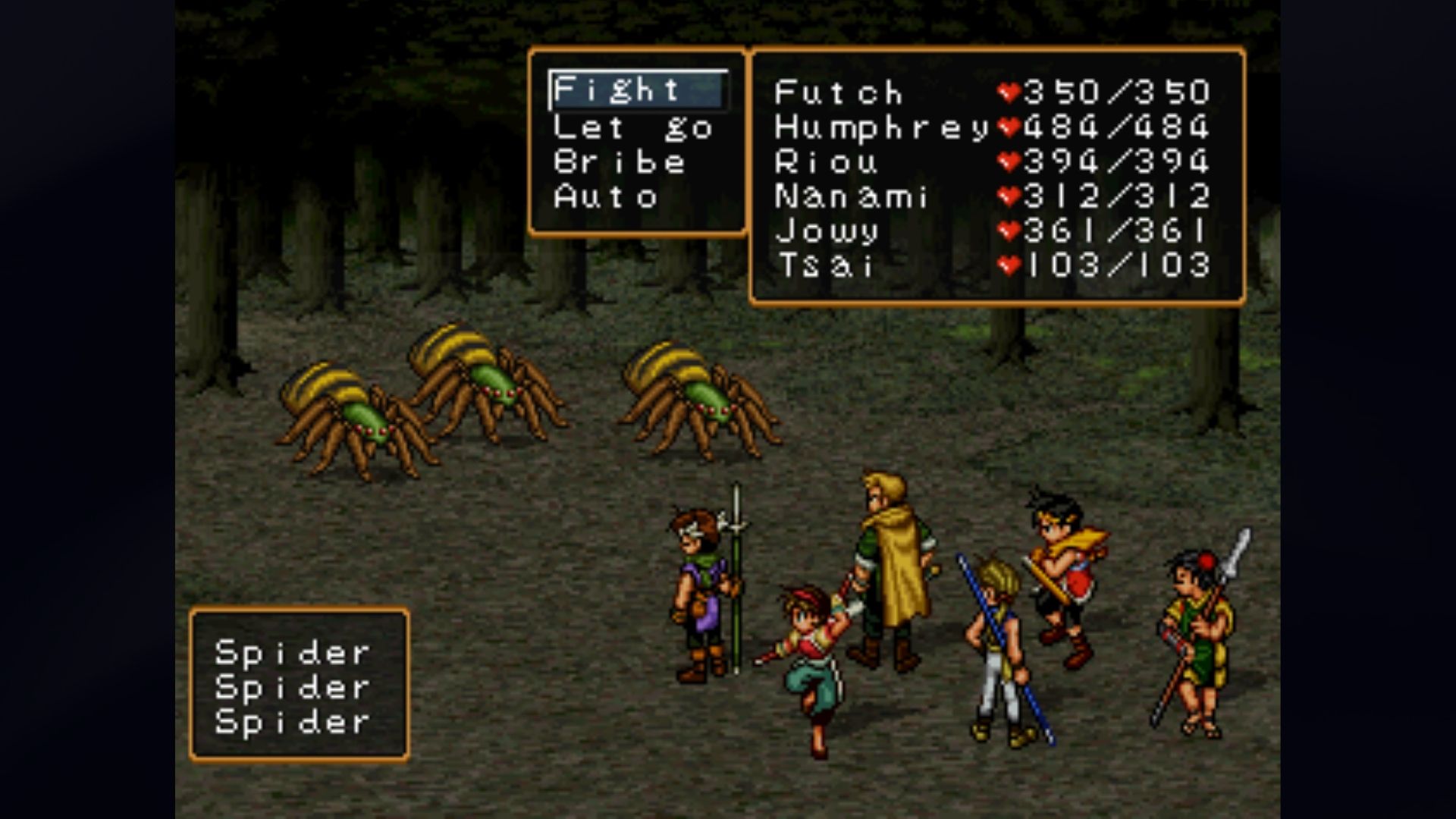
MobyGames / Konami
I find JRPGs really captivating because of how you develop your characters – leveling them up, learning new abilities, and then seeing them succeed in battle is incredibly satisfying, and it makes me want to keep playing for hours. But when a game has a huge roster of 108 characters, it can become a massive time commitment!
In Suikoden II, you can build a large army, which expands your base and lets most of those characters fight alongside you. However, the game’s leveling system makes it hard to over-level, but it quickly strengthens weaker characters. This is frustrating for players who like to fully level up all their characters. I spent a lot of time switching between different party combinations, experimenting with strategies, and trying to get everyone up to speed.
Read More
- Off Campus Season 1 Soundtrack Guide
- 46 Years Later, The Mandalorian & Grogu Answers A Major Empire Strikes Back Question
- X-Men ’97 Finally Gave Gambit the Hero Moment He Deserved
- 10 Worst End-Game Couples In Sitcom History
- HoI4 fans harsh reactions to the announcement of another DLC pack
- Chainsaw Man Volume 24’s Cover Art Reveals a Brand-New Denji
- Hatsune Miku cosplayer goes viral selling $15 cups of “foot juice” to thirsty anime fans
- Emily Henry Says to ‘Trust the Vision’ For Beach Read Adaptation
- Gold Rate Forecast
- DoorDash responds after customer uses AI to make food look bad and get a refund
2026-06-01 22:42