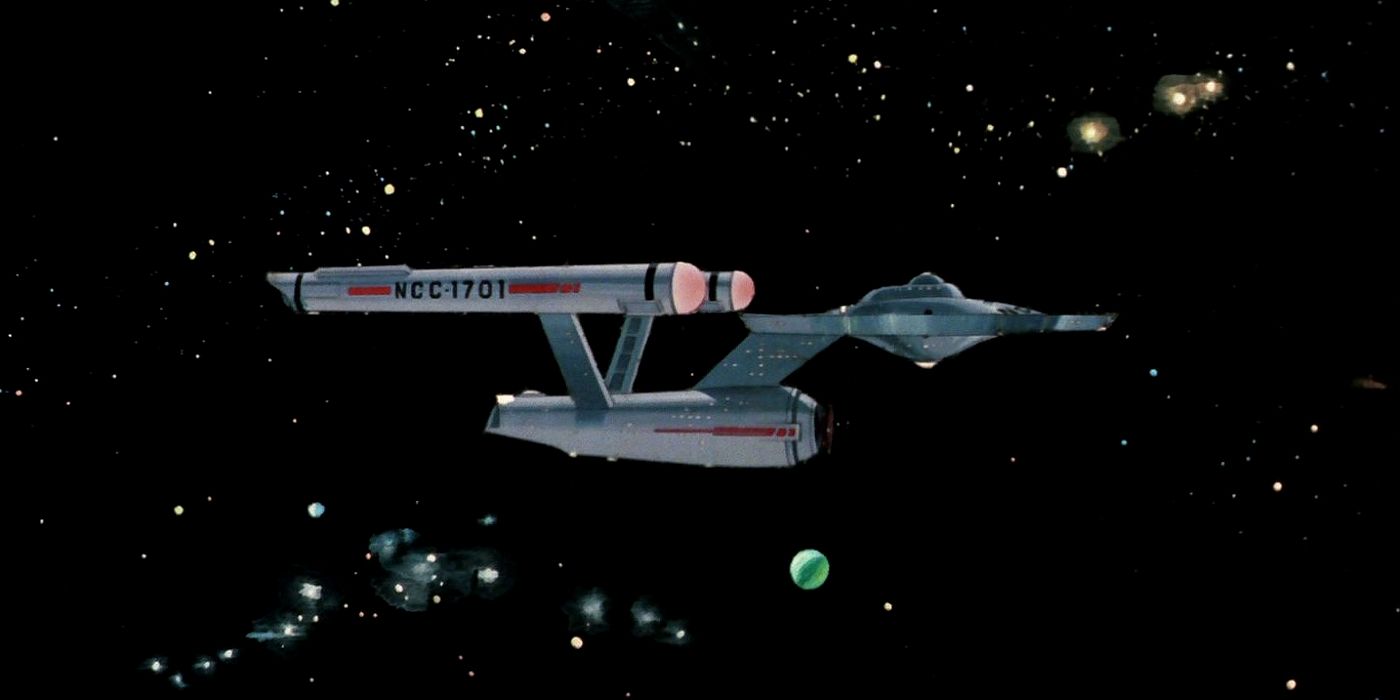
When the original Star Trek series ended, its creator, Gene Roddenberry, hoped Star Trek: The Animated Series could bring the franchise back to life. Ironically, he later acted as if the animated series didn’t exist. Despite this, the animated show actually introduced many ideas that would later appear in the live-action Trek series, including The Next Generation and all the Star Trek shows that have come out since.
Roddenberry was fascinated by the creative freedom of animation, so he asked his most trusted writer, D.C. Fontana, to oversee the show. She made sure each episode lived up to the series’ standards as new writers joined the team, skillfully managing everything with thoughtfulness and precision. However, when The Next Generation began, Roddenberry surprisingly declared the animated series (TAS) – and much of the third season of the original (TOS) – as not being part of the official storyline (‘canon’).
The Animated Series Secretly Shaped the Star Trek Canon
Roddenberry didn’t see the ‘canon’ as rules for fans, but as helpful guidelines for writers. This meant that ideas introduced in The Animated Series felt consistent with the existing Star Trek universe. However, Roddenberry himself didn’t fully consider either TAS to be official canon.
To ensure consistency across the entire Star Trek universe – including the TV series, films, comics, and novels – Roddenberry brought on Richard Arnold as a research consultant. Arnold, a dedicated fan, meticulously reviewed all scripts and published materials.
Roddenberry didn’t see those later installments as true Star Trek, but he assigned Arnold the job of making sure the writing stayed consistent with the established universe. Arnold ended up taking the blame from both the writers and fans when disagreements arose about what was officially part of Star Trek history. Some loyal fans of Fontana even blamed Arnold for why The Animated Series wasn’t considered official canon.
According to Edward Gross and Mark A. Altman in their book The Fifty-Year-Mission, it was Gene Roddenberry who ultimately rejected the idea. He often threw out established story details, believing a compelling new story shouldn’t be limited by facts previously presented in episodes of Star Trek: The Original Series or The Animated Series.
Despite its relatively short run, The Animated Series (TAS) had a lasting impact on the Star Trek universe. This was especially true as writers who had enjoyed the animated series as children began working on The Next Generation and subsequent shows. Many iconic elements seen in the later movies and series, like the holodeck on The Next Generation, actually originated in an episode of The Animated Series called “Yesteryear.” Fontana’s work on TAS laid the groundwork for much of what fans came to love in the decades that followed.
As a long-time fan, it’s always fascinating to see how the Star Trek universe evolves. It’s interesting that Admiral Robert April, who we first met in The Animated Series, was presented as the very first captain of the Enterprise. Apparently, that name actually came from Gene Roddenberry’s earliest draft for the show – before he decided to go with Captain Pike instead.
Following Gene Roddenberry’s passing, The Animated Series continued to expand the Star Trek universe. Several alien races, like the three-armed Edosians and the squid-like Vendorians, made their debut in that series and later appeared in Lower Decks. Being the second animated Star Trek show – appearing just before Star Trek: Prodigy – Lower Decks often included references to it.
Budget limitations influenced some decisions on TAS. Instead of creating animated spacesuits for characters, the show used “force field” belts as a cost-effective solution. This concept was later inspired by similar devices.
Star Trek Canon Is Necessary for Storytellers
It’s easy to get caught up in what’s ‘officially’ part of a story versus what isn’t, and let it ruin the fun. Before the late 1990s, Star Trek fans didn’t have official sources to rely on, so debates were more about establishing consistent rules within the universe. Gene Roddenberry, the creator of Star Trek, wasn’t overly concerned with the technical details of the sci-fi technology or the specifics of alien cultures. He cared most about the show’s core values – promoting diversity, encouraging curiosity, advocating for peace, and exploring morality. The stories needed to embody those ideals.
The show truly began to change course when Roddenberry, though hesitant, moved away from his day-to-day role on The Next Generation. Rick Berman, the new producer, insisted his writers and directors strictly follow Roddenberry’s established rules—respecting the world he’d built. However, that approach wasn’t without its flaws.
Writers often creatively connected different stories and elements within a fictional universe. This ‘canon’ helps create a believable and consistent world, but it shouldn’t be treated as a strict checklist to determine what officially ‘counts’ as part of a franchise like Star Trek.
Many of the writers who worked on The Animated Series also wrote for the original Star Trek (TOS). Dorothy Fontana, a particularly talented writer and a dedicated fan, made sure the stories maintained a consistent level of quality between the live-action and animated versions. Although the episodes weren’t initially considered official parts of the Star Trek storyline, they eventually began to be treated as such by the writers.
Let’s be honest, Filmation’s animation wasn’t exactly groundbreaking – it had a pretty recognizable, and sometimes repetitive, look. But you know what? That simplicity actually let them crank out episodes quickly and on a shoestring budget. And honestly, back then, and even now, that’s not the most important thing. What really mattered was a good story, and that’s what we should be focusing on today too.
You can now find all episodes of Star Trek: The Animated Series on DVD, Blu-ray, and digitally. It’s also available for streaming on Paramount+ and Pluto TV.
Read More
- Off Campus Season 1 Soundtrack Guide
- X-Men ’97 Finally Gave Gambit the Hero Moment He Deserved
- 46 Years Later, The Mandalorian & Grogu Answers A Major Empire Strikes Back Question
- Chainsaw Man Volume 24’s Cover Art Reveals a Brand-New Denji
- HoI4 fans harsh reactions to the announcement of another DLC pack
- 10 Worst End-Game Couples In Sitcom History
- DoorDash responds after customer uses AI to make food look bad and get a refund
- Katanire’s Yae Miko Cosplay: Genshin Impact Masterpiece
- Emily Henry Says to ‘Trust the Vision’ For Beach Read Adaptation
- Gold Rate Forecast
2026-06-01 06:38