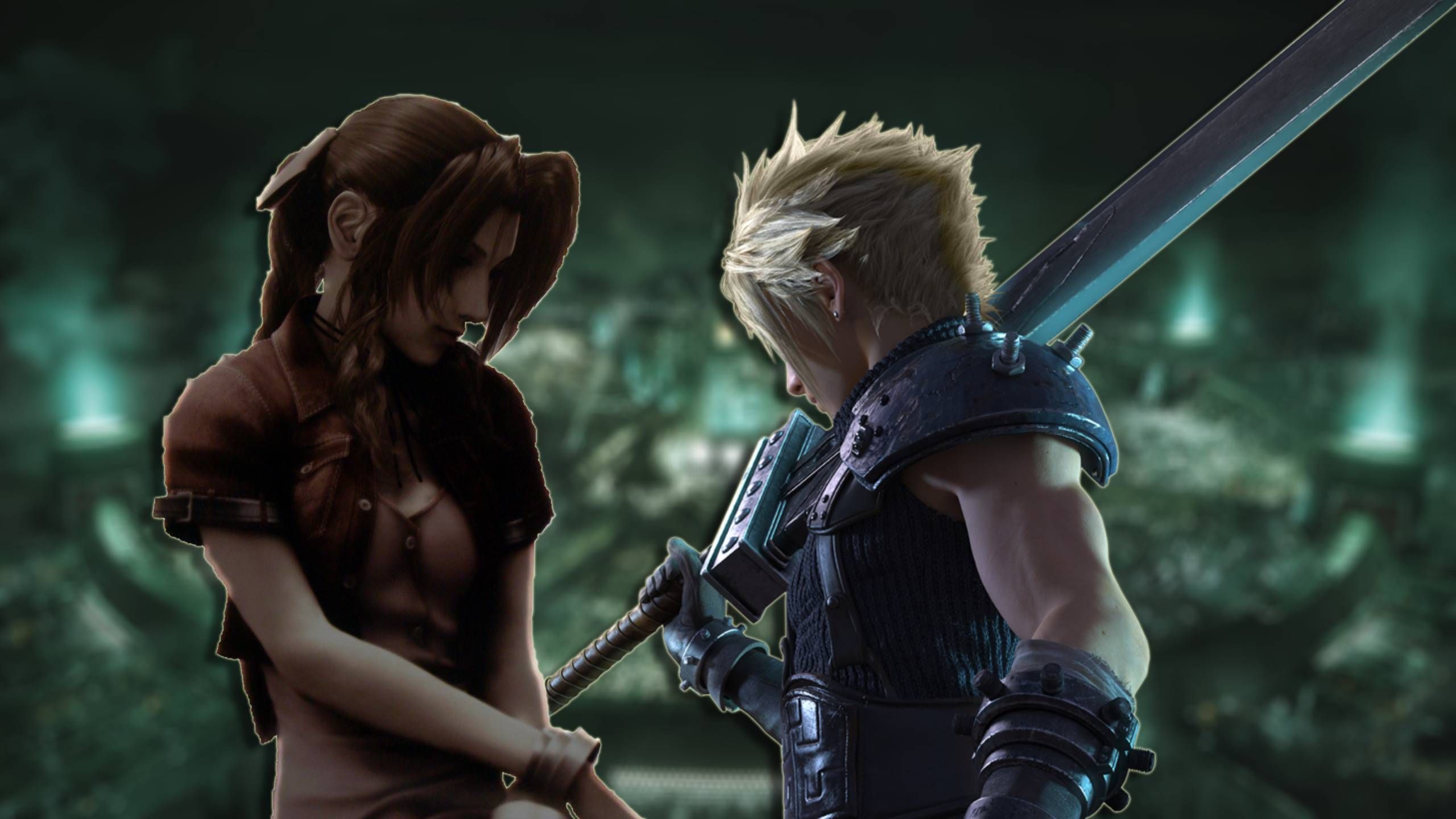
Picture this: you’re a movie director in 1977, incredibly proud of the film you’ve poured your heart and soul into. You spent years writing the script, carefully chose the ideal cast, and used everything you learned from film school and past experiences. Your movie is finally finished and ready for release… but it gets completely overshadowed by the sudden arrival of Star Wars, and nobody seems to notice.
That pretty much set the stage for JRPGs released in the following years. In early 1997, Final Fantasy VII launched in Japan and quickly dominated the gaming scene for the rest of the year. It’s worth remembering that 1997 was already a fantastic year for gaming, even without Cloud Strife and AVALANCHE capturing everyone’s attention.
Let’s explore 9 other role-playing games released in the same year. You’ll likely recognize some of these titles, while others might be completely new to you. If you’re taking a break from the Final Fantasy VII remakes, consider giving these a try!
9. Wild Arms
Sony Wanted In on that JRPG Goodness
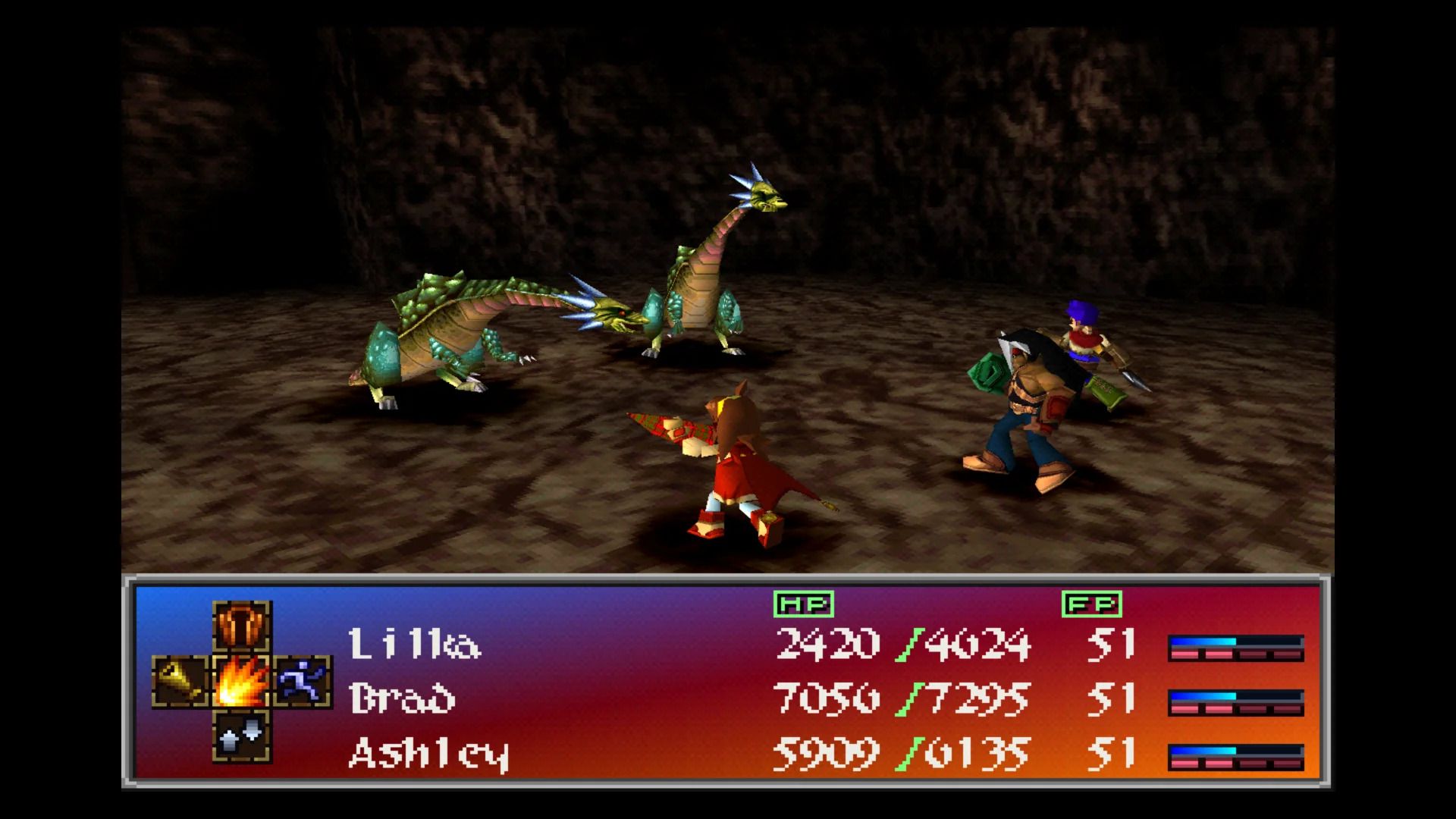
Before Final Fantasy VII became the dominant JRPG on PlayStation, Wild Arms filled the gap for many players. In Japan, Wild Arms was released just a month before Final Fantasy VII, but in North America, players had a five-month head start with Rudy, Jack, and Cecilia’s adventure. This meant American gamers had plenty of time to complete Wild Arms before getting fully absorbed into the world of Final Fantasy VII.
I really loved Wild Arms when it came out, and it wasn’t a flop at all – critics praised it, and it did well enough to get six follow-up games! But, like a lot of great RPGs from that era, it got overshadowed by the massive popularity of Final Fantasy VII. Honestly, the fact that Wild Arms achieved the success it did despite being released in the shadow of FFVII just proves how special it truly was.
8. Castlevania: Symphony of the Night
Like Bringing a 2D Knife to a 3D Gun Fight
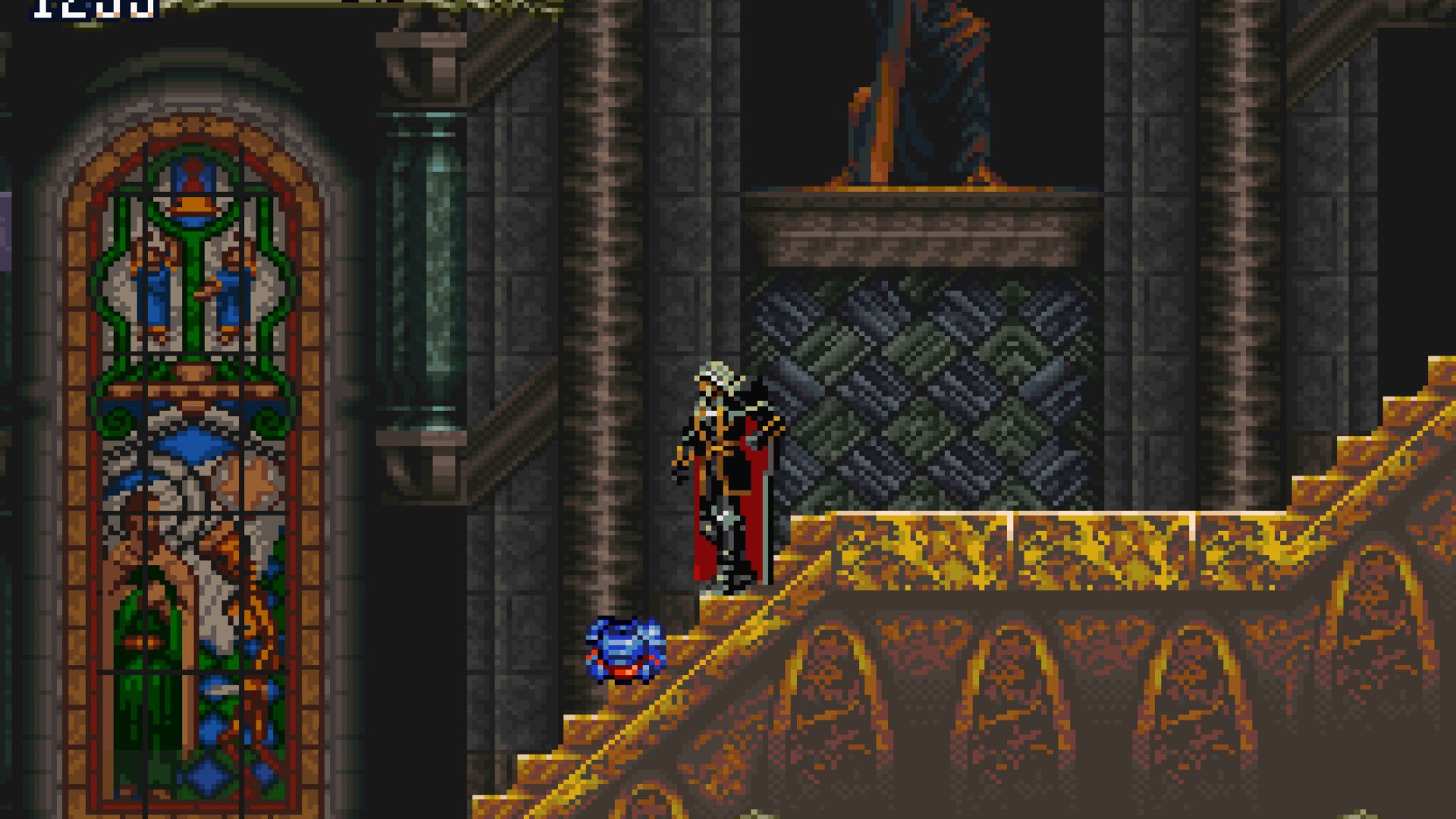
Let me be clear: Castlevania: Symphony of the Night was a major success. It sold over a million copies, breathed new life into the Castlevania series, and significantly influenced game design for years to come. It also proved that even as 3D gaming was becoming popular, there was still a place for excellent 2D titles – though not many of them.
It’s easy to imagine Symphony of the Night being overlooked if it hadn’t been a Castlevania game. The established brand name drew the attention of PlayStation players who were primarily focused on titles like Final Fantasy VII. Although not a typical Japanese role-playing game, its 1997 release meant it had to compete with the massive popularity of FFVII.
7. Shining Force III
It Had More Against It Than Just FFVII
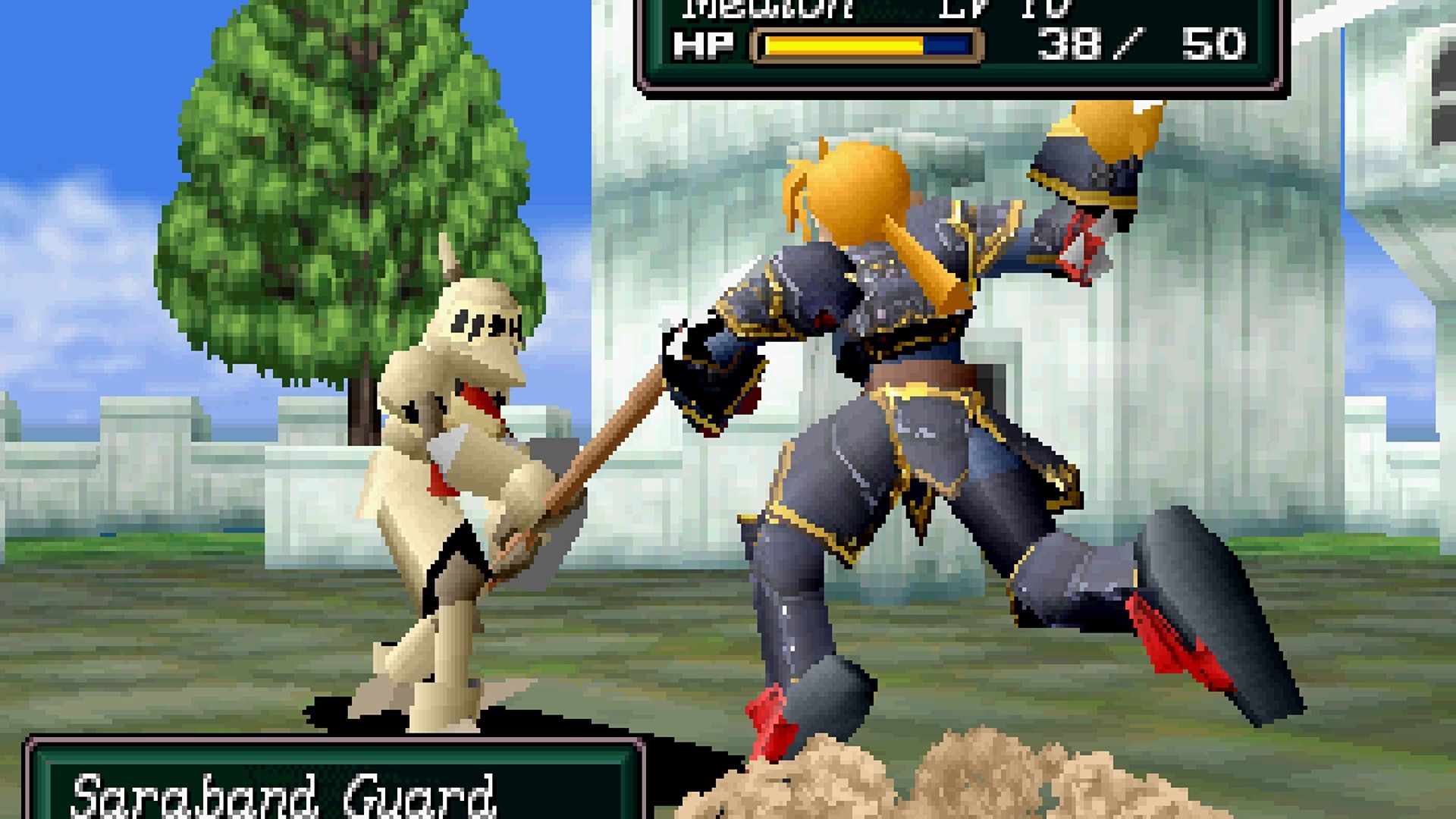
When I started at Iowa State University, I got into two things: the video game Final Fantasy VII and a way to play old games on my computer called emulation. Through emulation, I discovered the Shining Force series. I grew up a Sega fan during the 16-bit console era and I did like role-playing games, but Shining Force somehow passed me by.
My roommates were busy playing Final Fantasy VII on the TV, but I was having a great time discovering Shining Force II on my computer. I ended up spending so much time playing Shining Force II and Chrono Trigger that I never finished my degree at Iowa State. To my surprise, a third game, Shining Force III, came out that same year on the Sega Saturn, which pretty much explains why I didn’t get around to it.
It’s too bad this game doesn’t get the love it deserves, because honestly, it feels like a true entry in the series. I had a blast playing it – it’s just as enjoyable as the earlier titles, and a huge step up from Shining in the Darkness (seriously, almost anything is better than Shining in the Darkness!). Plus, the game just looks fantastic – the presentation is really top-notch.
6. Grandia
Retro Evolved. Eh… Kinda.
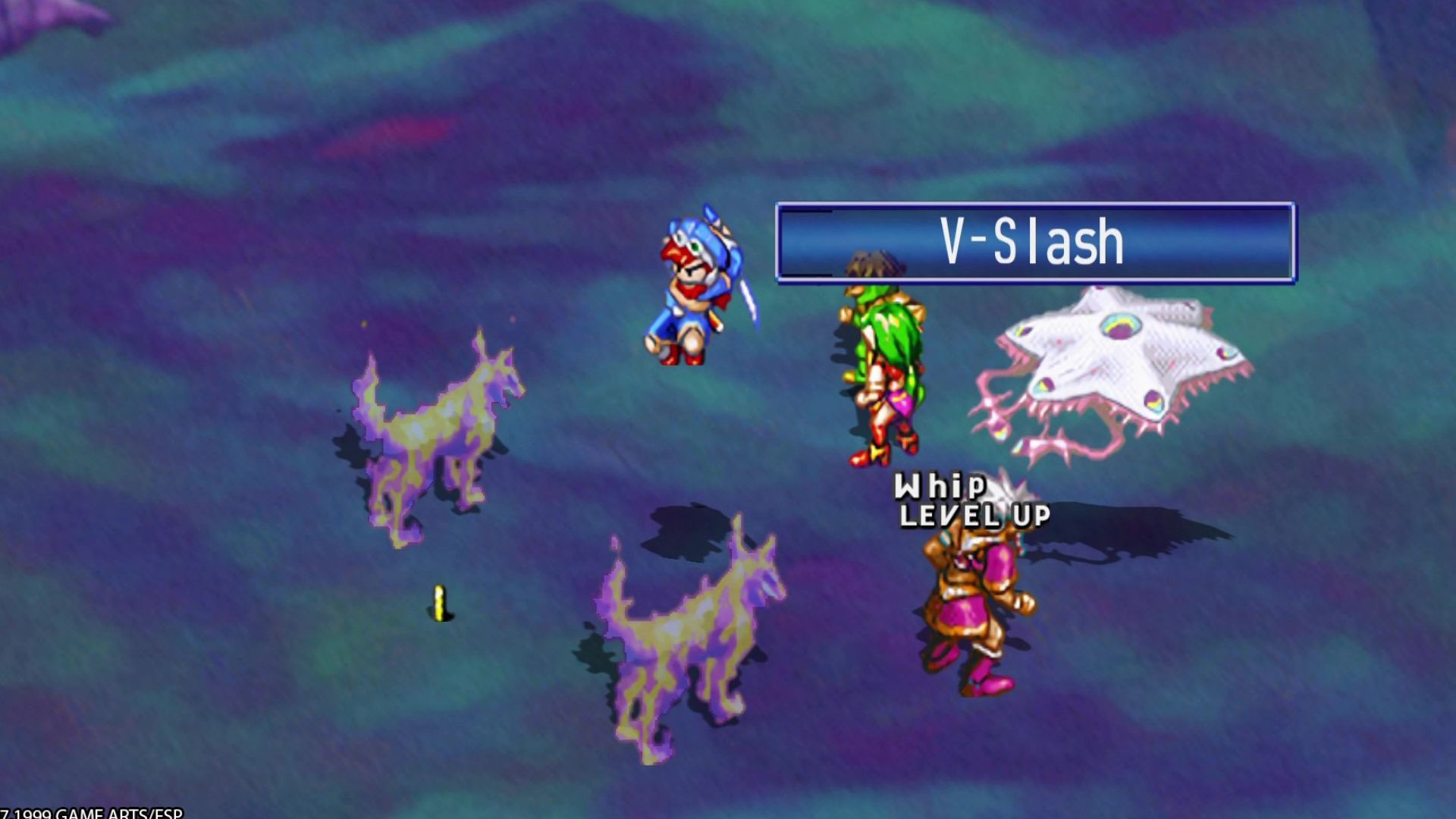
Released for the Sega Saturn in 1997 (and later on PlayStation in 1999), Grandia featured a large, detailed story with well-developed characters. Its world and gameplay felt more like older Final Fantasy games than the Final Fantasy title released the same year. While created with classic 2D pixel art, Grandia notably included voice acting – a feature the Final Fantasy series wouldn’t adopt for another three years. Though the voice acting wasn’t particularly high quality, it was still an impressive addition for the time.
The game Grandia was successful enough to spawn several sequels and spin-offs, even an online multiplayer game that ran for three years. However, it was often compared to Final Fantasy VII, and the console it was released on didn’t perform well, which prevented the series from becoming truly popular.
5. Alundra
From Stalking Land to Stalking Dreams
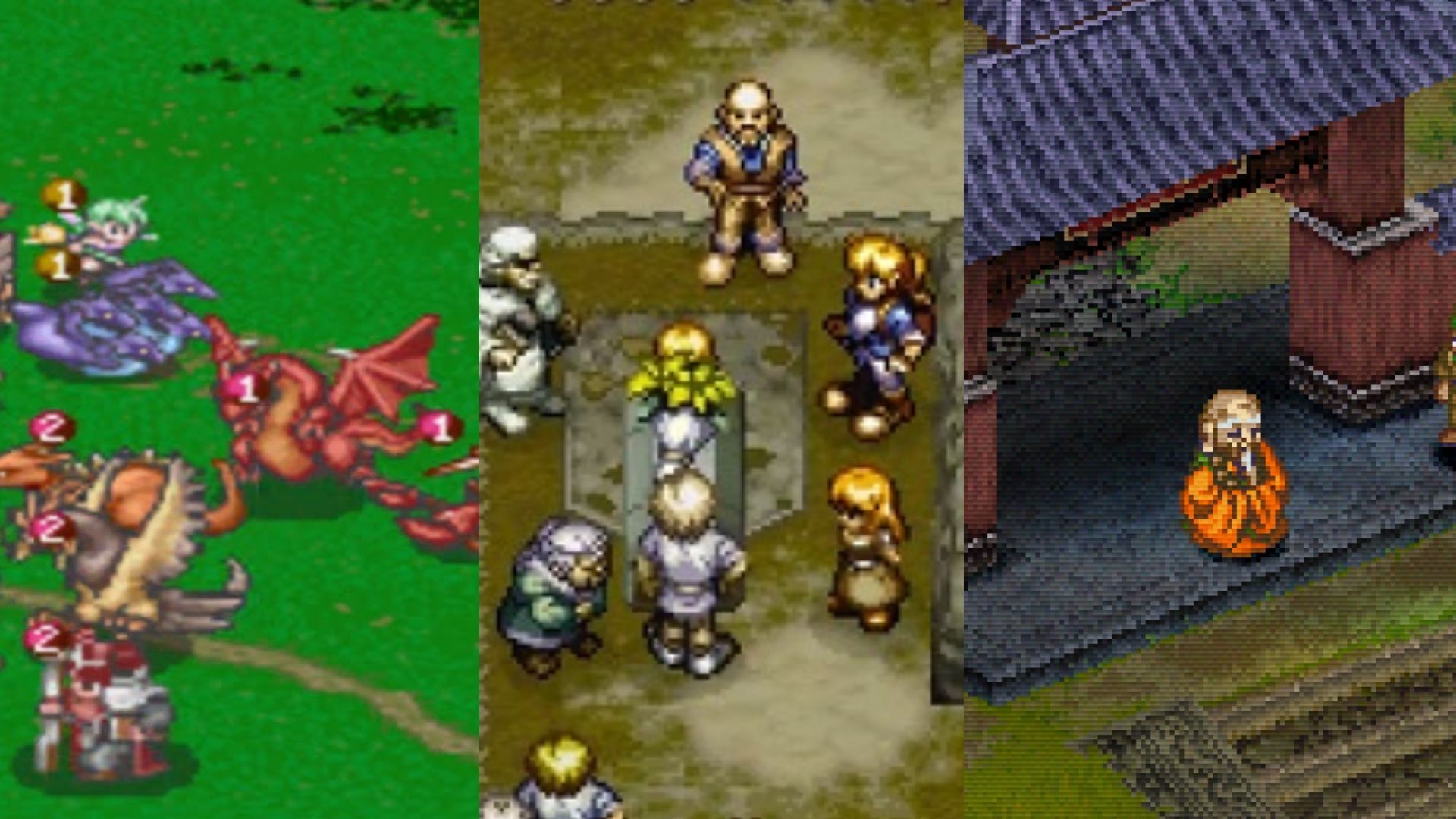
If you’ve played both Alundra and the 1993 Sega Genesis RPG Landstalker, you might have noticed they feel very similar. That’s not a coincidence – many of the developers who worked on Landstalker also created Alundra. Both games are fantastic, but surprisingly, they don’t share a storyline or connected universe. And just to clear things up, the game isn’t related to the 90s wrestler Alundra Blayze – I was surprised by that, too!
Similar to the game Landstalker, Alundra features action viewed from an isometric perspective. Players control Alundra, an elf who enters the nightmares of people in the village of Inoa to battle monsters and uncover the source of these troubled dreams. Released in Japan shortly after Final Fantasy VII, it was popular enough to be released in the US the next year and even spawned a sequel.
4. Final Fantasy Tactics
Welcome to Ivalice
Final Fantasy Wiki
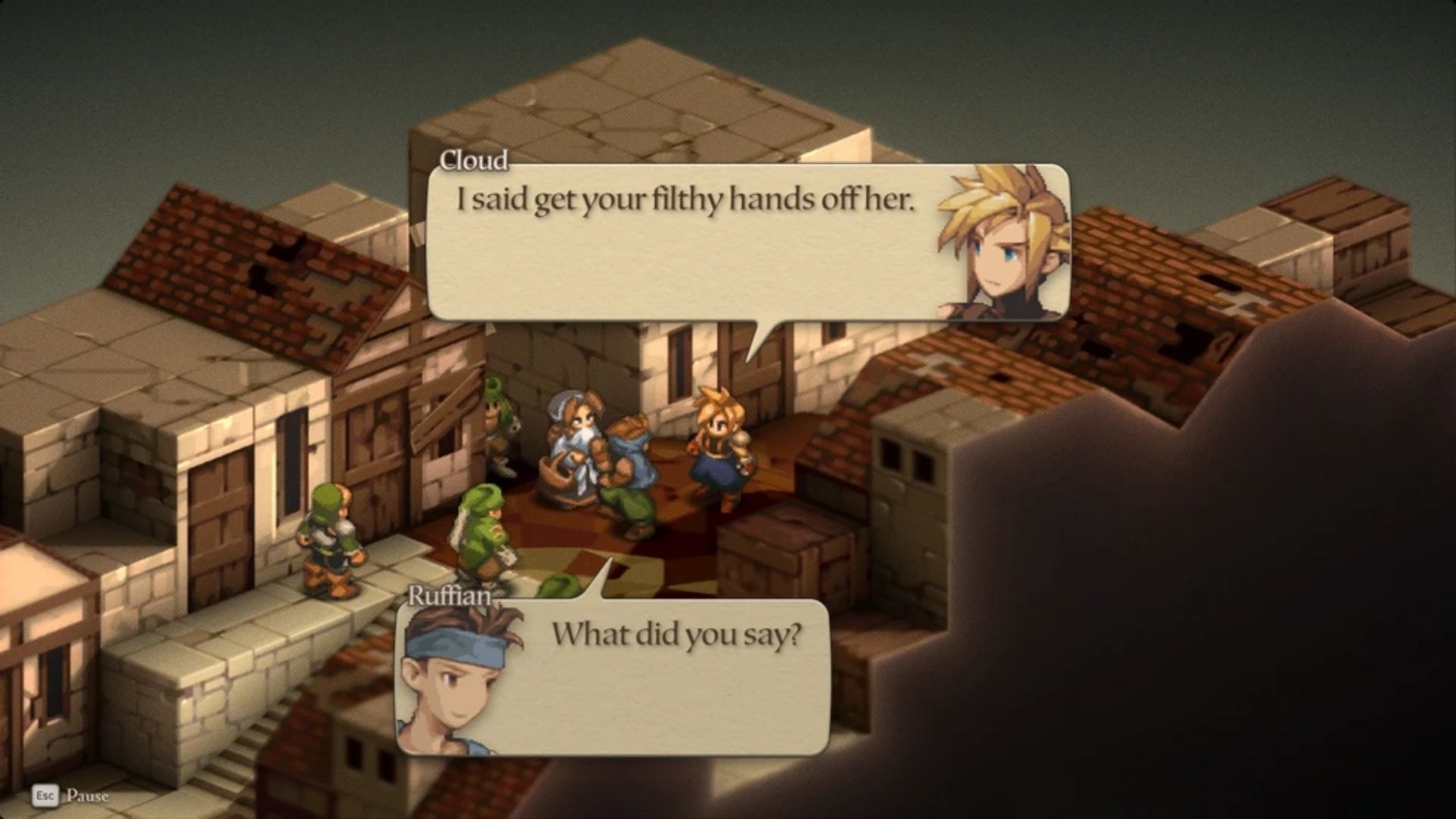
Many fans consider Final Fantasy Tactics a high point in the Final Fantasy series, and for good reason. It’s easy to overlook, though, that it came out the same year as the hugely popular Final Fantasy VII. Tactical RPGs weren’t mainstream then, and likely wouldn’t have reached a large audience at any time. However, Final Fantasy Tactics wasn’t just a simple branding exercise by Square; it was a thoughtfully crafted game.
Hironobu Sakaguchi, the creator of Final Fantasy, had an idea for a tactical RPG as early as 1993, but he was too busy with Final Fantasy projects to pursue it. Luckily, in 1995, Yasumi Matsuno, the creator of Ogre Battle, joined Square, and the two collaborated to bring Sakaguchi’s vision to life. This collaboration also introduced the world of Ivalice, which would later become the setting for Vagrant Story, Final Fantasy XII, and two sequels to Tactics on the Game Boy Advance.
You can now enjoy an enhanced version of the game with Final Fantasy Tactics: The Ivalice Chronicles, and it’s definitely worth checking out!
3. SaGa Frontier
Square Didn’t Only Just Make Final Fantasy Games, Y’know
Square Enix
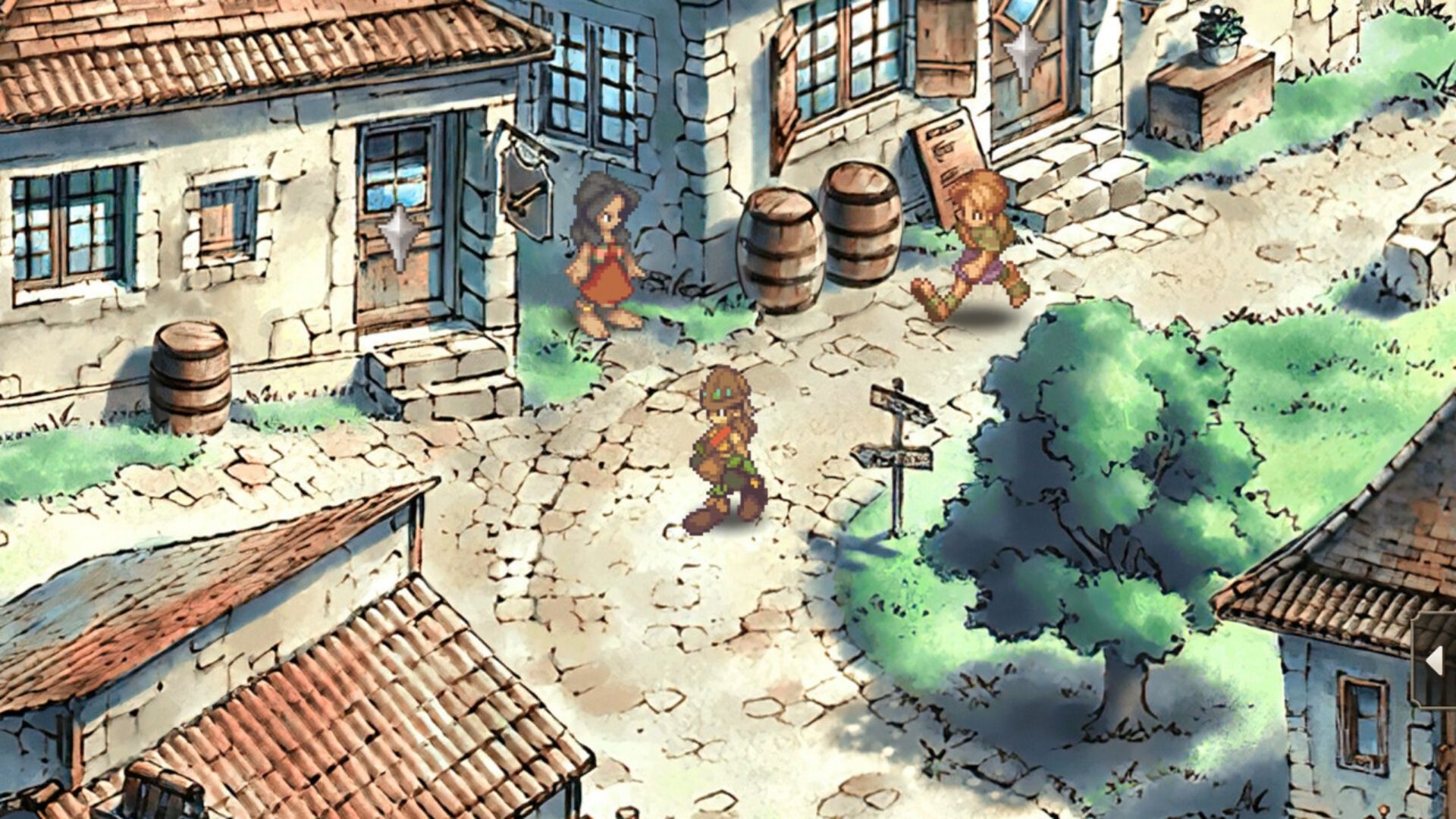
In the 1990s, while Square was becoming famous for the Final Fantasy series, they also had another successful franchise called SaGa. These games first appeared on the Game Boy and later came to more powerful consoles. Many longtime fans remember them being released as Final Fantasy Adventure in some regions, but they were always distinct games with their own unique identity.
Subscribe for deep dives into classic JRPGs & more
When Square Enix brought the Final Fantasy series to PlayStation, they also included the SaGa series. SaGa Frontier was unique compared to Final Fantasy VII because of its open-ended gameplay, sci-fi setting, and the ability to play as different characters. Though already popular in Japan – which helped Frontier succeed there – the game didn’t receive great reviews. This may be why the series didn’t become hugely popular in North America. Despite this, SaGa remains a thriving series even now.
2. Tales of Destiny
This Franchise Wouldn’t Find Its Destiny Until Later
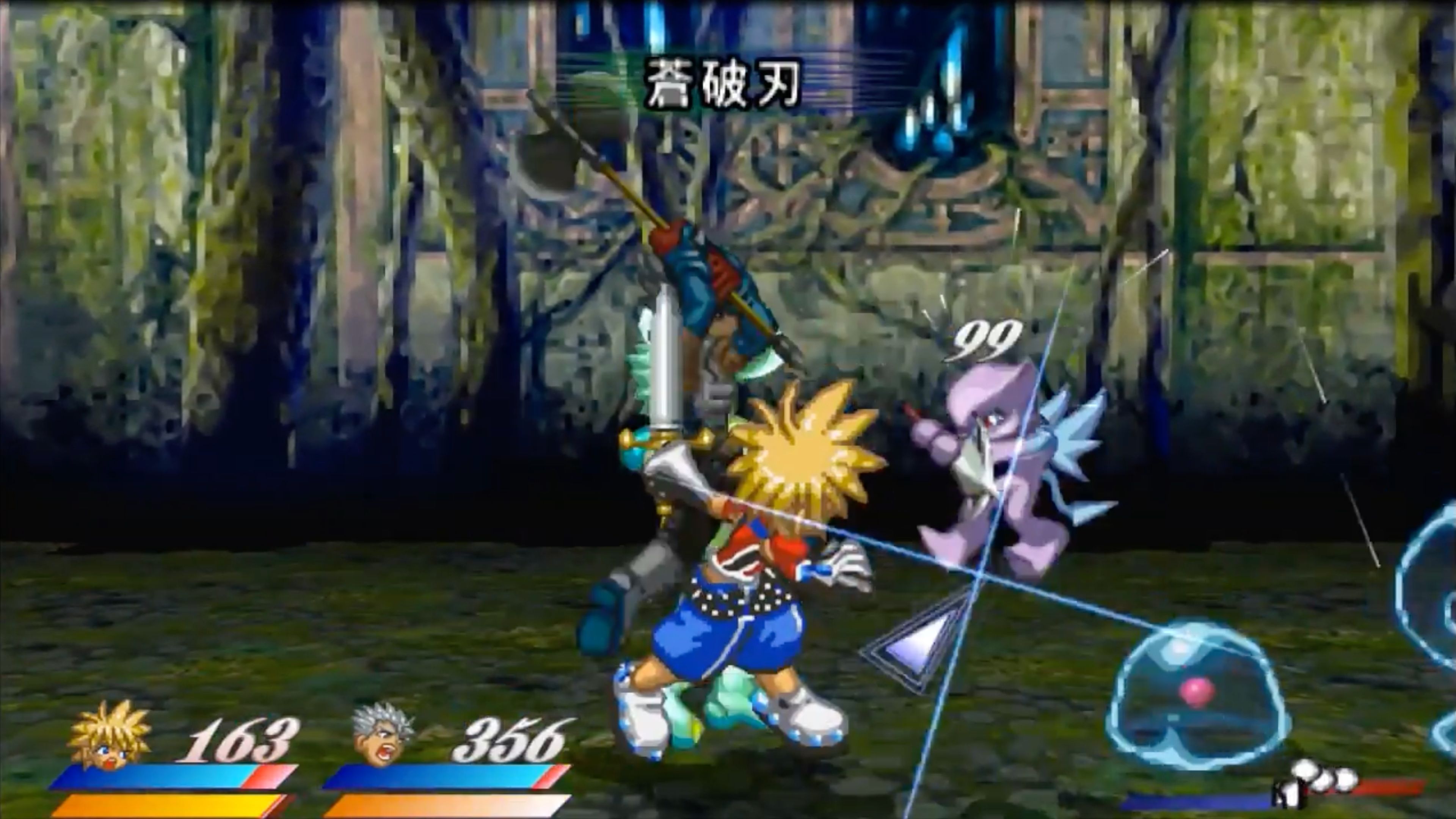
The Tales series became popular towards the end of the 16-bit gaming era. Currently, there are seventeen games in this well-known series from Namco. Both the Tales and Final Fantasy franchises first appeared on the PlayStation in 1997. However, Final Fantasy VII had much more impressive graphics than Destiny, which still looked like a 2D game from the previous generation.
While Final Fantasy didn’t destroy the Tales of series – quite the opposite, actually – and Final Fantasy VII‘s success likely introduced many players to Tales of, it wasn’t the JRPG everyone was discussing when it launched in either Japan or the West.
1. Breath of Fire III
Going With What Works
MobyGames / Capcom
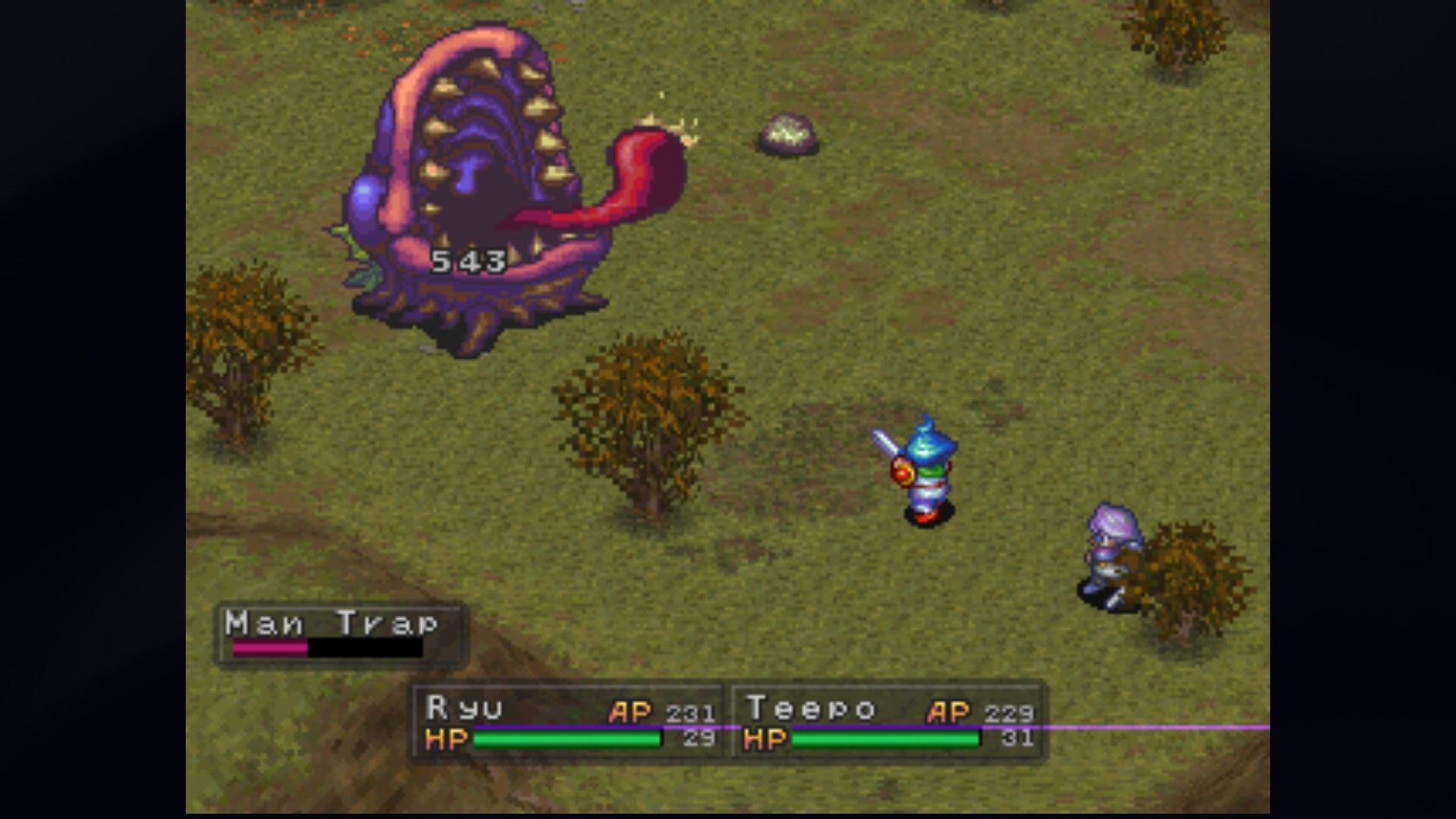
I remember getting into the Breath of Fire series like I did with Tales of – both started on the SNES! And what I really appreciated was how Breath of Fire kept what made those early games so good when it jumped to the PlayStation. Breath of Fire III came out in Japan towards the end of 1997, around the same time as Final Fantasy VII. It’s a game a lot of fans really love, though it didn’t quite become a massive, groundbreaking hit – but it’s still special to me!
While Breath of Fire IV was well-received by critics, it didn’t achieve the same popularity as previous games. The poor reception of Dragon Quarter effectively ended the series, and there haven’t been any new installments outside of a Japanese mobile game released in 2016.
Read More
- Off Campus Season 1 Soundtrack Guide
- 46 Years Later, The Mandalorian & Grogu Answers A Major Empire Strikes Back Question
- X-Men ’97 Finally Gave Gambit the Hero Moment He Deserved
- HoI4 fans harsh reactions to the announcement of another DLC pack
- Chainsaw Man Volume 24’s Cover Art Reveals a Brand-New Denji
- 10 Worst End-Game Couples In Sitcom History
- DoorDash responds after customer uses AI to make food look bad and get a refund
- Emily Henry Says to ‘Trust the Vision’ For Beach Read Adaptation
- Hatsune Miku cosplayer goes viral selling $15 cups of “foot juice” to thirsty anime fans
- Katanire’s Yae Miko Cosplay: Genshin Impact Masterpiece
2026-06-01 01:41