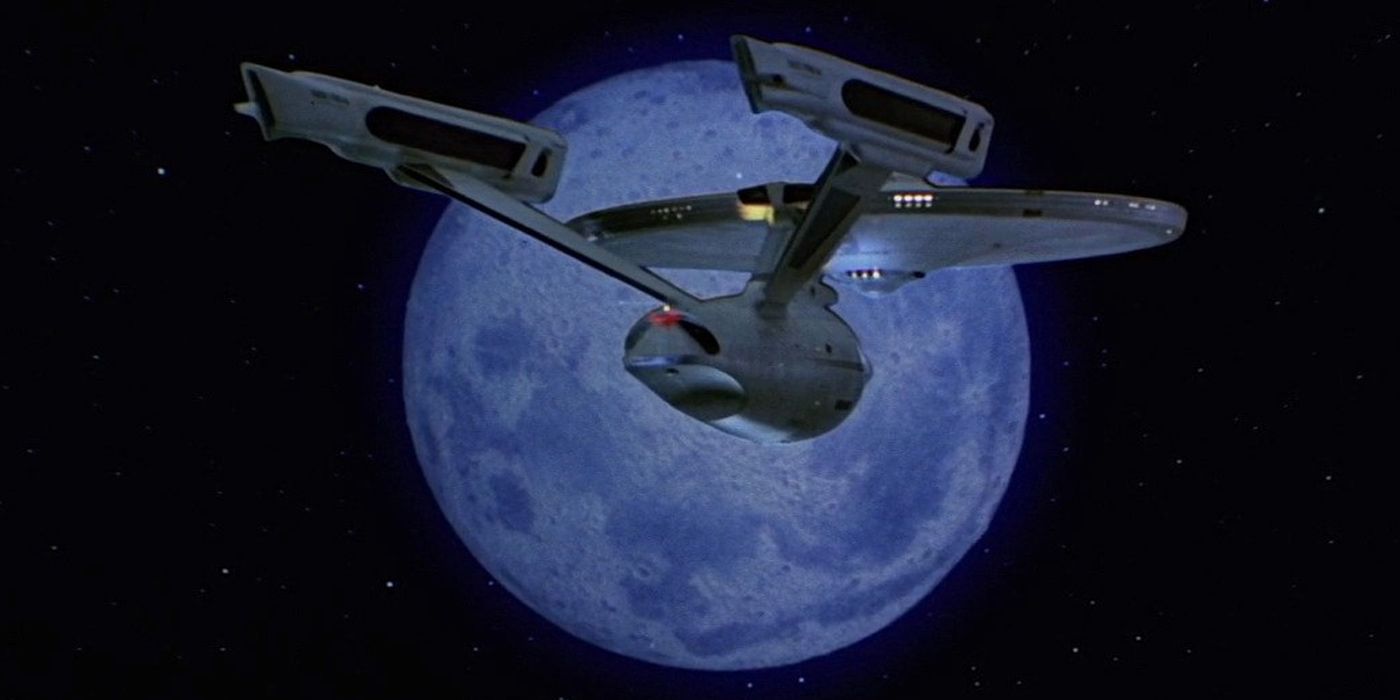
For 60 years, Star Trek has flourished with 14 films and 15 TV shows. However, many fans agree that recent installments have been inconsistent, facing early cancellations like Starfleet Academy and introducing ideas that don’t quite fit the spirit of the original series. To revitalize the franchise and prevent it from fading away, Paramount has announced a new approach.
Rather than continuing with a new TV series, the studio is focusing on a one-time, large-scale movie event. This film will tell a completely new story, separate from the previous set of movies that began with the 2009 reboot. The announcement was made at CinemaCon 2026, and while details are still limited, this new project will break the longest period without a Star Trek movie in theaters. However, past experience suggests Star Trek generally thrives when it’s built on a strong television series.
Everything We Know About the Upcoming Star Trek Reboot
The project is still being developed, and while the studio didn’t share many specifics at CinemaCon, some initial reports give fans a preview of what’s to come.
The team behind the movies Game Night and Dungeons & Dragons: Honor Among Thieves – John Francis Daley and Jonathan Goldstein – signed on in November 2025 to write, direct, and produce a new Star Trek film. This movie will be a fresh start for the franchise, completely separate from previous Star Trek films and TV shows, and will feature a brand new cast. That means familiar faces like Chris Pine, Zachary Quinto, and Zoe Saldaña won’t be involved.
Details about the story and characters for the new Star Trek movie haven’t been revealed yet. While there’s no confirmed release date, Paramount CEO David Ellison is making it a priority, so it might happen sooner than anticipated. If everything goes well, we could see the film as early as 2028.
The Upcoming Star Trek Reboot Will End a 10 Year Theatrical Gap
It’s been a decade since the last Star Trek movie, Star Trek Beyond. The delay is largely due to changes that started with J.J. Abrams’ 2009 Star Trek reboot. That film was a big success, making $385 million on a $150 million budget and receiving a 94% approval rating on Rotten Tomatoes – the highest in the series. But things started to change after that initial success.
The 2013 film, Star Trek Into Darkness, was a huge commercial success, earning $467 million worldwide – a new record for the series. However, it was also much more expensive to make, costing around $185 to $190 million, which meant the film only made a small profit. While generally well-received, it received somewhat more mixed reactions than the first film, with scores of 84% and 89% on Rotten Tomatoes.
When Star Trek Beyond was released in 2016, its production cost remained around $185 million, but it earned $343 million worldwide – the lowest box office revenue of the three films. This reportedly caused Paramount Pictures to lose money, and discouraged them from immediately starting work on another Star Trek movie.
As the Star Trek movies started to earn less money, Paramount began looking for new ways to revitalize the series. Over the past ten years, several different film projects were considered, with directors like S.J. Clarkson, Noah Hawley, and Matt Shakman all involved. One project, at one point, was even envisioned as the last Star Trek film directed by a particular filmmaker, but it ultimately didn’t happen.
These films were all intended to expand the story established in the recent Star Trek movies, either by continuing the existing plotlines or creating new ones connected to the same universe. One idea would have brought Chris Hemsworth and Chris Pine together on screen, showing their characters meeting through time travel. Another project was thought to potentially involve the character Data from Star Trek: The Next Generation. Unfortunately, none of these plans moved forward, and after years of delays, Paramount’s recently announced reboot is the only Star Trek film currently in production.
The Star Trek Reboot Risks Repeating The Franchise’s Biggest Movie Problem
In 1979, Star Trek: The Motion Picture brought the popular series to the big screen. The film followed Captain Kirk, played by William Shatner, and the crew of the USS Enterprise as they raced to stop a massive energy cloud from reaching Earth. Although it made $139 million globally on a $44 million budget, the movie initially received mostly negative reviews and still holds a relatively low 42% audience score on Rotten Tomatoes.
Many fans don’t enjoy The Motion Picture because it feels very different from The Original Series. Though it features the same actors, the movie traded the exciting, action-packed style of the TV show for a slower, more visually focused approach. While this can work well in some science fiction films, it doesn’t fit a series known for its thoughtful ideas and quick pace.
Many fans consider Star Trek II: The Wrath of Khan to be the best film in the series. Its success stemmed from being based on the classic TOS episode “Space Seed” (Season 1, Episode 22), which first introduced the character of Khan – a genetically engineered superhuman – and showed his banishment to the planet Ceti Alpha V. The film then picks up with Khan’s return, seeking revenge on Captain Kirk, whom he blames for his exile.
Movie adaptations of TV shows often start fresh with new actors and storylines. However, The Wrath of Khan stands out because it successfully connects to its original TV episode without requiring viewers to have seen it first. It builds on the existing story in a way that feels connected and enriching.
The new Star Trek movie faces the challenge of maintaining the rich history and established lore that fans love. Because it’s a complete reboot with a new cast and storyline, separate from both the TV shows and previous films, it risks losing that connection. The Wrath of Khan succeeded by appealing to both dedicated fans – by building on the original TOS series – and newcomers, encouraging them to explore the earlier show. It made the film feel important because of its ties to the existing universe.
The original Star Trek films, and the later attempt to create a new timeline that didn’t quite succeed, show a pattern similar to what happened with The Next Generation movies. Those films were generally well-received until Nemesis, and they continued the stories from the TV series. Generations connected the original series with The Next Generation by bringing back Captain Kirk. First Contact directly followed up on the storyline where Captain Picard was assimilated by the Borg in a famous episode, and Insurrection felt like a longer, more in-depth episode, exploring significant ideas.
The new Star Trek movie from Paramount has the potential to be a great revival for the franchise, but it also faces some challenges. Because it’s starting fresh with new characters and a new story, it could disappoint loyal fans who value the existing continuity. It also risks feeling like just another sci-fi movie if it doesn’t connect strongly to what came before. Only time will tell if the reboot avoids these pitfalls, and hopefully, we’ll get more details soon that will reassure fans.
Read More
- Off Campus Season 1 Soundtrack Guide
- Chainsaw Man Volume 24’s Cover Art Reveals a Brand-New Denji
- 46 Years Later, The Mandalorian & Grogu Answers A Major Empire Strikes Back Question
- X-Men ’97 Finally Gave Gambit the Hero Moment He Deserved
- HoI4 fans harsh reactions to the announcement of another DLC pack
- 10 Worst End-Game Couples In Sitcom History
- Katanire’s Yae Miko Cosplay: Genshin Impact Masterpiece
- Gold Rate Forecast
- Emily Henry Says to ‘Trust the Vision’ For Beach Read Adaptation
- DoorDash responds after customer uses AI to make food look bad and get a refund
2026-05-31 16:37