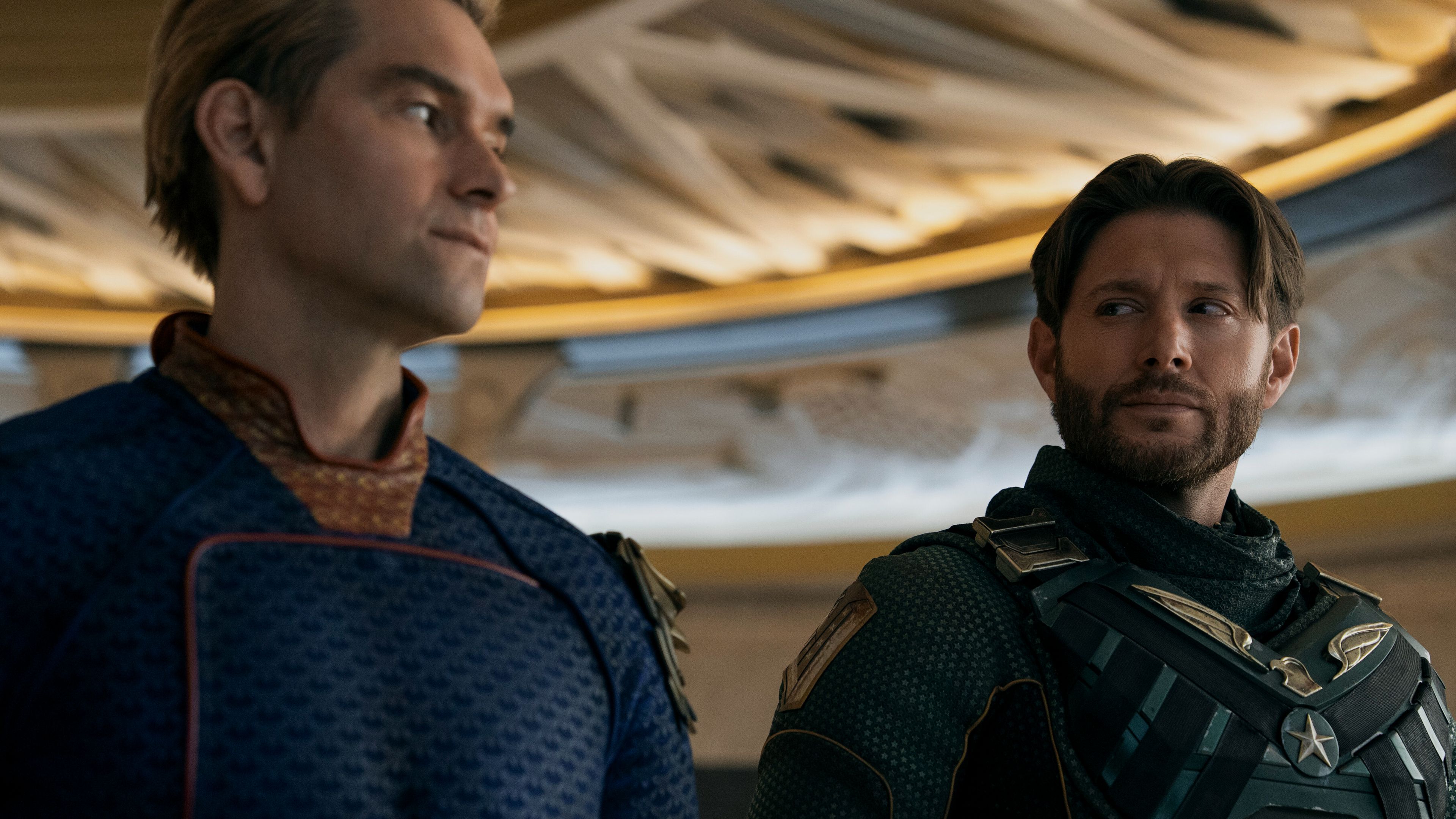
Prime Video’s The Boys draws heavily from its original comic book source material, but the show developed in some significant ways. Now that The Boys has concluded with its fifth season, the series has wrapped up the story of a group trying to rid the world of dishonest superheroes. While inspired by the comics, the show’s finale diverged considerably from the comic book ending, a result of changes made throughout the series.
The Prime Video series, while inspired by Garth Ennis’s comic books, isn’t a direct adaptation. It keeps the original’s dark humor and sharp satire, but it significantly changes the story. Several plotlines were removed or altered, and many characters were reimagined or created specifically for the show. For example, Gen V builds on The Boys universe with a new cast of characters, and future shows like Vought Rising, focusing on Soldier Boy, will continue to expand the story in new directions, further differentiating the series from the comics.
Listing every difference between the The Boys comics and the TV show would be exhaustive, so we’ll focus on the most significant changes. This includes alterations to characters like Homelander, major plot developments (like deaths in season 5), and key differences in how the world is built. Here’s a rundown of the biggest ways the Prime Video adaptation differs from the original comics.
30. All The Boys Use Compound V In The Comics
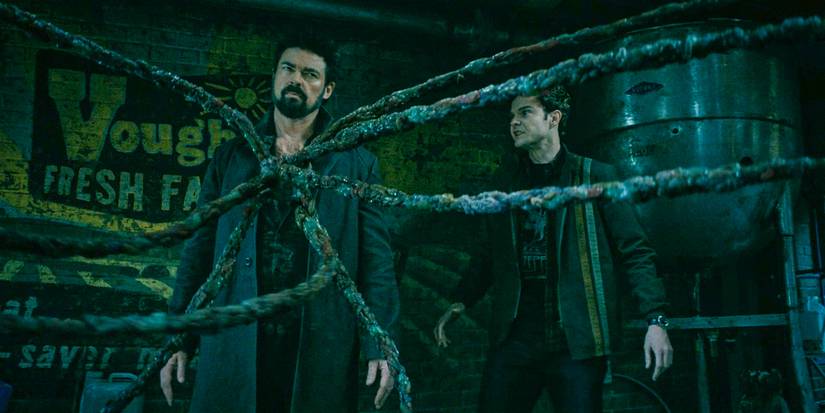
One of the biggest differences between the TV show The Boys and the original comic book is the group itself. In the show, Billy Butcher, Mother’s Milk, Frenchie, and Hughie start as a covert team working for the CIA. They know they can’t win a direct fight against the super-powered individuals, so they rely on strategy and cunning to take them down. They only gain a more equal fighting chance when heroes like Starlight and Kimiko join their side, particularly in the first few seasons.
The comic book version of The Boys is quite different from the Prime Video series. In the comics, almost all members of The Boys already have superpowers from a substance called Compound V, leveling the playing field against the superpowered Seven. Hughie is the exception, but even he eventually receives an injection. This makes the TV show’s version of The Boys much more of an underdog group. While season three of the show saw Butcher and Hughie temporarily gain powers with Temp-V, only Butcher retained powers by the end of the series.
29. Hughie’s Appearance & Supe Relationships
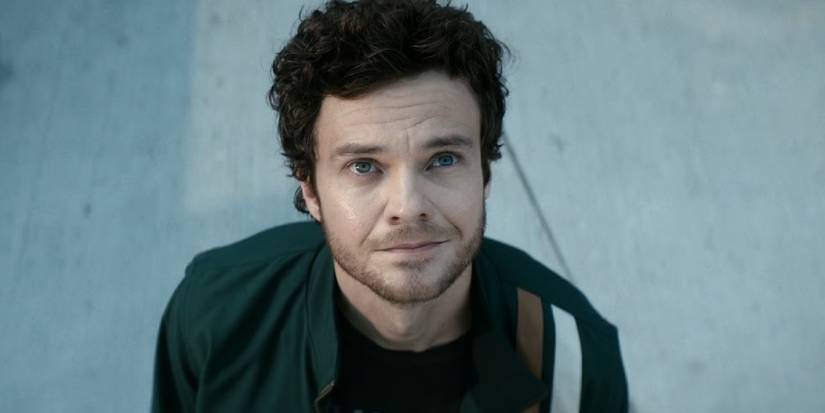
When we first meet Jack Quaid’s character, Hughie, in The Boys, he’s a quiet guy seeking revenge after A-Train unintentionally causes his girlfriend, Robin, to die. Beyond this basic premise, the TV version of Hughie differs significantly from the comic books. The comic book Hughie is visually based on actor Simon Pegg, who ironically plays Hughie’s father in the Prime Video series. Of course, Jack Quaid doesn’t resemble Simon Pegg, so the two Hughies look quite different.
As a fan, I always found Hughie’s story with A-Train so compelling, though it played out very differently in the show versus the comics. In the series, their conflict stretched across all five seasons and surprisingly ended with Hughie offering forgiveness. It’s a huge departure from the source material, where Hughie actually kills A-Train, driven by rage over Robin’s death and what A-Train did to Starlight. And it’s interesting because in the show, Hughie’s first time killing a Supe is Translucent, which really sets him on a different trajectory than his comic book counterpart.
28. The Development Of Ryan Butcher
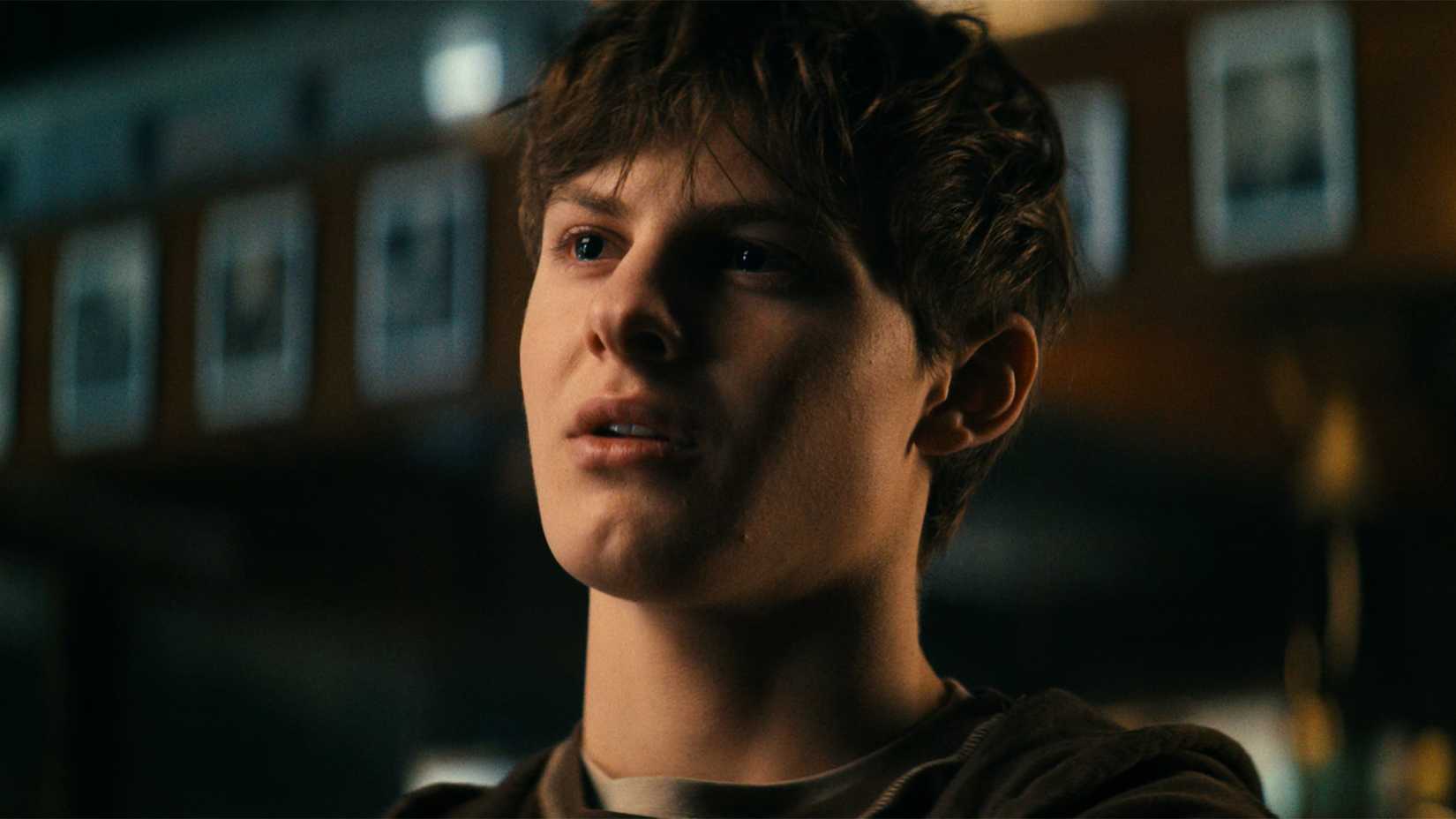
Right from the first season, the show The Boys started making significant changes from the original comic books. These early differences ultimately led to a different ending than what was initially planned. One key change involved the character of Ryan Butcher. As the son of Becca Butcher and Homelander, Ryan is a uniquely powerful character – he’s the only person naturally born with superpowers. As we see in season 5, Ryan ultimately uses his powers to defeat Homelander, fulfilling a promise to his mother.
However, the story of Ryan’s birth is quite different in the original The Boys comic book. He’s born, but immediately attacks Billy Butcher, who is then forced to kill him with a table lamp. This is a much more shocking and violent event than what’s shown in the Prime Video series, which spends a lot of time developing Ryan’s character. The comic books are known for being significantly more graphic and intense.
27. The Fate Of Becca Butcher
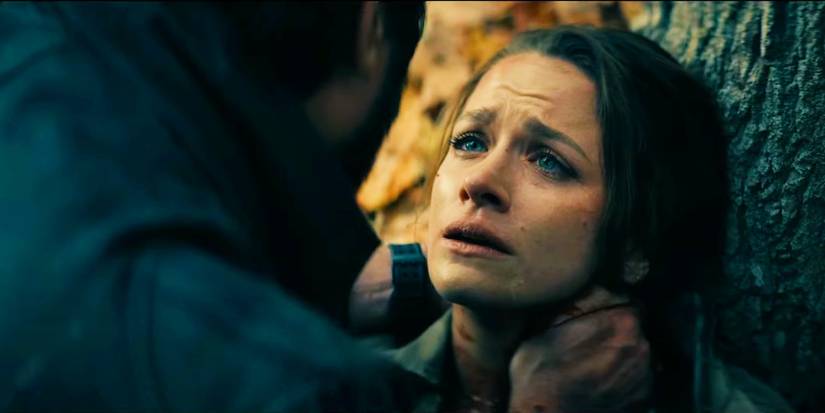
Beyond Ryan’s storyline, a major difference between the TV show The Boys and the original comic book lies in what happens to Butcher’s wife, Becca. In the comics, Becca dies shortly after giving birth to Homelander’s child, which leads to Butcher killing Homelander. This trauma—her assault and death at Homelander’s hands—is the core reason Butcher hates Supes and seeks revenge. The show handles this differently. While Becca is assaulted by Homelander and seemingly disappears, leading Butcher to believe she’s dead and start his quest for vengeance, the Prime Video series makes a significant change to this part of the story.
In the series The Boys, both Becca and her son, Ryan, initially survive. Vought, under Madelyn Stillwell’s direction, kept them hidden from Homelander. This served two purposes: it allowed Vought to control Homelander and provided a backup plan if that control failed. Becca’s survival was a key part of the first season’s finale and drove much of the story in season two, ultimately highlighting Ryan’s growing importance. However, Becca tragically died in the season two finale, which intensified Butcher’s mission.
26. Transoceanic Flight 37
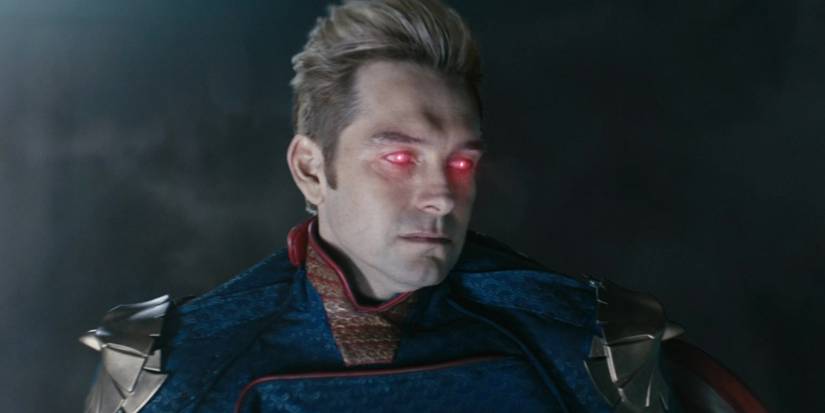
The plane crash of Flight 37 was a key event in the first season of The Boys, and even reappeared in season five, highlighting the selfishness, recklessness, and corruption of the show’s superheroes. After Homelander intentionally lets the hijacked flight crash, he exploits the tragedy to secure a deal between Vought International and the military for superhero services. Later, Queen Maeve uses information about the crash to manipulate Homelander, and eventually, Starlight reveals the truth to the public.
The comic book version of The Boys also features a plane crash, but with a darkly comedic twist. As a satire from a different time, the comics depict The Seven attempting to stop a plane headed for the World Trade Center during the 9/11 attacks. While they eliminate the terrorists, their efforts are a complete failure – mirroring the show’s themes – and the plane ultimately crashes into the Brooklyn Bridge. Vought immediately works to conceal the disaster, prioritizing the protection of its superhero image.
The storyline of the flight, and what happened because of it, was largely the same in both the The Boys comic book and the TV series, but there was one major change.
25. The Vought Cinematic Universe Doesn’t Exist
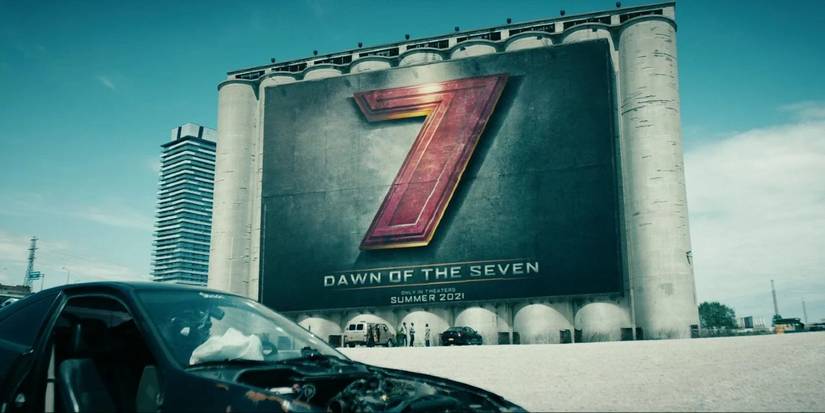
A key difference between the Boys TV show and the original comics lies in what they’re satirizing. The comics directly parody classic superheroes from Marvel and DC, twisting familiar characters into darker, more disturbed versions. The show, created after the rise of the Marvel and DC cinematic universes, instead focuses its humor on the superhero movie franchises themselves.
As a huge fan of superhero stuff, I’ve noticed that The Boys still loves to poke fun at heroes, but it’s shifted its focus. It’s less about making fun of the characters from the comics and more about lampooning how those characters are presented in big-budget movies these days. It’s brilliant because the Supes within the show even have their own origin story movies, and the writers aren’t shy about referencing things like the MCU or the Snyder Cut. This approach really sets The Boys apart – it’s a commentary on the whole genre, and a big departure from the more straightforward satire you’d find in the original comics.
24. New Superheroes
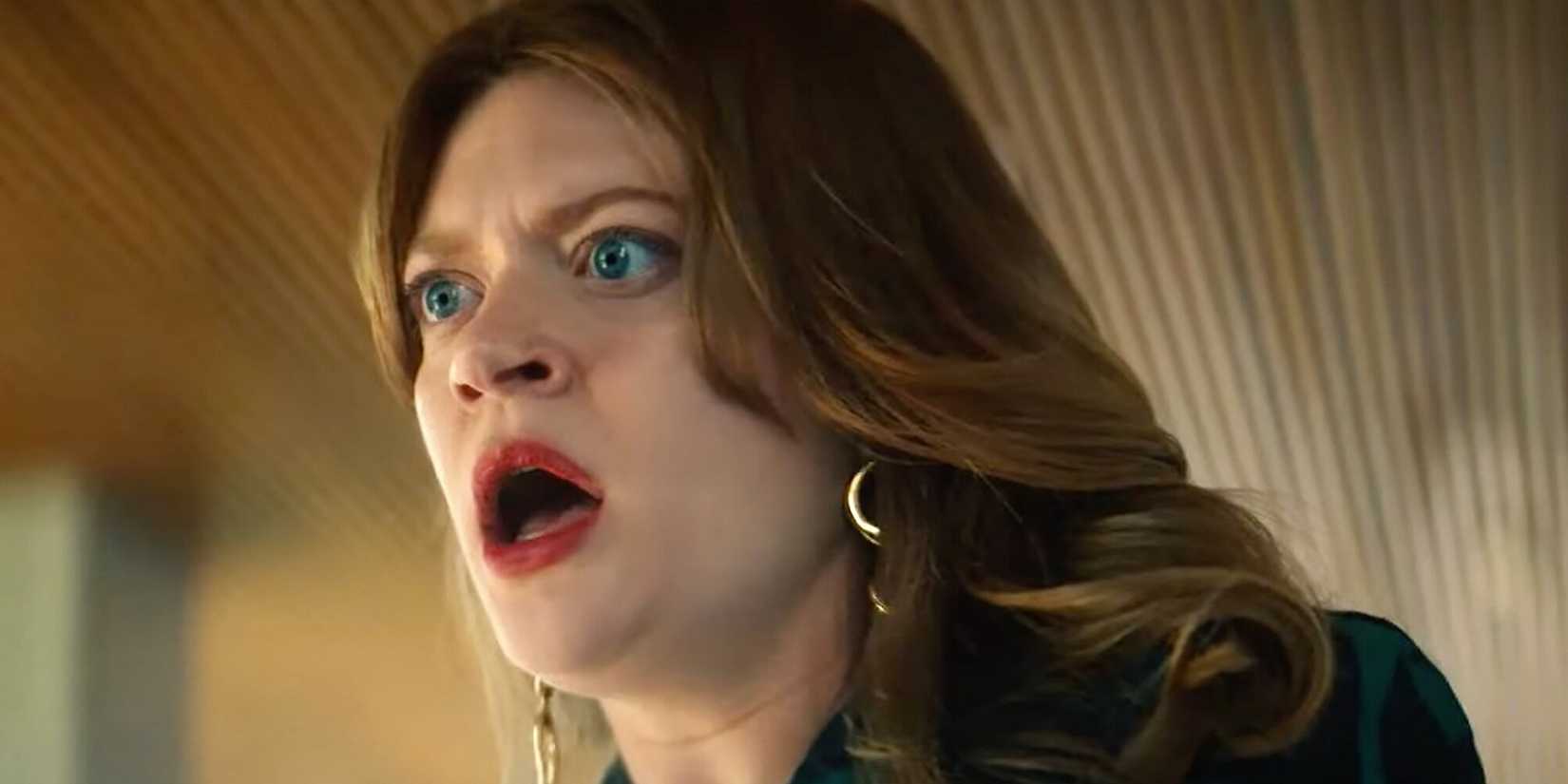
One major difference between the The Boys TV series and the original comic books is the addition of many new superheroes not found in the comics. Several of these characters, like Ezekiel, Mesmer, and even Translucent, play important roles in the first season. The spin-off Gen V also introduces key new characters, such as Marie Moreau, who become significant to the overall story. Even established characters like Ashley were given superpowers specifically for the show.
23. Madelyn Stillwell’s Character & Homelander Relationship

While The Seven are arguably the world’s strongest superheroes, they ultimately report to someone higher up. In the The Boys comics, that person is James Stillwell – a cold, ruthless businessman who cares only about Vought’s profits. However, the Prime Video series changes things. Instead of one character, it introduces two: Madelyn Stillwell, who manages The Seven, and Stan Edgar, the CEO of Vought.
Madelyn Stillwell, the character in the TV series The Boys, is portrayed as more relatable and flawed than her comic book version. She genuinely fears Homelander, even though they have a bizarre connection, and he ultimately kills her. While she uses their complicated dynamic – specifically his strong attachment to her – to influence him, she’s not as ruthless as other Vought executives like James or Stan, who will do anything to protect the company. Unlike them, Stillwell shows vulnerability and isn’t completely devoid of human emotion.
22. The Deep’s Character Arc
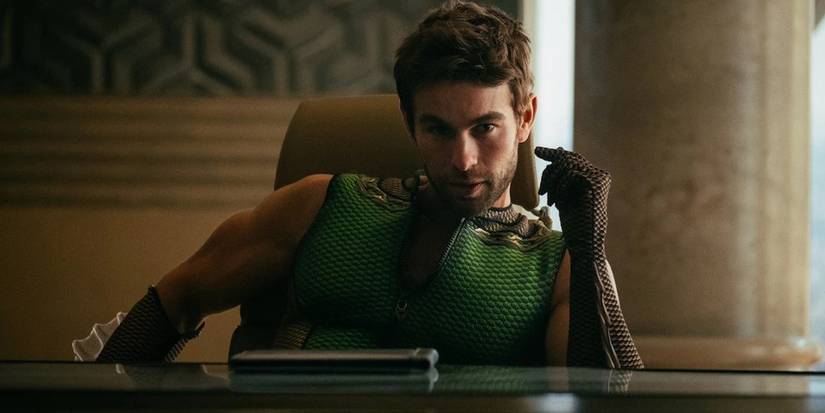
Starlight was devastated to discover that her hero, The Deep – a powerful but dim-witted member of The Seven – was actually a deeply flawed and abusive person. Throughout the TV show The Boys, she eventually reveals his crimes, causing him to become a social pariah. This leads to a selfish and ultimately unsuccessful quest for redemption, making The Deep a far more pitiable and reprehensible character than his comic book version.
To clarify, The Deep wasn’t involved in the assault on Starlight. The comics depict A-Train, Homelander, and Black Noir as the ones who pressured her. Interestingly, the comic book version of The Deep was portrayed as the most level-headed and practical member of The Seven, and he was the only one who made it through the entire story. The TV show’s version of The Deep is a complete departure from this, and his storyline with Starlight is significantly different as a result.
21. Kimiko’s Character
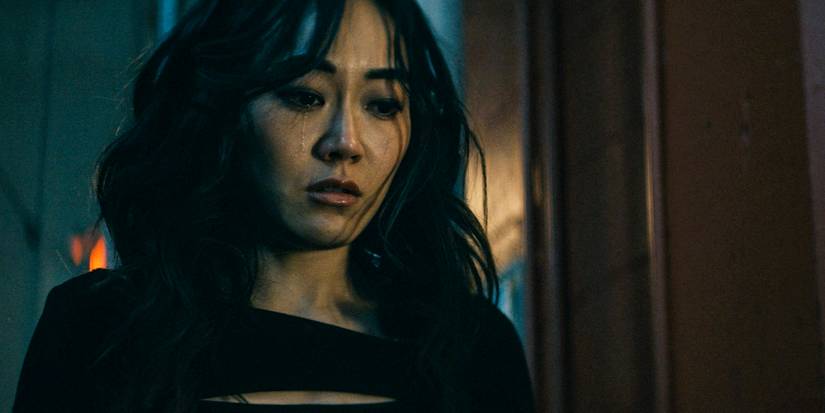
Since the start of the The Boys comic series, The Female has always been the strongest member of the team. She gained her powers as an infant after accidentally ingesting Compound V, turning her into a dangerous fighter. Though mysterious – only Frenchie seems to understand her – she consistently serves as the group’s primary powerhouse throughout the entire story.
As a huge fan of The Boys, I think they really knocked it out of the park with the character they now call The Female, originally introduced as Kimiko. What’s so fascinating is that she’s mostly silent throughout season 5 – a big departure from the comic book version. Her backstory is incredibly tragic; she was forced to be a child soldier and injected with Compound V by a rebel group. It’s a dark twist, but it turns out she was actually an unintended consequence of Vought’s scheming! They were secretly supplying Compound V to terrorist organizations to create artificial demand for Supes, ensuring only they could provide them. It’s a really clever and disturbing detail that adds so much to the show.
As a viewer, I was really impressed with how much more developed Kimiko is in the The Boys TV series compared to the comics. They’ve given her a real character arc, especially after she arrives in America and crosses paths with the team. The show smartly builds on her relationship with Frenchie – it’s a full-blown romance that doesn’t really blossom until the very end of the comic book storyline. Combine that with her more significant role in the overall plot, particularly how things wrap up, and Karen Fukuhara’s consistently fantastic performance, and you have a Kimiko who feels far more central and compelling on screen than she does on the page.
Read More
- Off Campus Season 1 Soundtrack Guide
- X-Men ’97 Finally Gave Gambit the Hero Moment He Deserved
- Chainsaw Man Volume 24’s Cover Art Reveals a Brand-New Denji
- 46 Years Later, The Mandalorian & Grogu Answers A Major Empire Strikes Back Question
- 10 Worst End-Game Couples In Sitcom History
- HoI4 fans harsh reactions to the announcement of another DLC pack
- Gold Rate Forecast
- DoorDash responds after customer uses AI to make food look bad and get a refund
- Emily Henry Says to ‘Trust the Vision’ For Beach Read Adaptation
- Dragon Quest II HD-2D Remake: Where to get the Magic Key
2026-05-29 03:22