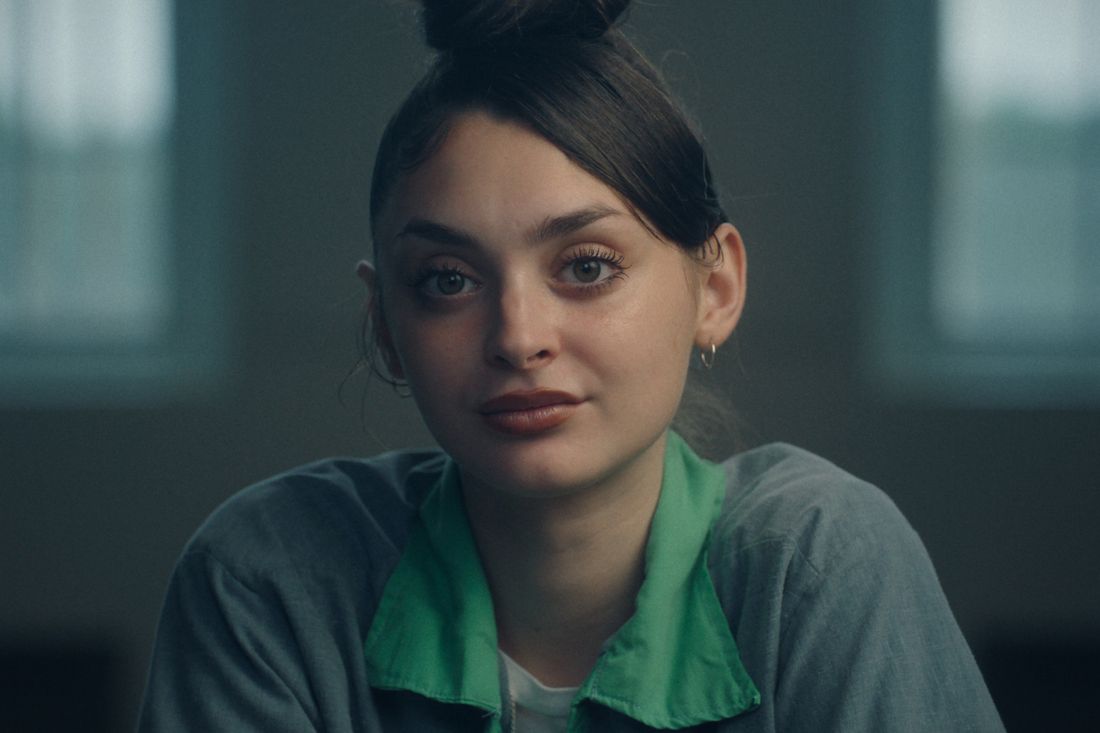
Gareth Johnson’s Netflix documentary, The Crash, is a somber look at the tragic deaths of Dominic Russo and Davion Flanagan. The two Cleveland men died when Mackenzie Shirilla, then 17 and Russo’s girlfriend, drove their car into a wall at 100 mph. Shirilla received two life sentences, with the possibility of parole after 15 years. During the trial, prosecutors presented Shirilla’s numerous social media posts as evidence. One particularly disturbing post showed Shirilla and her friends dressed as corpses the Halloween after the crash. The prosecutor, Tim Troup, argued this demonstrated a shocking lack of remorse. However, Shirilla’s friend, Rosie Graham, countered that they were actually dressed as the rapper Playboi Carti, pointing out the makeup resembled his stage look. This exchange highlights a key generational gap in the case, and raises questions about how much weight to give to online behavior following such a devastating event.
The documentary explores the contrast between Mackenzie Shirilla’s active social media life and the portrayal of her as a victim by her family and legal team. While the reason for the car crash remains unclear – Shirilla claims she lost consciousness due to a medical condition, a claim disputed by the victims’ families and the judge – the film examines whether her online presence offers insights into her character and the events leading up to the crash. It serves as a warning about the potential consequences of social media posts, highlighting how her TikTok videos were used against her in court. Prosecutors argued that Shirilla’s ambition to become an influencer and model indicated a lack of depth, which they connected to her guilt. While The Crash attempts a balanced approach, allowing Shirilla to explain her actions, other accounts, like the ID’s Mean Girl Murders episode “Under the Influence,” actively paint her as a villain. This episode goes further, suggesting her interest in fashion and social media fame demonstrate a cruel nature, and even claims she benefitted from the tragedy by gaining attention. The narrator states the crash gave her what she wanted most, with a commentator adding, “The devil wears Prada.”
Both the prosecutor and the judge strongly suggested that Shirilla is inherently malicious, describing her as evil. While her social media posts were presented as evidence during sentencing, they weren’t particularly revealing. Prosecutors played a collection of her TikToks to counter claims of good character made in letters submitted on her behalf, arguing that her online persona didn’t match the positive portrayal. The videos mainly showed her making rude gestures and posing for selfies – actions the prosecution implied demonstrated a lack of character. Beyond that, the families of the victims were upset that Shirilla and her mother were attempting to partner with a brand shortly after the accident, seemingly trying to profit from the tragedy while she was still hospitalized and held responsible for two deaths.
Footage from the trial and the months after the crash shows Shirilla appearing deeply remorseful. While it’s possible this is a calculated act – she can seem very young without makeup – it’s also possible she genuinely feels both regret and a desire to return to a normal life. The evidence against her is substantial, including a video of a heated argument between her and the victim. Increasingly, the private evidence suggests their relationship wasn’t necessarily abusive, but intensely unstable and marked by frequent conflict, raising questions about whether two young people should have been living together. Shirilla’s social media posts, focused on clothes and seeking approval, reveal a deep-seated insecurity. She seemed to crave validation, and her parents continue to support her by maintaining her innocence.
As a total cinema devotee, I’ve been completely sucked into the case of Maci Shirilla, and it’s playing out so strangely online. It’s wild to see Gen Z turning on one of their own, with everyone dissecting her life on TikTok. Her ex-girlfriend, supposedly, started sharing their whole relationship story on TikTok from prison, and now other former inmates are chiming in, acting like they know her better than anyone. Meanwhile, Shirilla’s friend is still posting on YouTube, gaining millions of followers (and a huge amount of hate on TikTok). Even the sister of the driver who died, Davyne Flanagan, is on TikTok, trying to get people to pay attention to what happened. She’s pointing fingers at Shirilla’s upbringing, suggesting she wasn’t properly raised and that contributed to issues like drug use, though honestly, that doesn’t seem relevant to the actual crash. It feels like this whole thing is being endlessly debated online, fueled by everyone involved – and even those who aren’t – continuing to post about it. It’s honestly frustrating; the victim’s dad, Scott Flanagan, just wishes everyone would put their phones down and actually grieve, and honestly, he’s right. It feels like some people are just profiting off this tragedy for views, and it’s just… a lot.
Read More
- Off Campus Season 1 Soundtrack Guide
- Chainsaw Man Volume 24’s Cover Art Reveals a Brand-New Denji
- DoorDash responds after customer uses AI to make food look bad and get a refund
- Euphoria Season 3’s New R-Rated Sydney Sweeney Scene Proves The Show Is Trolling Us
- Hideo Kojima says Metal Gear Solid 2 became the future he hoped would not happen
- Dragon Quest II HD-2D Remake: Where to get the Magic Key
- HSR Banner Schedule (Honkai Star Rail)
- All Golden Ball Locations in Yakuza Kiwami 3 & Dark Ties
- How to Get to the Undercoast in Esoteric Ebb
- Umamusume has been transformed into a D&D game with new race
2026-05-28 19:54