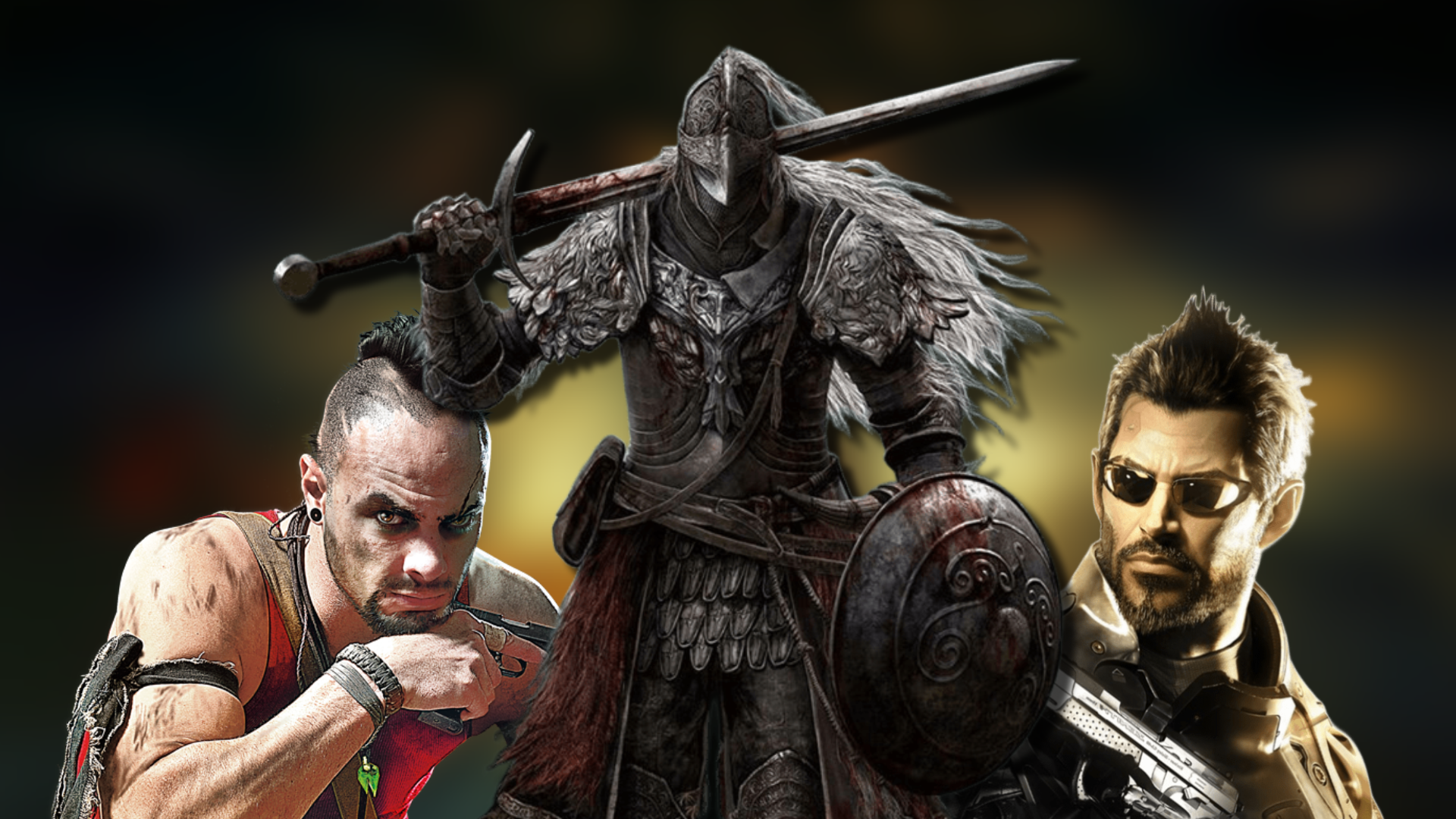
Looking back at classic video games from each generation is something I really enjoy, and it’s fascinating to see the lasting impact they’ve had.
As a gamer, I’ve always been fascinated by looking back at the history of the games I love and seeing how certain titles really shaped things. It’s cool to see where we started and how that got us to where we are today, so I like to take the time to study the past now and then.
There are many ways to look at the current video game landscape, and lots of different opinions on where it stands. However, a few answers have really gained traction and made a noticeable difference.
To help understand how game design and genres have changed, I’ve put together a list of ten games that marked the end of a period of bold, experimental development from major studios.
10. Mirror’s Edge Catalyst
Running to Heaven
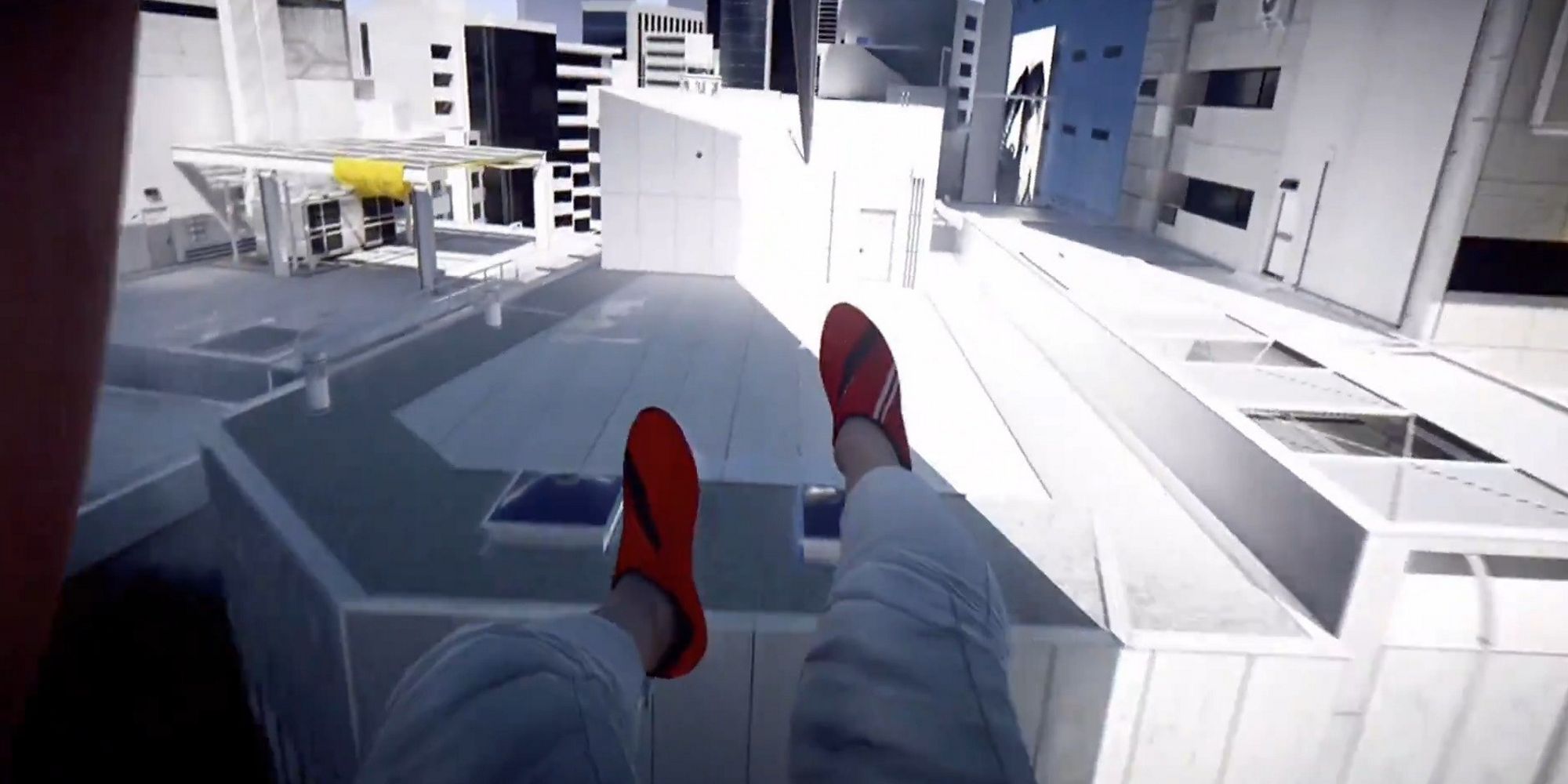
Whether you look at ambitious first-person adventure games in general, or Electronic Arts’ attempt to let its studios develop unique titles, Mirror’s Edge Catalyst seems like a final chapter of sorts.
Despite being a noticeable downgrade from the original Mirror’s Edge – largely because of added, unnecessary content that clashes with what made the first game special – the game still felt like a passion project rather than a purely profit-driven one.
Even then, the company signaled it planned to focus on evolving, ongoing experiences rather than traditional, finished products. This commitment eventually led them to prioritize games as a service, and they continue to pursue this approach today.
While Mirror’s Edge Catalyst wasn’t a hit, it was the most recent game from an EA-owned studio that really caught my attention. I knew it wouldn’t be a long-term trend, but I still appreciated it.
9. Need for Speed: Most Wanted
One Last Race with Decals and Neon
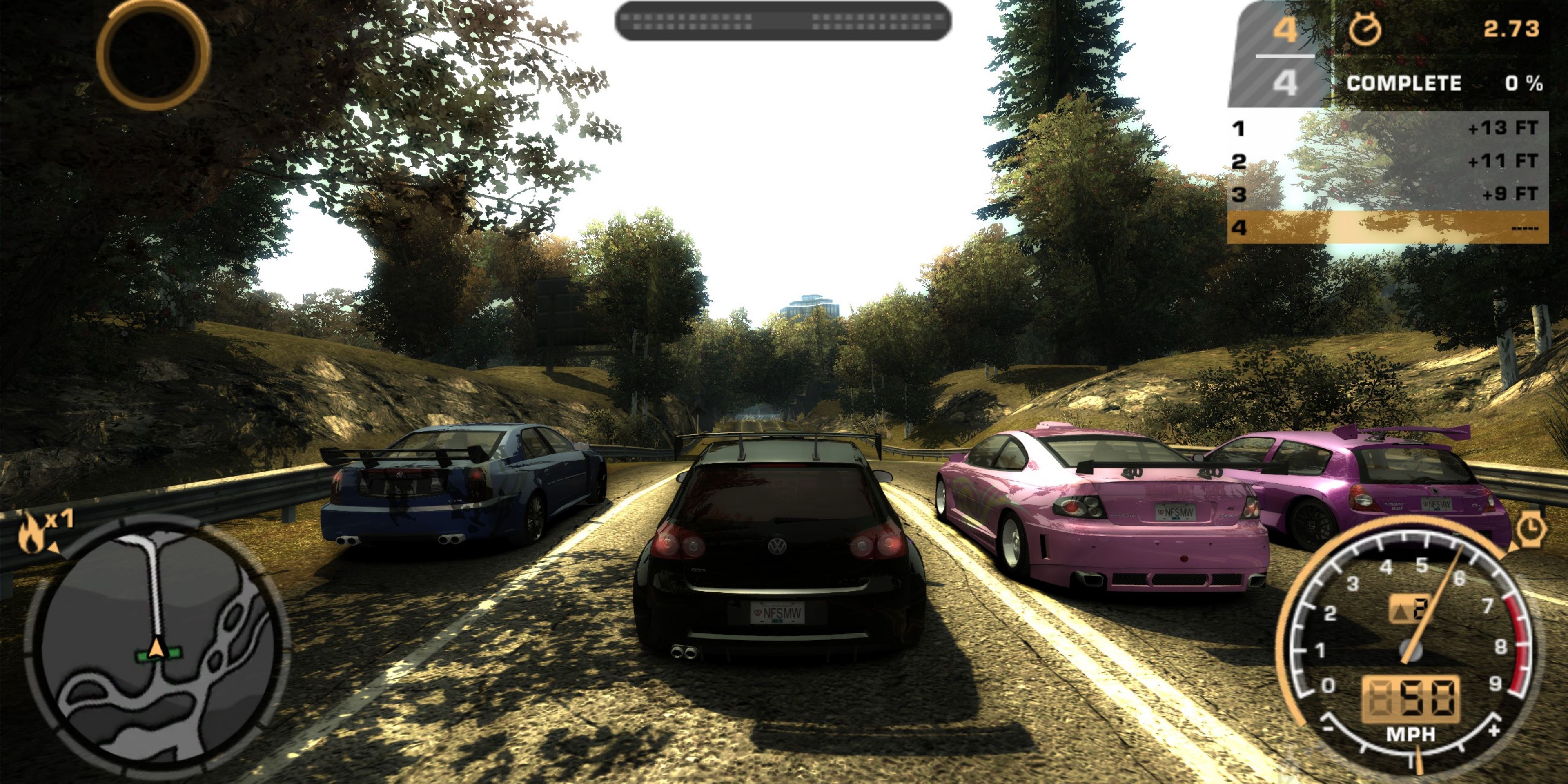
While many racing games have tried this formula since, Need for Speed: Most Wanted remains a defining example of the arcade-style street racing scene – complete with flashy neon and customizable decals. Surprisingly, no other game has truly captured that same feel for over two decades.
Like the Fast and Furious movies, Need for Speed helped popularize racing culture, but its impact lessened over time, largely because there weren’t any follow-up films to keep it going.
For those who remember playing them originally, these kinds of street racing games – with their unique style and extensive customization options – haven’t been truly popular since the PlayStation 2 and Xbox era. Most players moved on to other racing genres after that time, though some of us still revisit these classics for the fun of it.
After hitting its high point, game development shifted focus from enjoyable experiences to realistic simulations. While this led to some amazing game series, we also lost sight of several important ones along the way.
8. Max Payne 3
Rockstar Says Goodbye to All of Its IPs
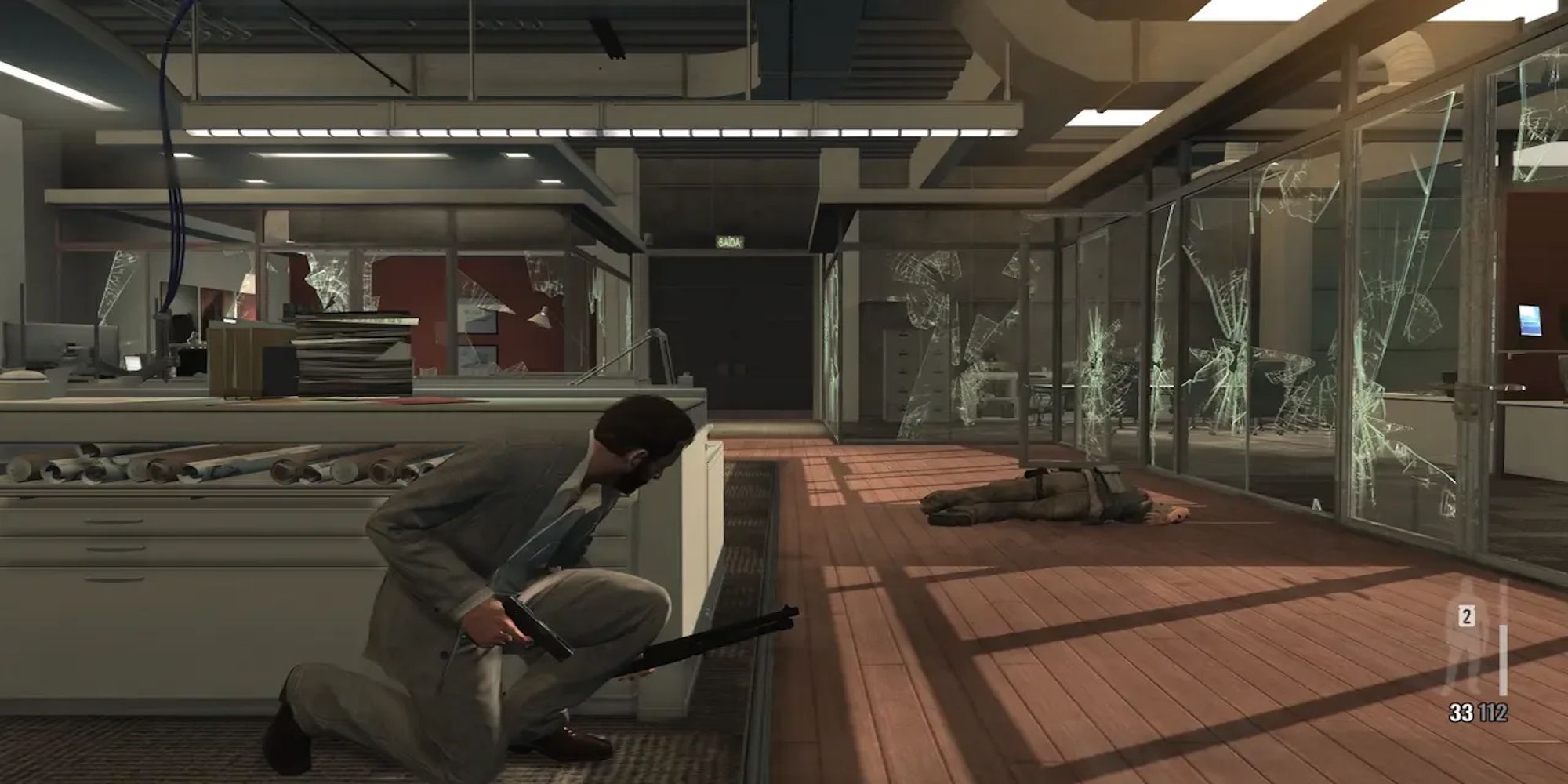
You know, it’s easy to forget now with all the Grand Theft Auto and Red Dead stuff, but Rockstar used to make all sorts of different games. Honestly, the last time I really saw that variety was with Max Payne 3, and it felt like more than just the end of that particular story – it was a goodbye to that era of Rockstar, too.
It’s true that recent Grand Theft Auto and Red Dead Redemption games have similar shooting mechanics, but Max Payne was the last Rockstar game to feature a new story outside of those two big series.
Since then, the developer has kept its focus tightly on just a couple of franchises and significantly slowed down how often it releases new games. Unfortunately, this also means they’ve stopped working on popular titles like Bully, Midnight Club, and L.A. Noire.
Looking back, Max Payne 3 feels like the last game from a different Rockstar Games – the one that existed before Grand Theft Auto 5 came out. I don’t think the company will ever quite be the same again.
7. The Last Guardian
Closing the Spiritual Trilogy
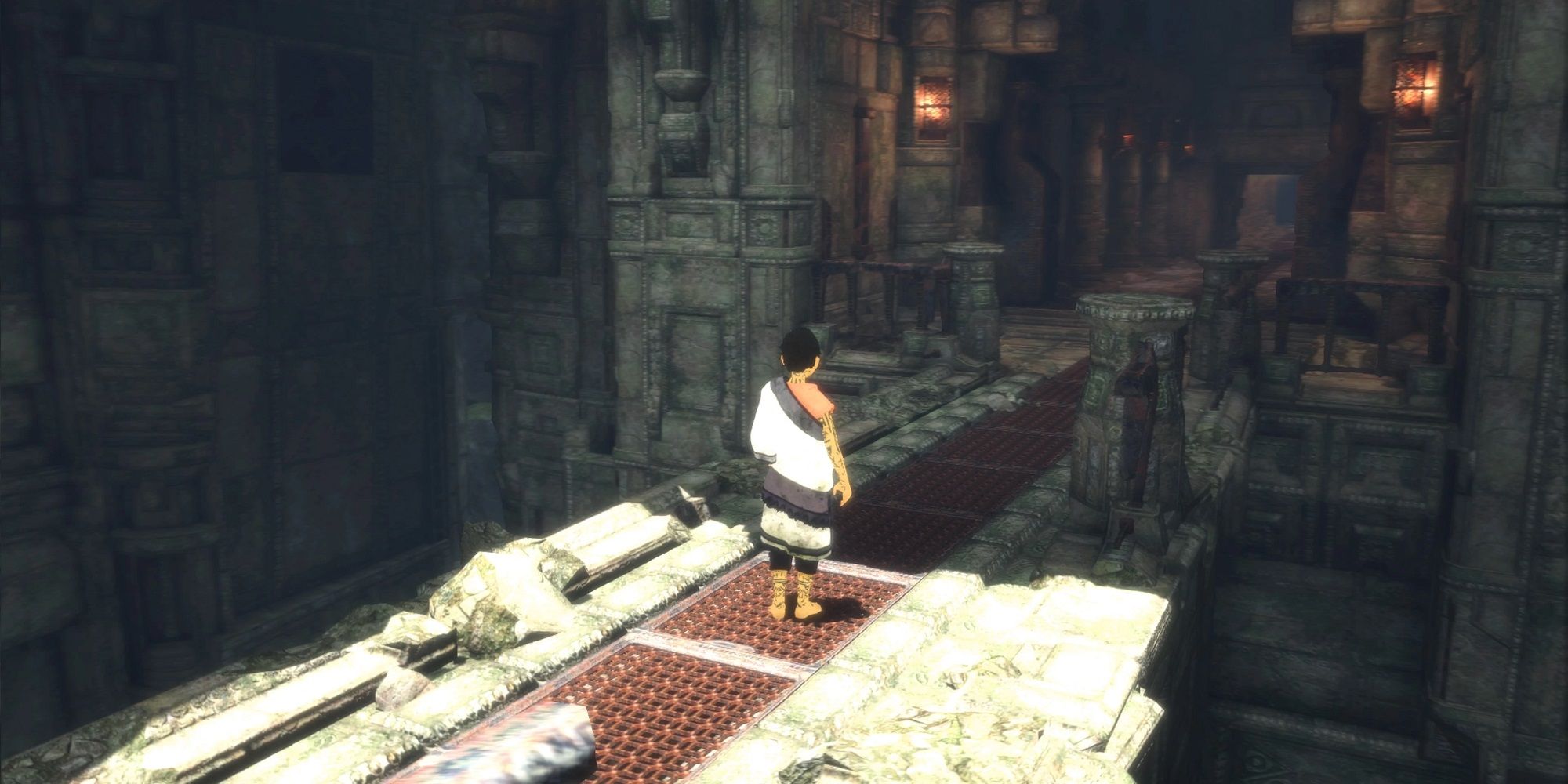
Look, I was totally blown away by Shadow of the Colossus and ICO – Ueda really changed the game with those. But honestly, The Last Guardian just didn’t hit the same way, and it was a bit of a letdown after waiting so long.
The developer is back after a long break with a new project, Project Robot. But his previous game felt like the culmination of his work, as his talent for crafting compelling interactive stories remains unmatched.
Though not openly talked about, the game’s poor reviews and Sony’s quick dismissal of it afterward suggested a belief that there wasn’t space for genuinely original, high-budget games on the PlayStation.
Over the past decade, most exclusive game development has focused on safer, more commercially-driven projects. This shift happened after some risky games didn’t perform as expected, like The Last Guardian, and studios became hesitant to take big creative risks again.
6. Far Cry 3
Ubisoft’s Latest Revolution
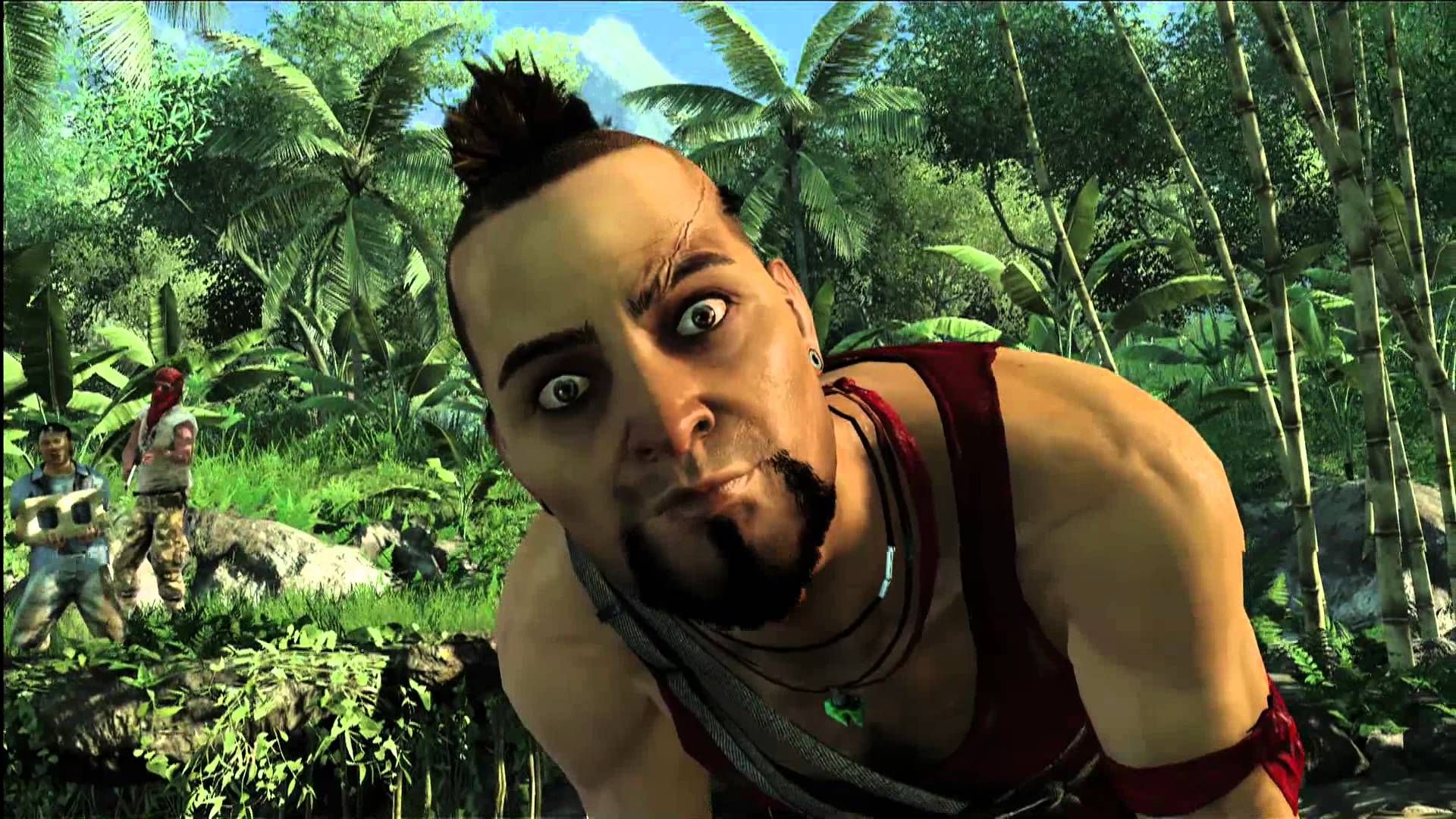
Ubisoft rose to prominence during the seventh generation of video game consoles, pioneering the open-world action-adventure genre. While they continued to make games, many consider Far Cry 3 to be their most successful and impactful title.
The French company perfected its approach to creating immersive, detailed, and unpredictable experiences with Jason Brody’s story, and it felt like nothing could top it.
Following the success of 2012’s Far Cry 3, the studio released many other well-received games, but none had the same groundbreaking impact. Far Cry 3 continues to influence almost all major open-world games today.
After the game’s success, Ubisoft changed significantly. They became overly focused on repeating what worked and making even more money, which ultimately stifled their creativity and caused them to lose the spark that originally attracted fans.
5. Deus Ex: Mankind Divided
Rest in Peace, Immersive Sims
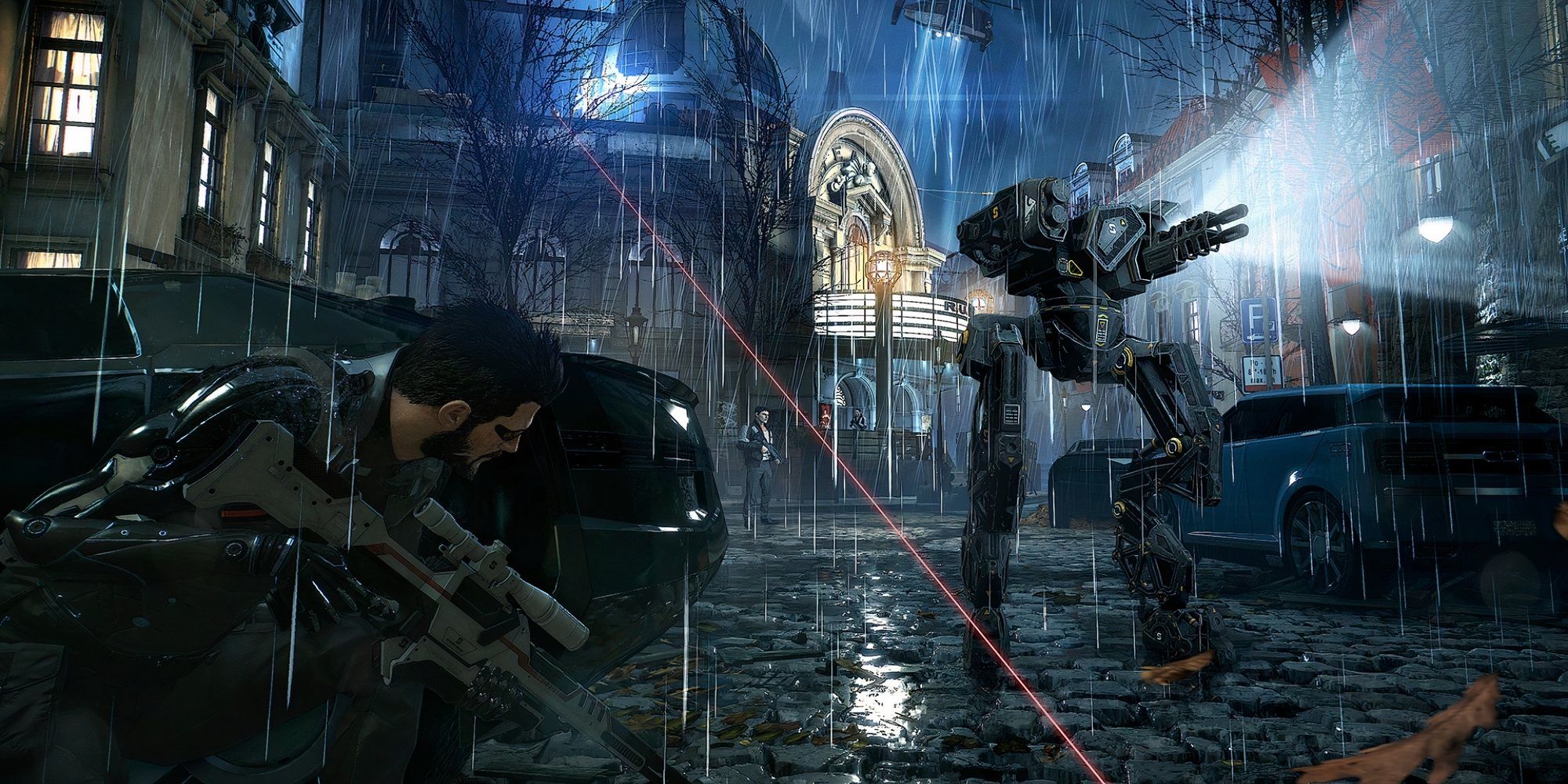
For many gamers, immersive sims used to define what video games could be, constantly raising the bar for how players could interact with game worlds. However, interest in this genre faded over time, and it seemed to hit a low point with the release of Deus Ex: Mankind Divided.
Over time, people naturally lost interest in the kind of games Deus Ex: Human Revolution belonged to. But when the promised sequel was never fully completed, it effectively ended any hope of a revival for that style of game, and it hasn’t come back since.
As soon as the game ended, I felt a chill because I knew that games like Deus Ex – immersive sims – would likely never be made by major studios again, and would instead become a niche genre for independent developers.
Despite Arkane Studios putting in a huge amount of work, no other game developer has attempted to create a large, immersive simulation game like theirs. The disappointing reception to Deus Ex: Mankind Divided effectively ended that type of game development, and it’s unclear if we’ll see another one again.
4. Death Stranding 2
The Blossoming of Kojima Productions
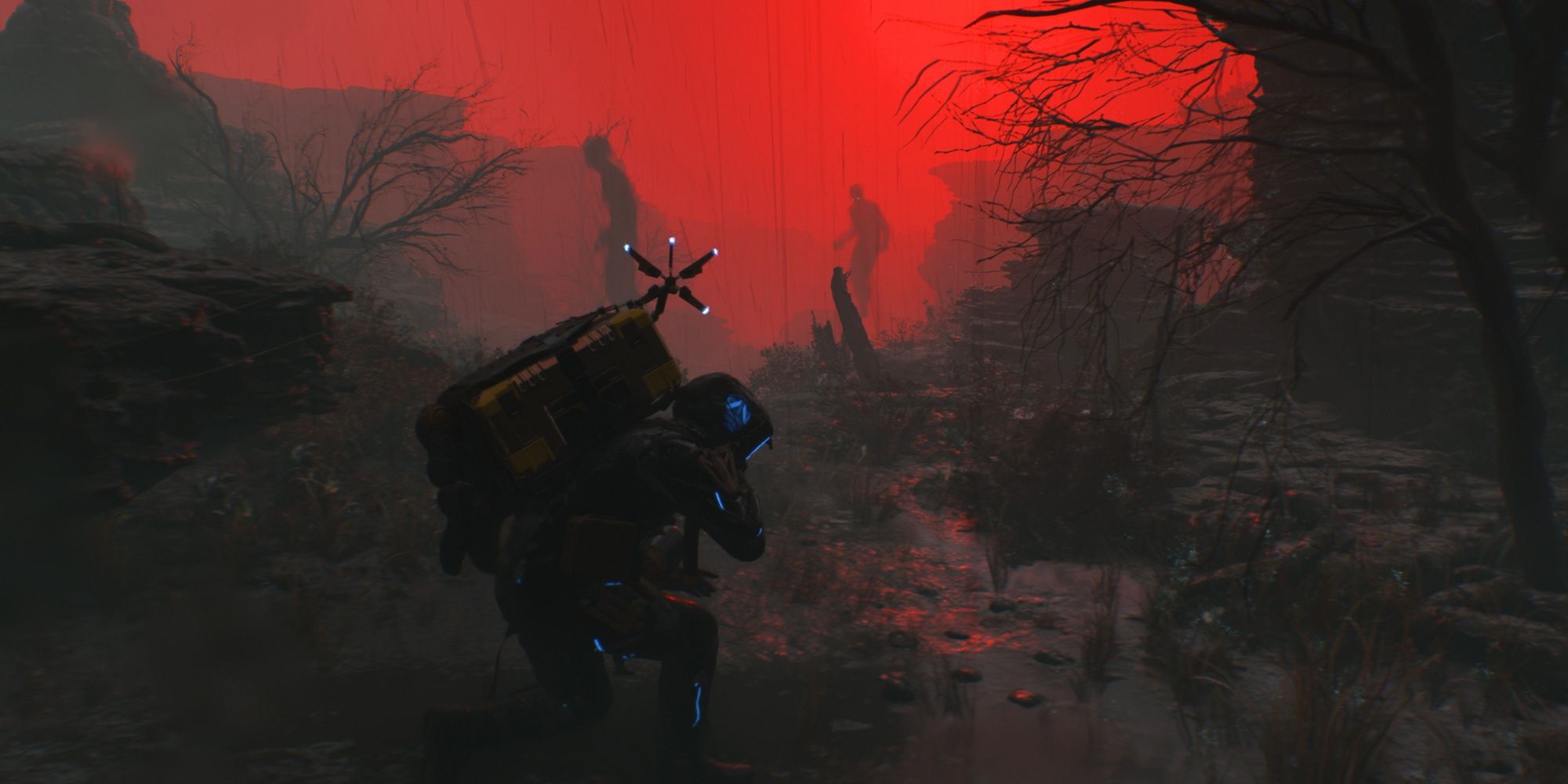
Okay, so I just finished Death Stranding 2: On the Beach, and wow, it’s incredible! It really proves Hideo Kojima is a total visionary. But honestly, while playing, I couldn’t shake the feeling that this game is a bit…safe. It feels like he’s building on what he’s already done, and maybe the initial excitement and surprise of his earlier work is starting to fade. It’s still amazing, but it doesn’t quite have that same ‘wow’ factor as before, you know?
Following ten years of development, including a sequel that cautiously explored the innovative gameplay of the 2019 title, it often felt like the studio was holding back, unable to fully express its creative vision.
This game still clearly carries Hideo Kojima’s signature style, but it doesn’t have the same playfully unconventional ideas as the previous installment. This feels like a natural result of the development team growing and focusing on a more focused and grounded goal.
Both Physint and O.D. promise to be truly unique and exceptional games. However, Death Stranding 2: On the Beach suggests that we probably won’t see another big-budget game as ambitious and innovative as the original Death Stranding.
3. God of War 3
A Consummated Revenge
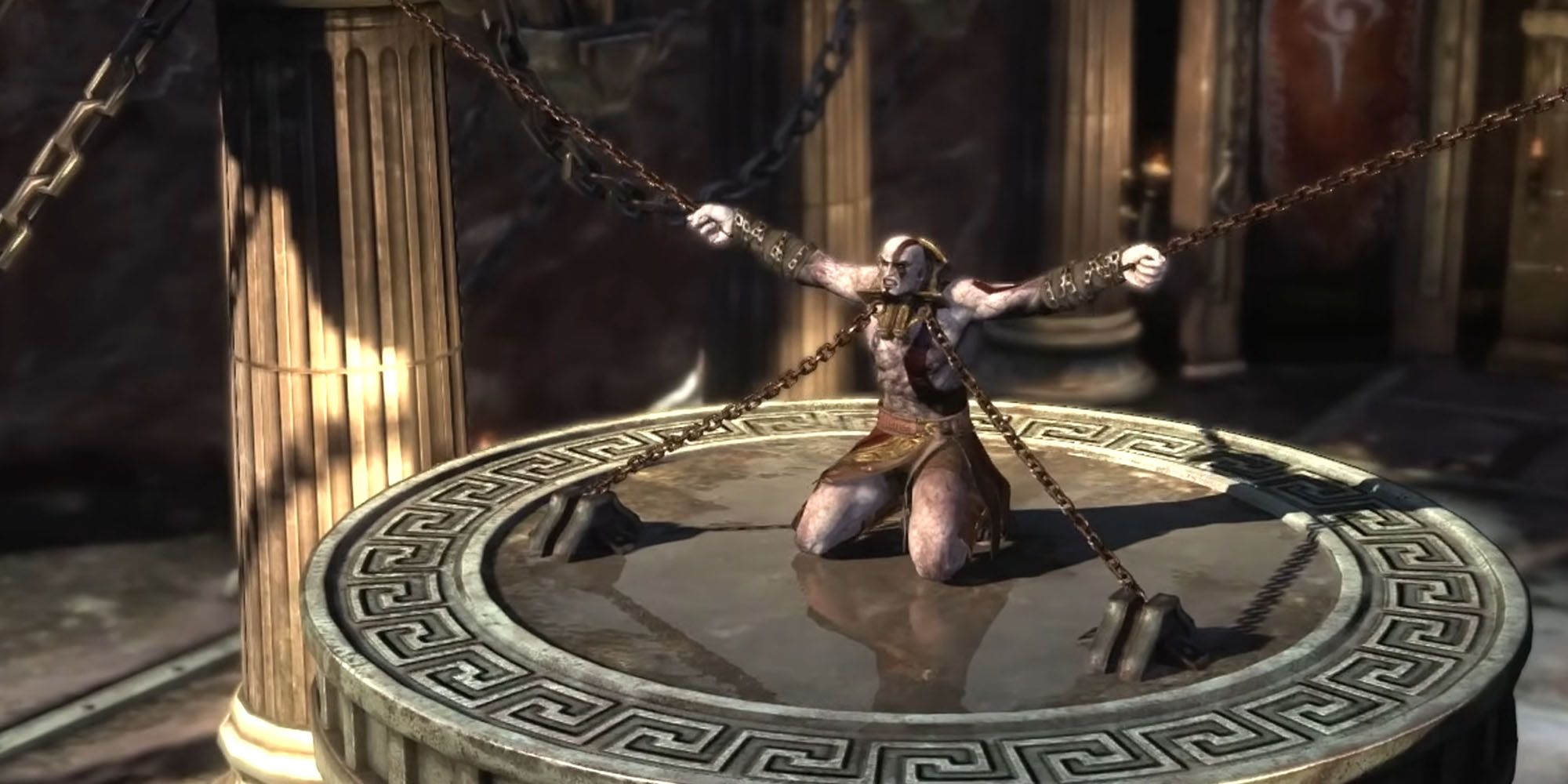
With the addition of multiplayer and a focus on a less compelling period in Kratos’s story, God of War: Ascension felt like the series had run out of fresh ideas.
The prequel reused many of the same gameplay features as the original games – things like puzzle types, bosses, enemies, and camera angles, even including quick-time events. While the story was good, it didn’t feel as innovative or special as Santa Monica Studio’s earlier work.
It wasn’t a shock to anyone that after God of War: Ascension, the developers stepped back to consider the future of Kratos and ultimately decided to significantly reinvent the series.
Subscribe to the newsletter for deeper gaming retrospectives
Despite being more than just a typical action game, God of War fundamentally changed the action genre. This shift led to fewer large-scale, similar games being made, the end of fixed camera angles, and a move away from using one-dimensional characters in major titles.
2. Portal 2
Valve’s Single-Player Farewell
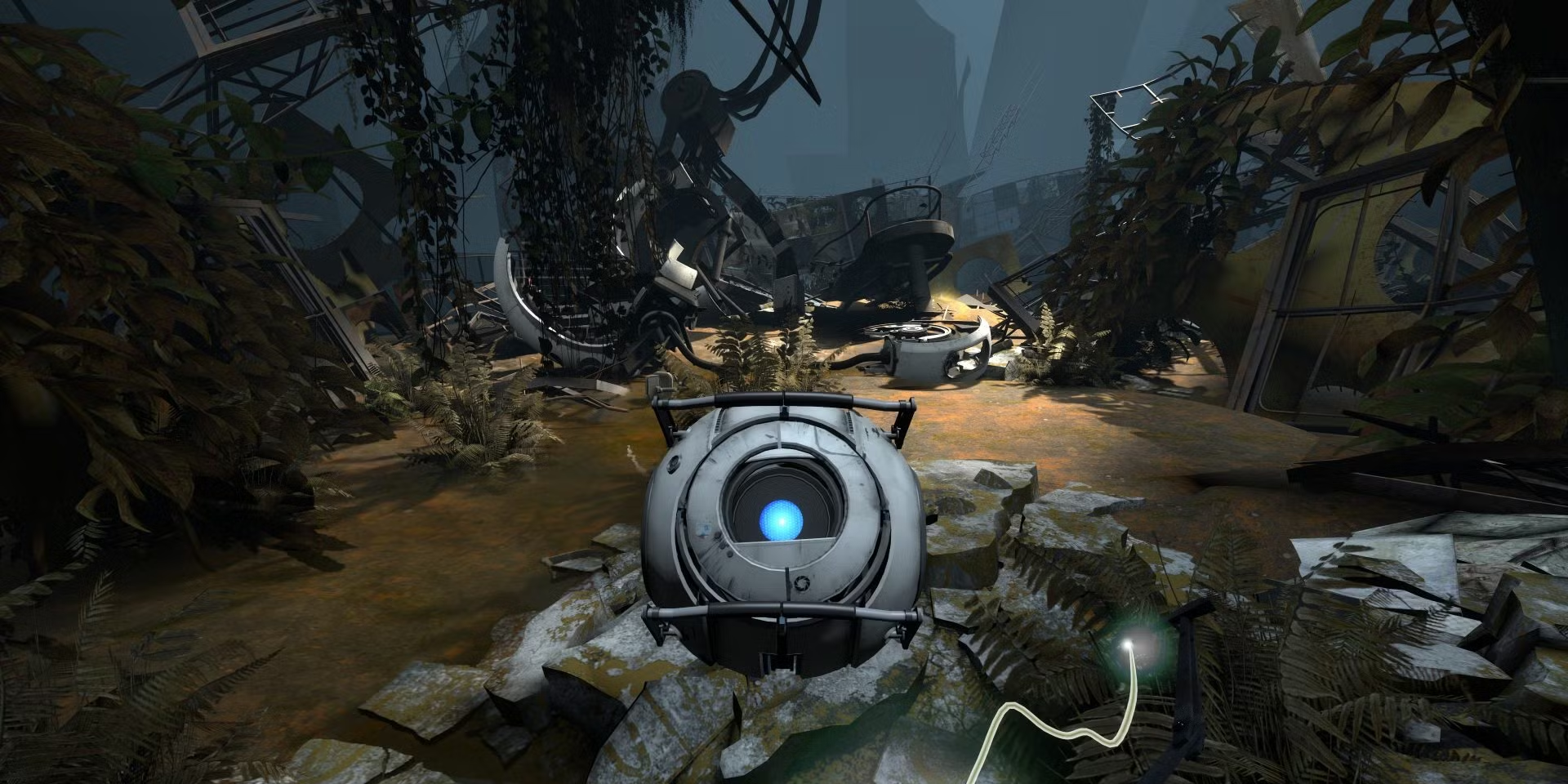
It’s easy to judge things with the benefit of time, but looking back, I believe Portal 2 is one of the most quietly moving goodbyes ever created.
I don’t know if Valve even thought about the impact of releasing just one single-player game for over a decade, but honestly, playing through it, it felt like we all got a little bit of freedom alongside Chell. It wasn’t just her escaping, you know?
After launching the sequel, the developer has focused on expanding their presence on Steam and building multiplayer games. They’ve become so successful with these ventures that they might not need to make single-player story games again.
With Portal 2, Valve last behaved like a typical game studio. Now, they seem much more focused on maintaining Steam, their hugely popular gaming platform, which likely means we won’t see a Portal 3 anytime soon.
1. Elden Ring
Soulsborne Games Found Their God
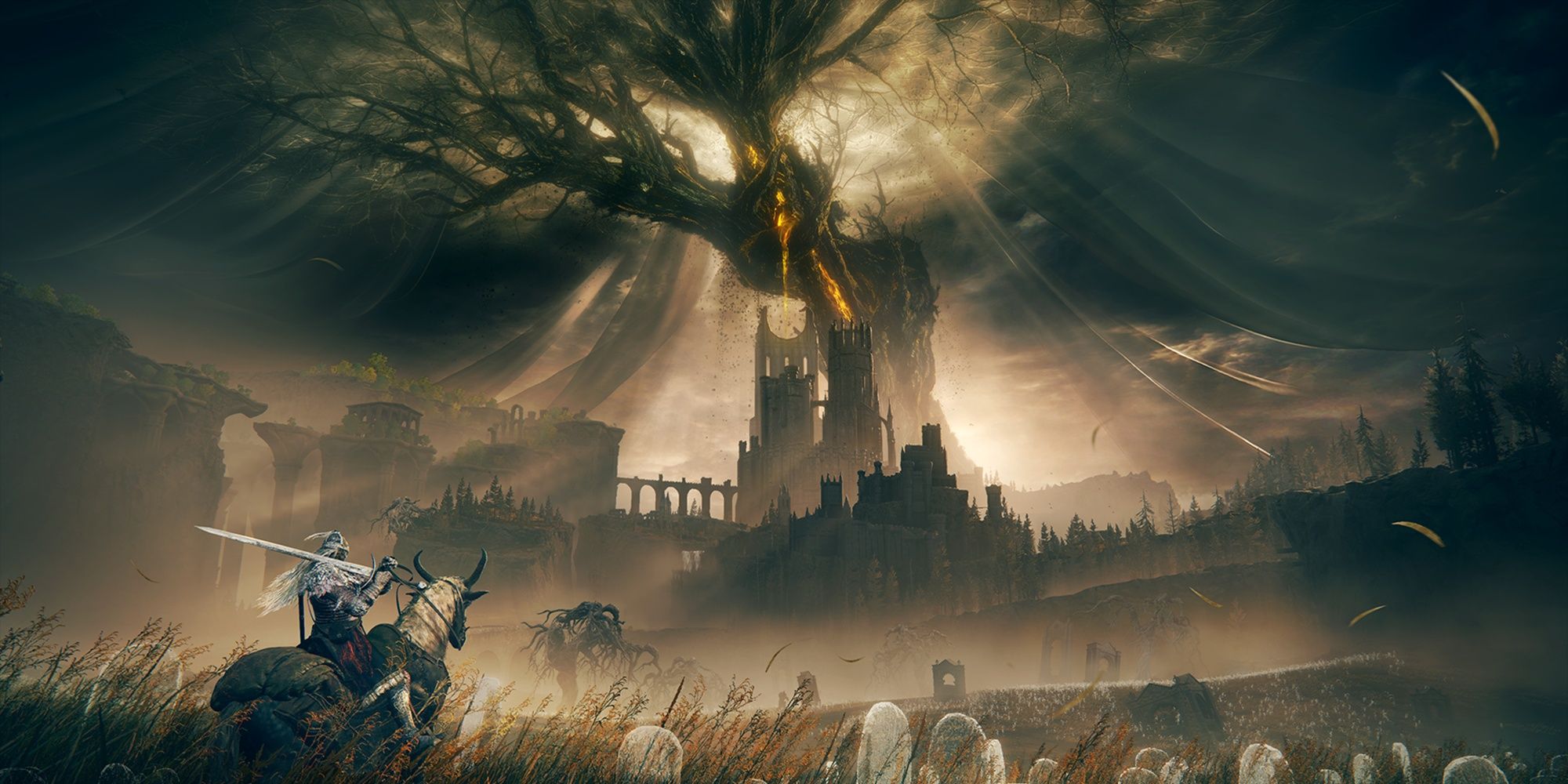
I originally thought Elden Ring was incredibly difficult, but FromSoftware has outdone themselves with Shadow of the Erdtree. It’s so good that nothing else even comes close to matching it.
This expansion masterfully incorporates elements from classic games in the genre, feeling like a culmination of everything that came before. It’s a peak achievement – a high point that’s unlikely to be surpassed.
While Dark Souls 3 was clearly a goodbye, and recent releases like Elden Ring: Nightreign and The Duskbloods don’t drastically change the established formula, Shadow of the Erdtree still feels like a perfect and definitive conclusion to the Soulsborne series.
It’s hard to imagine any future FromSoftware game being better, and that’s partly because players are already getting tired of this style of game – there are already a lot of Soulslike games out there, and many gamers aren’t excited about them.
The multiplayer experience was disappointing and there wasn’t much excitement surrounding the new game, so Elden Ring: Shadow of the Erdtree felt like the peak. Even with future efforts, nothing will quite measure up.
Read More
- Off Campus Season 1 Soundtrack Guide
- Chainsaw Man Volume 24’s Cover Art Reveals a Brand-New Denji
- HSR Banner Schedule (Honkai Star Rail)
- DoorDash responds after customer uses AI to make food look bad and get a refund
- Hideo Kojima says Metal Gear Solid 2 became the future he hoped would not happen
- Dragon Quest II HD-2D Remake: Where to get the Magic Key
- Zero Parades: For Dead Spies Original Game Soundtrack is available to stream now
- Gold Rate Forecast
- How to Get to the Undercoast in Esoteric Ebb
- Euphoria Season 3’s New R-Rated Sydney Sweeney Scene Proves The Show Is Trolling Us
2026-05-27 17:42