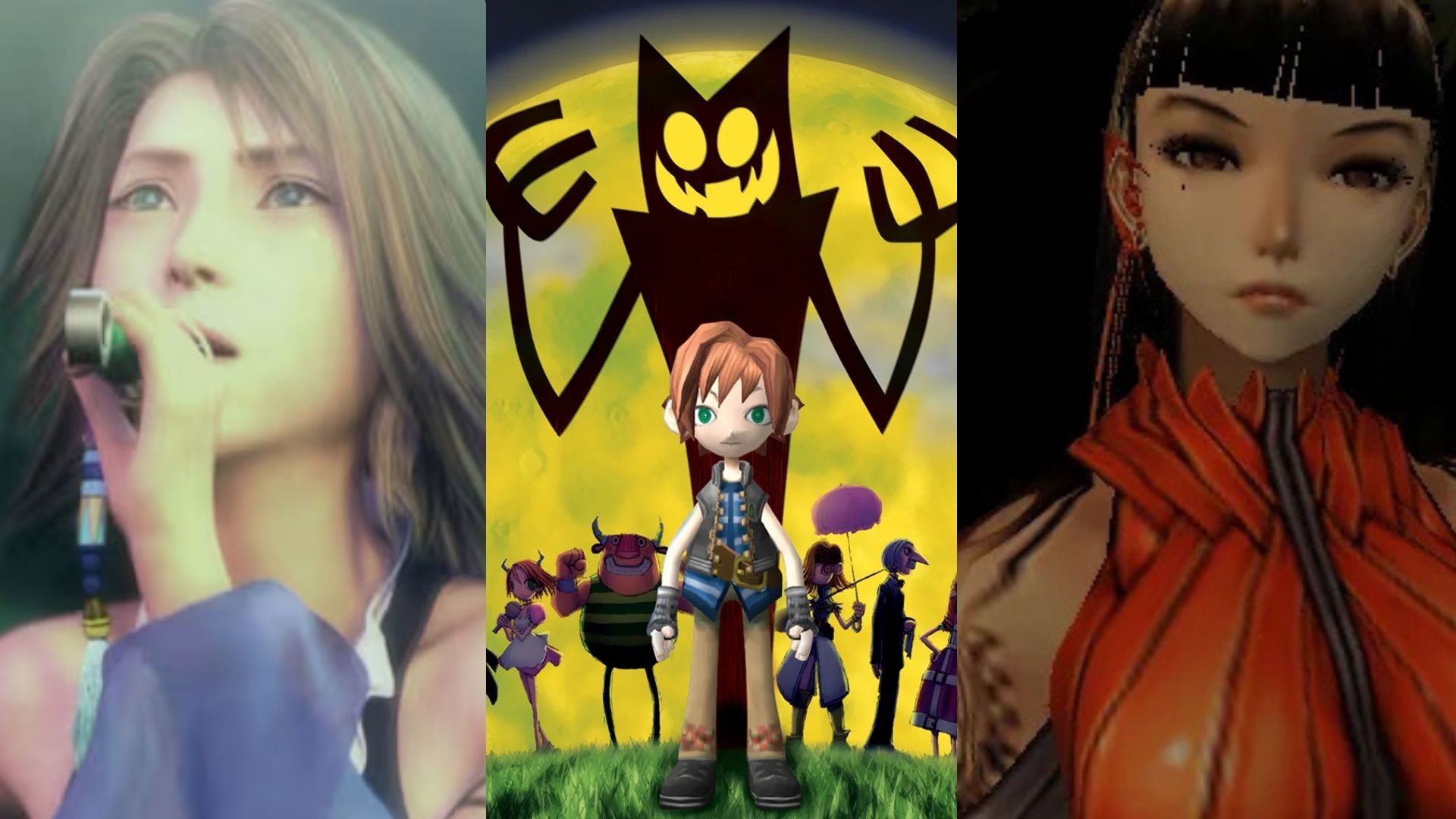
The late 1990s were a golden age for Japanese role-playing games (JRPGs), and many companies were eager to create the next hit. While the PlayStation 2 had some excellent JRPGs, a lot of them felt like unsuccessful tries to recreate the success of the games on the original PlayStation.
The problems started when sequels tried to be grander in scale, and ended up forgetting what originally made the series so good. Switching to 3D graphics also made many Japanese role-playing games lose their distinct visual style and individuality.
We’re going to check out a bunch of JRPGs from the PS2 era that just got it wrong.
10. Final Fantasy X-2
Not My Final Fantasy
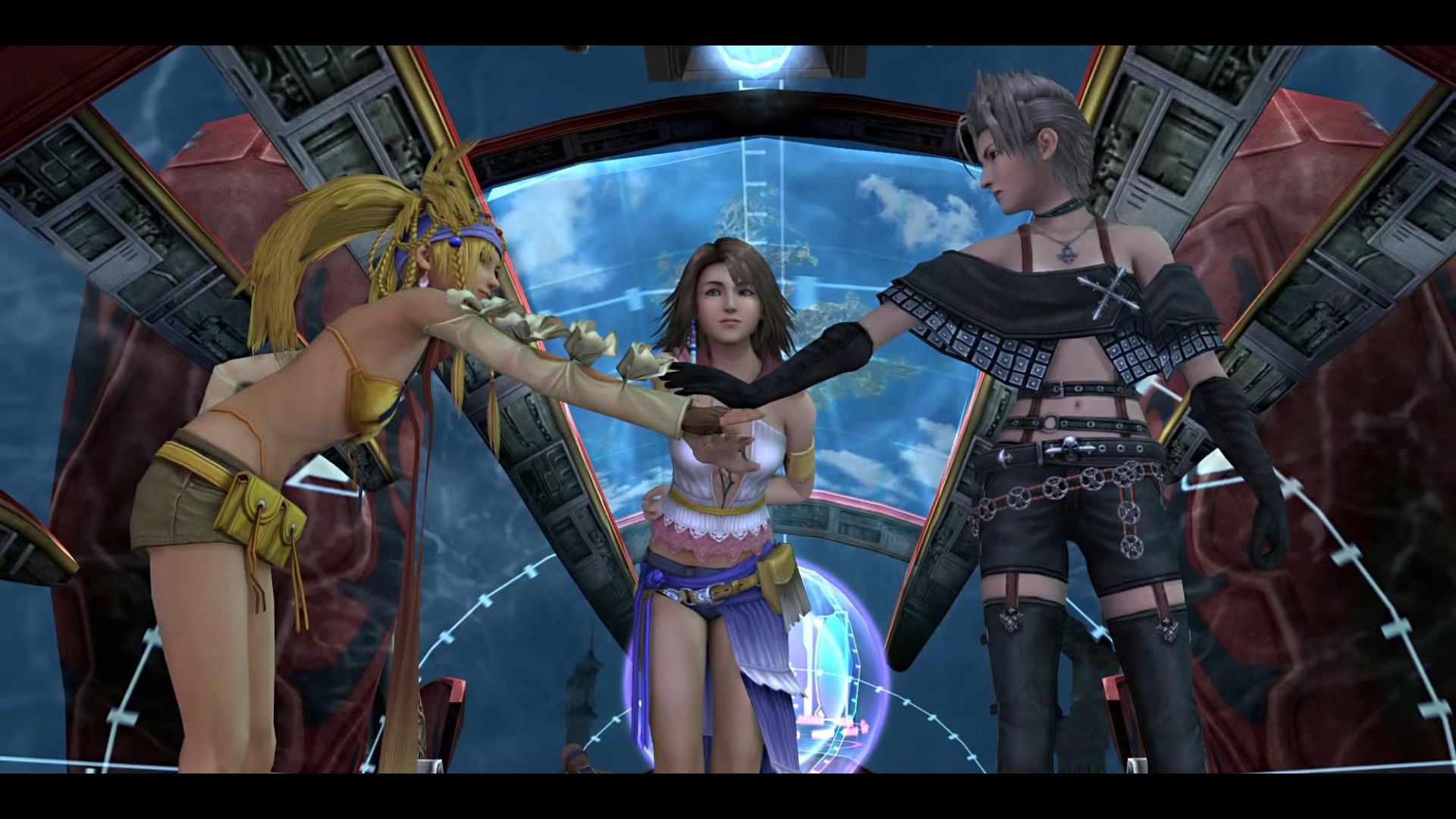
Final Fantasy X-2 received a very mixed reaction when it was released, and I personally didn’t enjoy it. While the game looks good and the outfit-based job system is interesting, it didn’t capture what I love about Final Fantasy. I found the story and writing to be underwhelming, and I didn’t like the way the character of Yuna was portrayed. Furthermore, the story introduces changes that contradict the original Final Fantasy X, which diminished my enjoyment of an otherwise near-perfect game.
Most Final Fantasy games grab your attention right away with a memorable opening, and this one tries to do that with a pop concert. It feels like Square Enix misjudged their audience – a Britney Spears concert just didn’t fit the game’s vibe. This felt like an unnecessary and poorly executed story direction, and it marked the start of a decline in the quality of Square Enix’s games.
9. Unlimited Saga
Made For a Very Specific Type of Person
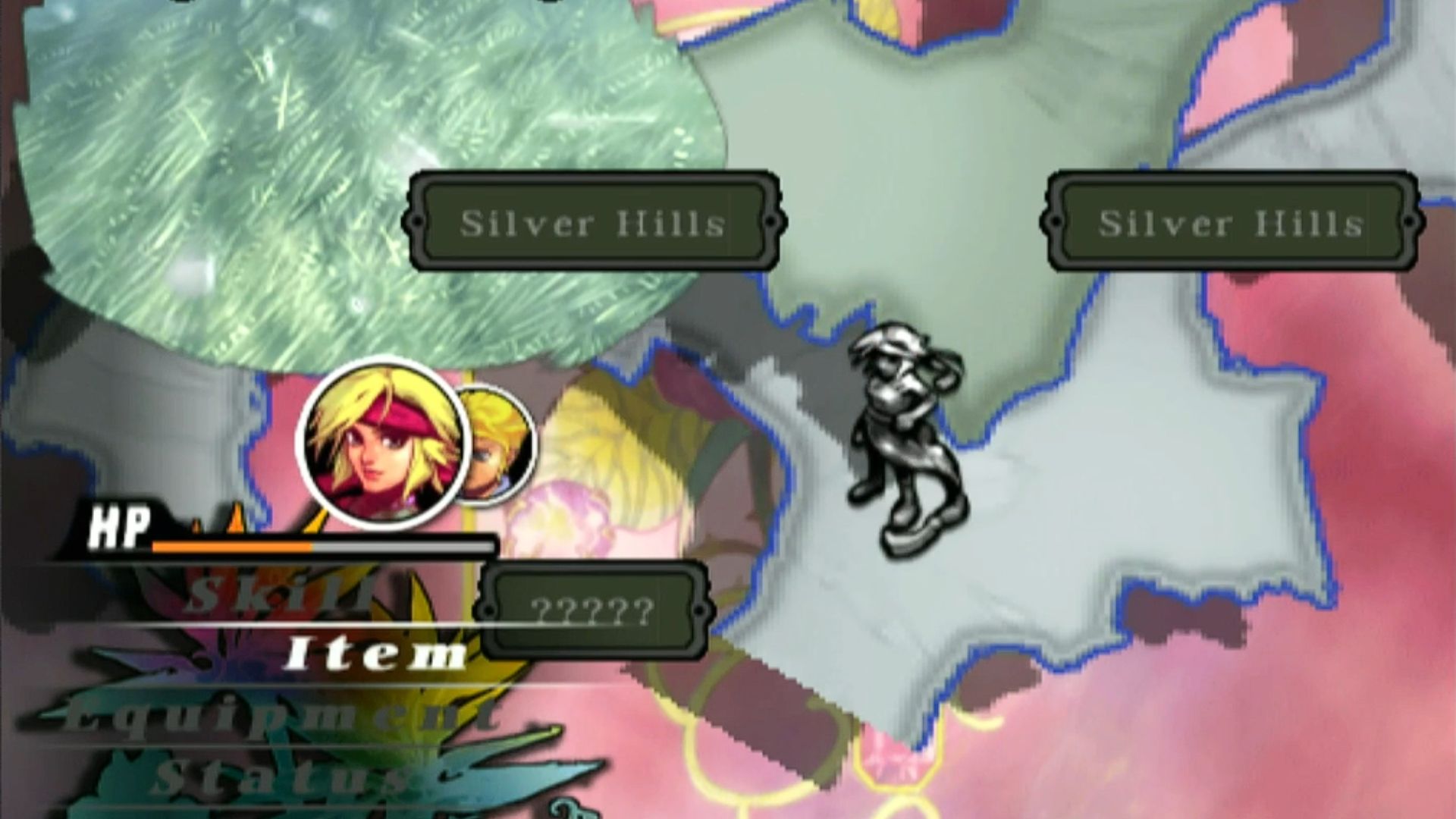
Unlimited Saga isn’t necessarily a bad game, but it’s incredibly unique – so much so that it’s hard to even categorize it decades after its release. It features seven different storylines you can play through, and the characters’ paths eventually cross. The game explores areas in a series of connected scenes. While the art is stunning and the colors are gorgeous, the gameplay itself is quite confusing and difficult to understand.
Okay, so this game throws you right in and expects you to just get it, which is super frustrating. Seriously, there’s zero hand-holding – no explanation of how the combat even works, where I’m supposed to go, or anything useful, really. It’s all about figuring things out yourself, and honestly, it feels like the game was rushed out before it was finished. Considering Square Enix was at the top of their game back then, it’s like they thought their name alone would carry it. It was a really ambitious project, but it totally flopped because of all the stuff I mentioned – the lack of direction and explanations.
8. Drakengard
A Sick Experience
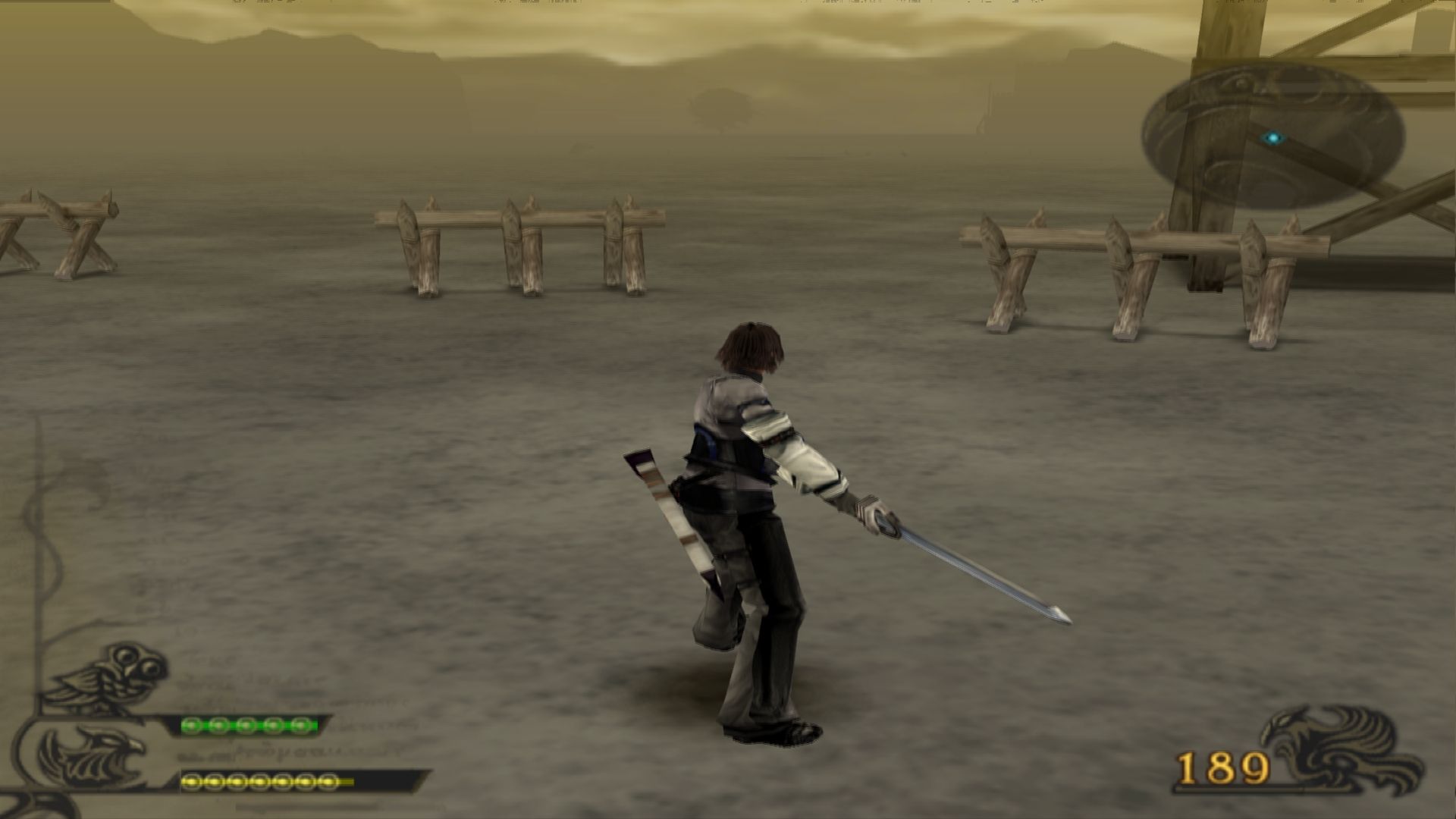
Drakengard is a game best experienced from a distance. Its story is captivating, filled with shocking and disturbing events – and even acts of cannibalism, which surprisingly come from the characters on your side. It’s a truly dark and unique gaming experience, but unfortunately, the gameplay doesn’t live up to the story. With a lackluster soundtrack, barren environments, and endless waves of repetitive enemies, playing Drakengard feels like a less engaging version of Dynasty Warriors.
The combat feels very repetitive, and the game’s levels are poorly designed – honestly, it’s one of the least visually appealing games I’ve played. It’s simply not enjoyable to play, even the dragon battles, which were supposed to be a highlight, are just average. Despite all this, it’s still worth experiencing the story. I recommend watching a playthrough on YouTube to understand the origins of the NieR series, but save yourself the frustration and don’t actually play the game.
7. Legaia 2: Duel Saga
A Poor Sequel
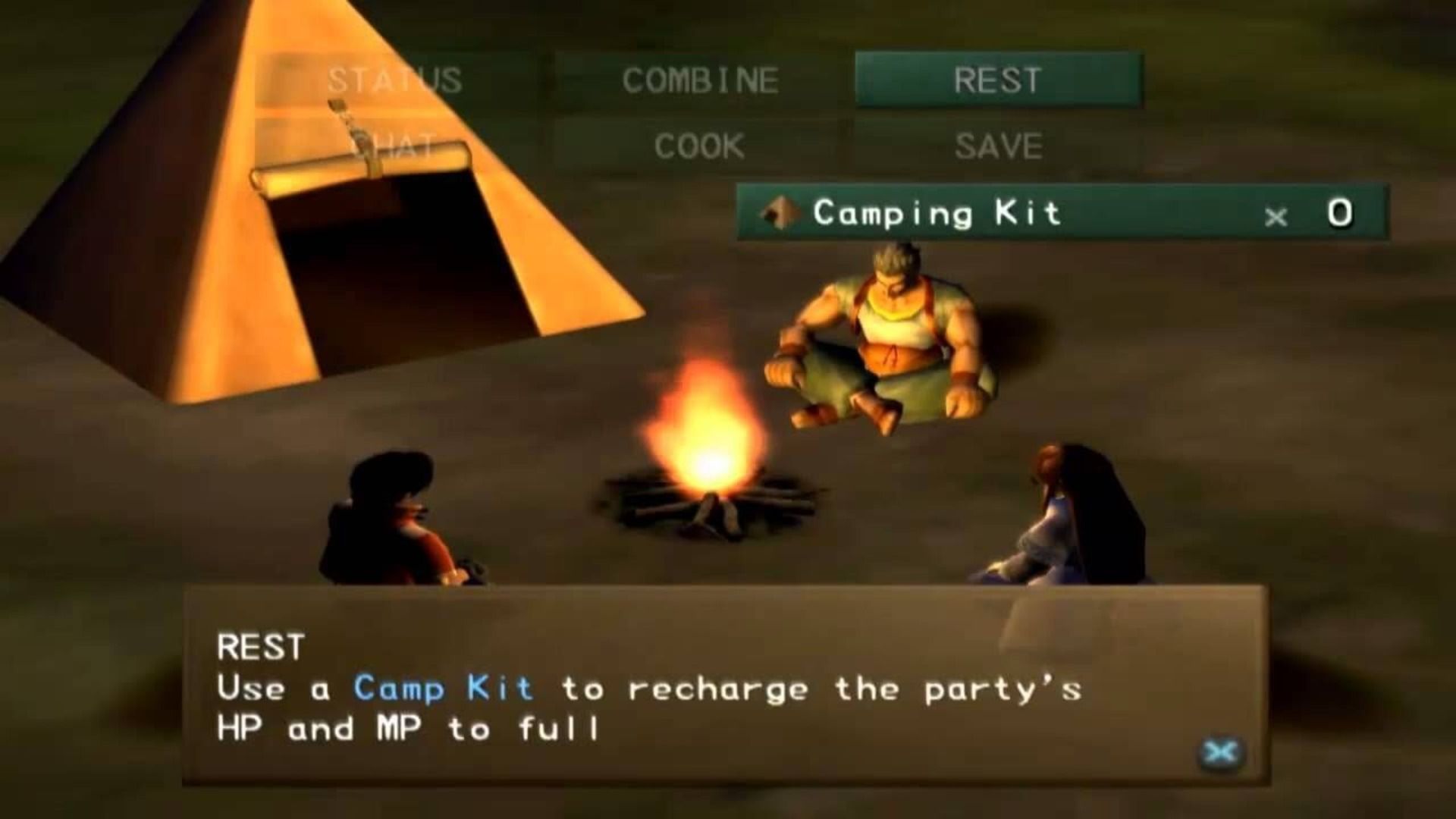
Legaia 2: Duel Saga follows Legend of Legaia, a fantastic JRPG for the PlayStation that stood out with its unique combat, impressive graphics for its time, engaging world, and memorable soundtrack. While the sequel maintained the good visuals and combat system, it lacked the qualities that made the original so special. The first Legaia game had a distinctive, somewhat sad atmosphere. Its story was intriguing and dark, the characters were well-developed and felt realistic, and the overall experience was surprisingly mature.
Legaia 2: Duel Saga unfortunately became a very typical JRPG. The sequel leaned heavily into anime tropes – becoming more colorful and exaggerated – but in doing so, it lost the unique charm of the first game. While the battles were more visually impressive, the sense of discovery that made the original so engaging was gone. It’s a good example of how simply making a game bigger doesn’t necessarily make it better.
6. Shadow Hearts: From The New World
Lost The Darkness
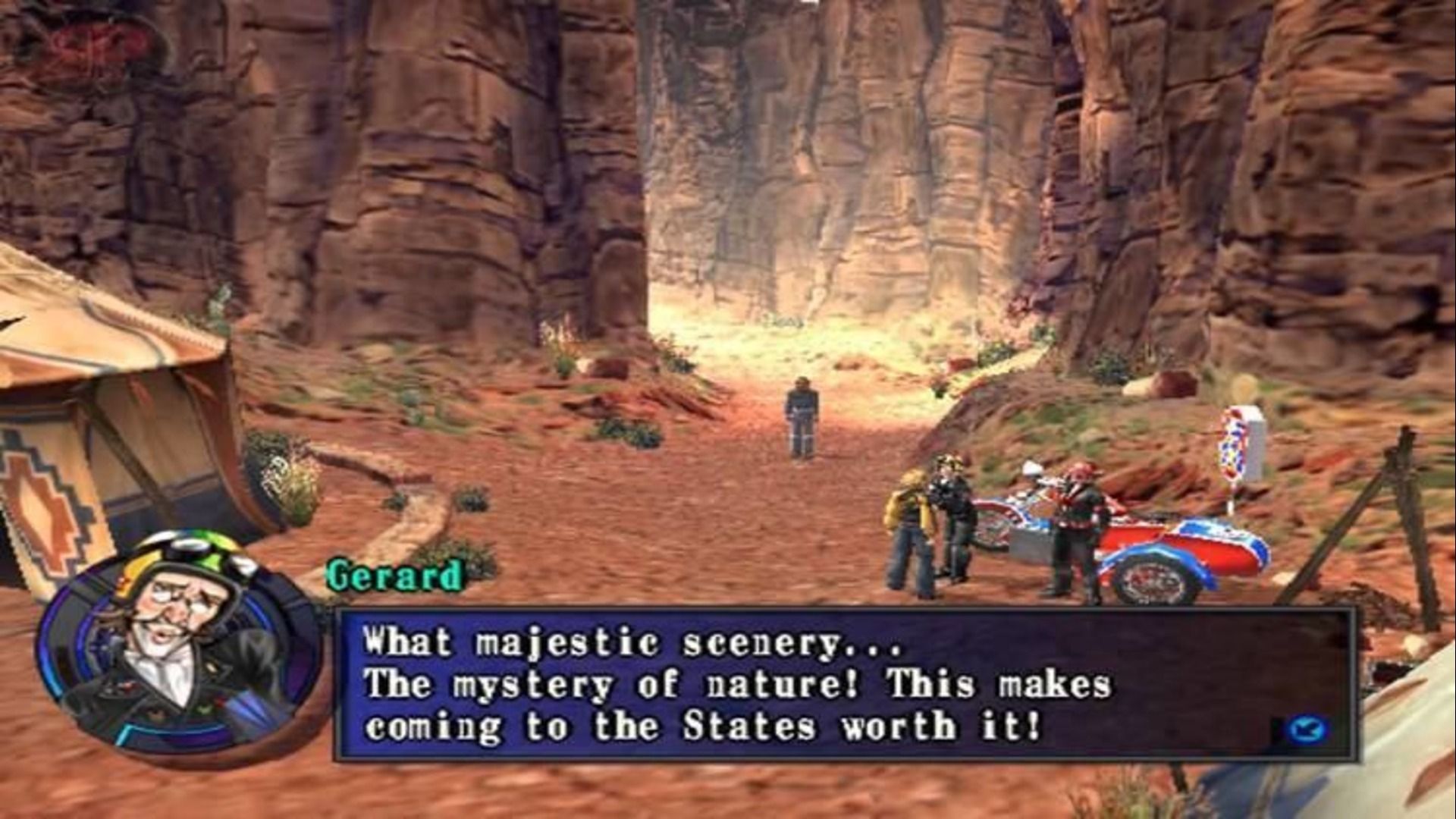
Many long-running video game series experience a decline in quality, and for Shadow Hearts, that turning point was the third game, Shadow Hearts: From the New World. After the success of Shadow Hearts: Covenant, the developers unexpectedly moved away from the series’ signature dark and gothic style, opting for a brighter, more colorful, and lighthearted tone. While the game was enjoyable, it didn’t feel like a true Shadow Hearts title.
The dark and unsettling mood of previous games was replaced with a bright, anime-inspired world, and the new protagonist, Johnny Garland, felt completely out of place alongside the established character Yuri. The game drastically shifted from a mature style to a more lighthearted one, and it suffered as a result. The story felt less impactful, the mature humor disappeared, and the eerie atmosphere that defined Shadow Hearts was gone, making it feel generic. If you’re a fan of the first two games, you’ll likely be disappointed with this installment.
5. Grandia 3
Third Time’s Not The Charm
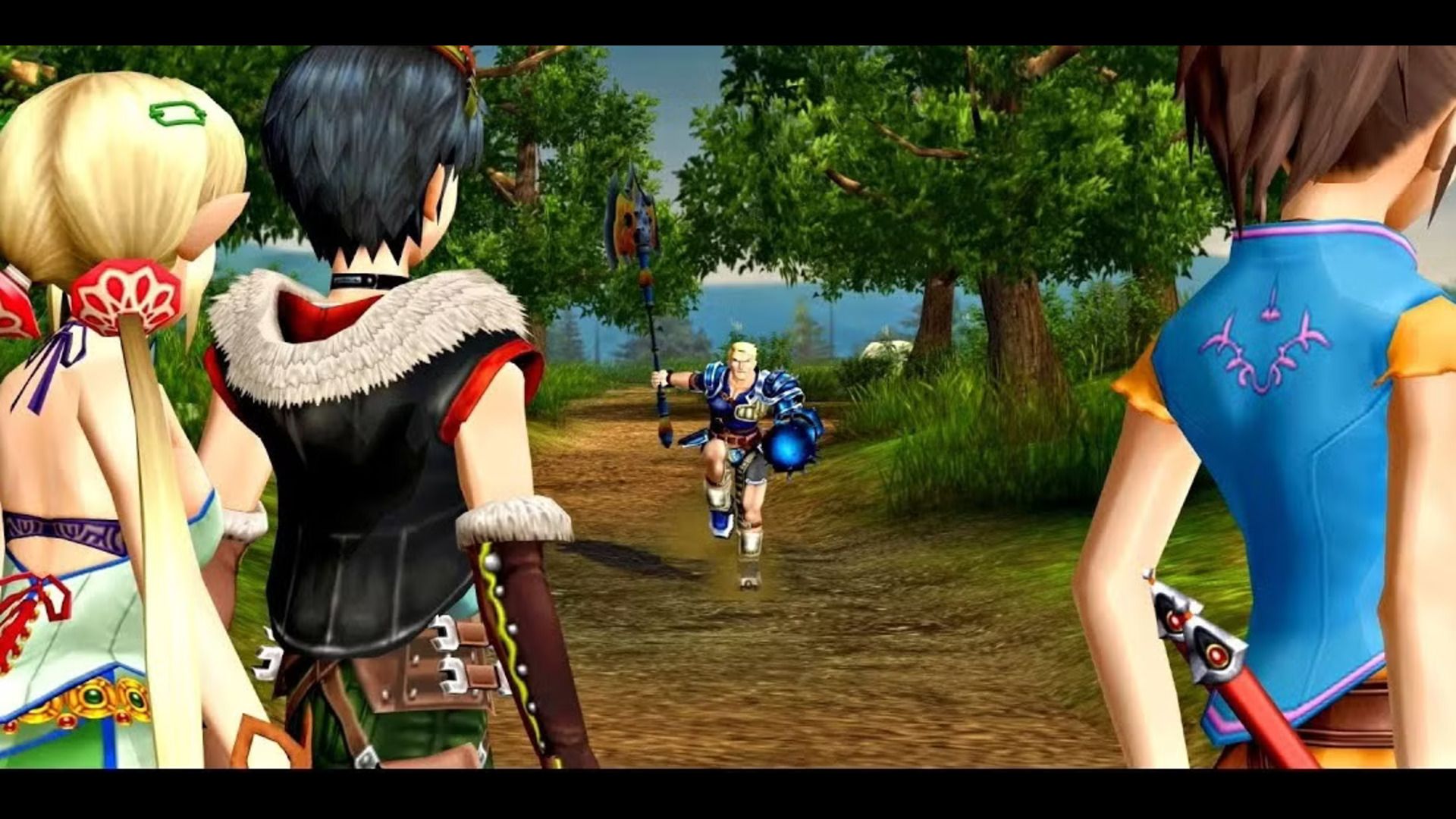
It’s strange how many JRPG sequels on the PlayStation 2 didn’t measure up to their predecessors, and Grandia 3 is a prime example. The original Grandia and especially Grandia 2 are considered classics, boasting fantastic stories, memorable characters, and a real sense of exploration. Grandia 3, however, lost all of that. It felt restrictive and straightforward, moving players from one narrow path to the next. The characters also suffered – the protagonist was particularly irritating, and the supporting cast wasn’t much improvement.
The battles were definitely improved, I’ll admit that, but a good JRPG needs more than just fighting. It needs a compelling story, memorable characters, and a rich world to explore. This game focused almost entirely on combat, and while that part was good, it wasn’t enough for me. I can’t recommend it because it’s missing the heart and depth that make a JRPG great. It’s part of a fantastic series, but the original two games are simply better in every aspect.
4. Magna Carta: Tears of Blood
Slow and Pretty
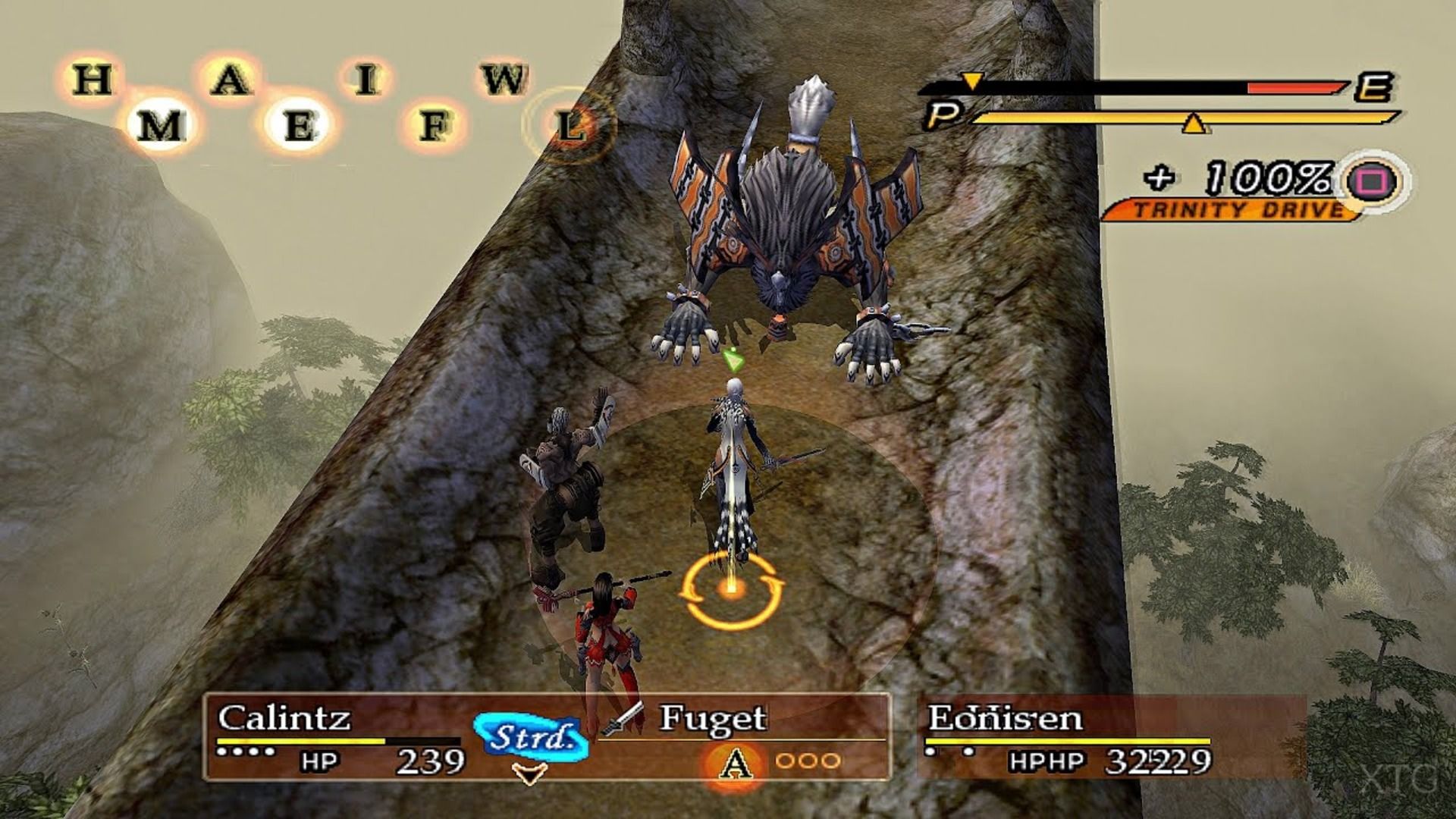
Magna Carta is a frustrating game that will likely leave you feeling overwhelmed. It features an incredibly high encounter rate – more than most games – and requires a lot of repetitive grinding. While the art and graphics are impressive, they’re overshadowed by confusing combat, poor pacing, and a story that, despite being interesting and mature, doesn’t quite come to life through its dialogue.
The game has a promising dark fantasy world with political intrigue, but it falls short because the characters aren’t engaging, the battles aren’t exciting, and the dungeons lack appeal. It’s bogged down by excessive tutorials and complicated systems that aren’t well explained. Unlike Magna Carta 2, this game feels like a chore to get through rather than an enjoyable experience from the beginning.
3. .hack//G.U
In Between Genres, Doing Neither Justice
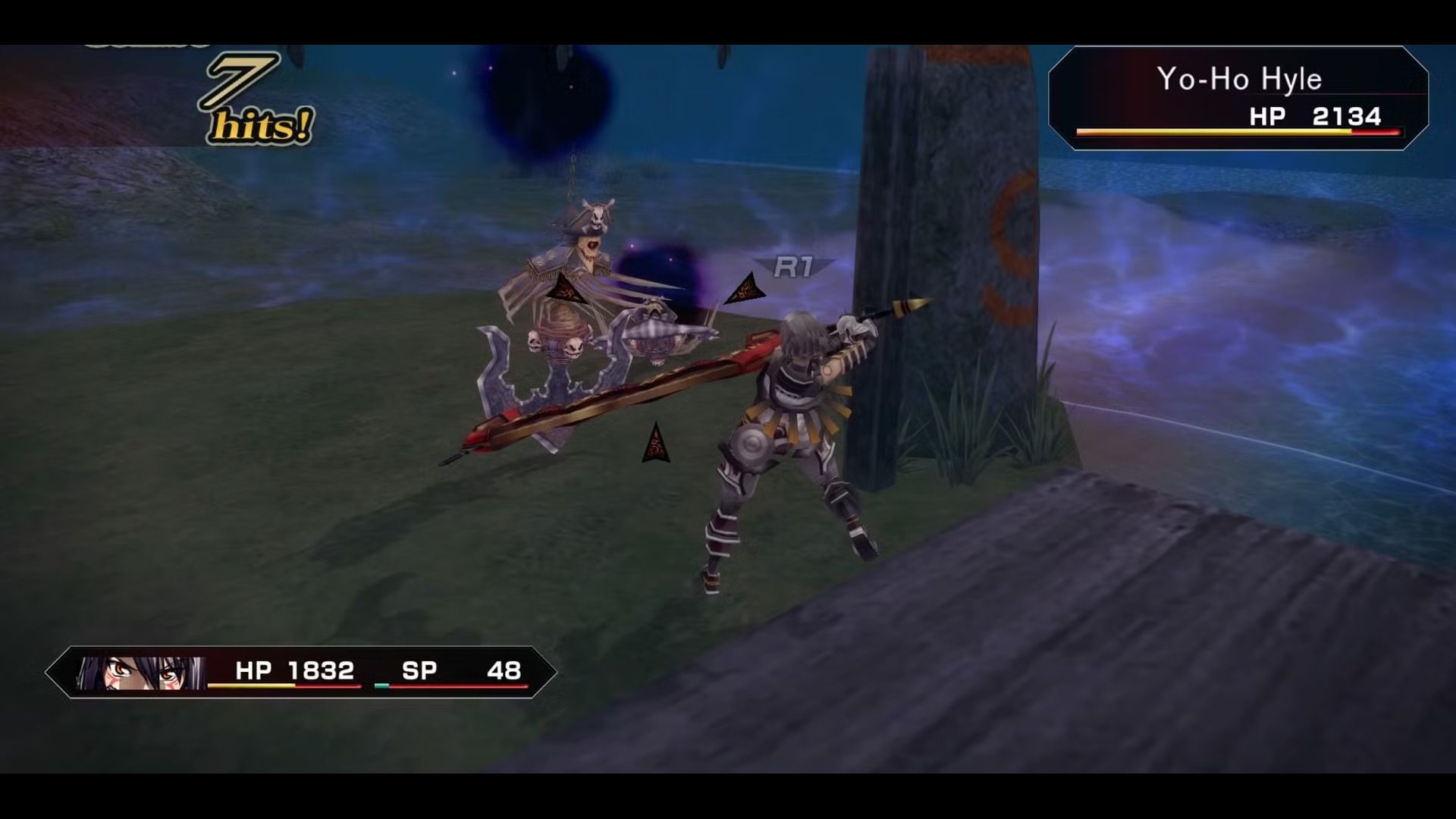
Dot Hack tries something really ambitious – blending the traditional Japanese RPG with the massive online world of MMOs. While it has some interesting combat, the game ultimately falls apart. It definitely has a dedicated fanbase, but personally, it doesn’t deliver what I want from a JRPG. It’s filled with confusing systems, levels that feel samey, uninspired enemies, and the combat takes far too long to become engaging.
Subscribe for deeper takes on PS2 JRPG misfires
This game tries to create the feeling of being stuck inside a massive multiplayer online game, but it doesn’t quite work. The interactions—like receiving emails from players or getting tasks from uninteresting characters—feel clunky and outdated. Visually, some areas haven’t aged well, even considering when the game was made. Ultimately, it’s a pretty average experience, and unfortunately, each game in the series offers the same lackluster gameplay.
2. Okage: Shadow King
Baby’s First JRPG
OKAGE: Shadow King_20160212020151
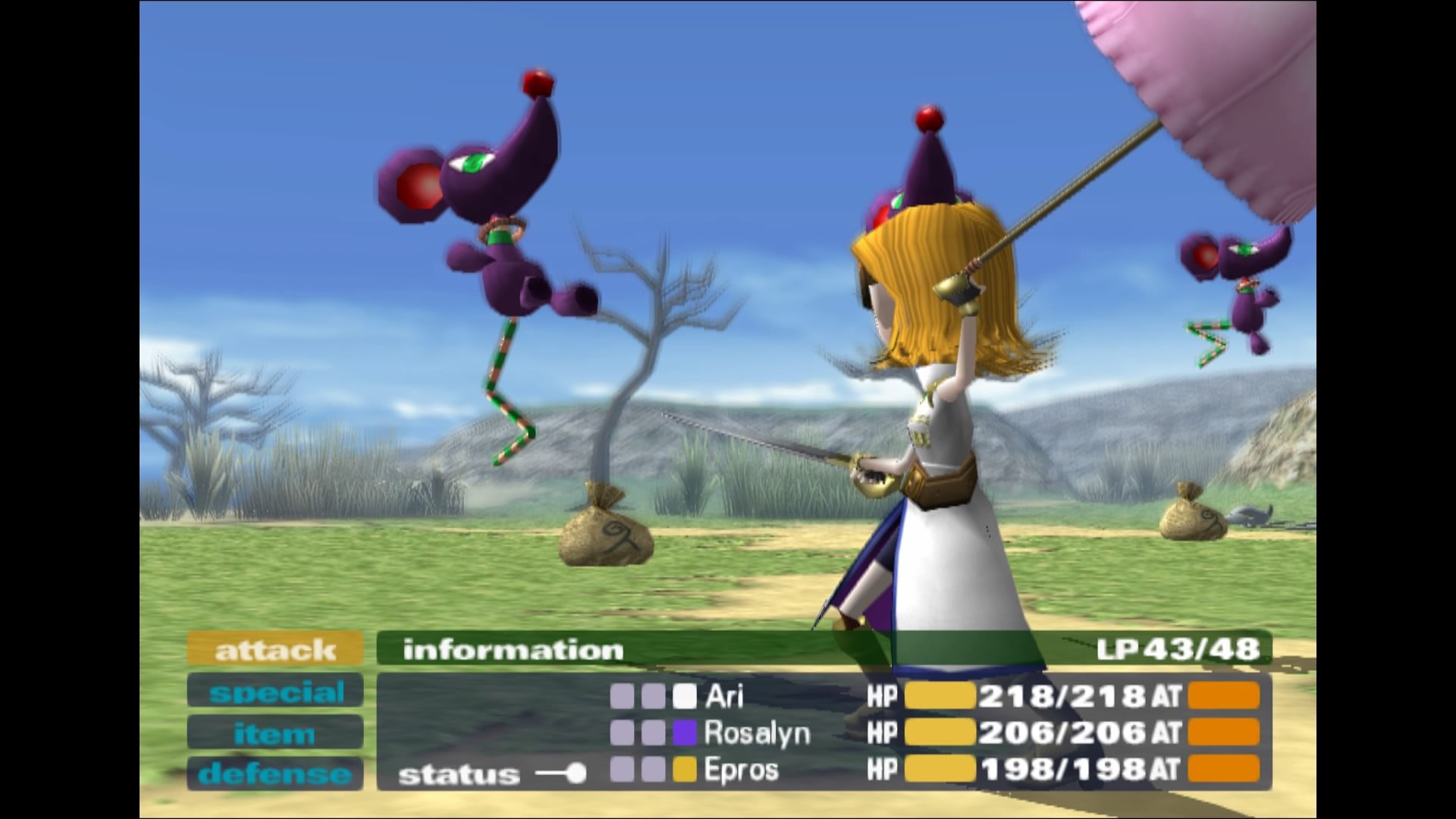
Okage: Shadow King might be a good starting point for someone new to JRPGs, but for experienced players, it doesn’t offer much. Released early in the PlayStation 2’s lifespan alongside a major title like Final Fantasy X, Okage feels simplistic and aimed at a younger audience.
It’s possible the game was aiming for a Tim Burton-esque style, similar to ‘The Nightmare Before Christmas,’ but it didn’t quite reach that level of creativity. The game’s environments were uninspired, the battles were repetitive and lacked excitement, and the graphics felt dated, resembling those of a PlayStation 1 game. This was disappointing, especially considering it was one of the few Japanese role-playing games available on the PlayStation 2 and should have showcased the console’s capabilities.
1. Persona 3
A Journey of Repetition
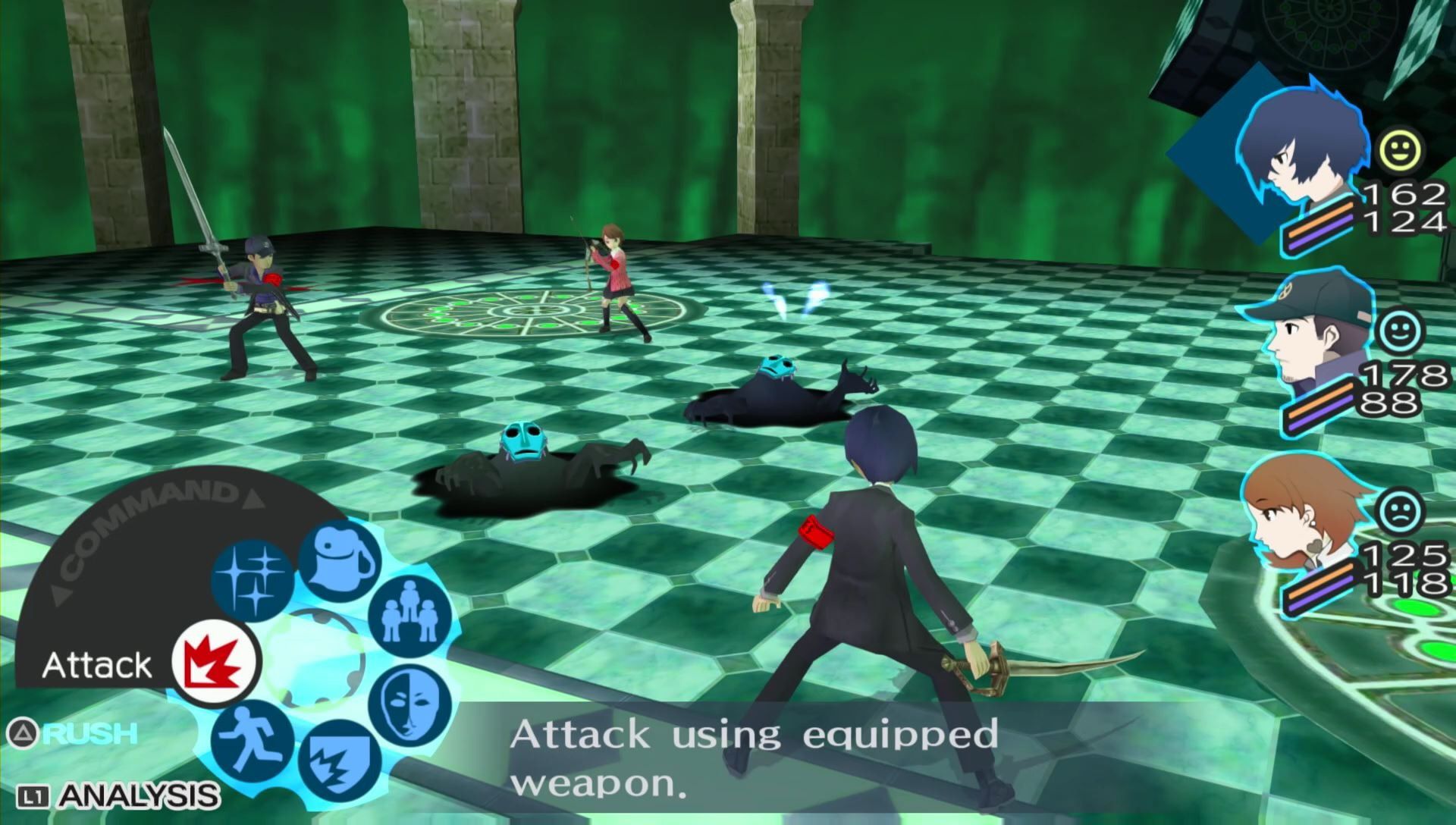
While many people love this game, I think it’s the weakest entry in the series, and it all comes down to the dungeons. Actually, there’s only one real dungeon in the entire game. The tower does change as you progress, but it doesn’t capture the fresh, exciting feeling of exploration that you expect from a JRPG. Other games in the series, like Persona 2, 4, and 5, really nailed that aspect.
While Persona 3 has a good combat system and an interesting story, it requires a massive time commitment and involves repeatedly exploring a very dull area. The recent remake didn’t fix this issue. The game relies heavily on a single, ultimately frustrating mechanic, and for me, it ended up ruining the overall experience. Despite its strengths, the repetitive level design is too much to overcome.
Read More
- Off Campus Season 1 Soundtrack Guide
- DoorDash responds after customer uses AI to make food look bad and get a refund
- How to Get to the Undercoast in Esoteric Ebb
- Jon Bernthal Explains Why Marvel Let Him Make The Darkest Punisher Story Ever
- 10 Most Universally Beloved Sci-Fi Movie Villains, Ranked
- All Golden Ball Locations in Yakuza Kiwami 3 & Dark Ties
- Ethereum Eyes Break Above $2,420 as Rally Hangs in the Balance
- Gold Rate Forecast
- Umamusume has been transformed into a D&D game with new race
- Zero Parades: For Dead Spies Original Game Soundtrack is available to stream now
2026-05-23 19:41