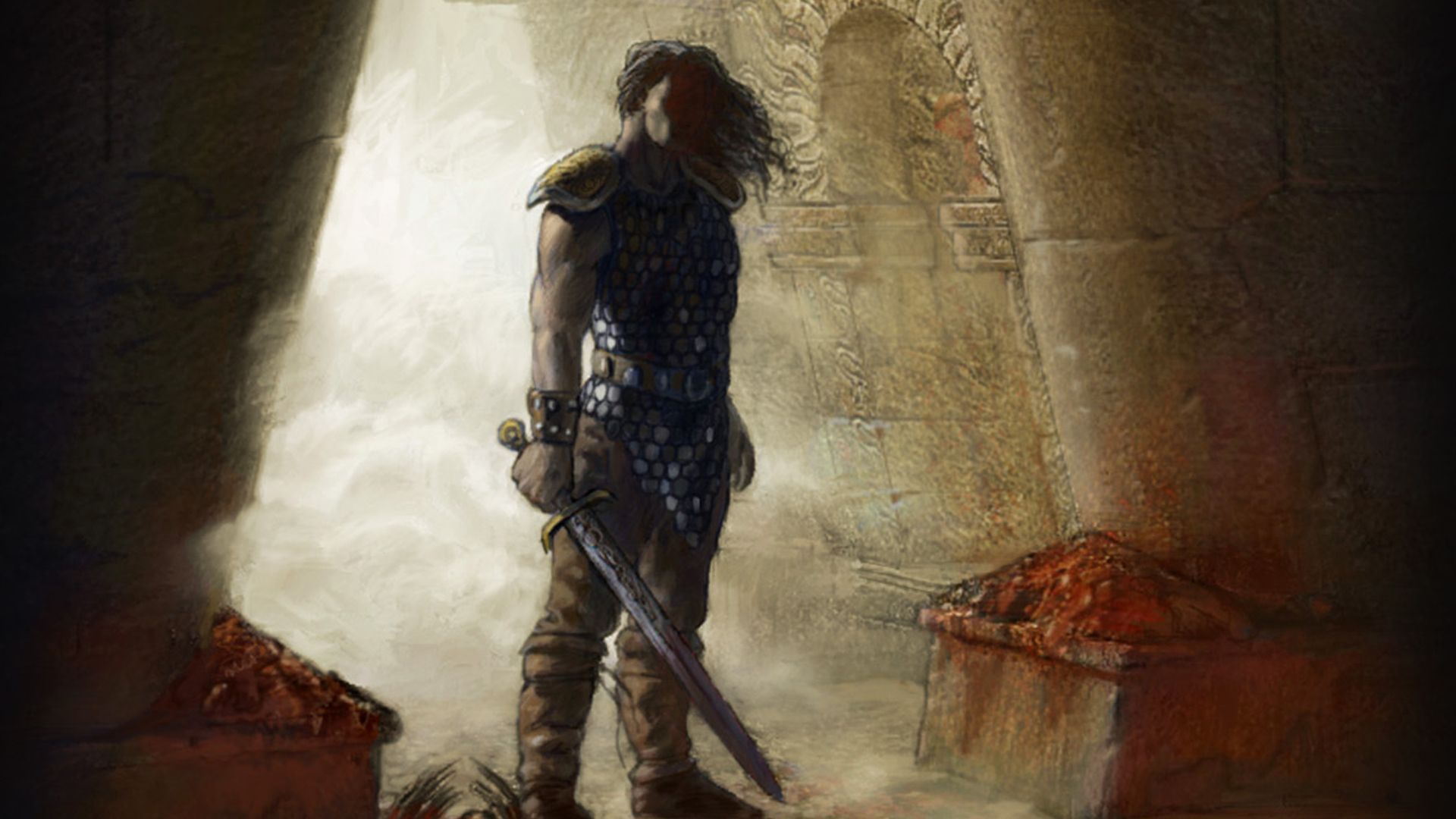
High fantasy goes beyond typical fantasy stories by creating incredibly detailed and all-encompassing worlds. These stories generally don’t include elements from our real world, instead taking place in completely separate realms where magic is commonplace, mythical creatures roam, and the rules of nature are different. A great example of high fantasy is The Lord of the Rings, whereas Harry Potter is more in line with traditional fantasy.
High-fantasy video games are especially captivating because they let players experience worlds beyond reality. Unfortunately, even some of the best and most complete games in this genre have faded from memory. This can happen when newer installments in the same series become more popular, or simply because players are drawn to the latest advancements in gaming technology and the new kinds of stories they enable.
Fable III Is The Underrated Entry
Honestly, it’s wild to think anyone could forget about Fable! Especially with the new one on the way – it feels like everyone’s talking about these games again. But the original Fable was the one that started it all, and a lot of fans, myself included, think Fable II is the best of the bunch – it’s just so well-made.
So, what about Fable III? For a lot of players, it’s easily forgotten. While it may have ended the Fable series, there’s still plenty to enjoy about it. Some people might have been turned off by how different it was, with its industrial setting and the fact that you actually have to govern a kingdom as part of the story.
What truly makes the game stand out are its bold and innovative ideas. Combined with enhanced visuals and its consistently clever writing, Fable III remains surprisingly enjoyable even today.
Prince of Persia: The Lost Crown Was A Masterful Franchise Redirect
Many players have great memories of this series, but it hasn’t been very successful recently. The poor performance of the film adaptation might have hurt its chances, or perhaps it’s just difficult to make this type of adventure game appealing to modern audiences. Despite this, Ubisoft attempted a fresh start in 2024 with Prince of Persia: The Lost Crown, a game designed to reimagine the classic saga.
This installment felt like a true reboot. Featuring a new main character named Sargon and drawing inspiration from Persian mythology, the high-fantasy drama was stunning to look at and offered a promising new story. It also switched things up with gameplay inspired by 2D and Metroidvania games, departing from the series’ traditional style.
Ultimately, this became the game’s downfall. While Prince of Persia: The Lost Crown received positive reviews and fans enjoyed it, that didn’t lead to strong sales. Although the game was a necessary step forward for the series, its unique approach unfortunately resulted in financial failure.
Discworld Fully Realized Pratchett’s Vision
Terry Pratchett is considered by many to be one of the best fantasy writers ever. He’s definitely among Britain’s most successful authors, comparable to J.R.R. Tolkien. Despite his popularity, his Discworld novels haven’t been adapted into many films or TV shows, with most attempts being direct-to-video movies or a brief television series. Surprisingly, a few point-and-click adventure games were also created based on the series.
Generally considered the strongest adaptation, this game was even made with input from the original author. Released in 1995 and developed by Teeny Weeny Games and Perfect 10 Productions before being published by Psygnosis, Discworld delivered on all fronts. It boasted fantastic, distinctly British humor and featured a stellar cast of British voice actors.
The story itself was really well-developed and kept things moving. While the visuals weren’t perfect, it’s a shame this funny and exciting adventure isn’t better remembered by fantasy lovers.
Arx Fatalis Introduced An Incredible Concept
Most of the games you’ll find here are part of popular series – that’s typical for the video game world. But Arx Fatalis is special; it’s a hidden treasure because it dared to be original.
Despite receiving rave reviews, Arx Fatalis didn’t achieve widespread popularity or strong sales, preventing it from reaching its full potential. The game, an action RPG set in a world with a failing sun, features a desperate struggle for survival as people are forced to live and fight in underground caverns and tunnels.
You play as a hero trying to prevent a dangerous cult from summoning a world-ending God. The stakes are incredibly high, and the developers at Arkane Studios have created a richly detailed and complex world. If you haven’t played this game before, it’s definitely worth checking out.
God of War: Sons of Sparta Left Without A Trace
The anniversary of the game God of War sparked rumors about how Sony would mark the occasion. Finally, the announcement came: PlayStation would remake some of the older games in the series. Many fans were particularly excited about the possibility of a remake of God of War: Chains of Olympus.
Amidst all the excitement and rumors, Sony quietly revealed a new game in the series. Developed with Mega Cat Studios and Santa Monica, this title is a Metroidvania-style adventure that launched in 2026. It proved to be exactly what the story needed to continue its coming-of-age theme.
The game was exciting and fun, and it took the series in a fresh direction. However, it seems to have quickly faded from memory, likely because it significantly altered the gameplay that fans of the original games expected.
Middle-earth: Shadow of War Didn’t Get The Hype Of Its Predecessor
Middle-earth: Shadow of Mordor is widely considered a standout title in gaming. It not only introduced players to the character Talion, but also expanded the lore of Middle-earth in exciting ways, all within a vast and engaging open world.
Talion’s unique abilities made him incredibly powerful in fights, and the innovative Nemesis System fundamentally changed how games were made. Many expected its sequel, Middle-earth: Shadow of War, to be just as groundbreaking and celebrated for its development.
Despite a decent start, the 2017 game from Monolith and Warner Bros. hasn’t left a lasting impression on gaming culture. Its sequel, Middle-earth: Shadow of War, didn’t offer enough new ideas, and most players now focus on the original game – particularly its innovative Nemesis system, which is noticeably missing from many other titles.
Game of Thrones Was A Personal Experience
Telltale Games is known for creating immersive story-driven games where player choices matter. They’ve successfully reimagined popular franchises like Batman and Guardians of the Galaxy, offering a fresh perspective on beloved characters and worlds.
Fans deeply connected with the stories, and their enthusiasm was incredible. However, when the studio faced money problems, one of its biggest successes, Game of Thrones, didn’t get the attention it deserved. This was a unique opportunity for fans to become part of the world of Westeros and influence the story’s direction.
The game featured Telltale’s signature art style and offered a unique way to experience the world of Game of Thrones. It’s a fantastic fantasy adventure for fans of the series, though it’s unfortunate it wasn’t given more support.
Read More
- Off Campus Season 1 Soundtrack Guide
- DoorDash responds after customer uses AI to make food look bad and get a refund
- Jon Bernthal Explains Why Marvel Let Him Make The Darkest Punisher Story Ever
- 10 Most Universally Beloved Sci-Fi Movie Villains, Ranked
- Ethereum Eyes Break Above $2,420 as Rally Hangs in the Balance
- All Golden Ball Locations in Yakuza Kiwami 3 & Dark Ties
- Gold Rate Forecast
- Hideo Kojima says Metal Gear Solid 2 became the future he hoped would not happen
- Umamusume has been transformed into a D&D game with new race
- The Strongest Battlegrounds codes (May 2026)
2026-05-23 06:42