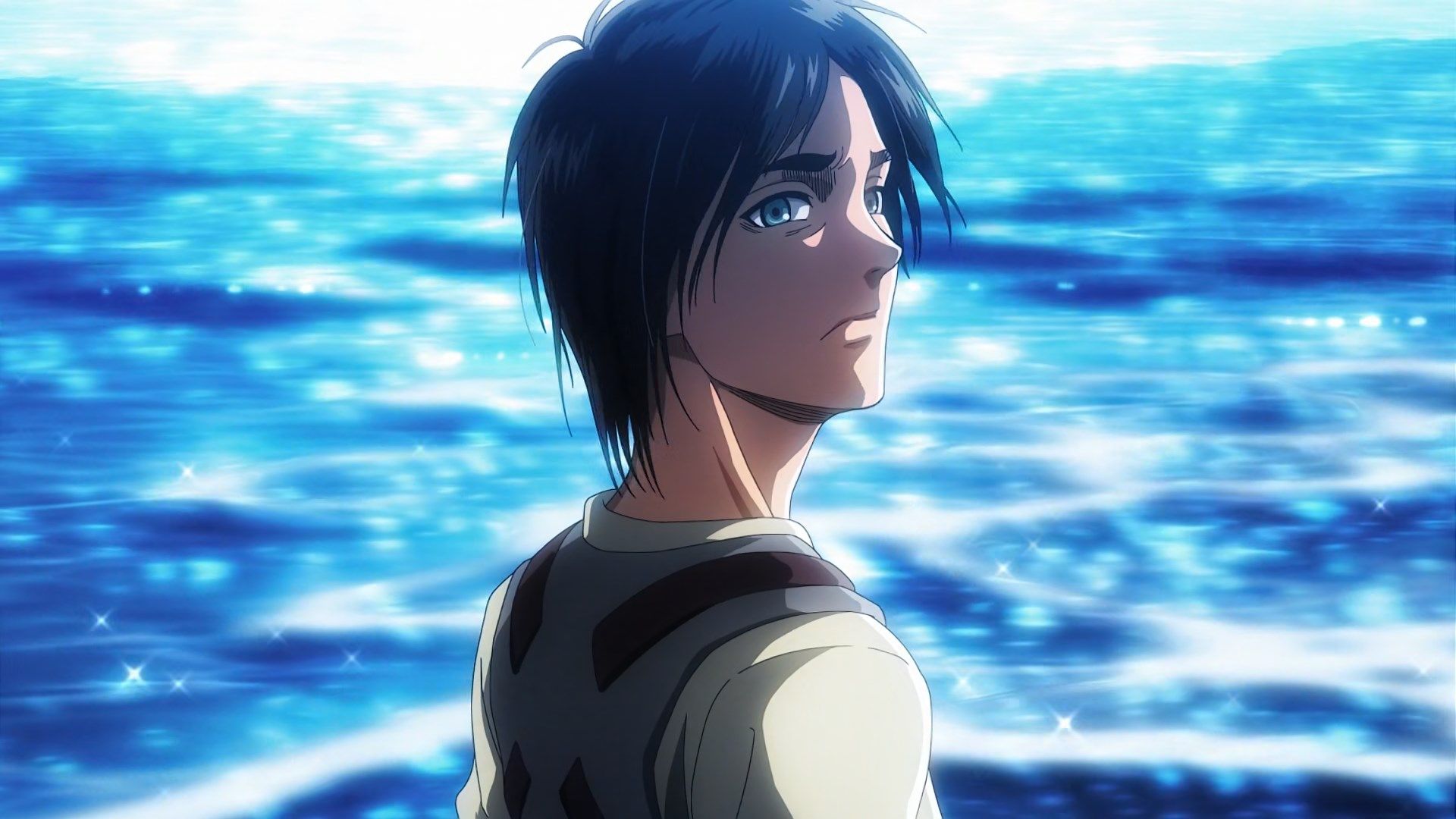
This isn’t a story about heroes who always succeed. Nearly every important character faces tough decisions, experiences loss, causes pain, or gets caught up in something larger and more flawed than themselves. This is what makes the series so captivating. It shows that good intentions aren’t enough – even well-meaning characters can unintentionally cause destruction.
Many characters in Attack on Titan seem destined to be seen as heroes or sacrifices, but their own actions ultimately ruin that image. They make choices they can’t undo. What’s truly heartbreaking is that these characters aren’t necessarily villains; some are simply frightened and damaged, while others genuinely believe they’re doing what’s best. Ultimately, though, no one in Attack on Titan gets to decide how they’ll be remembered.
Zeke Dressed His Cruelty Up as Mercy
Zeke Yeager’s desire to be seen as kind is what makes his story so unsettling. He had a deeply unhappy childhood, burdened with expectations from his parents, Grisha and Dina, before he was ready. Growing up within Marley’s system also led him to believe that being Eldian meant a life of suffering. Zeke developed within a world that gave him ample reasons to despise life itself. While his pain helps explain his actions, it doesn’t excuse them.
Zeke believes he’s helping Eldians by preventing future generations from experiencing the pain and conflict that have plagued them. He presents this as a compassionate act – ending the cycle of suffering by denying them a future. However, his plan fundamentally violates the right to life for an entire group of people. Despite his intelligence, sorrow, and charisma, Zeke ultimately frames death as a kindness.
Floch’s Trauma Became the Excuse for His Cruelty
Floch Forster unexpectedly lives through a suicidal attack on the Beast Titan, witnessing countless young soldiers die. This harrowing experience deeply affects him, giving him a unique and painful understanding of the true cost of sacrifice. For a time, this makes him a compelling character, as he realizes war isn’t about bravery, but something far more brutal.
Floch’s anger, though often severe, is understandable given the loss of Erwin and the sacrifices made for Paradis. He recognizes that Paradis’s survival depends on people dying for a greater purpose. However, instead of advocating for the frightened soldiers who didn’t ask to be heroes, Floch embraces power and becomes a prominent extremist. Ultimately, he’s remembered as a zealot who fueled fear with cruelty.
Zachary’s Rebellion Was Poisoned by Revenge
Dhalis Zachary deserved a better reputation. He played a key role in dismantling a deceitful royal system that kept the people of Paradis in the dark and living a lie. While his actions were pivotal in bringing about a major political change and exposing the truth, his legacy is unfortunately more complicated.
Despite fighting for change, Attack on Titan doesn’t portray Zachary as a purely heroic figure. He isn’t motivated by justice alone, but by a strong resentment towards the previous leaders. Once in power, he’s shown to be quite cruel, and his actions after taking control reveal his rebellion was largely fueled by a desire for revenge. This complicates his character, demonstrating that simply removing a bad system doesn’t guarantee good leadership will follow.
Bertholdt Chose Obedience Over the Humanity He Still Had
Bertholdt Hoover’s story is particularly heartbreaking because he’s always aware of the consequences of his actions. Unlike Reiner, who is more forceful, or Annie, who initially seems detached, Bertholdt doesn’t try to take charge. He often appears burdened by his own guilt, which makes him a tragic figure. However, this awareness also makes it difficult to justify his decisions, because he understands the people within the Walls aren’t evil.
Bertholdt genuinely connects with those who trust him, which is what makes his involvement in the tragedies of Wall Maria and Trost so disturbing. He causes immense suffering, then spends years confronting the human side of those he’s harmed. Ultimately, he undermines any positive impact he might have had by prioritizing obedience over doing what’s right. He’s aware of the consequences of his actions, but his unwavering obedience prevents him from finding redemption.
Grisha Passed His Trauma Down Until It Became Everyone’s Problem
Grisha Yeager is a deeply tragic figure in Attack on Titan, and also a flawed father. He endures a terrible childhood under Marley, suffers the loss of his sister, and learns firsthand how harsh the world is to those of Eldian descent. While his rage and desire for revenge are understandable, Grisha ultimately harms his own legacy by burdening his children with his trauma. His relationship with Zeke is an early example of this damaging pattern.
Grisha forces Zeke to join the Restorationist movement, and then places immense pressure on both of his sons, hoping they’ll fulfill the adults’ ambitions. This burden ultimately leads to Zeke’s betrayal and the downfall of the Restorationists. Later, Grisha attempts to be a better father to Eren, but still unintentionally passes on a heavy and damaging legacy. Even when Grisha doubts his path, he contributes to the events that eventually cause the devastating Rumbling.
King Fritz Built an Empire and Left Behind Nothing but Horror
The horrors in Attack on Titan all stem from the world created by King Fritz. He established his power through early acts of cruelty, and his mistreatment of Ymir is the root cause of generations of suffering. He exploited a frightened girl to build his empire, and even after her death, he continued to use her, transforming her remains into a legacy passed down through his daughters, forcing them to inherit the power of the Titans.
The immense power of the Titans is passed down through families, fueling Eldia’s rise through conquest. Later, Marley exploits the same fear and resentment to create its own oppressive system. This sets the world on a repeating cycle of violence, all stemming from a king who treated a young woman’s suffering as something to own. King Fritz didn’t just tarnish his own reputation; he condemned future generations. His lasting impact is one of domination, and the world has suffered for millennia because of it.
Eren Became the Monster He Once Swore to Destroy
Watching Eren Yeager’s story unfold in Attack on Titan is truly heartbreaking. He starts as a kid with a simple, powerful desire: freedom. His initial anger felt justified, after all, he witnessed the horrific death of his mother and lived in a world where humanity was caged. Young Eren was definitely impulsive and quick to fight, but his rage was directed at what seemed like pure evil – the Titans themselves. But as the story expands and we learn more about the world, Eren’s decisions take a much darker turn, and it’s devastating to witness.
Discovering the truth transforms Eren’s desire for freedom into a far more destructive goal. He stops simply wanting to eliminate Titans and begins to seek the complete safety of Paradis, even if it requires harming many innocent people globally. While Eren believes he’s driven by fate and a predetermined future, it doesn’t excuse his actions.
Read More
- Off Campus Season 1 Soundtrack Guide
- DoorDash responds after customer uses AI to make food look bad and get a refund
- Jon Bernthal Explains Why Marvel Let Him Make The Darkest Punisher Story Ever
- All Golden Ball Locations in Yakuza Kiwami 3 & Dark Ties
- 10 Most Universally Beloved Sci-Fi Movie Villains, Ranked
- Euphoria Season 3’s New R-Rated Sydney Sweeney Scene Proves The Show Is Trolling Us
- Gold Rate Forecast
- Ethereum Eyes Break Above $2,420 as Rally Hangs in the Balance
- The Masterpiece World War II Movie ‘Saving Private Ryan’ is Streaming on Paramount+ in April 2026
- 8 Movie Trilogies That Are More Rewatchable Than The Lord of the Rings
2026-05-22 21:42