Characters who acknowledge they’re in a story don’t just make jokes to the audience; they actually shake up the world around them. Some are aware they’re part of a fictional universe and use that for laughs, while others use humor to point out common tropes in their genre.
When characters acknowledge they’re in a fictional world – by directly addressing the audience, using humor, or showing self-awareness – it blurs the line between the story and reality. This turns anime from something we simply watch into a more engaging experience, like a direct conversation with those watching.
Saiki Kusuo Treats Anime Logic Like a Personal Annoyance
Throughout the series, Saiki frequently addresses the audience directly, complaining about his frustrating friends and family. He also breaks the fourth wall to explain details about his abilities and how he looks. This isn’t just for laughs; it’s an established part of the world of The Disastrous Life of Saiki K., as the story treats the audience as an actual presence within the manga.
By the second season of The Disastrous Life of Saiki K., most of the characters realize they’re living in a fictional world. However, they all mistakenly believe they’re in a different genre than the one the show actually is. This widespread, but incorrect, awareness that they’re fictional characters is the show’s running joke – everyone knows something is up, but nobody guesses correctly what kind of story they’re in.
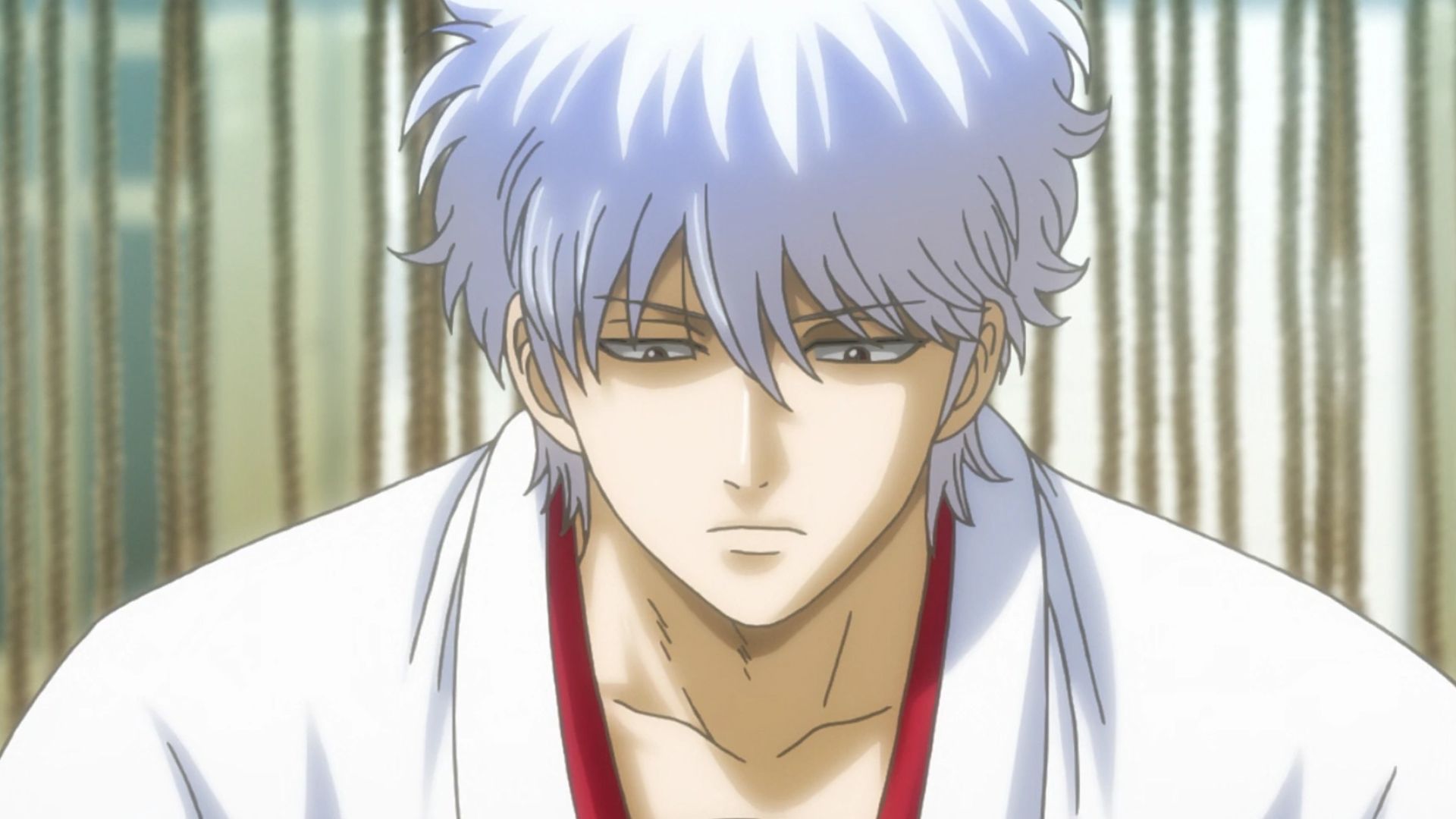
Gintoki Sakata Turns Fourth-Wall Breaking Into His Entire Personality
In Gintama, the line between fiction and reality is often blurred. Characters frequently break the fourth wall by commenting on how the anime is made, jokingly complaining about the animators’ hard work, and even poking fun at cost-cutting measures like using static images with voiceovers. Gintoki, the main character, often criticizes the animation, the manga creator’s busy schedule, and the production of his own show, creating a running commentary that adds another layer to the series’ humor.
What sets Gintoki’s fourth-wall breaks apart from other characters in Gintama is that he doesn’t just talk to the audience; he actively challenges the creators of the show itself, constantly poking fun at them. While many characters acknowledge the viewers, Gintoki specifically calls out those ‘responsible’ for his existence and playfully blames them for everything.
Excel Exists Inside Pure Meta-Anime Chaos
In the anime Excel Saga, the character Excel constantly breaks the fourth wall, treating it like any other obstacle she can’t stop running into. The director, Nabeshin, even appears in the show as a character, with the original manga author’s blessing, allowing for parodies in every episode. Excel’s direct addresses to the viewers are delivered with the same frantic speed as her actions, meaning she often speaks before the audience has had a chance to fully understand what just happened.
What’s unique about Excel’s ability to break the fourth wall isn’t that she shares her thoughts or comments on what’s happening – instead, she uses it to amplify the existing mayhem within the story and pull the audience into that chaos. The show consistently pushes this further by ending episodes with Excel’s death and revival, playfully switching genres each week, and even featuring the production crew as characters, making her fourth wall breaks a core part of the show’s structure.
Hayate Ayasaki Jokes With Viewers to Survive Ridiculous Situations
Hayate, the main character from Hayate the Combat Butler, often speaks directly to the audience because he desperately needs them to acknowledge how unbelievably strange his life has become. His commentary isn’t meant to be funny; it’s his way of coping with a reality so bizarre that he needs outside confirmation he’s not losing his mind.
The humor in Hayate breaking the fourth wall comes from the fact that he realizes he’s in a story, knows how those kinds of stories usually go, and accepts that he can’t change his fate. The most insightful joke in Hayate the Combat Butler is this: a character fully aware of the rules of his world, yet powerless to alter them.
Joseph Joestar Performs Like an Audience Already Exists
Joseph Joestar frequently predicts his opponents’ lines, and is always right – a tactic that’s a form of psychological manipulation. However, for viewers, it emphasizes Joseph’s awareness that he’s in a narrative, almost as if he knows the story’s plot. Whether facing Kars at the English Channel, battling Wamuu in a hotel, or constantly foreshadowing his wins, Joseph treats every fight like a performance.
Older Joseph’s direct speeches to the audience feel weighted with his past experiences from Battle Tendency. His emotional collapse after Kakyoin’s death is a powerful moment, perfectly illustrating how a man who always planned ahead is finally caught off guard.
Hajime Aoyama Is the Fourth Walk Break ADV Films Built
ADV Films acquired the anime Ghost Stories with a lot of freedom to adapt it for a wider audience, as long as the core storyline and character names stayed the same. They leaned heavily into self-aware humor, using the character Hajime to directly address the audience and break the fourth wall. This approach was established early on with an episode featuring a bathroom ghost, which set a pattern of characters complaining about the script and animation itself.
What’s interesting about Hajime’s moments of breaking the fourth wall isn’t about his personality, but rather a choice made by the show’s creators. They recognized the original source material wasn’t great, and instead of hiding that fact, they had Hajime directly acknowledge it – making that acknowledgment a key part of the show’s style.
Tamaki Suoh Believes He Is the Main Character
In Ouran High School Host Club, Tamaki Suoh is unique in that he acts as if he knows he’s in a story and fully believes he’s the protagonist. He doesn’t directly address the audience, but everything he does reinforces his idea that he’s the main character – even when he speaks directly to others, it comes across as self-promotion.
Tamaki’s habit of directly addressing the audience isn’t about what he says, but how he says it. He essentially puts on a show for the camera, viewing it as just another part of his audience who are there to admire him. The humor comes from the contrast between how confident Tamaki is and the fact that Haruhi is the one who truly holds the club together.
Saitama Breaks the Fourth Wall Casually and Effortlessly
At the meeting of top-level heroes, everyone else looked serious and concerned, but Saitama stared straight at the camera with his usual blank, indifferent expression. The humor isn’t that he knows there’s an audience; it’s that acknowledging them takes just as little effort for him as everything else does – practically none at all.
In One Punch Man, Saitama often breaks the fourth wall by acknowledging he’s in a story. He does this not through dialogue, but through actions like counting how long it takes to solve a problem or looking directly at the audience during serious moments – essentially pointing out how predictable or over-the-top the situation is, given the conventions of the superhero genre.
Usagi Tsukino Makes Shojo Comedy Feel Self Aware
I’ve noticed something about Usagi in Sailor Moon. She naturally turns to whoever is closest, almost instinctively wanting to connect and chat. It’s like she doesn’t really have an ‘inside voice’ – what she’s thinking and feeling is immediately what she expresses. This is especially clear in the funny parts, or when she’s dramatically complaining about things – she just shares it all, without holding back. It feels like there’s no real difference between her inner world and how she presents herself to others.
Usagi’s direct, heartfelt complaints to the audience – about everything from villain attacks to homework and love troubles – creates a unique kind of humor. It’s different from jokes that deliberately break the fourth wall because we’re laughing with her, not just at a clever trick. She acknowledges how ridiculous things are and, at the same time, playfully asks us to agree, making the experience feel genuinely funny and relatable.
Nozomu Itoshiki Addresses Audience in Despair
I’m totally fascinated by Nozomu Itoshiki, the teacher from Sayonara Zetsubou Sensei! He doesn’t really talk to the audience, you know? It’s like he’s trying to bring us all down with him! His speeches always start with something you notice in everyday life, then quickly spiral into this huge breakdown of everything wrong with society, and ultimately end with him just declaring how hopeless it all is. It’s dark, but brilliantly done!
The show’s most clever running gag is how the audience and Nozomu both continue their actions – watching and commenting, respectively – without either one changing. Nozomu’s direct commentary provides brief moments of understanding within the show’s otherwise chaotic and visually busy scenes.
Read More
- Off Campus Season 1 Soundtrack Guide
- Euphoria Season 3’s New R-Rated Sydney Sweeney Scene Proves The Show Is Trolling Us
- Gold Rate Forecast
- All Golden Ball Locations in Yakuza Kiwami 3 & Dark Ties
- DoorDash responds after customer uses AI to make food look bad and get a refund
- Jon Bernthal Explains Why Marvel Let Him Make The Darkest Punisher Story Ever
- The 2026 Cannes Film Festival Standing-O-Meter
- Uncovering Financial Fraud with the Power of Networks
- Dutton Ranch Review: Paramount+’s New Western Takes All The Best Parts Of Yellowstone & Makes Them Better
- ETH Holders Cash In: Is the Party Over, or Just Getting Started?
2026-05-19 21:53