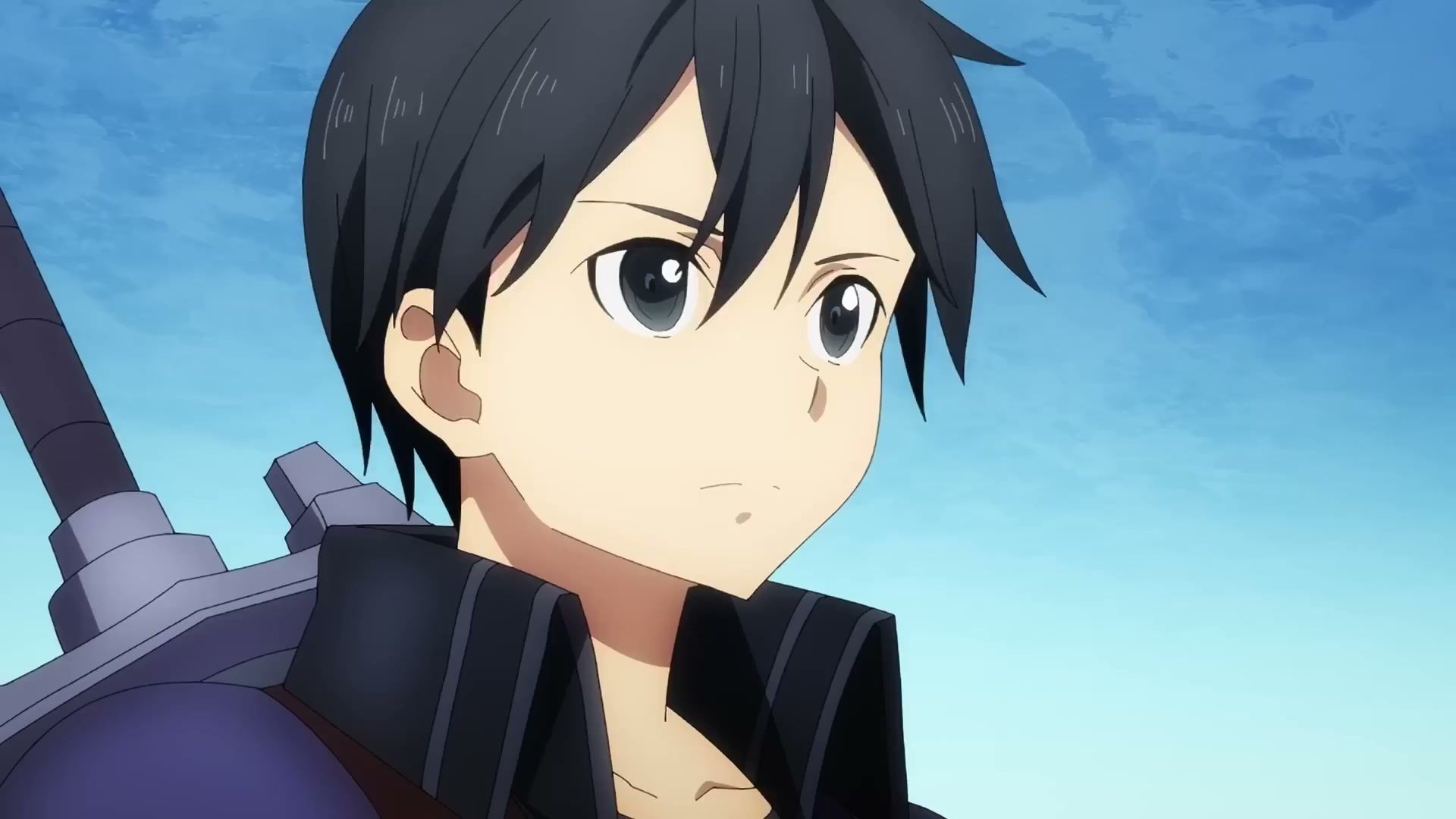
From the start, this series has faced criticism, but most of it hasn’t been justified. It quickly went from being incredibly popular to being mocked, and its flaws were greatly exaggerated, as if it was solely responsible for a decline in anime quality. Because of its negative reputation, people often forget what originally made it so successful.
Sword Art Online became popular because it explored ideas that went beyond typical fantasy adventures. It focused on things like living in a virtual world, how we create identities online, relationships formed through gaming, and the impact of virtual rules on real life – all before these themes became common in anime. Now, looking back, it seems like the show was criticized for being innovative and ahead of its time.
Sword Art Online Treated Virtual Worlds Like Real Emotional Spaces
Early on, one of the most brilliant decisions made by Sword Art Online was to portray the virtual world as genuinely real, not just a game. Aincrad wasn’t treated as a temporary or disposable fantasy world; it felt like a real place where characters experienced genuine emotions like fear, sadness, connection, and the struggle to survive. While this seems common now, especially with so many stories focusing on online life and relationships, it wasn’t nearly as prevalent in storytelling back in 2012.
What really grabbed me about Sword Art Online was the incredible connection between Kirito and Asuna. It wasn’t just a typical anime romance – the show really committed to the idea that their experiences inside the virtual world genuinely changed them, and those changes mattered. Their love felt completely real, shaped by the dangers they faced, how much they relied on each other, and their constant need to push forward. It wasn’t treated as some lesser version of ‘real’ love, and that’s what made it so special and helped Sword Art Online really stand out to me.
The show also handles the lasting effects of trauma well. Sword Art Online quickly realized that surviving a life-or-death virtual reality game wouldn’t be something characters simply moved past. Those who lived through it would be forever changed, and the line between their experiences in the game and their real lives would become blurred. This concept feels even more important today, as Sword Art Online recognized early on that online worlds can have a powerful emotional impact.
Sword Art Online Helped Make Game-Based Fantasy Impossible To Ignore
I’ve noticed how many anime series that came after Sword Art Online seemed to follow a similar formula. While stories about games and fantasy weren’t new, SAO really brought that style to the forefront of anime, and it became incredibly popular. Suddenly, things like guilds, epic boss battles, characters with defined classes, and really detailed virtual worlds felt like a guaranteed hit after Sword Art Online became so successful.
Sword Art Online’s impact is significant because it arrived before the market was flooded with similar stories. It pioneered the “trapped in a game” concept before that type of fantasy became commonplace and fans began categorizing it into subgenres. The series felt innovative, in part, because it cleverly adapted the structure of video games into anime. Viewers easily understood the progression of clearing each floor and gaining strength, drawing on their own experiences with gaming.
This was a key factor in expanding the show’s audience beyond its initial fans. Rather than simply relying on classic adventure stories, Sword Art Online tapped into the experiences of a generation that had grown up with online games, leveling up systems, and the idea of escaping into virtual worlds. Even later anime that refined elements of SAO‘s style still followed a path it had popularized. The show faced criticism for making certain trends popular, but later series benefited from those same trends without the initial backlash.
Sword Art Online’s Take on Online Identity Was Smarter Than Critics Admitted
A key reason Sword Art Online has remained popular is its insightful exploration of online identity. The anime delves into how people can feel freer or more authentic through their digital selves, and how that impacts their lives. This understanding makes Kirito a more compelling character than some realize. Much of the criticism he receives stems from how quickly he became a well-known figure.
Kirito’s experiences in the digital world have both strengthened and wounded him. While he often appears calm, he secretly battles feelings of guilt and isolation, as well as the pain of being a survivor. Asuna’s journey is similar; it’s not just about becoming a better fighter, but about discovering inner strength, confidence, and peace within a situation that should have trapped her emotionally.
One of the things that makes Sword Art Online compelling is how it explores the idea of finding oneself in a virtual world. For some characters, it’s the first time they truly feel alive and connected to their own experiences. This concept has become increasingly relatable over time, as more people recognize that our online lives can be just as revealing as our offline selves. While people might present an amplified or curated version of themselves online, it can still be a genuine expression of who they are.
Later Hits Got Credit For Refining Trends That Sword Art Online Took Heat For First
Many things that Sword Art Online was initially criticized for eventually became common and successful in anime. Concepts like in-game systems, virtual worlds, exploring the mind in digital spaces, very powerful main characters, and combining fantasy with real emotions were all more readily accepted by viewers after SAO paved the way. However, this doesn’t mean that later popular anime simply copied Sword Art Online.
The anime came out at just the right time to face a lot of initial criticism before people got used to it. It’s common for things that become popular early on to be met with skepticism. They’re closely examined because they challenge viewers to decide if they’re worth paying attention to. This is a key reason why the reputation of SAO feels so unusual – it was both praised and constantly criticized.
Subsequent seasons refined the show’s approach, adjusted its style, or concentrated on specific aspects that Sword Art Online had previously tried to balance. While these changes made them more readily appreciated, they weren’t fundamentally more significant. In retrospect, Sword Art Online anticipated the direction of anime fantasy, online communities, and digital narratives before many viewers even realized what they were looking for.
Found an error? Send it so it can be corrected.
Read More
- All Itzaland Animal Locations in Infinity Nikki
- Cthulhu: The Cosmic Abyss Chapter 3 Ritual Puzzle Guide
- Persona PSP soundtrack will be available on streaming services from April 18
- Gold Rate Forecast
- Solo Leveling’s New Manhwa Chapter Revives a Forgotten LGBTQ Story After 2 Years
- The Boys Season 5 Spoilers: Every Major Character Death If the Show Follows the Comics
- Raptors vs. Cavaliers Game 2 Results According to NBA 2K26
- Focker-In-Law Trailer Revives Meet the Parents Series After 16 Years
- Dungeons & Dragons Gets First Official Actual Play Series
- Morgan Stanley’s Tokenized Tango: Wealth, AI, and the Onchain Waltz
2026-04-20 02:47