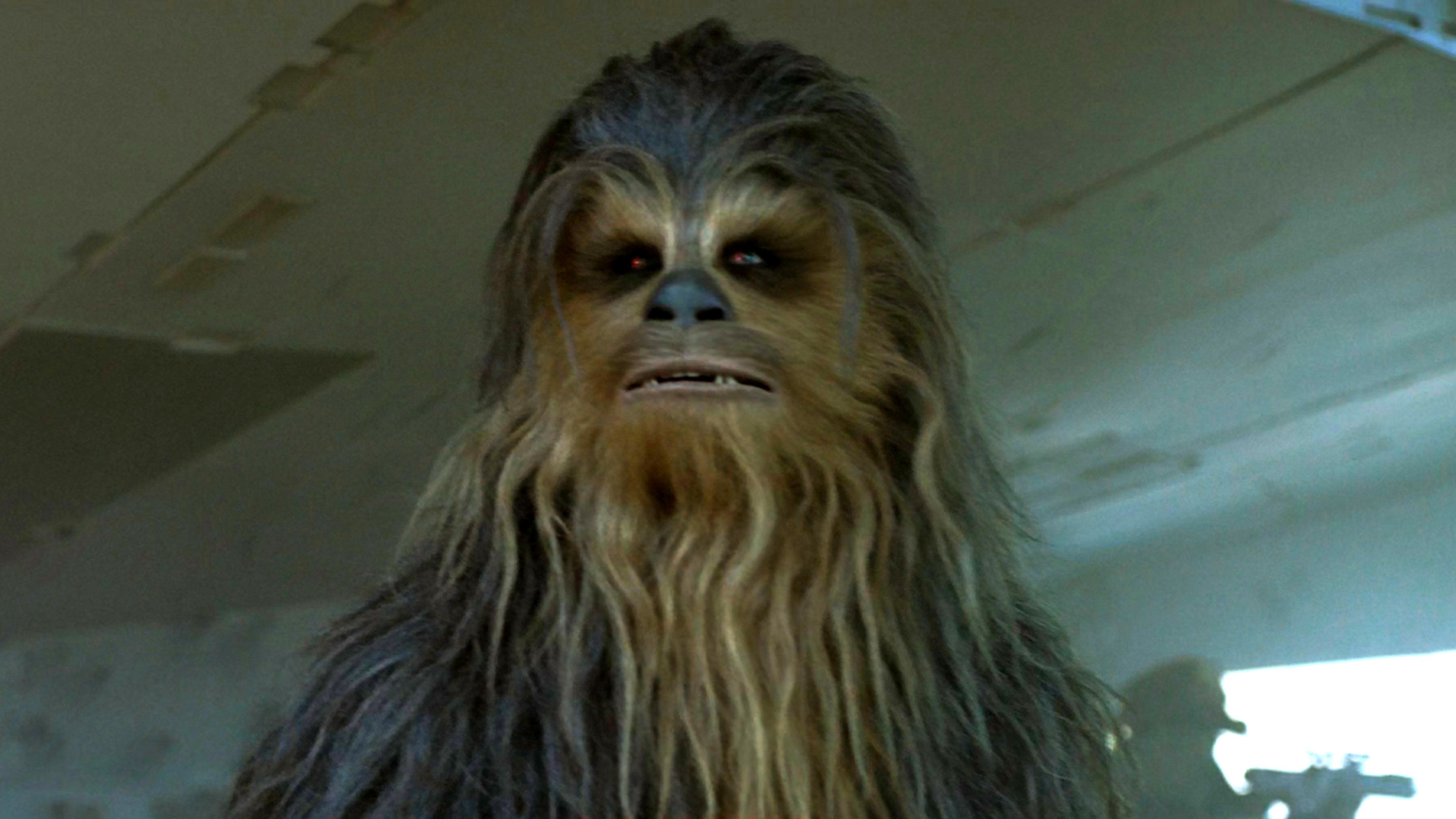
The newest Star Wars film is revisiting a character design that was previously set aside, and Jon Favreau explains the thinking behind the decision.
Okay, so as a huge Star Wars fan, I was really excited about The Mandalorian & Grogu. It’s basically a continuation of the Disney+ show, written and directed by someone with some serious awards recognition. The movie follows Din Djarin (Pedro Pascal) and Grogu as they get pulled into a new mission by a New Republic colonel, played by Sigourney Weaver. This time, they’re trying to stop a group of bad guys from starting another galactic war after the Empire fell. It’s classic Star Wars stuff, and I couldn’t wait to see it on the big screen!
Before the May 22nd release of the film, Ash Crossan of ScreenRant spoke with Jon Favreau on the set of The Mandalorian & Grogu. Favreau, who co-wrote and directed the project, discussed bringing the story back to theaters and how filmmaking technology has evolved. He noted that exploring the relationship between technology and storytelling has always been central to Star Wars, as the franchise is fundamentally “about tech and storytelling and finding out what also feels authentically Star Wars.”
Let me tell you, talking to Jon Favreau about The Mandalorian and Grogu, he really emphasized that this show wasn’t built on rules or pre-existing guides. It’s a deeply collaborative process. He and co-writer Dave Filoni work incredibly closely with veterans like ILM’s John Knoll and Lucasfilm’s Doug Chiang – people who actually worked with George Lucas himself. It’s that shared history, that understanding of both what came before and what’s possible, that allows them to confidently play with established Star Wars lore and even dust off old ideas. In fact, they recently revisited a Chewbacca design that Lucas originally abandoned fifty years ago – it’s a fascinating approach to world-building.
You know, working with Jon Favreau, it often felt like we were all collectively making decisions based on gut feeling. He’d have a general idea, a starting point, and then we’d essentially be asking ourselves, ‘Does this feel right?’ It was a really collaborative process of building things up from existing pieces – what they call ‘kit bashing’ – and constantly drawing inspiration from old sketches and ideas that never quite made it into the final product. It’s fascinating to learn that even a character like Zeb actually evolved from early concepts originally intended for Chewbacca! It really highlights how ideas can morph and change during development.
Zeb, voiced by Steve Blum, first appeared in Star Wars through prequel shorts and books before becoming a main character in Star Wars Rebels. He’s a vital member of the Spectres crew and is motivated by a strong desire for revenge against the Empire, who destroyed his people. After Rebels ended—where he sought out the last of his species on Lira San—Zeb reappeared in season 3 of The Mandalorian as a pilot for the New Republic.
Dedicated fans will recall that the character Zeb was designed with inspiration from Ralph McQuarrie’s early sketches of Chewbacca. This highlights how creator Jon Favreau and Lucasfilm consistently draw on the rich history of Star Wars to create fresh and exciting content. The Mandalorian successfully blends the feel of classic Westerns with returning characters like Zeb, Ahsoka (played by Rosario Dawson), and Luke Skywalker (Mark Hamill).
Like other recent Star Wars stories, The Mandalorian and Grogu suggests that forgotten parts of the franchise’s history are being rediscovered. The appearance of Rotta, Jabba the Hutt’s adult son, as a gladiator likely gave the creators a chance to revisit Jabba’s classic design and potentially reimagine it in new ways.
With The Mandalorian and Grogu being one of several Star Wars projects on the way, it will be interesting to see how other filmmakers approach their movies compared to Jon Favreau and Dave Filoni. Shawn Levy and Ryan Gosling have hinted that Starfighter will feel quite different from past films, though still drawing inspiration from Return of the Jedi. James Mangold has described his prequel, Dawn of the Jedi, as a large-scale epic in the style of classic biblical films. Despite these varying visions, Dave Filoni’s new role as Lucasfilm’s Chief Creative Officer could lead to a more interconnected and historically-focused approach across all the new films, potentially reviving previously discarded ideas.
Read More
- Solo Leveling’s New Manhwa Chapter Revives a Forgotten LGBTQ Story After 2 Years
- Gold Rate Forecast
- All Itzaland Animal Locations in Infinity Nikki
- The Boys Season 5 Spoilers: Every Major Character Death If the Show Follows the Comics
- How to Get to the Undercoast in Esoteric Ebb
- CBR’s Official Spring 2026 Anime Series Power Ranking (Week 1)
- Silver Rate Forecast
- Focker-In-Law Trailer Revives Meet the Parents Series After 16 Years
- Smarter, Faster Networks: Optimizing Early-Exit Architectures for Edge AI
- Rockets vs. Lakers Game 1 Results According to NBA 2K26
2026-04-17 01:40