Apple TV+ is launching its version of the classic story, featuring Javier Bardem, Amy Adams, and Patrick Wilson. While fans are excited about the new cast and the involvement of renowned directors like Steven Spielberg and Martin Scorsese, it’s important to remember just how incredible the original was – it truly set the standard for this type of story.
Martin Scorsese’s 1991 film remains the best psychological thriller ever made. Before diving into lengthy streaming series, it’s worth revisiting this two-hour, terrifying movie starring Robert De Niro. Its reputation is well-deserved, with a 73% Fresh rating on Rotten Tomatoes and a 7.3/10 score on IMDb.
What Makes De Niro’s Max Cady So Terrifying
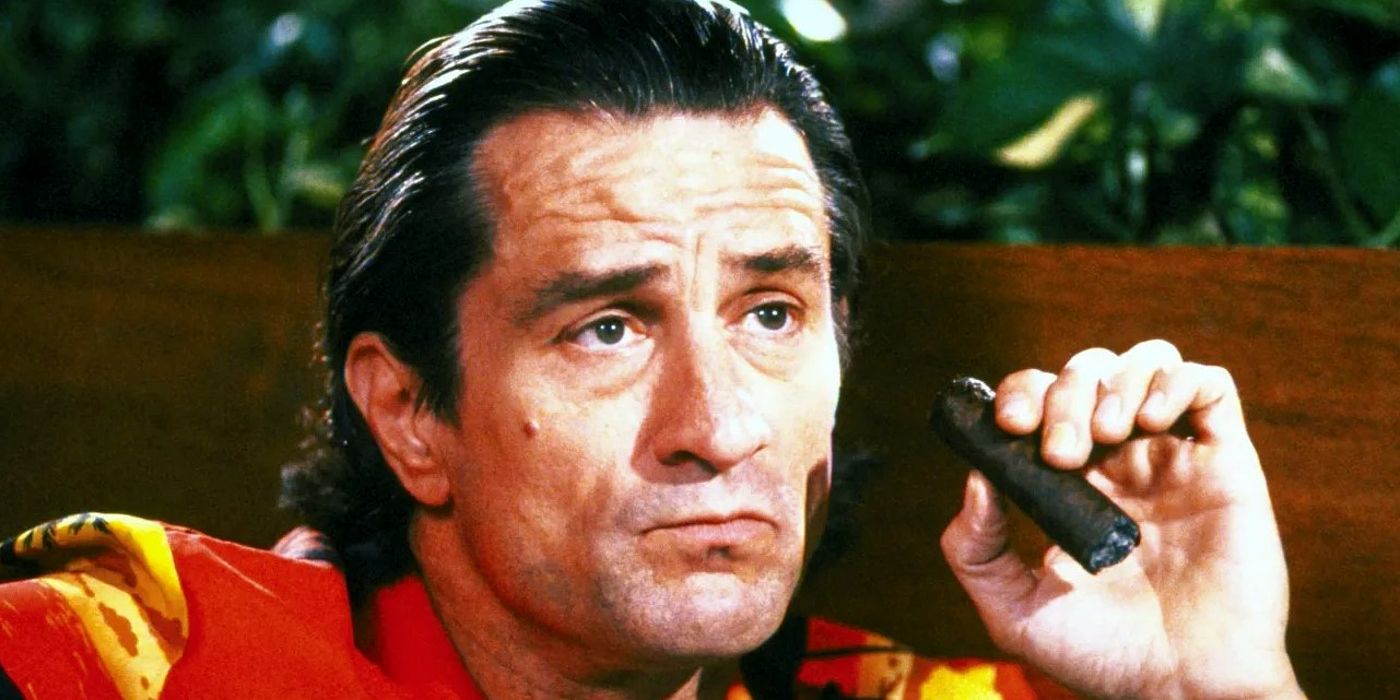
Robert De Niro elevated a typical slasher movie idea by creating a truly intelligent and menacing villain, giving a performance that redefined the genre. To play Max Cady, he committed to a rigorous physical transformation, comparable to his most iconic roles.
Similar to how he gained weight for Raging Bull or shaved his head for a previous role, De Niro drastically changed his physical appearance for this part. He even paid a doctor a substantial amount of money to file down his teeth, creating a sharp, unsettling smile.
Adding to his disturbing transformation, Max Cady covered himself in tattoos made from plant-based dyes, essentially turning his body into a living advertisement for revenge inspired by the Bible. But what’s truly frightening about Cady isn’t his appearance – it’s his mind. During his ten years in prison, he taught himself to read, progressing from simple children’s books to challenging philosophy and legal texts. He deliberately studied the law so he could use it as a weapon against the lawyer who originally convicted him.
Cady is a master of exploiting legal technicalities, carefully avoiding breaking the law while relentlessly stalking his target. He twists principles of right and wrong, using religious quotes to rationalize his vengeful behavior and portray his frightening actions as divinely justified. The most unsettling scene in the film doesn’t involve violence; instead, it shows Cady posing as a drama teacher in a high school auditorium, where he expertly manipulates a vulnerable young woman.
This creative partnership was already famous for its longevity, but this particular film took their on-screen relationship to a dark and disturbing place. While they’d previously tackled themes of city decline and organized crime, this move into a psychological thriller allowed them to showcase a different side of their talents. De Niro approached the gritty source material with the same serious commitment he’s known for, turning a simple revenge story into an exceptional acting performance.
How Scorsese Reinvented Cape Fear With Moral Ambiguity
Most thrillers feature an idyllic family suddenly threatened by a stranger. Martin Scorsese broke that mold, crafting a much more unsettling story. He reimagined the classic plot by creating Sam Bowden, a lawyer with serious flaws—a man who deliberately hid evidence to ensure a harsh sentence for his client.
As a film lover, I’m fascinated by characters who dig their own graves, and Sam is a prime example. He wasn’t motivated by doing what’s right legally, but by his own personal revulsion, and that’s what sets everything in motion. Honestly, the way he acted and the damage he caused to another man’s life… it’s hard to feel bad when his family starts facing consequences. It’s a bold choice to make the ‘good’ guys so flawed and unlikeable, but it elevates the whole story beyond a simple good-versus-evil narrative. It’s a much more complex and interesting approach, frankly.
Instead of simply being a scary monster, Cady becomes a force of retribution, which is truly unsettling because the audience understands the heroes created this problem with their own pride. This underlying decay within the family existed long before any supernatural events occurred. Sam’s marriage was already failing due to his past mistakes, leaving his wife, Leigh, feeling drained, resentful, and distrustful.
It’s heartbreaking to watch their daughter, Danielle, stuck in the middle of all the yelling and fighting. She feels so alone and just wants to escape. What’s really powerful is how Scorsese shows this family falling apart from within – they weren’t needing any external drama to ruin things, they were doing a pretty good job of it themselves. He completely shatters that idea of the perfect American family we often see in movies.
To emphasize this idea, Scorsese made a brilliant casting choice. He reunited Gregory Peck and Robert Mitchum – the iconic actors who previously played the hero and villain in…
He completely reversed the characters’ roles, portraying the formerly heroic figure as a shifty lawyer and the original villain as a struggling police chief. This was his way of showing the audience that simple good-versus-evil stories are a thing of the past, and it became a defining characteristic of the film.
Scorsese’s Cape Fear Still Sets the Standard for Psychological Thriller
The upcoming version promises a more detailed story and a deeper look at the characters’ morals. However, the 1991 film brilliantly achieved all of this in just over two hours, demonstrating the power of a concise runtime for a thriller. Scorsese masterfully keeps the audience on edge, maintaining a relentless pace throughout.
Scorsese’s editors created a relentlessly fast pace by removing any unnecessary scenes. The film is often unsettling, and during the couple’s heated arguments, the camera remains static, making you witness their raw reactions as they happen.
The film expertly creates suspense through uncomfortable silences and harsh dialogue, making the emotional abuse feel as impactful as any physical harm. From the moment Cady leaves prison during a storm, the tension steadily increases, culminating in a gripping final confrontation on a houseboat that is truly memorable.
The movie creates an incredibly intense and claustrophobic experience, demanding your full attention and not allowing a moment to catch your breath. It slowly dismantles the family’s defenses, revealing their vulnerabilities bit by bit. This constant build-up of tension is amplified by a powerful and driving musical score, solidifying the film’s place among the…
Rather than commissioning a new score, Scorsese reused the intense, brass-filled soundtrack from the 1962 film, simply amplifying it. The music is deliberately unsettling, feeling like a constant threat to the characters with its relentless drumming and piercing strings – it offers no sense of peace or comfort.
Apple faces a high standard for quality, but with Martin Scorsese as an executive producer, this new show feels like a natural extension of his work rather than a direct competition. The addition of Javier Bardem as Cady immediately boosts the show’s credibility; he’s a skilled actor who excels at playing complex, chilling characters. The ten-episode format also gives the writers ample space to delve into current topics, like our culture’s fascination with true crime.
Read More
- Off Campus Season 1 Soundtrack Guide
- Netflix’s Little House On The Prairie Reboot: Release Date, Cast & Everything We Know
- Gold Rate Forecast
- Infinity Nikki Candlelight Reverie Challenge and Rewards Guide
- Brent Oil Forecast
- Prime Video’s New R-Rated Spy Thriller Is Officially No.1 On Streaming Despite Poor Reviews
- Silver Rate Forecast
- EUR ZAR PREDICTION
- USD CNY PREDICTION
- The Boys Recap: No Room for Heresy
2026-04-12 13:08