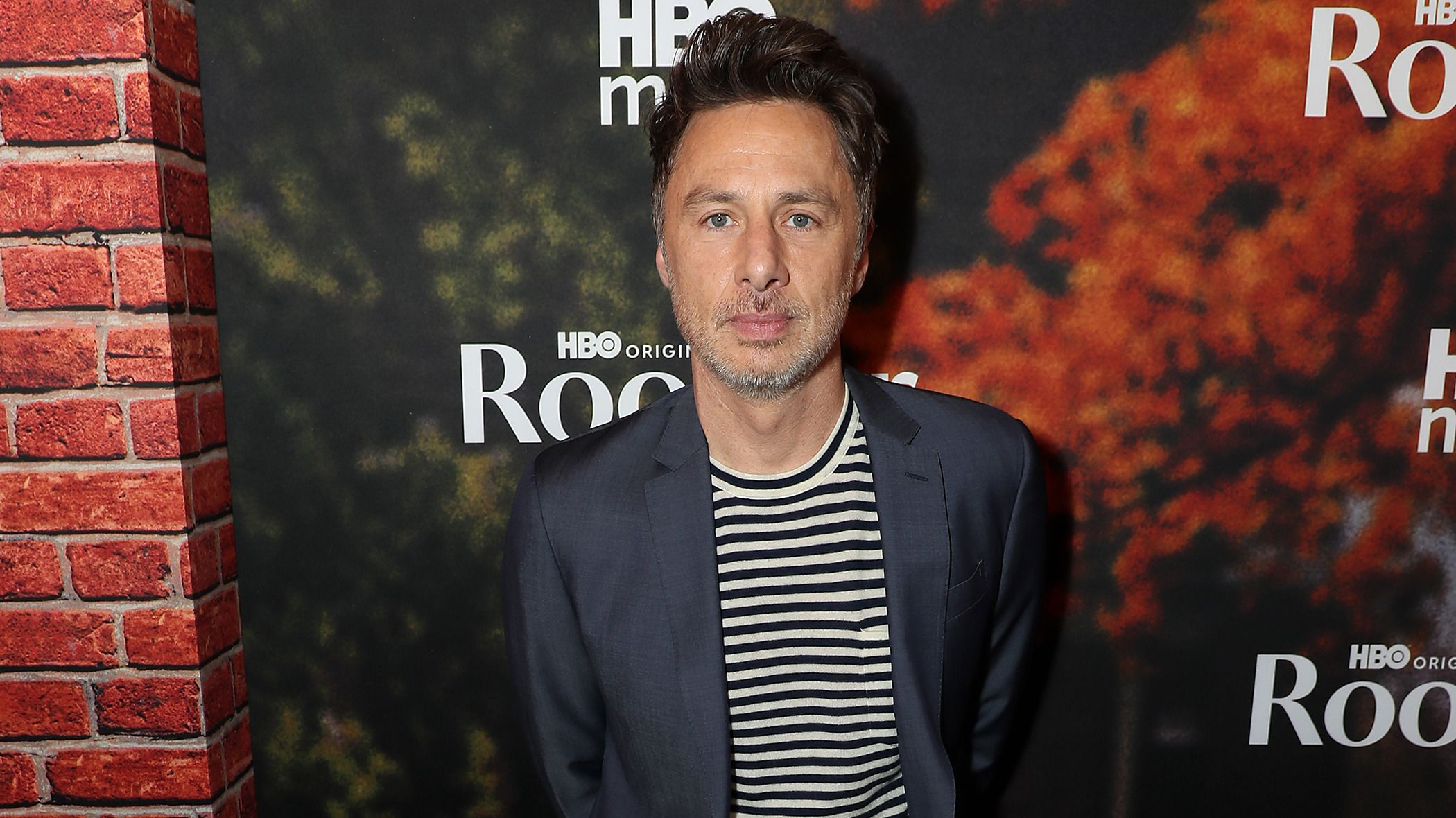
Be careful! This contains spoilers for Rooster Season 1, Episode 4. Many people don’t realize he’s been directing for more than 20 years, but he’s been working behind the camera for a long time.
After finding success with the 2004 film Garden State, Zach Braff started working on television series. He first collaborated with showrunner Bill Lawrence on his most famous show, and the two quickly became a team. Braff directed several episodes of Lawrence’s medical comedy, then joined him on popular shows like Apple TV+’s Ted Lasso and Shrinking. Most recently, they worked together on episodes three and four of HBO’s new comedy series.
Liam Crowley from ScreenRant interviewed Zach Braff before the fourth episode came out. Braff discussed the creative freedom director Michael Lawrence gave him and how he credits his early success to the TV show Scrubs.
You know, I mostly direct for Bill Lawrence. We go way back to Scrubs – after Garden State, he started letting me direct episodes, and we just really click. We have this amazing shorthand; I just get what he wants, and he gives me a lot of creative freedom with the camera, which is fantastic because that’s rare on TV. Usually, directors are just told to do exactly what’s on the page. But with Bill, we’ve worked together so long, he lets me experiment, and often those little improvisations actually make it into the show! I directed a bunch of Scrubs episodes, then the second episode of Ted Lasso, and now I’ve done five episodes of Shrinking and two of Rooster.
Episode 3 features a shocking moment when Dean Riggs collapses during an argument, leading to his hospitalization and Dylan Shepherd taking over as interim Dean. Episode 4 then explores the consequences of Riggs’ collapse. Greg Russo tries to remain relevant by focusing on mentoring student Ethan Morales and largely avoiding the bigger issues the situation creates. This avoidance is particularly noticeable at a frat party, where Greg feels out of place and tries too hard to fit in, ultimately highlighting his difficulty adjusting to his new position.
Braff explained that working with Steve Carell on Rooster allowed for even more improvisation than Carell is known for in The Office. This was thanks to director Lawrence, who created a comfortable and supportive atmosphere on set, encouraging experimentation for everyone involved, both actors and crew.
Zach Braff Reveals What It Was Like To Direct Steve Carell
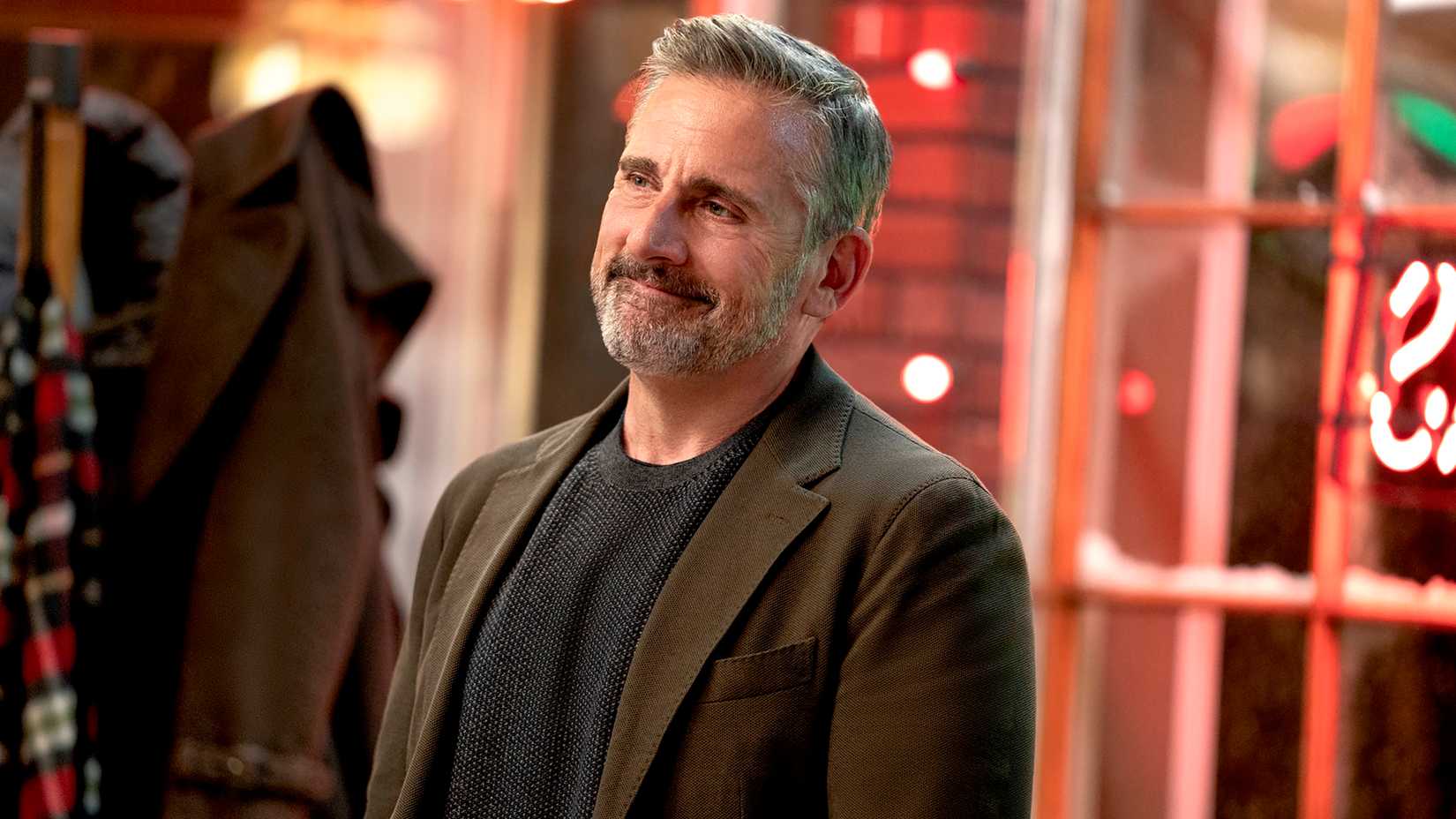
ScreenRant asked the director about working with Steve, noting that his performance seemed to go beyond what was written in the script. They wondered if Steve improvises a lot, and if the director provided feedback during filming and in post-production.
Zach Braff explains that Bill Lawrence creates a remarkably safe and supportive environment on set. He compares it to a tightrope walk for comedic actors – you either succeed and stay balanced, or you fall. But with Bill, there’s a safety net, encouraging actors to take risks and try anything, knowing that failed attempts won’t be held against them. This freedom allows everyone, from established stars like Steve Carell to newcomers, to perform at their best. Many of the most beloved jokes from Scrubs came from improvisations where he and Donald Faison, or Neil Flynn, would just experiment with different ideas. They’d try big, outlandish takes, and quiet, understated ones, knowing that anything went. This process is especially important when starting a new show, as they’re trying to discover the right tone and gradually refine it until they’ve established the show’s unique identity. Eventually, everything clicks, and you know what the show is all about.
Having worked on the first three installments – reading the first two and directing the third – I started to understand what would make the fourth one successful. Specifically, seeing Steve navigate between the formal professor’s party and the wild frat party highlighted the show’s central ideas and what audiences would enjoy.
ScreenRant asked how I became involved with the show, especially since it stemmed from a connection with Bill. They were curious about my first impression of the world Bill had envisioned when he first presented the project to me.
I really enjoyed working on the show. I’d never done anything with HBO before, and they’re a fantastic company. Plus, the script was great, and the cast was amazing – Steve Carell, Bill Lawrence, and even Johnny C. McGinley, who I’m good friends with. It was an easy decision. I especially loved the fourth episode; we filmed all night with Steve Carell dancing between two parties. The first three episodes did a lot of setup, introducing characters and backstory, but the fourth one really felt like the show finding its footing. That big party scene, where Steve’s character gets a pep talk about reinventing himself in college, gave me chills while I was watching the footage. It felt fresh, unique, and truly defined what the show was going to be.
ScreenRant asked, ‘Many directors worked on this show. Despite that, the episodes I’ve seen feel very consistent in tone. Where did you, as a director, find opportunities to express your own style and make the project uniquely yours?’
When you’re starting a new show, you’re still figuring out its style. You need to give the writers options. For example, there was a scene where Steve’s character was drunk near a tagged statue, talking to Rory. We filmed it a few different ways – some were really over-the-top, like with paint on Rory’s nose and him asking if any got on his face. It was funny while we were filming, but we realized it didn’t fit the more grounded tone we were aiming for. It’s a good example of how we’d shoot scenes realistically, but then experiment with broader, more comedic takes, especially with Rory’s character.
Early in the process, as a director, my main role is to offer the showrunner lots of different creative options. Then, it’s up to Bill Lawrence and Matt Tarses to decide what fits the show’s overall feel – what’s funny but still true to the series. We often find ourselves saying, ‘That’s funny, but it doesn’t quite feel like our show.’ This happened a lot with Scrubs as we established the tone for the new season. We were aiming for a grounded, realistic feel, and while we’d occasionally introduce something outlandish – like Rory losing his gun – it worked because the rest of the show felt so real. It’s about earning those moments. I also consistently try to encourage Bill to experiment with the visual style and cinematography.
While directing the second episode of Ted Lasso, I experimented with more dynamic camera work, trying to make the camera feel like another character. I started preparing before the pilot was finished, so I wasn’t entirely sure what the show’s overall visual style would be. When I saw the final cut of my episode, a lot of my ambitious shots had been removed, which was disappointing. But the director explained it just didn’t fit the established look of the show. Now, I focus on adding small, subtle touches – like the quick shot of the bottle sliding across the ice at the end of episode three – to enhance the tone Bill Lawrence created, while still bringing a little bit of visual flair.
Check out more of our Rooster coverage here:
- Steve Carell Reveals Comedy Secrets Behind His Characters
- Alan Ruck Explains Dean Riggs’ Major Health Scare In Rooster Episode 3
- HBO’s New Comedy Show With A Major Ted Lasso Reunion Debuts To Stellar Rotten Tomatoes Score
- Bill Lawrence’s Rooster: Steve Carell Is Dream Lead in HBO Comedy Series
Read More
- Off Campus Season 1 Soundtrack Guide
- 46 Years Later, The Mandalorian & Grogu Answers A Major Empire Strikes Back Question
- X-Men ’97 Finally Gave Gambit the Hero Moment He Deserved
- 10 Worst End-Game Couples In Sitcom History
- HoI4 fans harsh reactions to the announcement of another DLC pack
- Chainsaw Man Volume 24’s Cover Art Reveals a Brand-New Denji
- Hatsune Miku cosplayer goes viral selling $15 cups of “foot juice” to thirsty anime fans
- Emily Henry Says to ‘Trust the Vision’ For Beach Read Adaptation
- Gold Rate Forecast
- DoorDash responds after customer uses AI to make food look bad and get a refund
2026-03-30 23:33