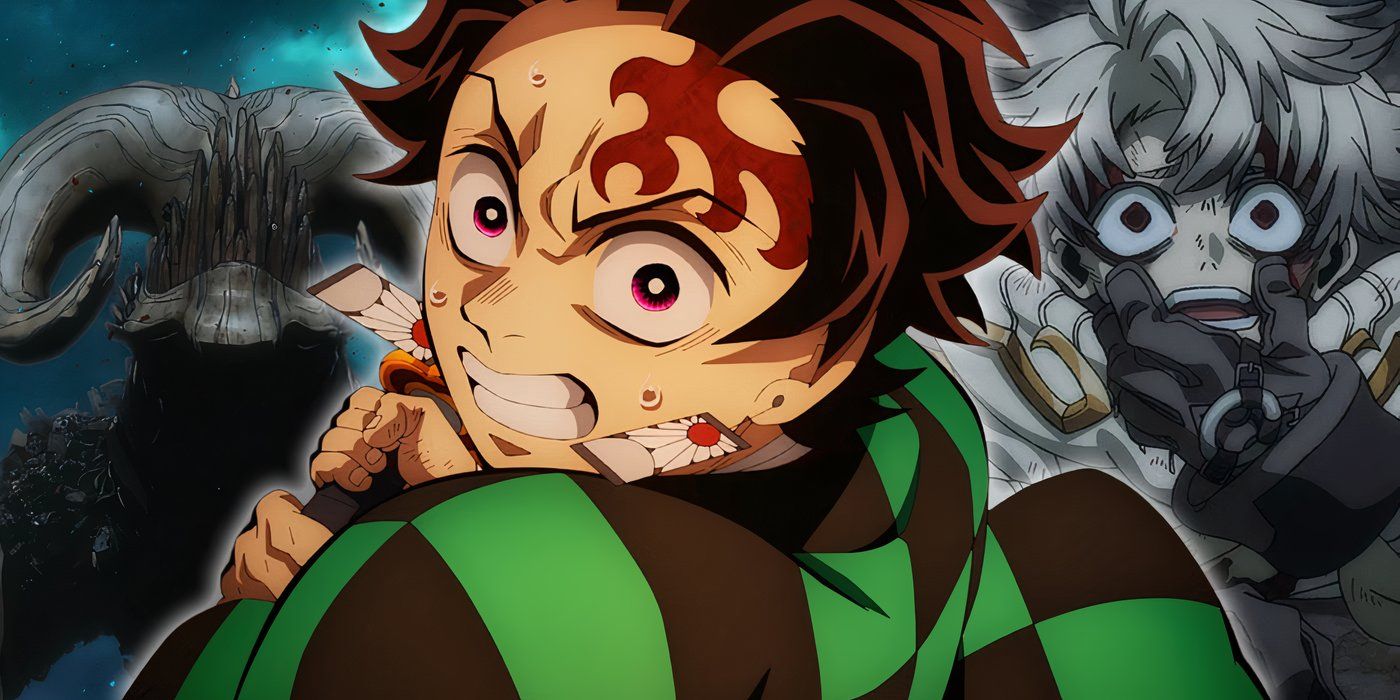
Shows like Dragon Ball Z and Yu Yu Hakusho from the 90s really set the standard for action-packed anime. They featured heroes who started out weak but improved through hard work, intense competitions, and clear conflicts between good and evil. The power systems were easy to understand, and the training scenes were exciting, making it simple to follow the story and connect with the characters.
Popular modern anime like My Hero Academia, Demon Slayer, and Jujutsu Kaisen still feel like the classic shonen anime from the 90s, but with a faster pace and more clearly defined characters. Studios such as MAPPA combine striking digital animation with traditional shonen elements – like teams, organizations, and power rankings – ensuring these shows feel both fresh and familiar.
My Hero Academia Uses Hero Training And Tournaments Like Peak 90s Shonen
Watching My Hero Academia feels like seeing a classic martial arts or ninja training ground come to life within U.A. High School. The story really focuses on Izuku Midoriya’s journey – he starts as a huge fan of heroes, but through hard work, he eventually becomes a worthy successor to One For All, a theme I remember seeing a lot in anime from the 90s. A big part of that is the U.A. Sports Festival, which is basically a series of one-on-one battles where you see the students’ skills grow, strategies develop, and some really impactful moments for Class 1A.
The age-old debate of natural talent versus dedication is a key theme, alongside All Might’s final fight with All For One. In this battle, All Might gives up his remaining strength, passing on the responsibility to a new generation. My Hero Academia also highlights the importance of teamwork, showing how Deku’s classmates rally to support him during dangerous missions, and how their friendships influence their battle strategies.
Demon Slayer Uses Corps Ranks And Bloodline Powers Like A Polished 90s Demon Epic
Demon Slayer brought back the concept of a dedicated demon-hunting organization, complete with uniforms, ranks, and specific sword-fighting styles, similar to shows from the 90s. The hero, Tanjiro Kamado, undergoes intense training, making his abilities feel well-deserved, like classic video game power-ups. The villains are also organized with a clear hierarchy – Lower and Upper Rank demons – which is a throwback to older stories with distinct boss levels.
Tanjiro Kamado’s connection to Sun Breathing reveals a hidden history, changing how we understand previous fights once its origins are known. Tanjiro, Zenitsu, and Inosuke work best as a team, each covering the others’ weaknesses, rather than relying on individual power. Characters like Giyu Tomioka and Kyojuro Rengoku serve as inspiring figures, and their defeats carry a similar emotional weight to the loss of mentors in 90s action stories.
Jujutsu Kaisen Evolves Bleach Style Spirit Combat Into A Modern Curse School
MAPPA’s Jujutsu Kaisen continues the trend of supernatural schools seen in anime like Bleach. The story begins with Yuji Itadori consuming a finger of Ryomen Sukuna, which leads to Sukuna residing within his body – a plot device similar to those found in older, popular anime. The initial story arcs follow exorcism missions, working like standalone cases that gradually build towards a larger, more dangerous conflict.
I’m so excited about the Kyoto Goodwill Event! It’s evolved into this awesome, organized competition between students from Tokyo and Kyoto, all battling it out with clear rules. And honestly, watching Gojo-sensei mentor them is a highlight – he’s unbelievably powerful and doesn’t care much for the old guard, which is exactly what these kids need! Thankfully, the series hasn’t lost sight of what makes it great – we’re still diving deep into Curses, Curse Users, and those dangerous Sukuna fragments, keeping the core conflicts really sharp and engaging.
Black Clover Doubles Down On The Orphan Rivalry And Kingdom Threat Formula
In Black Clover, Asta is a unique character – he’s born without any magical ability in a world where magic is everything. This contrasts with his rival, Yuno, who is naturally gifted and possesses a powerful, rare magical grimoire, creating a classic rivalry. The series builds a clear power structure using magical grimoires, ranks within the magic knights, and the ultimate position of Wizard King, reminiscent of ranking systems found in 90s anime about ninjas and pirates.
The Black Bulls and other magic knight squads take on all sorts of missions, like exploring dangerous dungeons and protecting the kingdom – similar to team-based adventures you often see in action-packed stories. Threats come from various sources, including the Eye of the Midnight Sun, powerful devils, and the Dark Triad, constantly creating conflict across different countries and dimensions. Asta’s unique ability to negate magic, Noelle’s growing control over water magic, and the strong teamwork of the Black Bulls help turn a group of outcasts into surprising heroes.
Mashle Uses Magic Exams To Celebrate Muscle-Driven Shonen Comedy
In Mashle, most students at Easton Magic Academy depend on wands and magical ability, but Mash Burnedead stands out by relying purely on his physical strength. While the school focuses on spellcasting and ranking students, Mash surprises everyone with his powerful punches and incredible feats. He’s striving to become a Divine Visionary – a top-level achiever, similar to becoming a Wizard King or Hokage.
Mashle focuses on the strong bonds between Mash Burnedead and his friends—Finn, Lance, Dot, and Lemon—making their loyalty a key part of every adventure. The story also challenges unfair traditions and powerful, prejudiced families, but always resolves conflicts with the classic determination and exciting action seen in shonen manga. Rather than dismissing these common themes, Mashle uses humor to emphasize that qualities like perseverance, compassion, and working together are still important, even when the story is a parody.
Fire Force Reimagines 90s Battle Squads As Firefighting Units With Ignition Powers
Fire Force follows special firefighting teams who battle mysterious creatures called Infernals – people who burst into flames. The story centers on Shinra Kusakabe, a young hero with fire powers who is determined to save people after a tragic event in his past. The series features a detailed system for categorizing fire abilities, making battles strategic and based on specific, established rules.
Fire Force establishes Company 8 as a typical team of heroes found in many action stories, and slowly uncovers a larger conflict involving a group called the White Clad and their leader, the Evangelist, who are responsible for the disasters happening around them. The story builds suspense by introducing villains at multiple levels. Additionally, Fire Force uses team-ups and big operations with other fire companies to create exciting battles, similar to a tournament, without slowing down the overall plot.
Blue Exorcist Combines Demon Heritage Angst With Classroom-Based Exorcist Training
In Blue Exorcist, Rin Okumura learns he possesses the power of Satan – blue flames – but decides to become an exorcist instead. He and his brother, Yukio, attend True Cross Academy, where students train to become exorcists through classes, studying, and a ranking system. The death of their father, Father Fujimoto, motivates Rin to fight demons on a personal level.
Blue Exorcist builds its stories around challenges like exams, training, and real-world missions, meaning character development is always tied to measurable progress. We see this with characters like Ryuji Suguro, who goes from clashing with Rin to becoming a reliable teammate. The series also features clear, powerful villains, which keeps the central conflict between good and evil consistently engaging throughout the seasons.
World Trigger Turns Tactical Rank Wars Into A Permanent Tournament Structure
Toei Animation’s World Trigger is set in a city defended by Border agents who use special weapons called Triggers and energy bodies to fight invading creatures known as Neighbors. The story centers on Osamu Mikumo, Yuma Kuga, and Chika Amatori, members of the Tamakoma 2 team, each with unique abilities. They rely on careful strategy and teamwork to overcome challenges, emphasizing coordination over simply becoming more powerful with each battle.
In World Trigger, ‘Rank Wars’ are like seasonal league battles. B-rank teams compete in official matches to earn points and potentially get promoted. Battles, such as those against the Ninomiya Squad, are very strategic, with teams carefully choosing the map and their formation to gain an advantage. The series has a well-defined rule system and categorizes enemies clearly, making it easy to follow the stakes – almost like watching a 90s sports tournament.
Fairy Tail Treats Guild Pride And Friendship Power As Core Combat Resources
Fairy Tail follows the adventures of a magical guild, primarily focusing on Natsu Dragneel and Lucy Heartfilia. As the story unfolds, characters like Gray Fullbuster and Wendy Marvell become a close-knit family. The magic system is relatively straightforward, featuring elemental powers, weapon skills, and dragon slaying abilities that grow stronger as the characters train and overcome emotional challenges.
The Grand Magic Games become a major focus in Fairy Tail, featuring competitions and battles between guilds in a lively arena setting. Natsu and his friends consistently push their abilities to the limit when their comrades or the city itself are threatened, as Fairy Tail confronts various villains and powerful enemies like Acnologia – a style reminiscent of the drawn-out, escalating conflicts common in 90s action series.
Magi Uses Dungeons Djinn And Nation Wars To Revive Adventure Shonen Traditions
In the fantasy adventure Magi: The Labyrinth of Magic, Aladdin is a powerful magician who helps guide future kings. Together with his companions, he explores dangerous Dungeons to find special vessels and magical creatures. Each Dungeon is like a self-contained adventure, filled with traps, puzzles, and strong enemies – similar to the challenges found in video games.
Magi gives its main characters powerful allies, like Ugo and Amon, who trigger exciting transformations reminiscent of classic 90s video game power-ups. The story grows from a political conflict in Balbadd to a much larger struggle involving the Reim and Kou Empires, and the scheming group known as Al Thamen. Throughout these escalating conflicts, the series focuses on the bonds between the main characters, ensuring the stakes always feel personal and meaningful.
Title
—Clues
—
Read More
- Off Campus Season 1 Soundtrack Guide
- X-Men ’97 Finally Gave Gambit the Hero Moment He Deserved
- Chainsaw Man Volume 24’s Cover Art Reveals a Brand-New Denji
- 46 Years Later, The Mandalorian & Grogu Answers A Major Empire Strikes Back Question
- 10 Worst End-Game Couples In Sitcom History
- HoI4 fans harsh reactions to the announcement of another DLC pack
- Gold Rate Forecast
- DoorDash responds after customer uses AI to make food look bad and get a refund
- Emily Henry Says to ‘Trust the Vision’ For Beach Read Adaptation
- Dragon Quest II HD-2D Remake: Where to get the Magic Key
2026-03-30 00:45