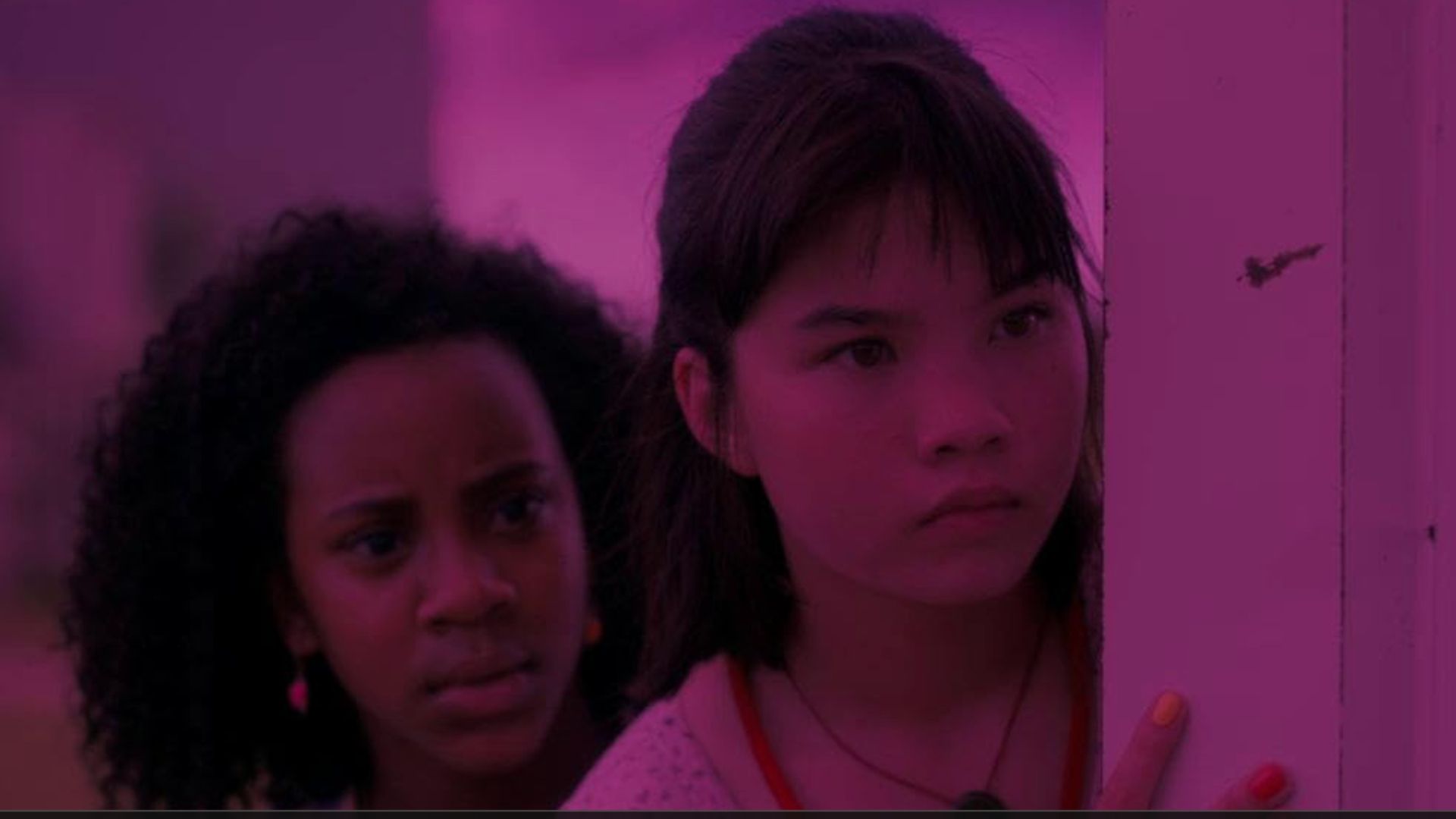
Imagine being able to talk to your future self and find out how your life turns out. Would you focus on the big picture – your career, home, and loved ones – or get curious about the little things, like whether your tastes change? Or would knowing the future ruin the fun? These are common themes in time travel stories, and they’re explored in the Amazon Prime Video sci-fi series, Paper Girls, which unfortunately only lasted one season.
Several great science fiction shows have had comparable lifespans, like Firefly. The Expanse was another success story, running for six seasons and allowing its creators to fully develop the characters and create a detailed world. Paper Girls didn’t get the recognition it deserved, but it remains a strong and enjoyable show even years later.
‘Paper Girls’ Deserved More Praise When It Premiered in 2022
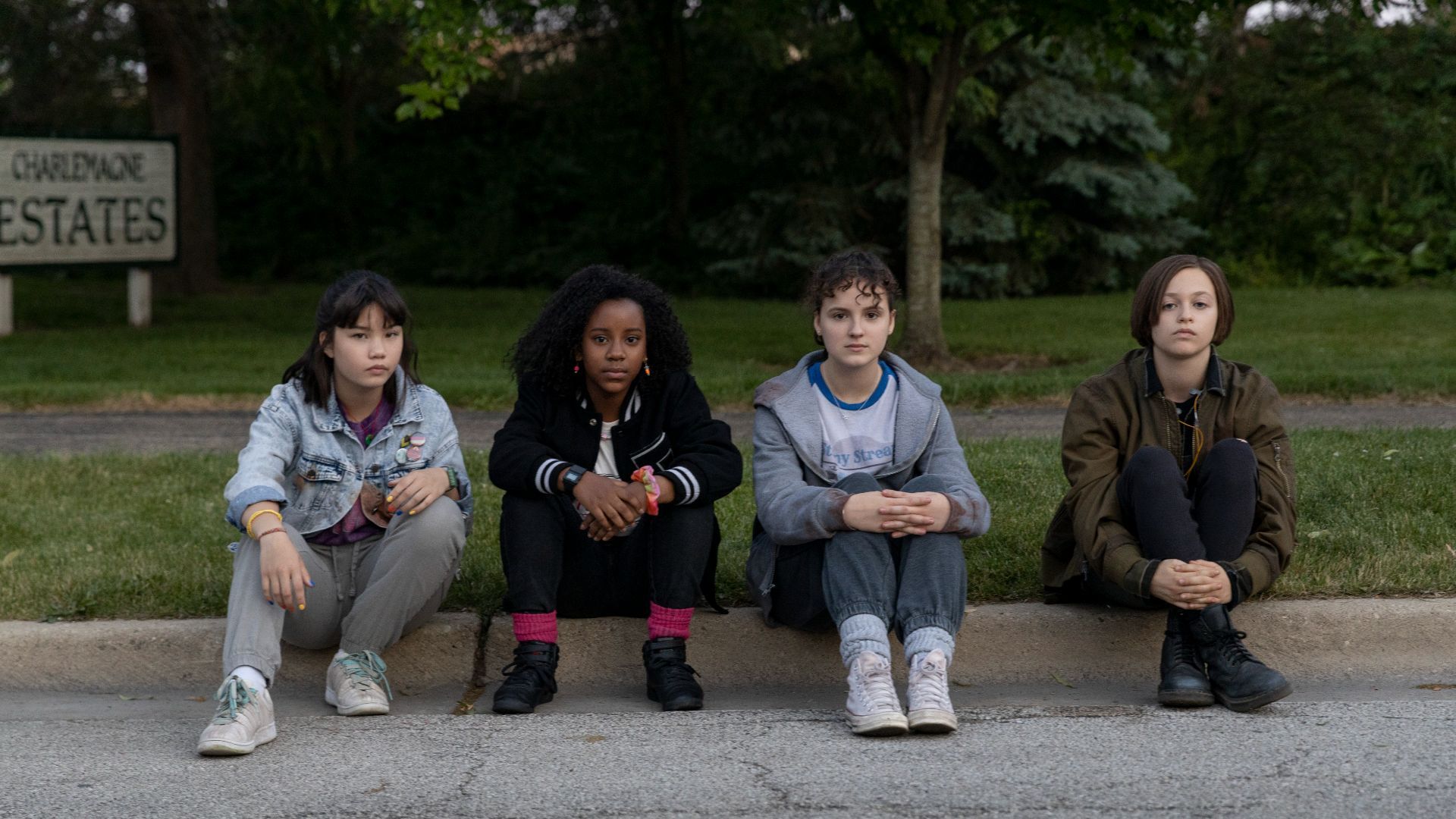
Based on the comic book by Cliff Chiang and Brian K. Vaughan, the show Paper Girls premiered on Prime Video on July 29, 2022. Though it was canceled after just one season of eight episodes, the series is a well-done adaptation that brings the comic’s compelling characters to life and offers a unique take on time travel – making it one of the most engaging time travel stories in recent years.
The TV series Paper Girls is really engaging because it takes a fresh approach to time travel – instead of going to the past, it sends four 12-year-old girls to the future. While stories about traveling back to the 80s or 90s are fun, especially because of the fashion, exploring the future offers different storytelling opportunities. In Paper Girls, Erin Tieng (played by Riley Lai Nelet) jumps from 1988 to 2019 and even encounters her older self, portrayed by Ali Wong. Erin’s friends – KJ Brandman (Fina Strazza), Mac Coyle (Sofia Rosinsky), and Tiff Quilkin (Camryn Jones) – join her on this unexpected journey.
Like any good time travel story, this one has plenty of challenges and conflicts, and the adaptation handles them well. While the show makes a few changes from the original comic books, they’re minor and don’t detract from the overall plot. For example, the two opposing groups are named differently – the comics call them the Teenagers and Old-Timers, while the show uses STF Underground and the Watch. The villains are genuinely scary, and the story keeps you guessing whether the main characters will succeed.
At its heart, Paper Girls is a compelling watch because of how it shows Erin, KJ, Mac, and Tiff dealing with surprising truths about their futures. They grapple with whether they’ll find happiness and success, and while some of what they learn is exciting, other revelations are unsettling. The series also beautifully portrays the developing relationship between Mac and KJ. The characters are refreshingly honest, and their journey is inspiring for viewers of any age, encouraging them to take control of their lives, express themselves, and consider what truly brings inner peace.
‘Paper Girls’ Season 2 Could Have Worked Well
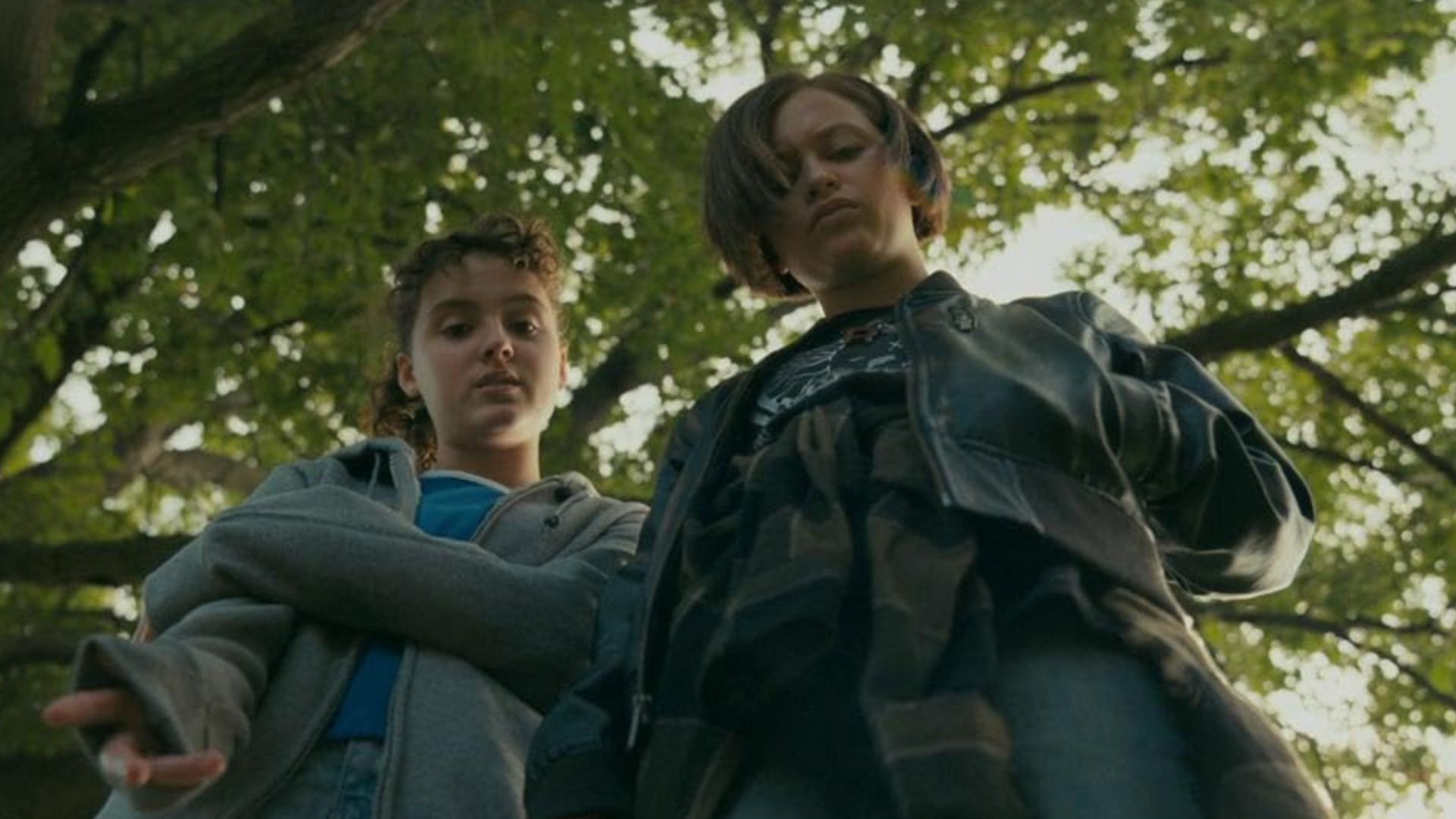
Though many TV shows have ended on cliffhangers, the cancellation of Paper Girls is still disappointing. We won’t find out what happens to Erin and her friends, and it’s a shame because the story left them in a really interesting spot with a lot of potential for a satisfying conclusion.
As a big sci-fi fan, I was really disappointed when Paper Girls got cancelled. While it might not have had the staying power of something like Stranger Things, I truly believe a couple more seasons could have been amazing. The idea of the girls hopping through different decades offered so much potential to explore those really powerful themes of finding yourself, being brave, building confidence, and the different kinds of love. Apparently, according to Deadline, the timing of its release was tough – it came out around all the hype for LOTR: The Rings of Power, and that really hurt its numbers in the Nielsen streaming ratings.
Despite lasting only one season of eight episodes, Paper Girls stands out as a unique sci-fi show. Like many time travel stories, it suggests that it’s often better not to know what the future holds. While knowledge can be empowering, this series argues that too much knowledge can be overwhelming. And if even small changes can have big consequences – the idea behind the “butterfly effect” – then it’s a good thing we can’t predict the future. Though it’s understandably unsettling not to know what’s coming, the characters learn that they can handle whatever happens. Though viewers won’t experience a jump 31 years ahead themselves, that’s still a comforting message.
Read More
- Off Campus Season 1 Soundtrack Guide
- X-Men ’97 Finally Gave Gambit the Hero Moment He Deserved
- Chainsaw Man Volume 24’s Cover Art Reveals a Brand-New Denji
- 46 Years Later, The Mandalorian & Grogu Answers A Major Empire Strikes Back Question
- 10 Worst End-Game Couples In Sitcom History
- HoI4 fans harsh reactions to the announcement of another DLC pack
- Gold Rate Forecast
- DoorDash responds after customer uses AI to make food look bad and get a refund
- Emily Henry Says to ‘Trust the Vision’ For Beach Read Adaptation
- Dragon Quest II HD-2D Remake: Where to get the Magic Key
2026-03-28 21:41