The original Final Fantasy VII is still one of the most important games ever made. Its impact goes beyond role-playing games, helping to shape how stories are told and experiences are crafted in all types of games.
The game isn’t just fun to play with its interesting characters and strategic battles; it also tells a deeply captivating story that has resonated with players for years and launched a huge, sprawling series across many different platforms. I was so invested in Cloud’s story that I even started playing games on my phone – something I never do – just to experience more of it!
Final Fantasy VII built a lasting legacy thanks to its unforgettable scenes, and it delivered them beautifully. That’s why we’re revisiting the game’s most powerful moments – 10 scenes from the original that still resonate more strongly than many newer JRPGs. These moments help explain how Final Fantasy VII set a new standard for storytelling that continues to influence games today.
This list focuses on memorable cutscenes rather than actual gameplay. And since all of these moments are fantastic, they aren’t listed in any particular order.
10. World Map Introduction
The Immensity Beyond Midgar
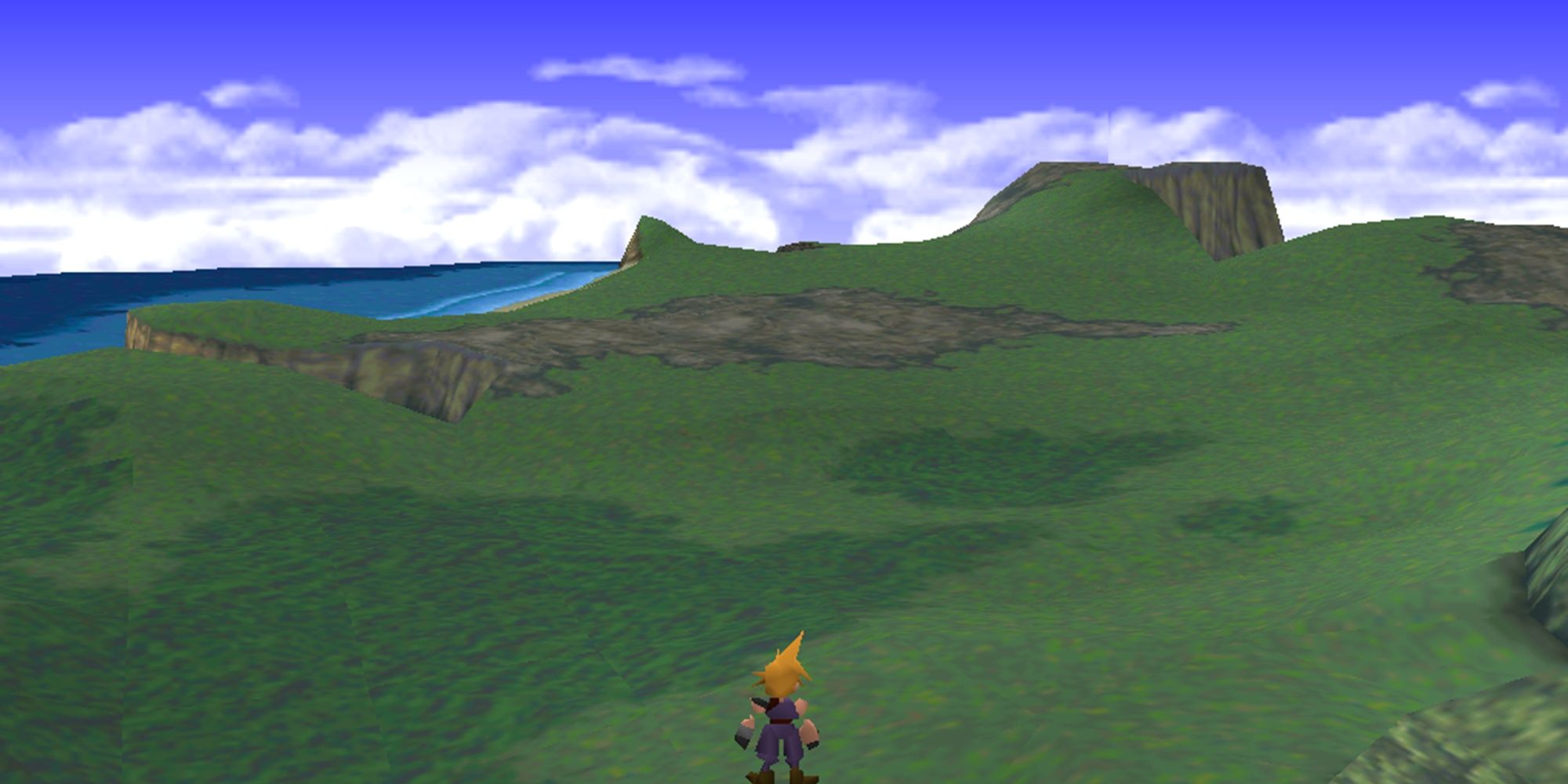
I’ll never forget finally leaving Midgar after all that time, and then being completely blown away by the vast, 3D world map – the graphics were incredible for that era.
The game was incredibly impressive, and it often felt overwhelming with its numerous hidden secrets. As you play, you unlock even more possibilities, like obtaining a Chocobo or finding ways to sail across the ocean and discover even more of the world.
We didn’t realize it at the time, but that feeling of freedom and the game’s vast world would become a key part of how many games are made today. Honestly, no other game world has ever affected me as much as Final Fantasy VII did.
9. Cloud’s Awakening
A Dive Into Reality
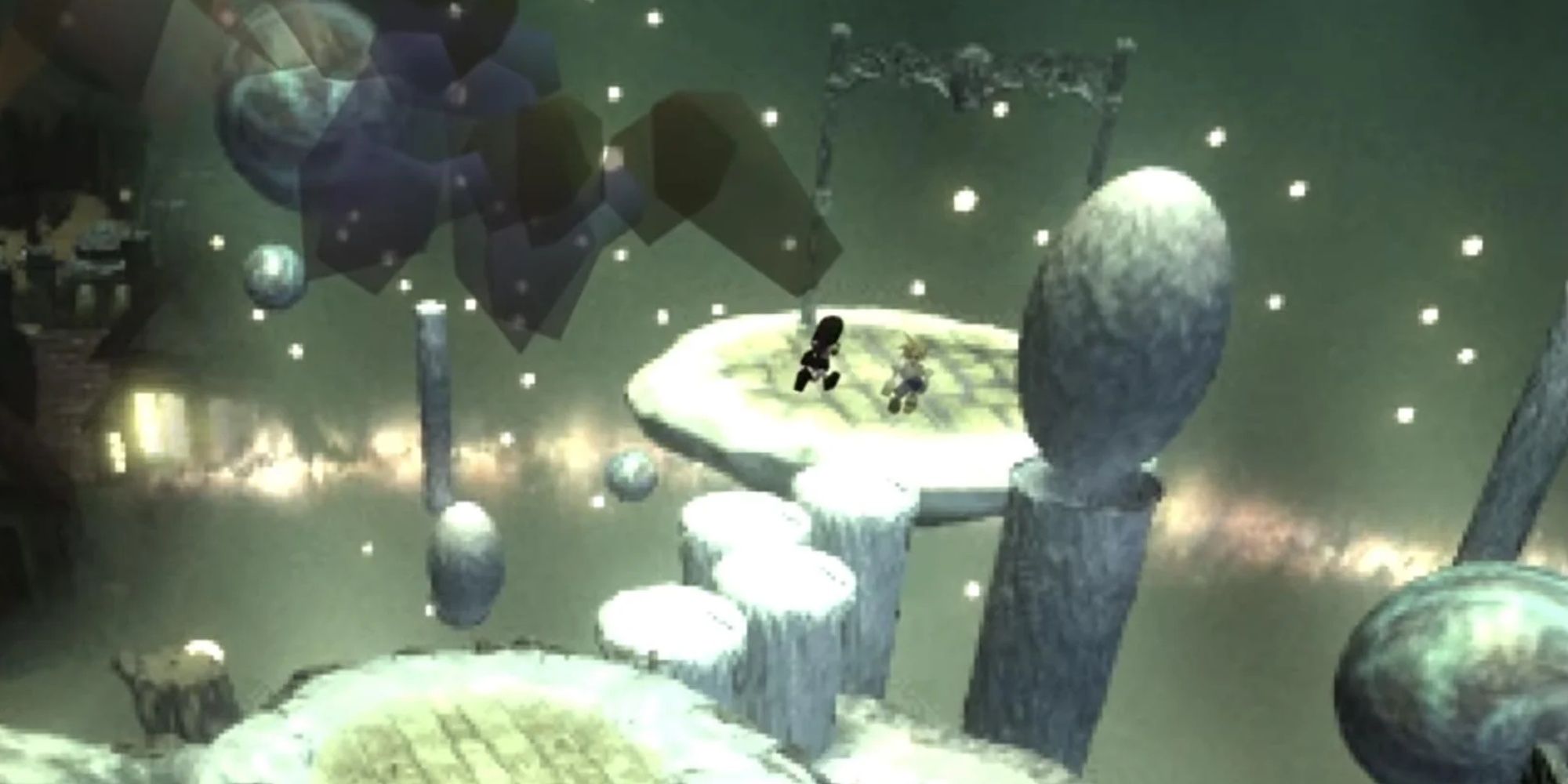
One of the most compelling aspects of Final Fantasy VII is when Cloud starts to doubt his own memories and identity. This resonates with many players because it touches on universal questions about self-discovery – who are we at our core, and can we truly accept ourselves once we understand the answer?
We finally see the main character break down his defenses, revealing a raw and human side as he comes to terms with his imperfections. The game’s environment, filled with copies of himself that symbolize different parts of his mind, amplifies this sense of inner turmoil and confusion.
I remember getting into video games as a kid, and this one was seriously mind-blowing. It was one of those games that made you start thinking about really big questions, and honestly, it’s something I’ve never forgotten. It really stuck with me!
8. Aerith’s Death
A Cinematic Turning Point
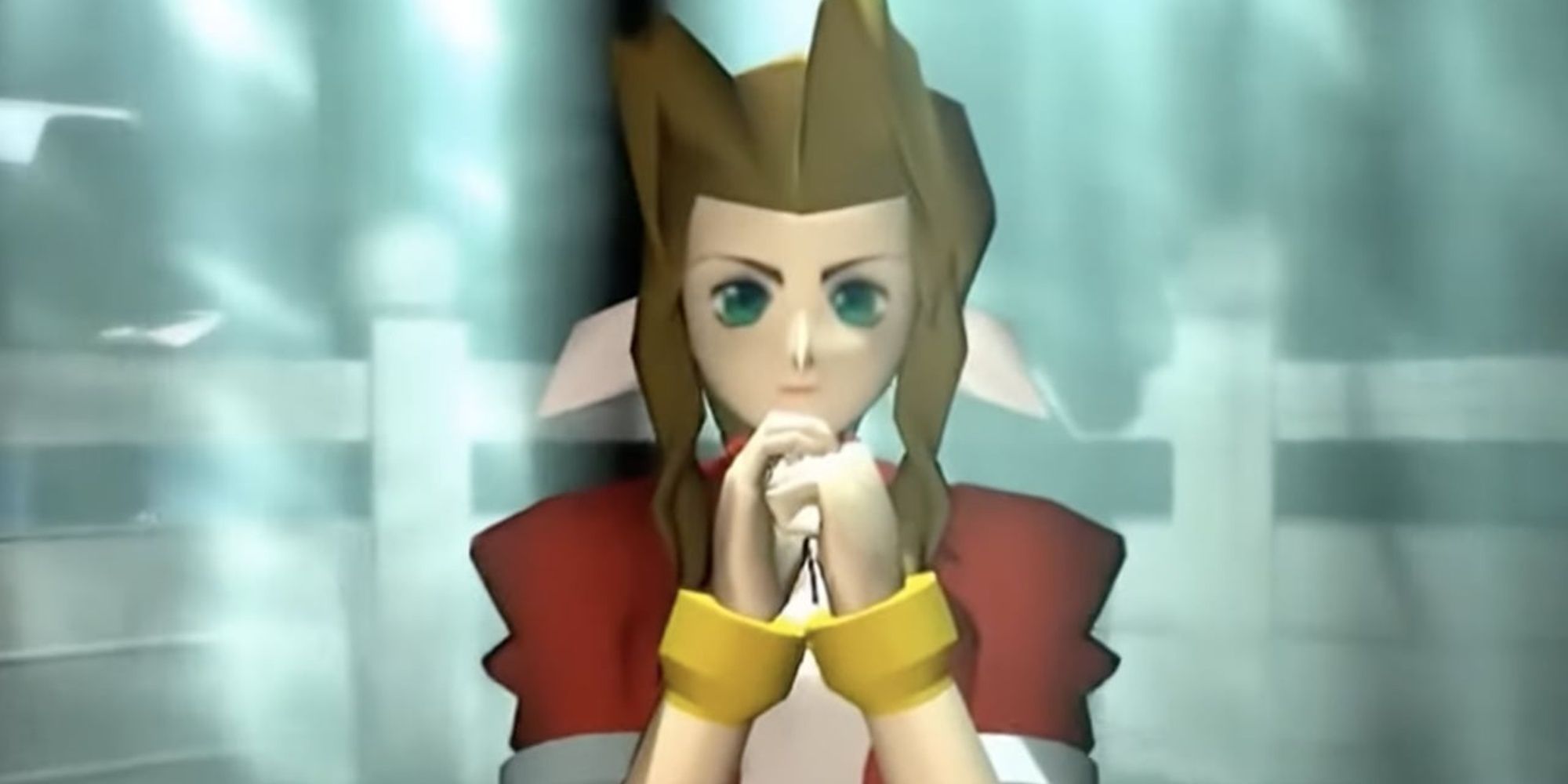
Aerith’s death, which happens during a quieter moment in the story, is a key reason why the world-building in Final Fantasy VII is so effective.
You’ve grown to rely heavily on Aerith, feeling like she’s your only hope against Sephiroth. Then, suddenly, that hope is shattered, and you’re left to rebuild it from nothing.
Honestly, this scene just hits different. It’s a real turning point for gaming, where everything – the camera angles, what each character says – feels deliberate. You don’t really get why it’s so powerful until you finish the whole story in the Northern Cave, but it’s clear they didn’t just want her death to be a shock; they wanted it to be genuinely heartbreaking.
7. Seto’s Backstory
The Truth Behind the “Coward”
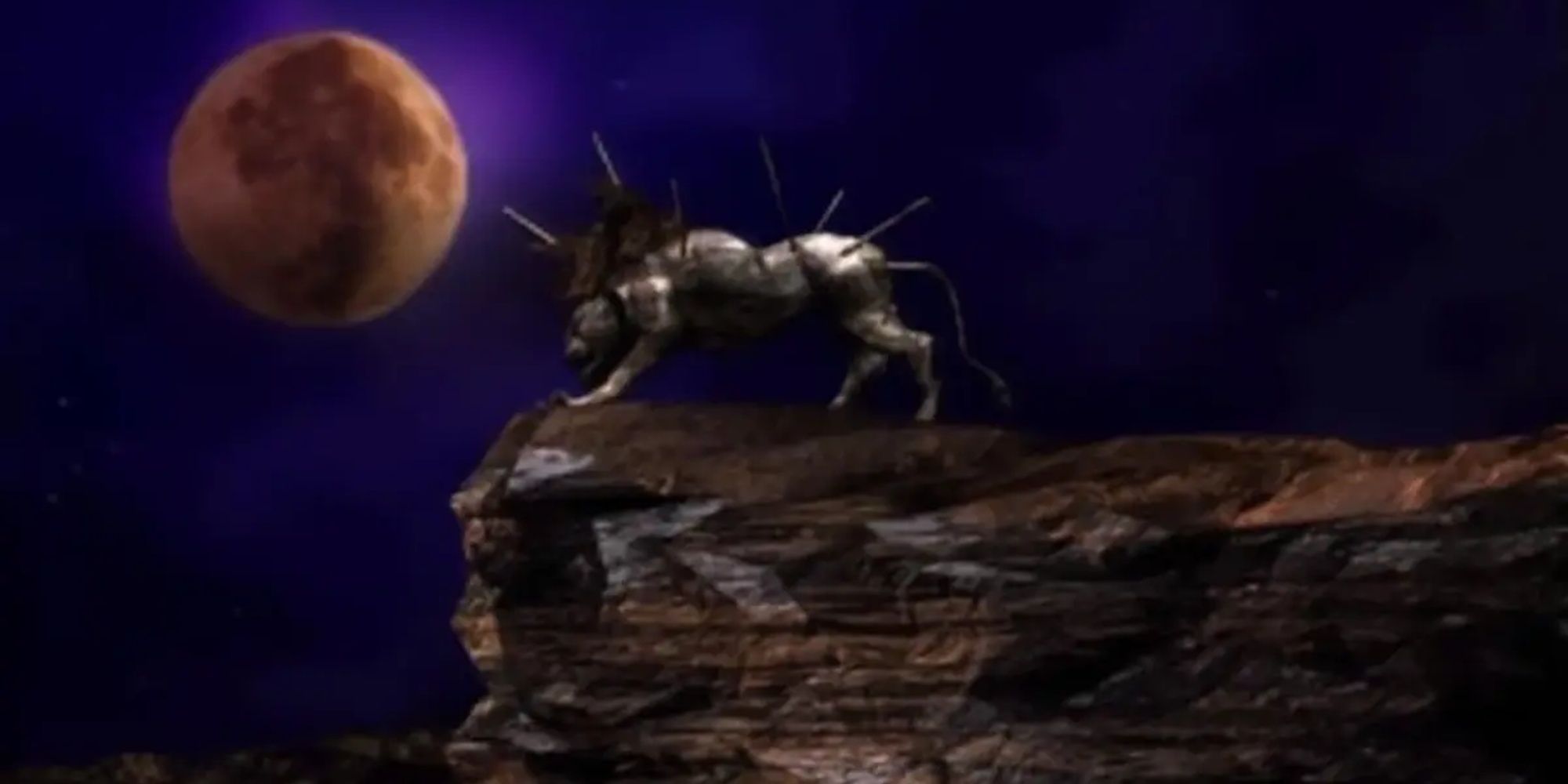
Once you arrive in Cosmo Canyon, the story centers on Red XIII and his family, particularly his relationship with his parents. He fondly remembers his mother, but becomes noticeably quiet when his father, Seto, is mentioned. You later learn that Red XIII deeply resents his father, believing he abandoned his people during a past invasion and acted cowardly.
Eventually, the crew discovered Seto’s body, completely turned to stone, deep within the cave where the invasion began. It turned out he hadn’t left, and had actually died defending his family and his people – thinking about it still gives me chills.
This scene is unforgettable, both because it expands on Red XIII’s backstory and because the image of the stone statue of Seto has become a defining moment in Final Fantasy VII. It’s a powerful reminder that appearances can be deceiving and that we should avoid making hasty judgments, especially about the people we care about.
6. The Facets of Nibelheim
A Masterclass in Storytelling
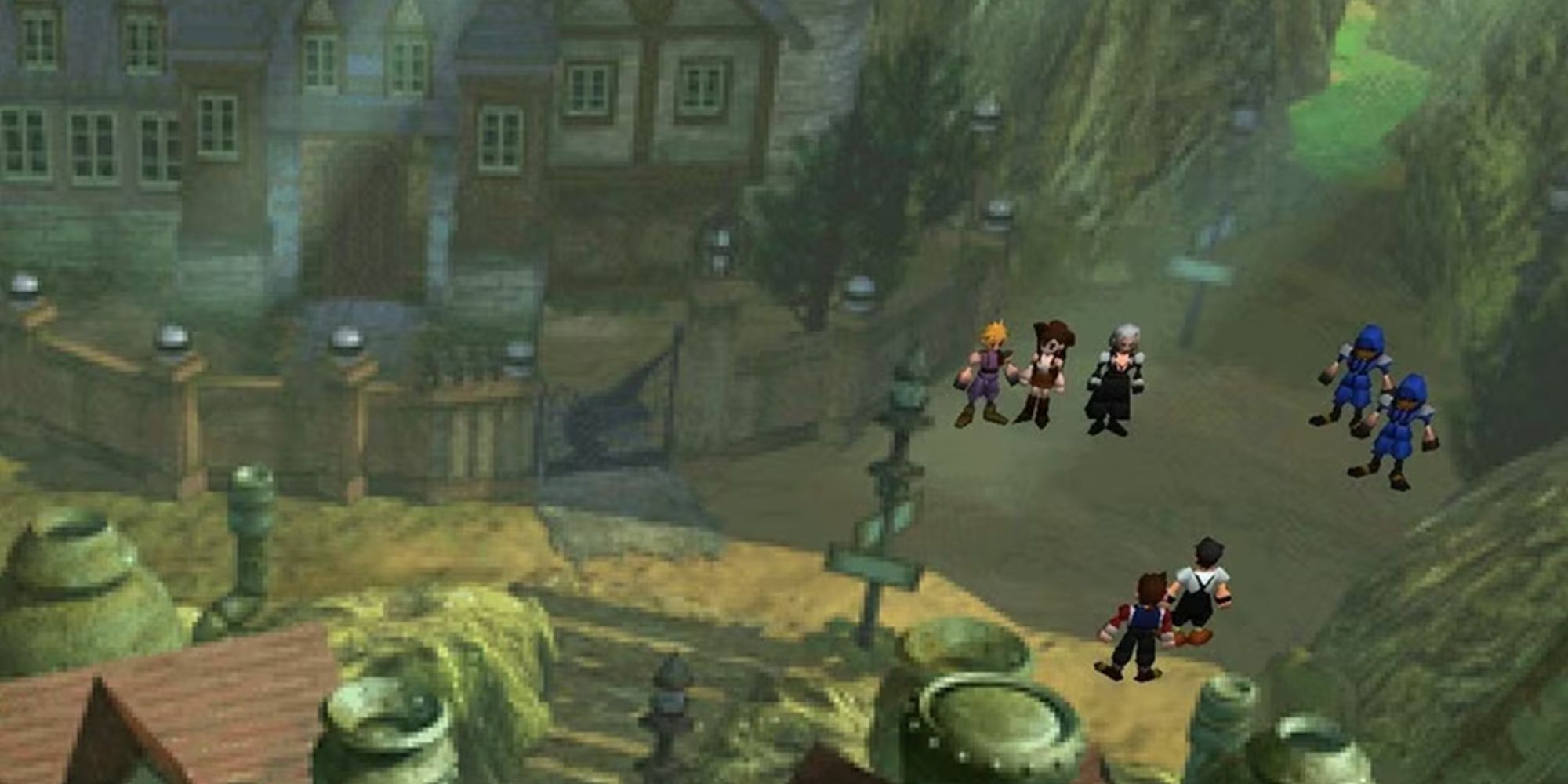
The Nibelheim arc has been revisited in many Final Fantasy VII spin-offs because the original version was so well-written and impactful.
This part of the story is crucial because it’s where Sephiroth begins his descent into villainy, setting the stage for everything he does later in the game. It’s essentially the moment his personality changes and he becomes the main enemy.
The story also cleverly conceals a secret about Cloud. We eventually learn the memories aren’t actually of him, and that he wasn’t a SOLDIER at all – those were the experiences of Zack Fair, a genuine hero who sadly never got the recognition he deserved. This revelation had a profound impact on fans, including myself, and continues to fuel discussions and fond memories of Nibelheim to this day.
5. Discovering Vincent
The Legend in the Coffin
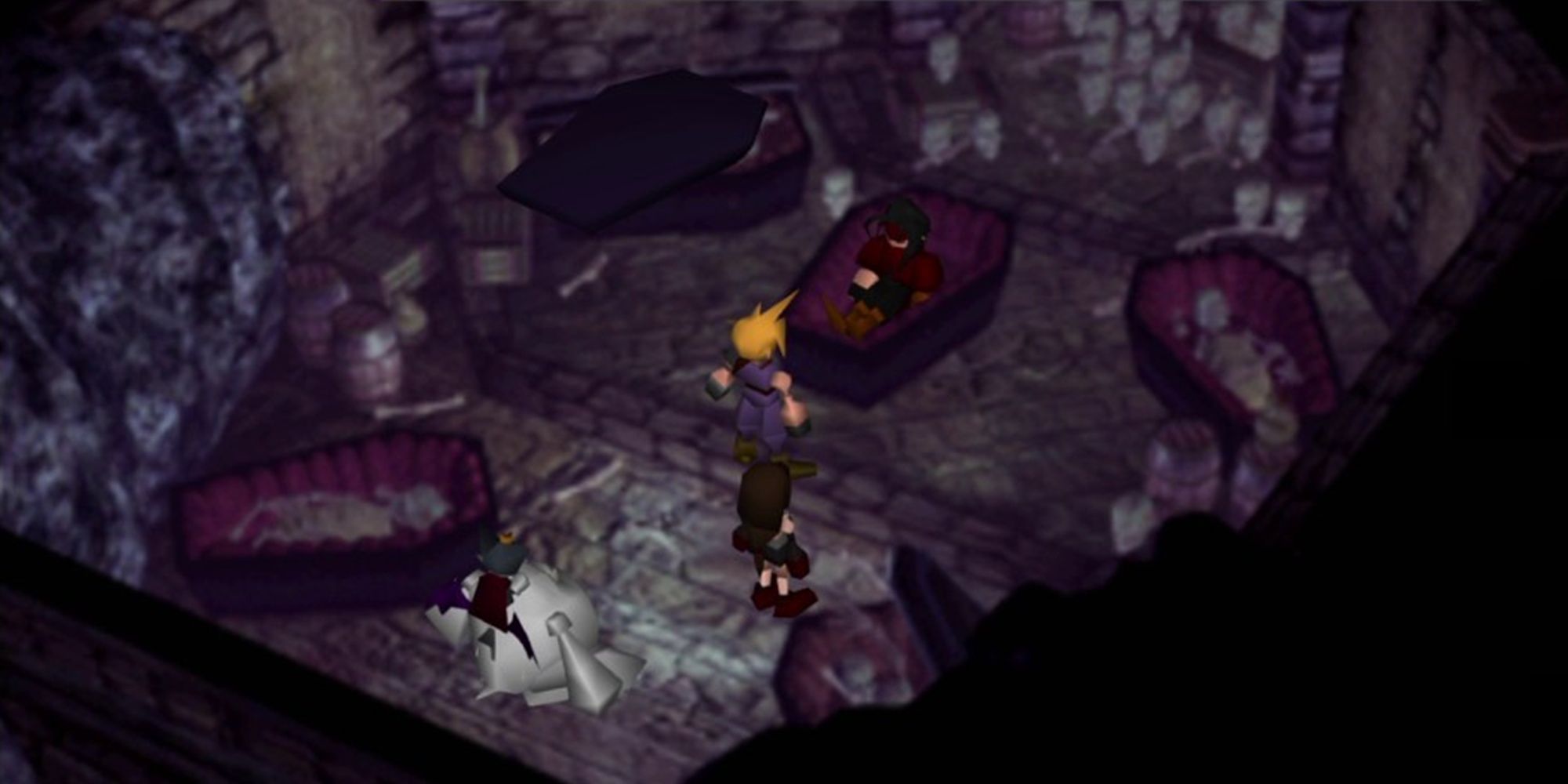
You know, thinking about Nibelheim, there’s this little detail that really stuck with me. Final Fantasy VII is just amazing at introducing awesome characters and then giving us more of their story in spin-off games, and this moment is a perfect example of that.
I absolutely had to include the scene where we find Vincent asleep in a coffin, hidden behind a locked door in the basement of the Shinra Mansion. It’s such a memorable and unique moment! The fact that you need to solve a safe-cracking puzzle within the mansion just makes the whole thing even more mysterious.
All the hard work put into developing Vincent, combined with his striking appearance, makes finding him in the game incredibly rewarding. It’s easy to see why he became such a popular character and reappeared in later games, including the often-overlooked Dirge of Cerberus: Final Fantasy VII (and I’m happy to say, I still enjoy it!).
4. Bugenhagen’s Lecture on Life
The Science of the Lifestream
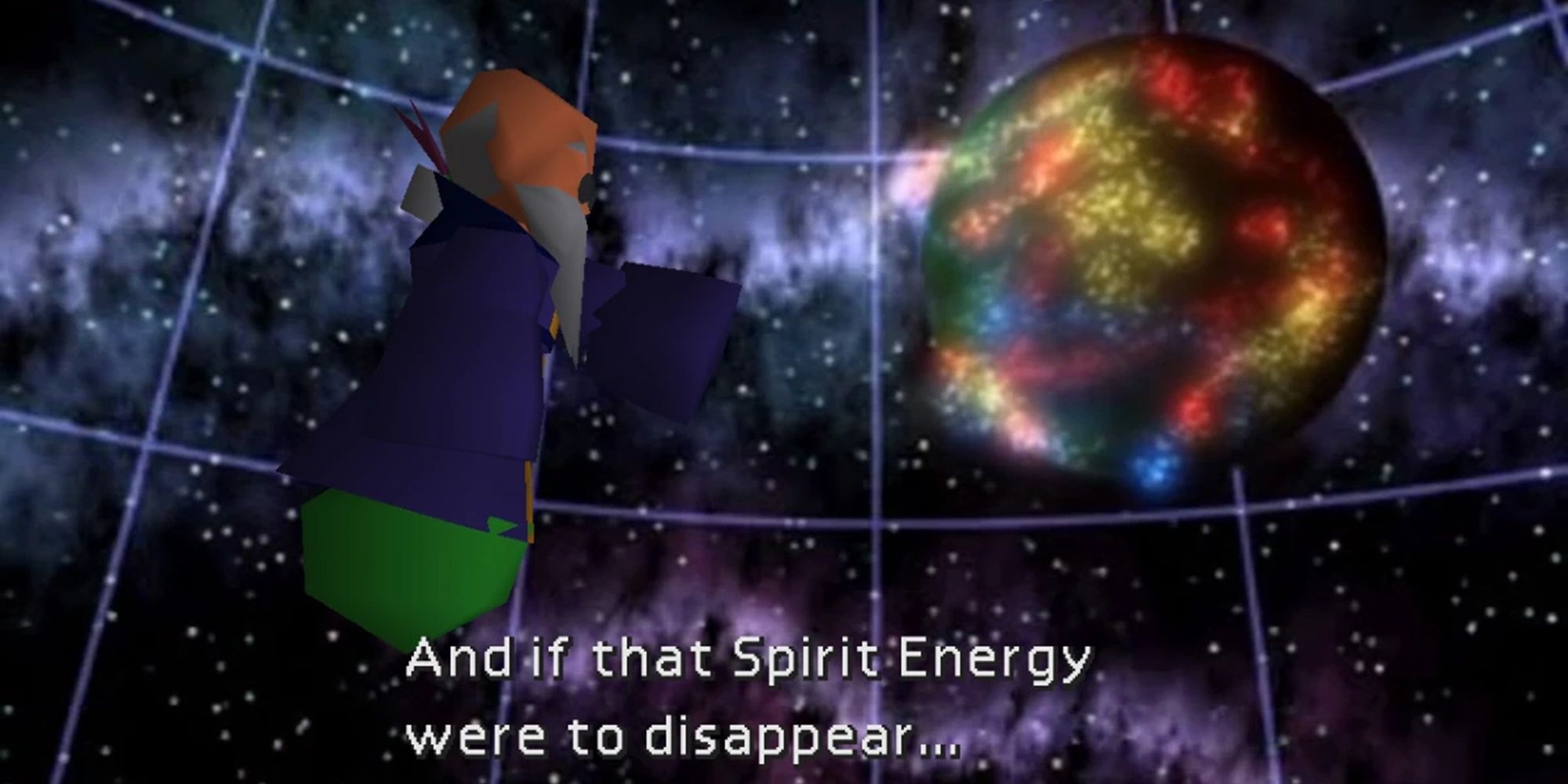
If you enjoy thinking about big questions like the meaning of life, you probably found Bugenhagen’s speech in Final Fantasy VII’s Cosmo Canyon really moving. He describes how life and death work in the game through the concept of the Lifestream, and it’s fascinating because his explanation actually has a basis in real science!
This idea relates to the well-known Law of Conservation of Mass-Energy, which simply means that matter isn’t created or destroyed, it just changes form. When something breaks down, that energy doesn’t disappear – it goes somewhere else. For example, if a body decomposes, the energy transfers to organisms like bacteria and insects, then into the soil, and eventually helps plants grow. Alternatively, some believe this energy moves on to an afterlife or spiritual realm, depending on their faith.
In Final Fantasy VII, everything ultimately returns to the Lifestream. This connection to a natural cycle makes the game’s world feel surprisingly realistic, even with all its fantastical creatures and magic. And the way this idea is explained happens in a beautiful location that I still remember fondly.
3. Revving the Motorcycle
Gotta Go Fast, Cloud!
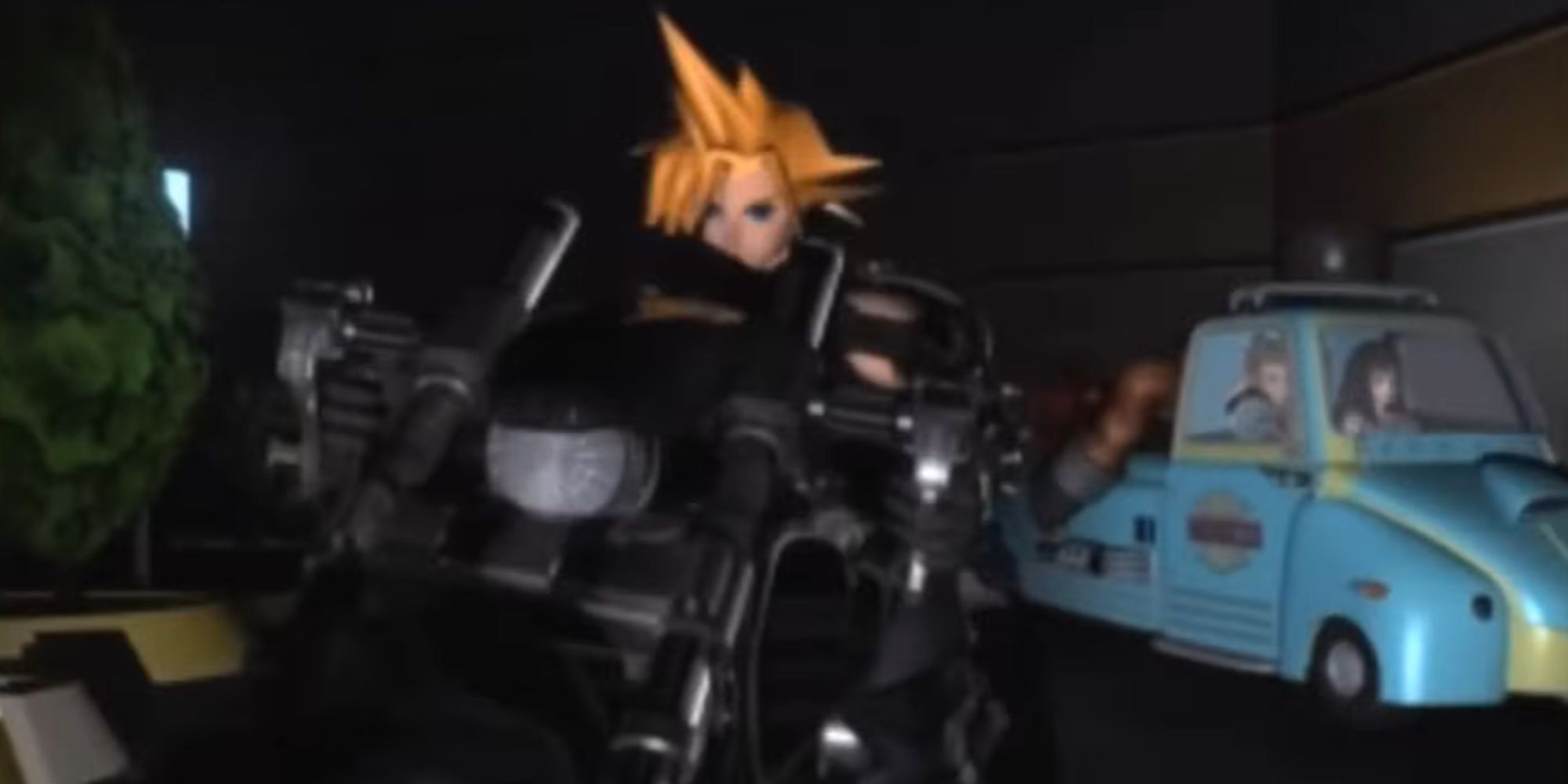
I mentioned earlier that Final Fantasy VII helped create the idea of dramatic, 3D scenes in games. The moment that really blew players away when it first came out was the thrilling motorcycle chase.
Subscribe to our newsletter for FFVII moments & more
Not only did this scene solidify Cloud’s reputation as a cool hero, but it also featured an incredibly exciting action sequence—something rarely found in role-playing games from that time. It was a burst of energy that players really enjoyed!
It’s easy to see why this chase scene became legendary in gaming. It’s a defining moment for Final Fantasy VII, and helped establish the game as a landmark achievement, not only for role-playing games, but for the video game industry as a whole.
2. Gold Saucer’s Introduction
An Amusement Park Pause
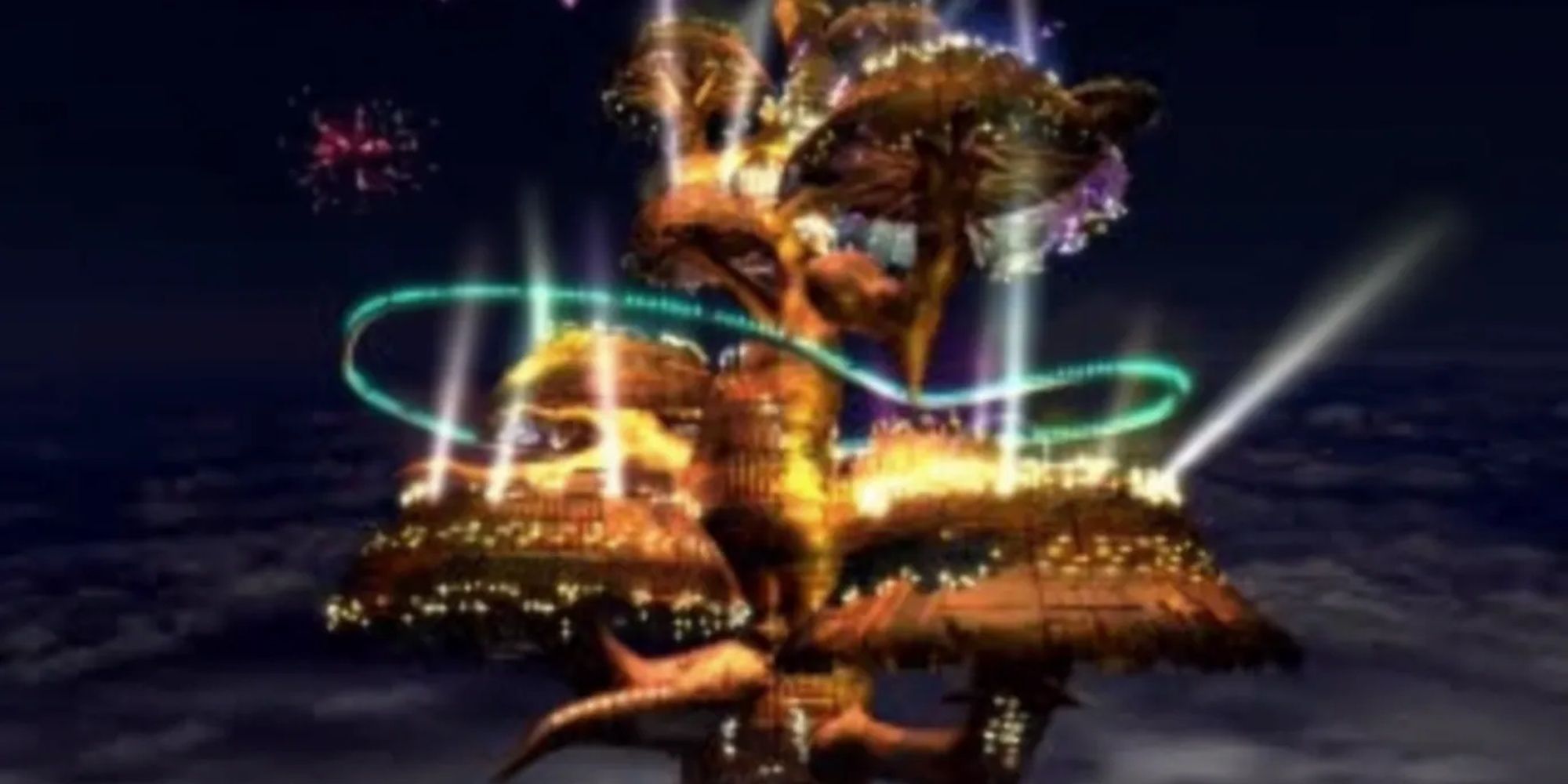
Seriously, a whole elaborate scene set within a huge amusement park, all while the bad guy is trying to destroy the world and steal its energy to become a god? It seems a bit much.
It’s easy to picture the writers brainstorming and Tetsuya Nomura just giving the idea a thumbs-up. The outcome is a great illustration of how a game can be both fun and serious, balancing lighthearted moments with a strong, dramatic story!
The Gold Saucer makes a stunning first impression, captivating both the characters in the game and the player. It’s easy to get caught up in the energy of the place, with its bright lights and incredible fireworks display creating a truly magical atmosphere. It’s a location you really wish existed in real life.
1. The Ending
A Melancholic Victory
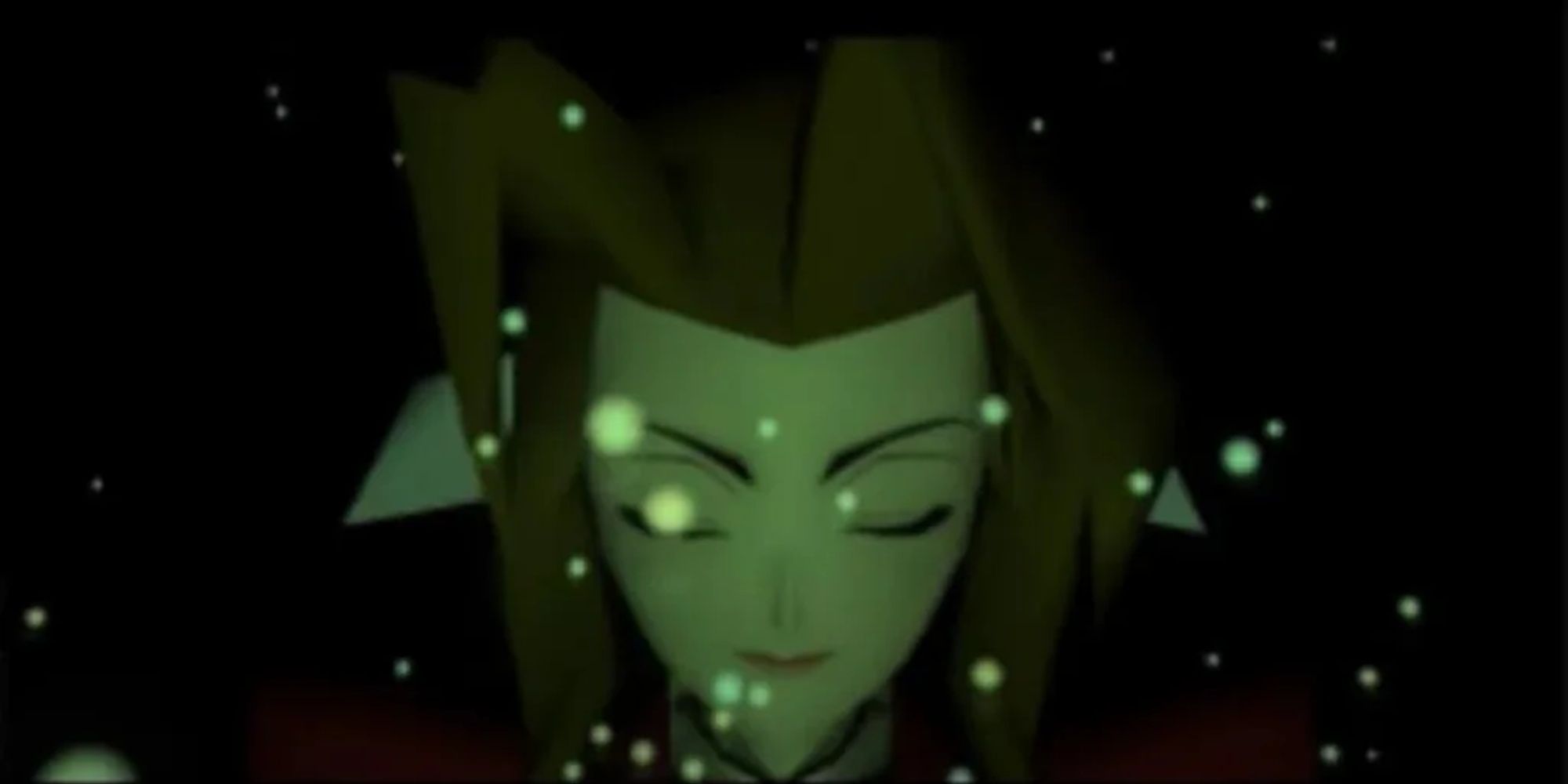
The ending was a bit controversial when it first came out, mainly because it didn’t wrap things up neatly for most of the characters. The only real exception was Red XIII, who had a hopeful scene after the credits showing him running with his cubs 500 years later.
Over time, this ending has become one of the most memorable in video game history. Maybe it’s because it didn’t explain everything, but it delivered a powerful message: Aerith’s death meant something, Sephiroth’s selfishness led to his defeat, and the Planet itself chose to survive.
The ending of that story has stayed with me for a long time because it evokes a lot of different, complicated feelings. It’s joyful to see the planet restored to life, but it’s clear the journey was incredibly difficult and came with significant losses. Ultimately, it’s comforting to know that Cloud and his friends were finally able to find peace and live out their lives happily.
Read More
- Off Campus Season 1 Soundtrack Guide
- X-Men ’97 Finally Gave Gambit the Hero Moment He Deserved
- Chainsaw Man Volume 24’s Cover Art Reveals a Brand-New Denji
- 46 Years Later, The Mandalorian & Grogu Answers A Major Empire Strikes Back Question
- 10 Worst End-Game Couples In Sitcom History
- HoI4 fans harsh reactions to the announcement of another DLC pack
- DoorDash responds after customer uses AI to make food look bad and get a refund
- Gold Rate Forecast
- Emily Henry Says to ‘Trust the Vision’ For Beach Read Adaptation
- Katanire’s Yae Miko Cosplay: Genshin Impact Masterpiece
2026-03-28 15:41