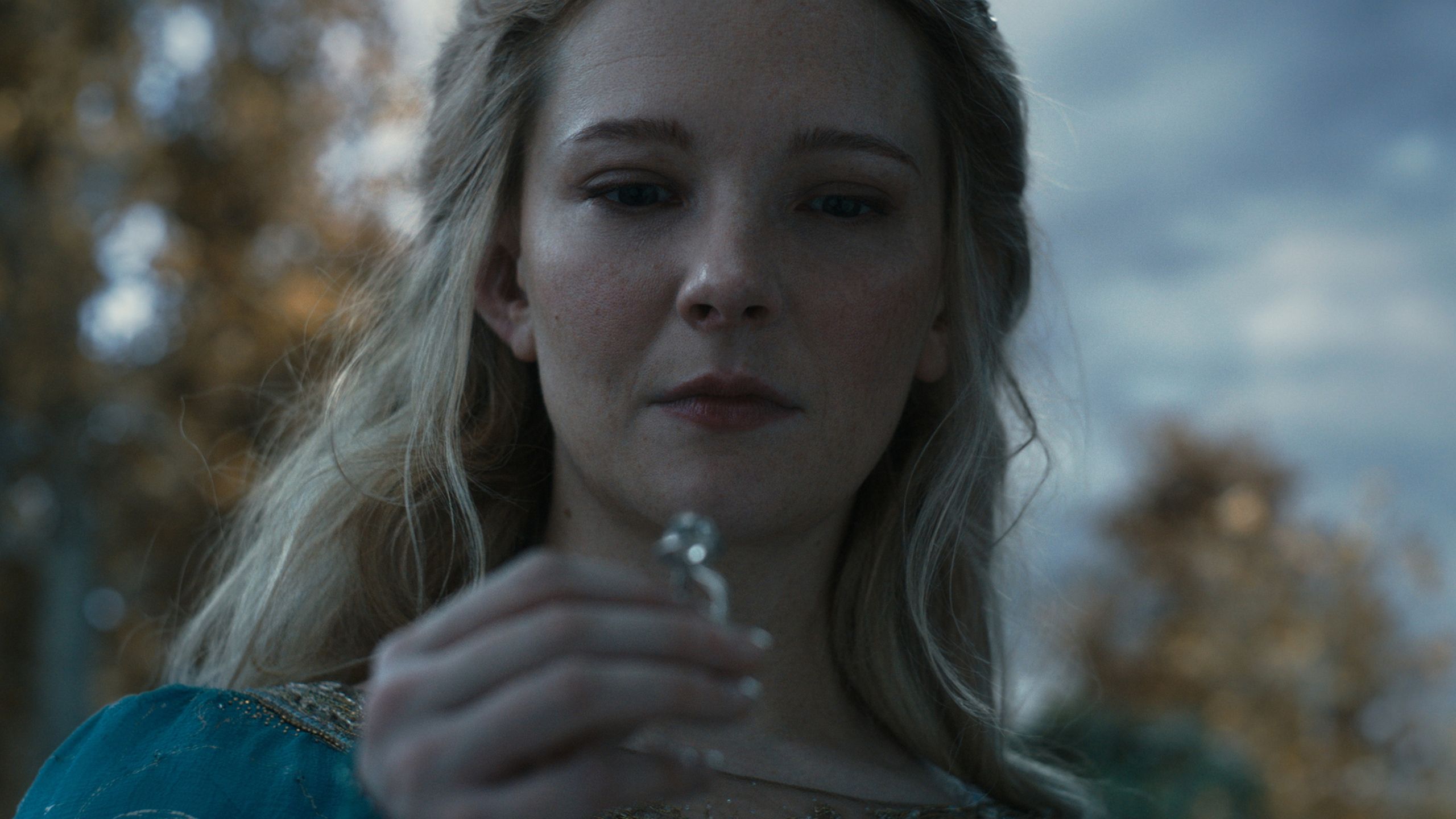
Brandon Sanderson has shared his criticisms of the TV show The Lord of the Rings: The Rings of Power, and pointed out a common problem with adapting fantasy books to live-action. The Prime Video series, which first aired in 2022, has generated a lot of conversation, and fans are eagerly awaiting season 3, potentially arriving in 2026.
The show focuses on the forging of the Rings of Power, taking place thousands of years before the events in J.R.R. Tolkien’s Lord of the Rings. While many viewers are enjoying this new interpretation of Middle-earth, it’s also proven quite controversial. Some fans of Tolkien’s books are unhappy with changes made to the source material, and others have criticized the show’s decision to include a more diverse cast.
Many viewers feel that The Rings of Power, despite its massive budget as the most expensive TV show ever made, doesn’t move the story forward quickly enough. Like most recent adaptations of well-known stories, The Lord of the Rings: The Rings of Power has sparked debate. Award-winning fantasy author Brandon Sanderson was among those with a lukewarm reaction to the series.
Soon after the first season of The Rings of Power came out, Brandon Sanderson shared his thoughts on what didn’t quite work for him, even though he generally liked the show. His feedback highlighted a common problem with The Rings of Power and many other live-action fantasy series.
Brandon Sanderson Made A Valid Point About The Rings Of Power

In a discussion on his YouTube podcast, Intentionally Blank, author Brandon Sanderson explained his issues with The Rings of Power. He felt the show relied too much on a dark and gritty style (“grimdark”), portrayed military strategies unrealistically, and made questionable choices in developing its main characters. He specifically pointed to the Harfoot storyline as an example of the “grimdark” problem.
The Harfoots are an early ancestor group of the Hobbits, and the show depicts them as a people who traveled and lived nomadically. They also have a connection to a wizard who eventually becomes known as Gandalf in The Rings of Power. Author Brandon Sanderson has criticized a recurring theme in the show: the Harfoots’ habit of abandoning those who fall behind or get lost, leaving them to perish.
Nori, a main Harfoot character, and her family nearly face disaster, but Gandalf intervenes and allows them to continue their journey. Later, Nori risks everything to rescue Gandalf from Sauron’s followers, and many Harfoots, realizing Gandalf is a force for good, volunteer to assist her.
Brandon Sanderson disliked how the show portrayed Hobbits, traditionally a peaceful people in The Lord of the Rings. He felt the Harfoots’ behavior – abandoning others and only offering help to those who could reciprocate – didn’t fit with the established character of halflings, arguing that they don’t need to be morally ambiguous. As he put it, “We don’t need grimdark Hobbits. We really do not need grimdark Hobbits.”
Brandon Sanderson offered criticism regarding how the show portrayed military tactics. He pointed out several illogical moments, like villagers abandoning a secure fort to fight orcs on open ground, and a cavalry charge by Númenórean soldiers. He found the charge particularly unrealistic, explaining that horses carrying heavily armored soldiers would likely be exhausted long before reaching the battlefield after traveling from the sea.
Sanderson also pointed out that the show was often dark and violent, and he felt Sauron and Adar’s schemes, particularly the eruption of Mount Doom, were over-the-top. While not everyone will agree, his criticisms are generally reasonable and well-supported. Ultimately, he presents a convincing argument.
Sanderson’s Criticism Applies More Broadly To Live-Action Fantasy Adaptations
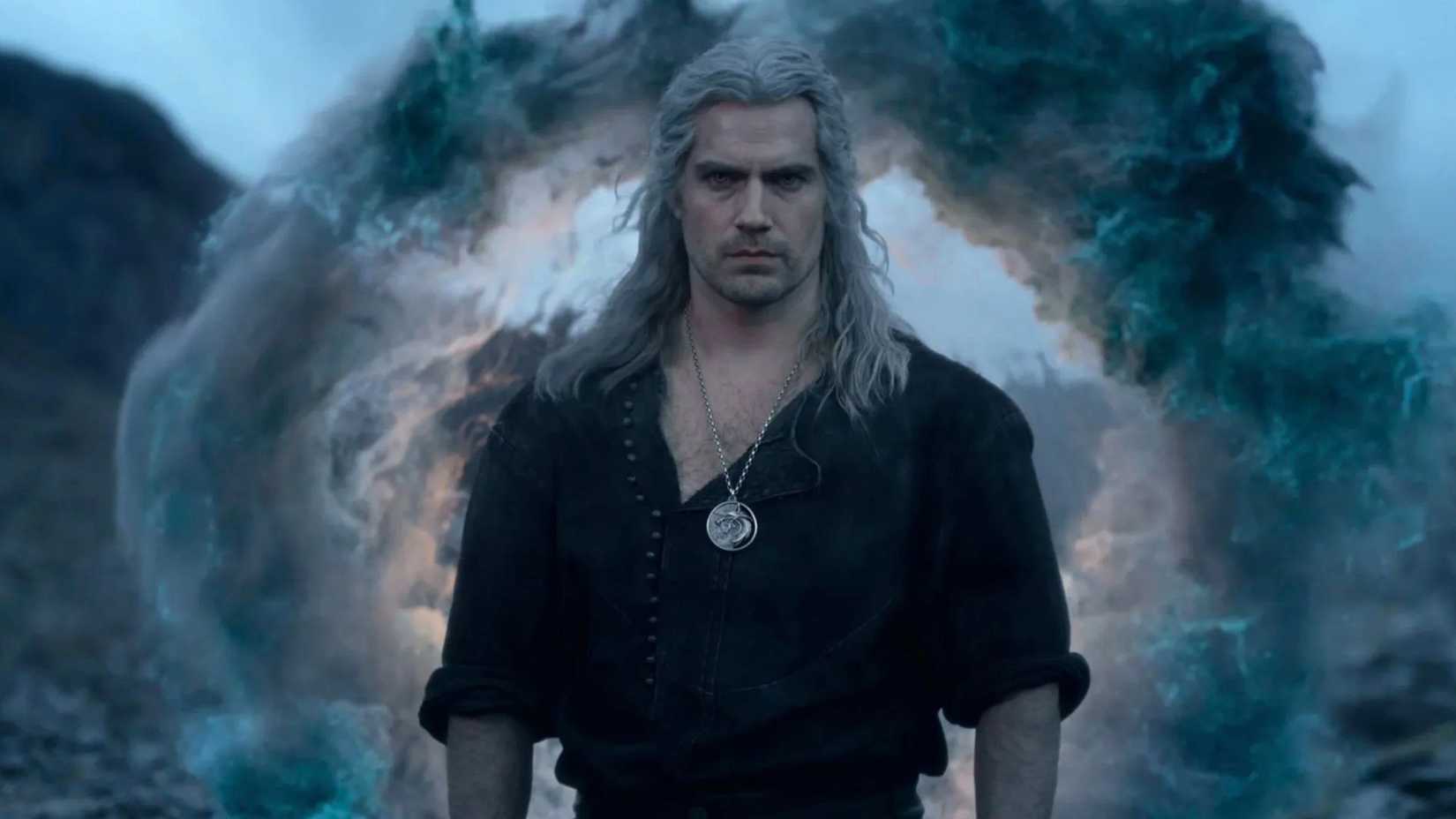
What’s really interesting about these observations is that they also apply to other fantasy shows like The Witcher, Game of Thrones, House of the Dragon, and The Wheel of Time. These shows share many of the same issues that Brandon Sanderson points out with The Rings of Power.
When people criticize these shows as being “grimdark,” it’s fair to say none of them really offer a lot of lightheartedness. They all, even more so than The Rings of Power, emphasize the bleakness of their settings, focusing on harsh political realities or catastrophic dangers. They don’t include much of the humor found in the original stories.
Although these shows are all funny in their own ways, none of them really center around the strange, delightful, or imaginative parts of fantasy.
Regarding Brandon Sanderson’s points about battle tactics, these shows aren’t perfect either. Sanderson specifically criticized the cavalry charge in Game of Thrones season 8, episode 3, saying it wasn’t a good example compared to the one in The Rings of Power. He noted that the later seasons of Game of Thrones prioritized visually impressive battles over believable military strategy.
Both House of the Dragon and The Witcher have faced criticism for their fight choreography getting worse over time. Brandon Sanderson’s comments about confusing storylines also ring true for Game of Thrones, especially in its last two seasons.
Brandon Sanderson has been open about his feelings regarding the television adaptation of The Wheel of Time, a series he completed after its original author died. He’s expressed disappointment that his notes and suggestions weren’t used during the adaptation process.
Recently, fantasy adaptations have been trending towards darker, more violent, and realistic styles—often called “grimdark.” This push for gritty realism can sometimes cause problems, and a new fantasy series from HBO is already facing criticism for it. The first trailer for HBO’s Harry Potter series, released in March 2026, showed noticeable changes from both the original books and the 2001 films.
The Harry Potter movies became significantly more mature and serious as the series went on. The bright and colorful look of the first film gave way to a darker, more dramatic style, emphasizing the grand scale of the Harry Potter universe. This shift mirrored the books, as both the films and the characters grew up alongside their audience.
Many fans consider Harry Potter and the Prisoner of Azkaban a turning point in the film series, marking a shift from the lighter, more magical tone of the first two movies. However, the new HBO Harry Potter series appears to be moving away from that earlier style. With its darker look and emphasis on the mistreatment of the Dursleys in the trailer, the upcoming adaptation seems to be repeating a criticism Brandon Sanderson made about The Rings of Power.
What The Rings Of Power Season 3 Needs To Do Differently
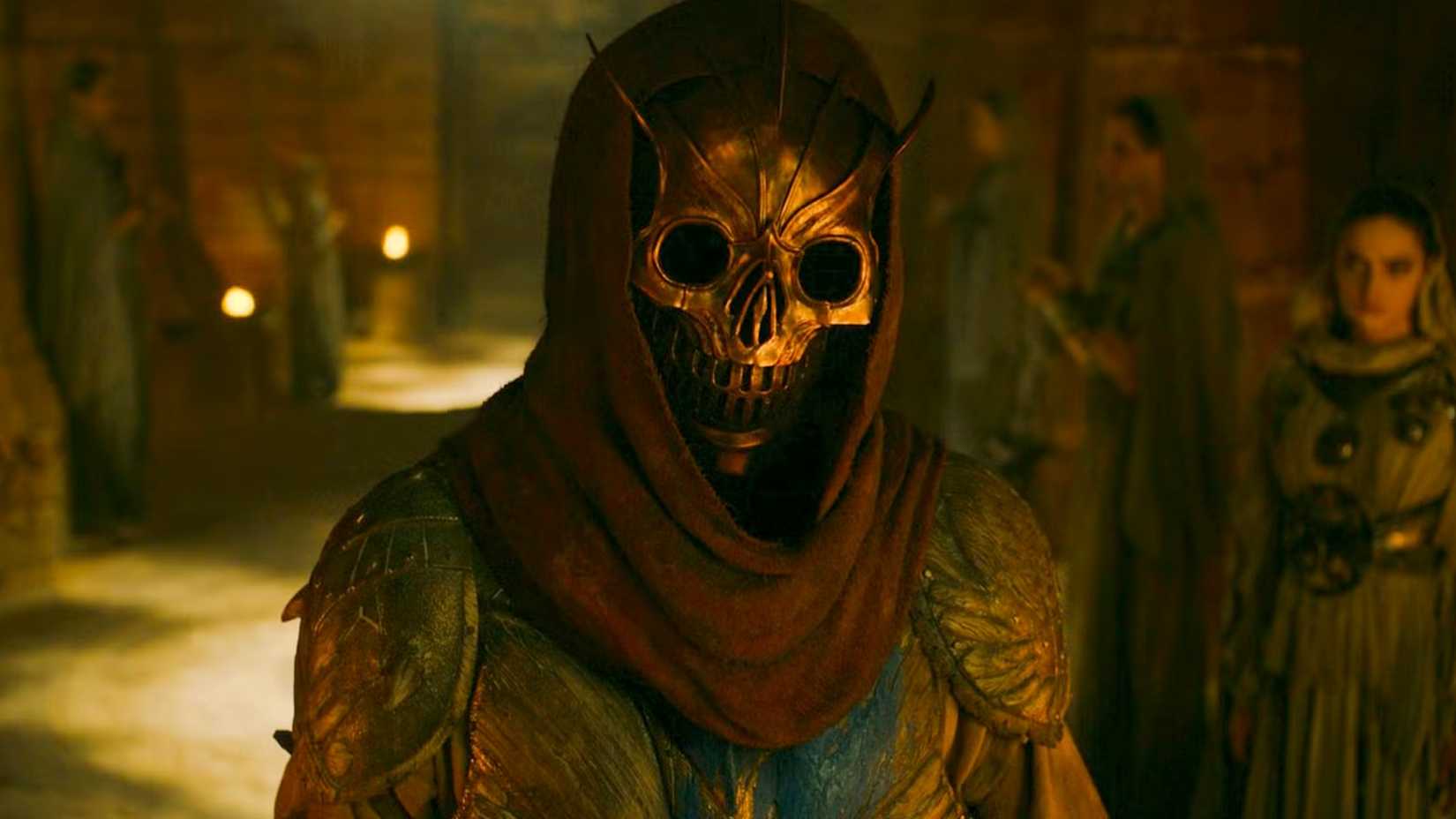
This brings up the question of how season 3 of The Rings of Power can improve and address past criticisms. One straightforward solution would be to follow the approach of season 2. Specifically, season 2 streamlined the storyline involving the Harfoots, focusing on just Nori, Poppy, and Gandalf – a combination that even Brandon Sanderson, the author, felt was strongest in the first season.
The show’s larger scope also helped bring the military aspects of Middle-earth to life. Season 3 of The Rings of Power will focus on the war between the Elves and Sauron, and if it continues to combine realistic warfare with the fantastical elements of The Lord of the Rings, a major criticism of the show could be addressed.
While The Rings of Power is good, it could benefit from showing more of the magical and wondrous side of Middle-earth. Season 2 started to do this with things like the story of Shelob and the appearances of Ents and giant eagles, and fans would love to see even more. This would help the show feel more like a grand fantasy and less focused on darkness and grit.
It’s Not Just The Rings Of Power – Fantasy TV As A Whole Needs To Learn 1 Key Lesson
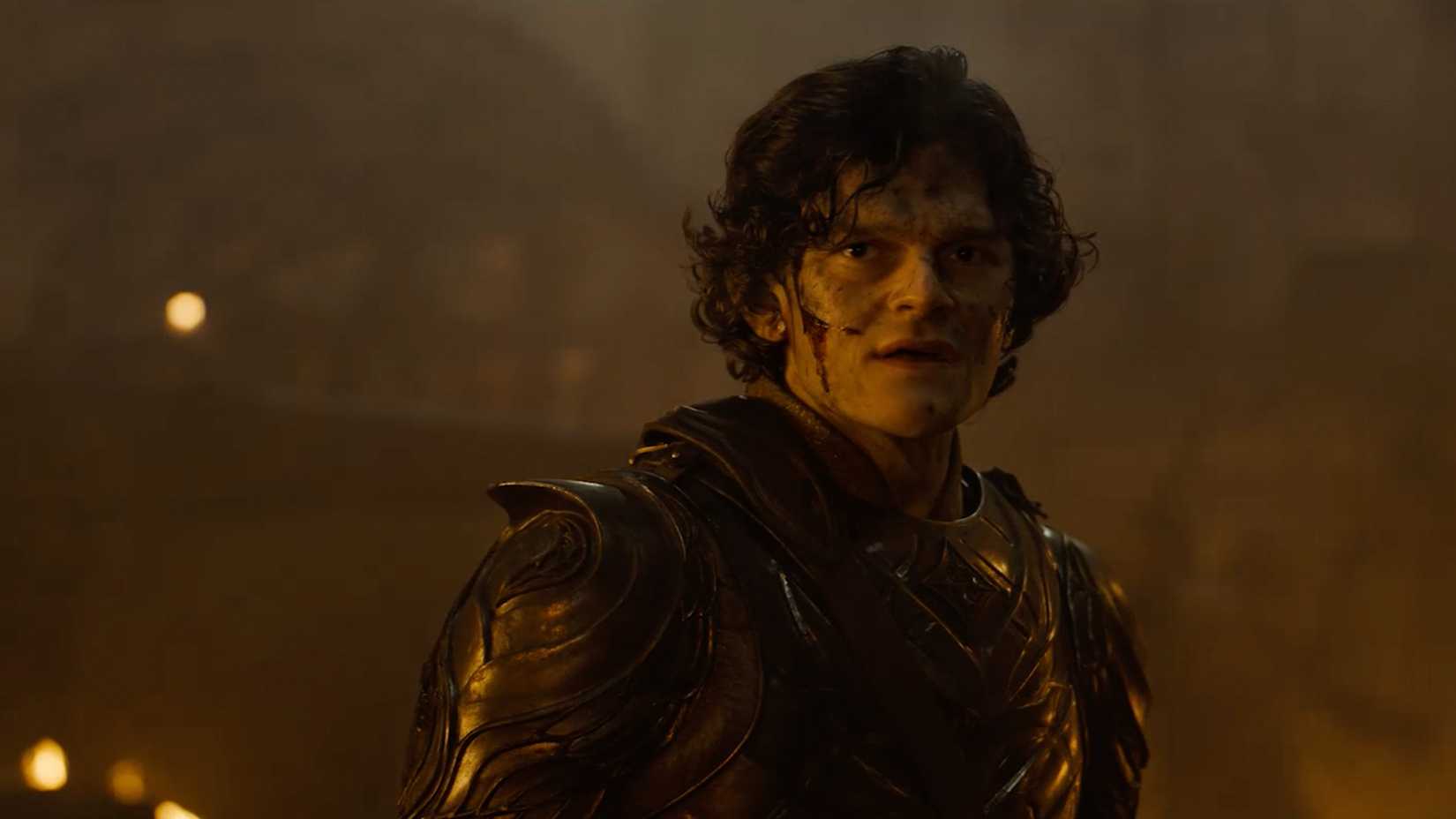
These issues with various fantasy TV shows all point to one important lesson the genre needs to learn. While several problems connect these shows, they all share a common thread: a heavy emphasis on dark and gritty storytelling. Shows like The Witcher, Game of Thrones, House of the Dragon, The Wheel of Time, and the new Harry Potter series, as well as The Rings of Power, all prioritize darkness.
Recent animated fantasy shows, like Prime Video’s The Legend of Vox Machina and The Mighty Nein, have shown that stories don’t need to be overly dark to be good – they successfully combine funny and serious elements. Similarly, the live-action Percy Jackson and the Olympians has been praised for capturing the more lighthearted feel of the first books in the series, offering a refreshing take on the fantasy genre.
Fantasy shows don’t have to choose between being dark and being lighthearted. They can successfully blend serious, even somber, moments with the playful wonder that defines the genre. This isn’t just a TV problem – the previous DC superhero movies struggled because they focused too much on being gritty and realistic, losing sight of the fun.
The 2025 Superman film was celebrated for its consistently hopeful and optimistic tone, and it seems audiences are now looking for that same feeling in fantasy shows. They want more hope, wonder, and enjoyment. This doesn’t mean stories need to be simplified – just that a good balance between serious themes and uplifting moments is important.
While still developing, The Rings of Power offers a valuable lesson for other fantasy shows. If they prioritize improvement and address feedback, they might avoid the harsh criticism and strong divisions that have plagued recent fantasy TV series.
Read More
- Off Campus Season 1 Soundtrack Guide
- X-Men ’97 Finally Gave Gambit the Hero Moment He Deserved
- Chainsaw Man Volume 24’s Cover Art Reveals a Brand-New Denji
- 46 Years Later, The Mandalorian & Grogu Answers A Major Empire Strikes Back Question
- HoI4 fans harsh reactions to the announcement of another DLC pack
- 10 Worst End-Game Couples In Sitcom History
- DoorDash responds after customer uses AI to make food look bad and get a refund
- Gold Rate Forecast
- Emily Henry Says to ‘Trust the Vision’ For Beach Read Adaptation
- Katanire’s Yae Miko Cosplay: Genshin Impact Masterpiece
2026-03-27 23:02