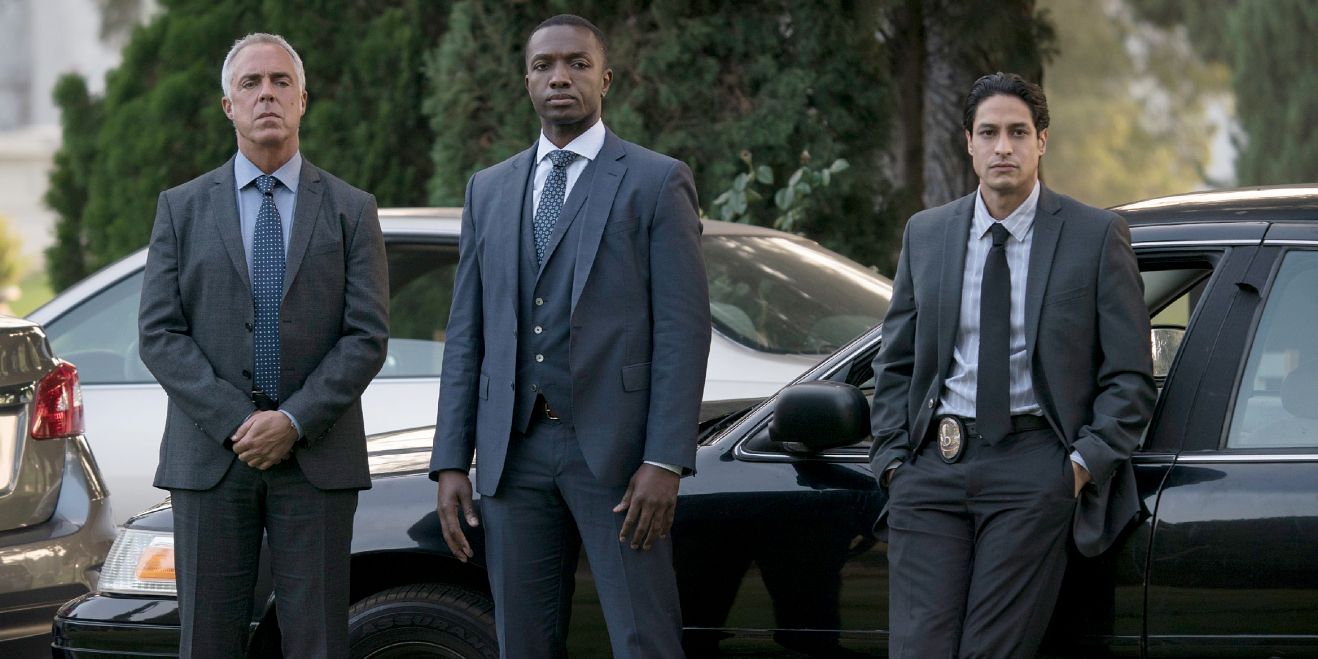
Debuting in 2014 on Prime Video and lasting for seven highly-praised seasons, this show quickly became known for its realistic and character-focused approach to police stories. Unlike many crime dramas, it avoided sensationalism and quick resolutions, instead prioritizing a believable depiction of police work with complex characters and a slow, methodical pace.
Inspired by Michael Connelly’s popular novels, Bosch first introduced audiences to LAPD detective Harry Bosch (Titus Welliver) and his challenging world of police work, political intrigue, and personal demons. Looking back over the past decade, it’s obvious the show wasn’t just a successful detective series—it also changed how procedural dramas are made for streaming services.
Bosch Perfected the Procedural Formula
Initially, Bosch appeared to be another typical police drama. However, it quickly became clear that the show was different. Unlike most crime shows that focus on a single case each week, Bosch told longer, more complex stories. Each season explored multiple investigations and developed its characters over time, giving it a feel similar to a novel. This approach created detailed and realistic mysteries that weren’t easily solved, allowing viewers to become fully invested in the investigations.
The show’s success came from its skillful blend of police procedure and compelling characters. Each season delivered exciting cases – from murders and cold cases to political intrigue – but always focused on the detective himself. Titus Welliver played the role with a subtle power, creating a detective who was both determined and deeply human. Bosch wasn’t an idealized hero; he was a complex, flawed man haunted by past trauma and dedicated to finding justice. This realistic portrayal made him stand out from the often-exaggerated characters found in other police shows.
The series was notable for how realistic it felt. It truly captured the essence of the city, showing everything from the glamorous Hollywood Hills to its rougher, more rundown areas. The city wasn’t just a setting; it felt like a living, breathing character. This commitment to detail also applied to how the show portrayed police procedures and work.
Instead of focusing on dramatic gunfights or high-tech crime scene investigations, the show Bosch highlighted the realistic, and often slow, process of police work. The series showed detectives carefully reviewing paperwork, following up on dead-end clues, and dealing with the internal challenges of the Los Angeles Police Department. This commitment to realism made the moments when cases were finally solved feel especially satisfying.
Beyond its compelling mysteries, Bosch stood out for its insightful look at society. The show didn’t avoid tough issues, tackling problems like police corruption, unfair systems, and how politics affects justice. It also realistically portrayed the emotional impact of police work on the people involved. These important themes gave the series depth and made it more than just a thrilling crime drama – it offered a thoughtful reflection of the world we live in.
Beyond its compelling characters, Bosch excelled in how it unfolded its stories. The writers skillfully juggled several plotlines without confusing the audience, steadily increasing the suspense and delivering payoffs that felt earned. The show’s twists weren’t forced or random; they felt natural, stemming from details carefully planted throughout the series. This careful construction gave Bosch a lasting appeal – it played out more like a long, intricate detective novel than a typical TV show.
The show succeeded by creating a realistic and immersive world, filled with well-developed characters and intricate plots that offered insightful observations about life. It focused on honest storytelling and genuine portrayals, rather than relying on sensationalism or contrived drama.
Bosch Practically Shaped Modern Procedurals and Crime Dramas
When Bosch first aired in 2014, many crime shows were already on television. However, the series quickly stood out, and its impact has become increasingly clear over time. In the age of streaming and binge-watching, Bosch showed how to move beyond typical self-contained episodes and instead focus on longer, more complex stories centered around its characters.
Numerous detective series that came after Bosch were heavily influenced by it. Shows like Mare of Easttown and True Detective (despite its anthology style) continued the trend of elevating detective dramas, combining standard police procedure with complex character studies. Others even mirrored Bosch’s dedication to realism, slow-burn pacing, and well-developed characters. These series demonstrate how Bosch paved the way for a more thoughtful and intricate style of detective storytelling.
One thing that made Bosch stand out – and has become a blueprint for other shows – was its ability to combine satisfying crime-solving with compelling characters and emotional storylines. Viewers weren’t just interested in whodunnit; they kept watching because they connected with Bosch, Maddie, and the supporting characters and their journeys. This approach is now seen in shows like Happy Valley, which also prioritizes the human element within its investigations.
One of the things that set Bosch apart was its realistic depiction of police work. While many shows at the time seemed to simply promote a positive image of law enforcement, Bosch didn’t shy away from showing the flaws within the system. It honestly portrayed issues like corruption, red tape, and the difficult choices officers face, encouraging viewers to think critically about these problems. This approach has inspired more recent shows to move beyond simple ‘good cop’ narratives and explore the complexities of justice in a more thoughtful way.
The show changed what people expected from crime dramas on streaming services. Although shows like Law & Order remain popular, they don’t usually delve as deeply into characters or tell stories that unfold over multiple episodes like Bosch did. Bosch essentially defined the standard for streaming-era crime shows, where viewers now want more complex and consistent narratives. You can see its influence in shows like Goliath and Reacher, which share similar qualities in their pacing, character development, and overall mood.
Simply put, Bosch wasn’t just a successful show—it redefined the detective genre. It proved that police procedurals could be both exciting and thought-provoking, offering entertainment with a social conscience. This raised audience expectations for detective television and made Bosch a significant achievement not only in storytelling, but also in television history and culture.
Bosch’s Success Birthed a Flawless Sequel Show and a Perfect Spinoff
The series Bosch is still considered a classic, and its impact lives on in its follow-up, Bosch: Legacy. When the original Bosch finished its seven seasons in 2021, viewers were concerned about the future of the characters and their stories. However, Bosch: Legacy—which moved to Freevee but kept the same talented creators—wasn’t just a continuation of the original; it improved upon it, simplifying some aspects before its cancellation.
The new series avoids the complicated, overlapping storylines of the original, which sometimes felt crowded. Instead, it concentrates on Bosch’s work as a private investigator, his growing connection with his daughter Maddie (who is now a police officer), and the big ethical dilemmas he faces. This focus makes the show more streamlined and impactful, keeping what fans enjoyed while telling clearer, more direct stories.
I’m really loving how ‘Legacy’ has developed Maddie’s character – she finally gets the spotlight she deserves! The show takes us deeper into her work with the LAPD, which expands the world we know, but it still keeps that personal connection that made ‘Bosch’ so great. It feels like a natural extension of the original, respecting what came before while also forging its own path. It truly honors ‘Bosch’ while creating something new and exciting.
It’s crucial to remember that none of this success would have happened without the original Bosch series. It set the standard for the entire franchise with its unique atmosphere, style, and complex themes. Bosch demonstrated that detective stories could flourish on streaming platforms, proving that lengthy, detailed police procedurals could be both popular with audiences and praised by critics.
With Bosch: Legacy continuing to grow—and bringing back another beloved character from Michael Connelly’s books—it’s obvious this world has a lot more stories to tell. The original Bosch series created a strong foundation, allowing new storylines like Maddie’s and Ballard’s to flourish. The show remains highly influential, and its place as one of the best crime procedurals of all time is firmly established.
Found an error? Send it so it can be corrected.
Read More
- Off Campus Season 1 Soundtrack Guide
- Chainsaw Man Volume 24’s Cover Art Reveals a Brand-New Denji
- X-Men ’97 Finally Gave Gambit the Hero Moment He Deserved
- 46 Years Later, The Mandalorian & Grogu Answers A Major Empire Strikes Back Question
- HoI4 fans harsh reactions to the announcement of another DLC pack
- 10 Worst End-Game Couples In Sitcom History
- Gold Rate Forecast
- DoorDash responds after customer uses AI to make food look bad and get a refund
- Katanire’s Yae Miko Cosplay: Genshin Impact Masterpiece
- Emily Henry Says to ‘Trust the Vision’ For Beach Read Adaptation
2026-03-27 06:12