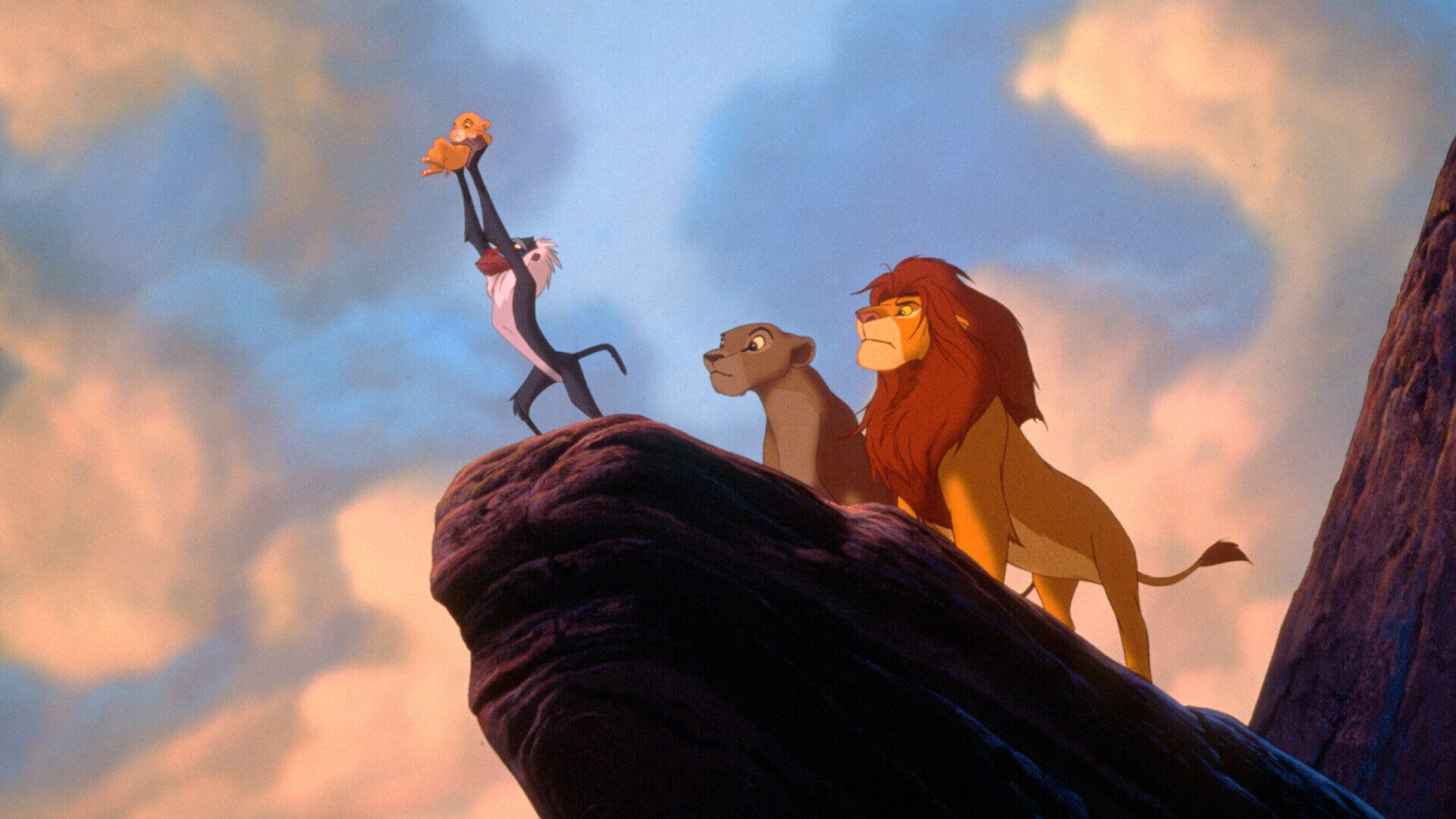
The Lion King is roaring back after a viral misrepresentation.
Comedian Learnmore Jonasi recently gained more recognition after his appearance on America’s Got Talent. He’s been getting a lot of attention for his funny take on Disney’s Circle of Life. While the song was originally written by Elton John, the famous opening chant was created and performed by Lebohang “Lebo M” Morake.
Morake filed a lawsuit against Jonasi on March 16, 2026, claiming defamation, false advertising (violating the Lanham Act), trade libel, and intentional interference with his business. The lawsuit states that Jonasi damaged Morake’s reputation by falsely describing the meaning of his song during a podcast and in his comedy shows. Morake is asking for $27 million in compensation.
On the One54 Africa podcast, Jonasi explained that the opening Zulu chant in The Lion King – “Nants’ngonyama bagithi Baba” – actually means “Look, there’s a lion. Oh my God.” This differs from Disney’s official translation, which states the lyrics mean “All hail the king, we all bow in the presence of the king.” Jonasi firmly believes his interpretation is correct.
Although the song includes the Zulu word for “lion,” both Morake and Disney have consistently explained that it’s meant as a symbol of royalty, not a direct translation. The lyrics celebrate a king being praised, rather than simply mentioning a lion.
So, things have gotten a little wild! I recently posted a Lion King joke, and now I’m actually being sued over it – seriously! I shared the news on Instagram, asking if any good lawyers happen to be following me. It’s been a crazy few days, and honestly, it’s almost funny. I even got served with the lawsuit papers while I was doing stand-up, which was… an experience. I definitely reacted live, because, well, what else do you do?
Morake argues the popular parody made fun of the chant’s cultural importance and damaged his career and earnings. He claims the joke referencing The Lion King is a false and disrespectful misrepresentation, created purely for profit and to undermine his creative work.
Although it’s unusual for comedians to be sued over jokes – parody and criticism are generally protected by the First Amendment – Morake and his team argue that Jonasi presented his statements not as jokes, but as if they were true facts. The Lanham Act is typically used to address counterfeiting or misleading advertising related to products, so applying it to a comedian’s routine is an unusual approach.
This case is just beginning, and if it proceeds, it could significantly impact how parody is legally defined. The final decision may rest on a judge’s interpretation of where to draw the line between damaging false statements and opinions that are protected under free speech laws.
Read More
- Off Campus Season 1 Soundtrack Guide
- X-Men ’97 Finally Gave Gambit the Hero Moment He Deserved
- Chainsaw Man Volume 24’s Cover Art Reveals a Brand-New Denji
- 46 Years Later, The Mandalorian & Grogu Answers A Major Empire Strikes Back Question
- HoI4 fans harsh reactions to the announcement of another DLC pack
- 10 Worst End-Game Couples In Sitcom History
- Gold Rate Forecast
- Emily Henry Says to ‘Trust the Vision’ For Beach Read Adaptation
- DoorDash responds after customer uses AI to make food look bad and get a refund
- Katanire’s Yae Miko Cosplay: Genshin Impact Masterpiece
2026-03-26 23:49