
When discussing the most important figures in Disney history, Tony Baxter deserves to be mentioned right away. He wasn’t a corporate executive or focused on marketing—he was an Imagineer, a creative force behind the parks and attractions.
It’s funny, every time there’s a shake-up at Disney, all the praise immediately goes to the top executives. Right now, everyone’s applauding Bob Iger as he steps down and already celebrating Josh D’Amaro as he takes over. But as a lifelong Disney fan, I always feel like something’s missing from that story. It’s the countless cast members, the creative teams, and everyone else behind the scenes who actually built the magic and created the experiences I grew up with – they rarely get the recognition they deserve.
The lasting success of Disney wasn’t created through short-term financial reports. It was built by the creative people – artists, designers, and builders – who brought imaginative ideas to life and created real, immersive experiences. A prime example of this is Baxter, who started his career at Disneyland, eventually becoming a leader at Walt Disney Imagineering, and was honored as a Disney Legend in 2013.
Imagineer Harrison Baxter and his teams played a key role in creating many beloved Disney Parks attractions. They were responsible for iconic rides like Big Thunder Mountain Railroad and Splash Mountain, as well as large-scale projects like the 1983 renovation of Disneyland’s Fantasyland, Journey Into Imagination at EPCOT, Star Tours, Indiana Jones Adventure, and the entire Disneyland Paris resort.
His work didn’t just contribute to Disney Parks—it helped define what they became.
Here are some of the greatest Disney achievements of Tony Baxter.
Big Thunder Mountain Railroad Gave Disney a New Kind of Thrill Ride
Big Thunder Mountain Railroad really showcases the creative work of Tony Baxter at Disney Parks, but it wasn’t originally planned to be that ride. It actually started with a different concept.
When Magic Kingdom was first being planned, Disney Imagineer Marc Davis created a major attraction for Frontierland called Western River Expedition. It would have been a detailed boat ride showcasing scenes and stories from the American West. However, after the park opened, the huge popularity of the planned Pirates of the Caribbean ride led Disney to focus on building that instead. As a result, Western River Expedition was canceled.
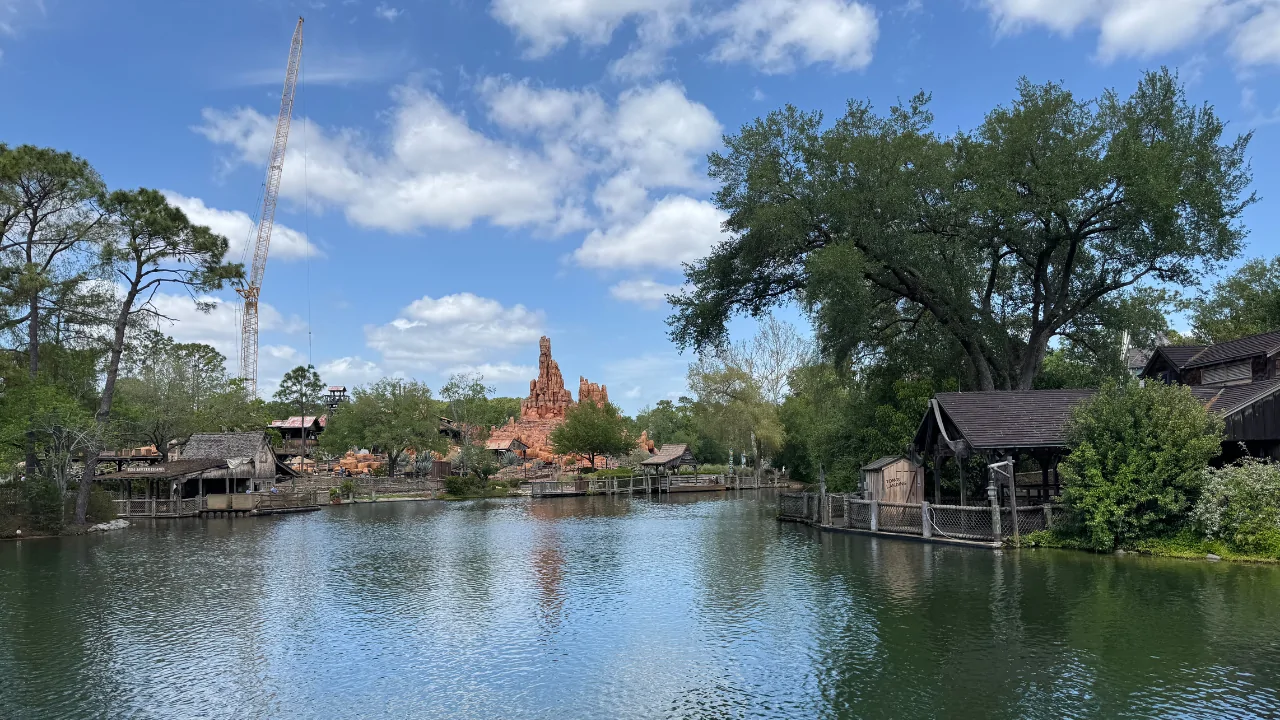
That left a major gap in Frontierland—one that Tony Baxter helped solve.
Instead of giving up on the original idea completely, Baxter kept the exciting concept of a runaway mine train and reimagined it as something more realistic. He and his team replaced a large, elaborate boat ride with a fast-paced roller coaster that still captured the atmosphere and told a compelling story.
The Big Thunder Mountain Railroad ride first opened at Disneyland, despite the initial challenge being identified at Disney World in Florida. Because Frontierland at Magic Kingdom was already established, it was more difficult to modify quickly. Disneyland had more room to experiment and refine the ride, so it debuted there in 1979, and then came to Magic Kingdom in 1980.
The opening of Big Thunder Mountain Railroad at Disneyland was a turning point. It demonstrated Disney’s ability to transform a grand, ambitious idea into a feasible attraction while still maintaining the original vision.

As a huge movie and theme park fan, I always loved how this attraction looked. It totally reminded me of the incredible rock formations out in places like Bryce Canyon. But what really set it apart wasn’t just the scenery, it was how everything worked together. It wasn’t like they just built a ride and then plopped it onto a fake landscape. The track felt like it grew out of the environment, and the mountain itself wasn’t just something you looked at—it was part of the ride, the whole experience!
That ride was incredibly important for Disney. Big Thunder Mountain wasn’t just a popular attraction; it set a new standard for Disney thrill rides. It proved they should be immersive worlds, not just rides dressed up with themes.
Big Thunder Mountain Railroad has become one of Disney’s most iconic rides, as evidenced by the fact that it’s been built at multiple parks. Following its debut at Disneyland, similar versions opened at Magic Kingdom, Tokyo Disneyland, and Disneyland Paris, solidifying its place as a Disney classic.
The 1983 Fantasyland Rebuild Changed Disneyland for Good
Perhaps Tony Baxter’s greatest accomplishment isn’t a specific attraction, but rather the complete reimagining of Fantasyland at Disneyland in 1983.
Fantasyland was a beloved but aging part of the park. Instead of simply updating it, the team led by Baxter completely reinvented it. They turned it into a beautifully detailed village inspired by Europe, with improved rides and a consistent look and feel that truly captured the immersive storytelling Disney was known for.
Before its recent renovation, Fantasyland wasn’t the immersive, storybook area guests enjoy now. It largely retained the look of Disneyland’s original design, featuring rides in simple, tent-covered buildings and basic exteriors that resembled a fairground more than a magical kingdom.
Popular rides like Peter Pan’s Flight, Snow White, and Mr. Toad were already well-loved. However, the area surrounding them didn’t feel as well-developed. Unlike areas like New Orleans Square and Frontierland, Fantasyland lacked detail, looked disjointed, and felt outdated compared to the rest of the park.
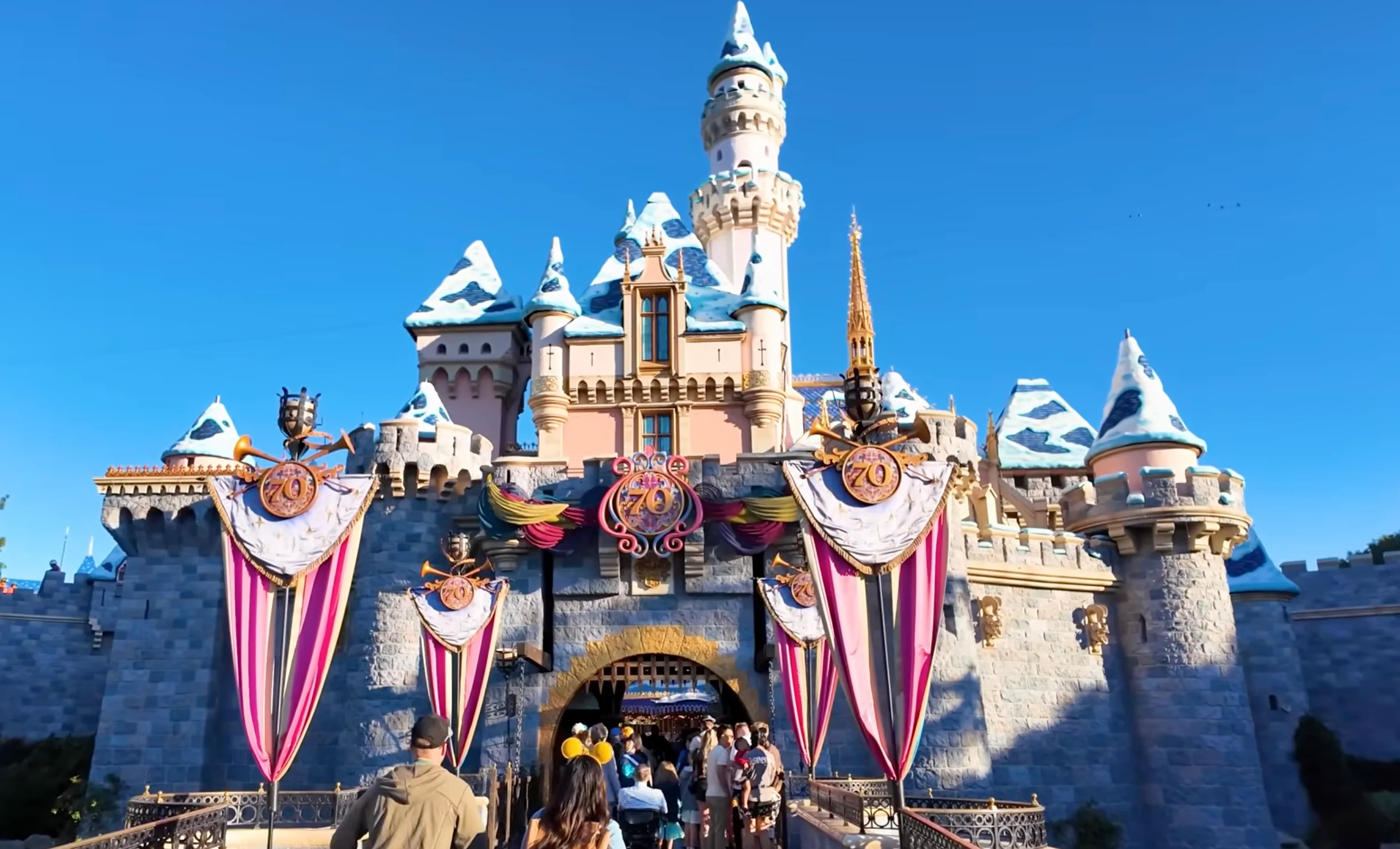
This wasn’t just a remodel; it was a total reimagining of Disney’s approach to park design. Since Fantasyland is the heart of Disneyland, updating it meant changing how visitors experienced a key part of the park. The final result is a more unified, immersive, and carefully planned land.
More significantly, the project demonstrated that Baxter’s talents extended beyond designing single rides. He could envision and develop entire themed lands – crafting their overall appearance, how guests moved through them, and their unique atmosphere – transforming them into immersive and complete experiences. This skill – the ability to create fully realized environments, not just attractions – became a hallmark of many of Disney’s biggest successes in the following years.
Journey Into Imagination Gave EPCOT One of its Defining Originals
In 1983, Baxter played a key role in bringing one of EPCOT’s signature attractions to life: Journey Into Imagination, which debuted when EPCOT Center first opened.
The pavilion first introduced guests to Figment and Dreamfinder, characters created just for the parks, and soon became a beloved and iconic part of EPCOT. This was especially unique for Disney, as it happened before the company primarily focused on attractions based on existing movies. It was a ride built on original creativity, not a retelling of a story.
You know, as a movie and theme park fan, I always loved ‘Journey Into Imagination.’ What really set it apart was that it wasn’t based on any existing story or characters. Instead, it was all about the idea of imagination itself! It wasn’t trying to blow you away with huge thrills; it was a gentle, playful experience that really encouraged you to use your creativity and let your mind wander. It focused on the feeling of imagination, not just flashy visuals.
A key reason Baxter’s work remains impactful is that Figment and Dreamfinder weren’t developed for marketing or based on existing films. They were born directly from the needs of the attraction itself and the power of the underlying concept.
When people reminisce about the original EPCOT, the Journey Into Imagination attraction consistently comes up. It wasn’t popular because of a famous brand or character, but because it was a strong and successful ride all on its own.
Star Tours Proved Disney Could Bring a Blockbuster Universe Into The Parks
Star Tours was a pivotal moment for both Disney Parks and Tony Baxter’s career, solidifying his role as a leading creative force.
Baxter played a vital role in creating the Star Wars attraction at Disneyland. He collaborated closely with George Lucas to build an immersive experience that felt real, not just like an advertisement. Unlike most Disneyland attractions based on Disney’s own stories, this project involved Baxter bringing a major film franchise to life for guests to actually step inside.
When Star Tours debuted at Disneyland in 1987, it marked a new direction for Disney. It was the first time the park built an entire ride based on a popular movie franchise, rather than its own original characters and stories. Baxter played a key role in demonstrating that Disney could successfully expand in this way while still maintaining the magic that guests loved.
The launch was huge, showing a clear change in Disney’s approach. It wasn’t just a typical new attraction reveal; it was presented as a significant event, demonstrating Disney’s commitment to working more closely with Hollywood.
What really made Star Tours special was how immersive it felt. It didn’t just nod to Star Wars—it made guests feel like they were in the Star Wars universe. Everything, from waiting in line to the simulator ride itself, combined to create that convincing illusion, making you a part of the story rather than just a viewer.
It might seem clear today, but back in 1987, this wasn’t the case. Star Tours pioneered a strategy Disney continues to use: bringing popular movies to life through detailed, engaging physical spaces.
This wasn’t simply another win for Baxter; it demonstrated that his storytelling methods could work with properties outside of Disney’s usual characters, while still maintaining that classic Disney feel.
Splash Mountain Became one of Disney’s Signature Attractions
Splash Mountain perfectly showcases Tony Baxter’s talent for transforming daring ideas into beloved classics.
The idea for the project came from a simple need: Disney had a lot of unused Audio-Animatronic figures after the America Sings show closed, and they wanted to find a new use for them. Rather than just reusing the parts, designer Baxter created a whole attraction around them. He and his team used characters and music inspired by Song of the South to build a complete story that successfully combined comedy, suspense, and a satisfying conclusion – something few attractions achieve.

As a huge fan, what always made Splash Mountain special to me wasn’t just the big drop – it was how it got there. The ride wasn’t just about rushing to the end. It was so carefully built, with a lot of time spent telling the story, which made that final splash feel truly satisfying. The slow climb, the music, even the way the mood changed right before the drop – everything worked together to create a moment I’ll never forget, and honestly, one of the best experiences in any Disney park.
Guests loved Splash Mountain, and it soon became one of Disney’s most famous rides. This wasn’t due to advertising, but because it offered a truly immersive experience. It was grand in scope, full of character, and ended with a memorable finale that guests didn’t forget.
The ride wasn’t just popular at one park; it became a hit at Disneyland, Magic Kingdom, and Tokyo Disneyland, quickly becoming one of Disney’s most iconic attractions. Disney rarely builds the same ride at multiple parks unless it’s proven to be successful, and Splash Mountain definitely fit that criteria.
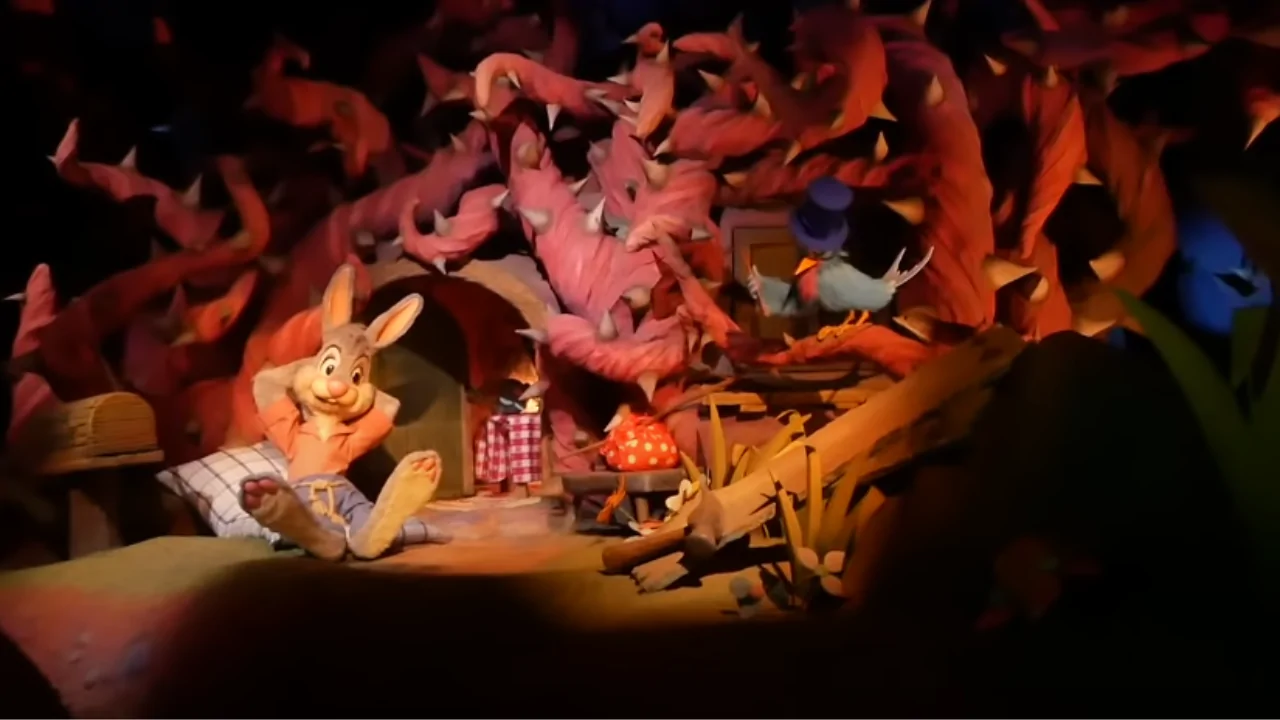
The decision to remove the original Splash Mountain ride upset many fans. It wasn’t based on the ride’s performance or what guests wanted; instead, Disney executives, including Bob Iger, made the call from the top. The new ride, Tiana’s Bayou Adventure, hasn’t quite measured up. It has fewer animated figures, feels less lively, and has experienced several technical problems leading to frequent temporary closures.
For many dedicated fans, the disappointment over Splash Mountain closing isn’t simply about losing a favorite ride. It’s about losing a shining example of Tony Baxter’s impressive work. The ride was incredibly popular, but more than that, it showed a level of imagination and skill that really marked a high point for Disney’s creative teams—and that’s why it’s been so difficult to find a suitable replacement.
Indiana Jones Adventure is One of the Strongest Cases for Baxter at His Peak
Indiana Jones Adventure truly showcases Tony Baxter at his best – it’s arguably his most impressive creation.
When the ride finally opened in 1995, it represented more than just a new attraction for Baxter – it was the result of years of developing his design principles. He had been working towards creating immersive environments where the story was told through physical details and the ride itself enhanced, rather than overshadowed, that narrative.
Baxter collaborated with George Lucas and his team to bring the Indiana Jones films to life as a fully immersive experience for guests. This went beyond simply re-creating scenes from the movies; they built a believable world with huge temple sets, real-world effects, and a feeling of genuine danger that surrounded you, rather than just being shown on a screen.
Indiana Jones Adventure truly stands out because it fully embraces the feeling of being in a real adventure. The ride avoids easy tricks, instead immersing guests in a large, detailed environment. It uses movement, size, and precise timing to make everything feel chaotic and exciting. Each twist, close call, and scene is carefully crafted to feel instantly real and unpredictable.
That’s likely why it remains so popular. It wasn’t simply a hit when it first opened; it really showcased the incredible talent of Disney Imagineering. Whenever people discuss Disney at its most innovative, Indiana Jones Adventure is almost always mentioned.
This success wasn’t just a win for Baxter; it confirmed his creative philosophy worked. By focusing on compelling stories, immersive environments, and practical sets, he created something that remains impressive even today. It’s a powerful example of what Disney Imagineering can achieve when imagination takes precedence over ease and cost.
Disneyland Paris Showed Baxter Could Help Shape an Entire Resort, Not Just Attractions
Walt Disney Imagineering legend John Baxter didn’t just contribute to specific rides; he helped define the overall design of Disney parks. This is especially evident at Disneyland Paris.
Baxter played a key leadership role from the very beginning, offering guidance that went far beyond just the ride itself. The goal wasn’t simply to create one amazing attraction, but to build a fully immersive and unified world where everything – each area, the pathways between them, and even what you see in the distance – all came together seamlessly.
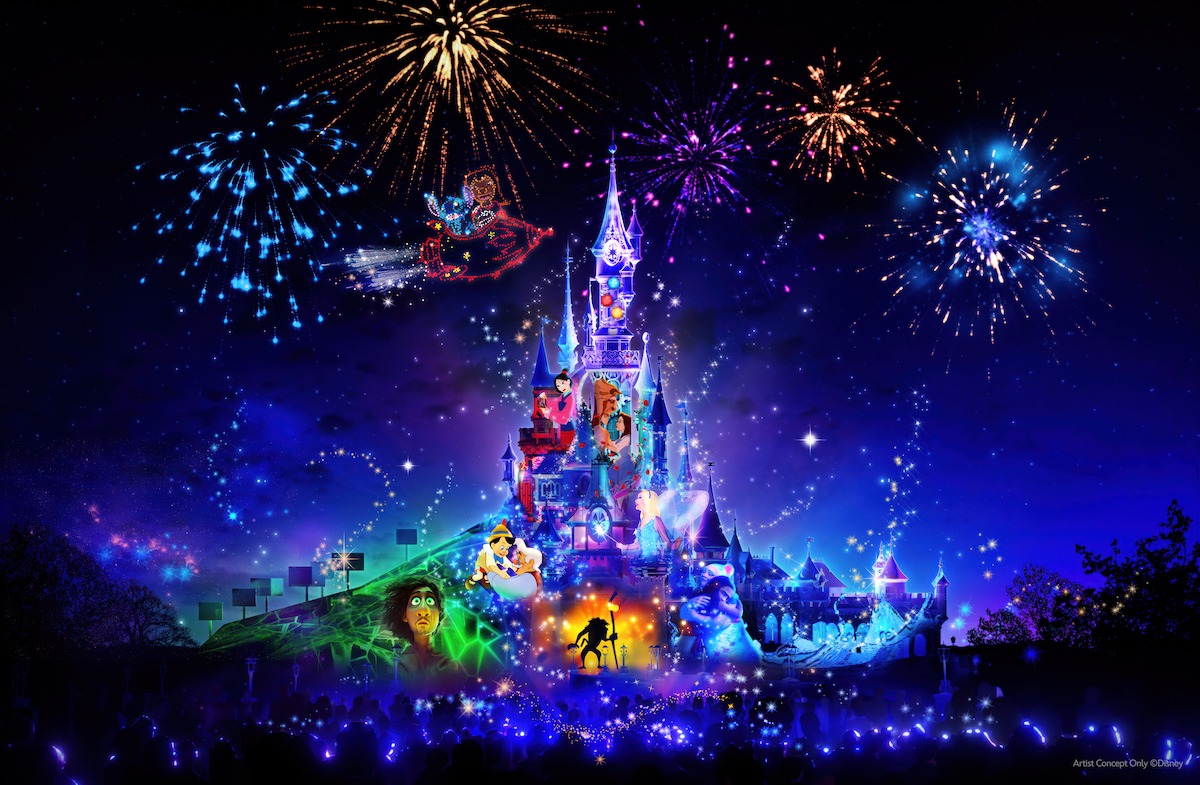
What truly makes Disneyland Paris special is how well everything fits together. In Frontierland, the story is consistent, revolving around Phantom Manor and Big Thunder Mountain. Discoveryland isn’t like other ‘Tomorrowland’ areas; it’s uniquely inspired by the worlds of Jules Verne, creating a classic and enduring feel. The park’s design itself is carefully considered, focusing on creating a strong atmosphere and fully immersing guests, even if it means sacrificing some convenience.
This kind of success doesn’t just happen. It takes real vision and leadership – someone who can see how everything connects and make it all work together. I truly believe that’s what we need to move forward.
Baxter’s impact on the project went beyond just the individual rides. He helped create a cohesive atmosphere throughout the entire resort. Designing a fantastic attraction is one thing, but building a place where everything feels connected and works together beautifully is something else entirely.
There’s a big difference between simply adding to a park and truly shaping its identity. Disneyland Paris still stands as a prime example of what the Disney Imagineering team can accomplish when they have a strong, unified creative direction.
Tony Baxter’s Real Legacy is Easier to See Than Most Executive Talking Points
Executives inherit quarterly reports. Imagineers leave behind places people actually remember.
Tony Baxter began his career at Disneyland with a simple job: scooping ice cream on Main Street. He didn’t climb the ladder through business meetings; instead, he advanced by directly contributing to the creation of memorable park experiences. Projects like Big Thunder Mountain Railroad, the reimagined Fantasyland, Journey Into Imagination, Star Tours, Splash Mountain, Indiana Jones Adventure, and even Disneyland Paris aren’t just marketing – they’re tangible, immersive creations you can actually experience.

That’s why his impact is still felt today. You can see it in the design of the attractions, the creation of the park lands, and in the overall experience guests have when they visit.
To rediscover what originally made people so devoted to its brand, Disney needs to look beyond what its leaders are saying now. The answer lies in the lasting creations of people like Baxter—the imaginative individuals who built something genuine and meaningful.
That’s a true creative legacy. And it’s one Disney would be wise to remember.
Read More
- Off Campus Season 1 Soundtrack Guide
- Chainsaw Man Volume 24’s Cover Art Reveals a Brand-New Denji
- X-Men ’97 Finally Gave Gambit the Hero Moment He Deserved
- 46 Years Later, The Mandalorian & Grogu Answers A Major Empire Strikes Back Question
- HoI4 fans harsh reactions to the announcement of another DLC pack
- 10 Worst End-Game Couples In Sitcom History
- Gold Rate Forecast
- DoorDash responds after customer uses AI to make food look bad and get a refund
- Katanire’s Yae Miko Cosplay: Genshin Impact Masterpiece
- Emily Henry Says to ‘Trust the Vision’ For Beach Read Adaptation
2026-03-26 18:03