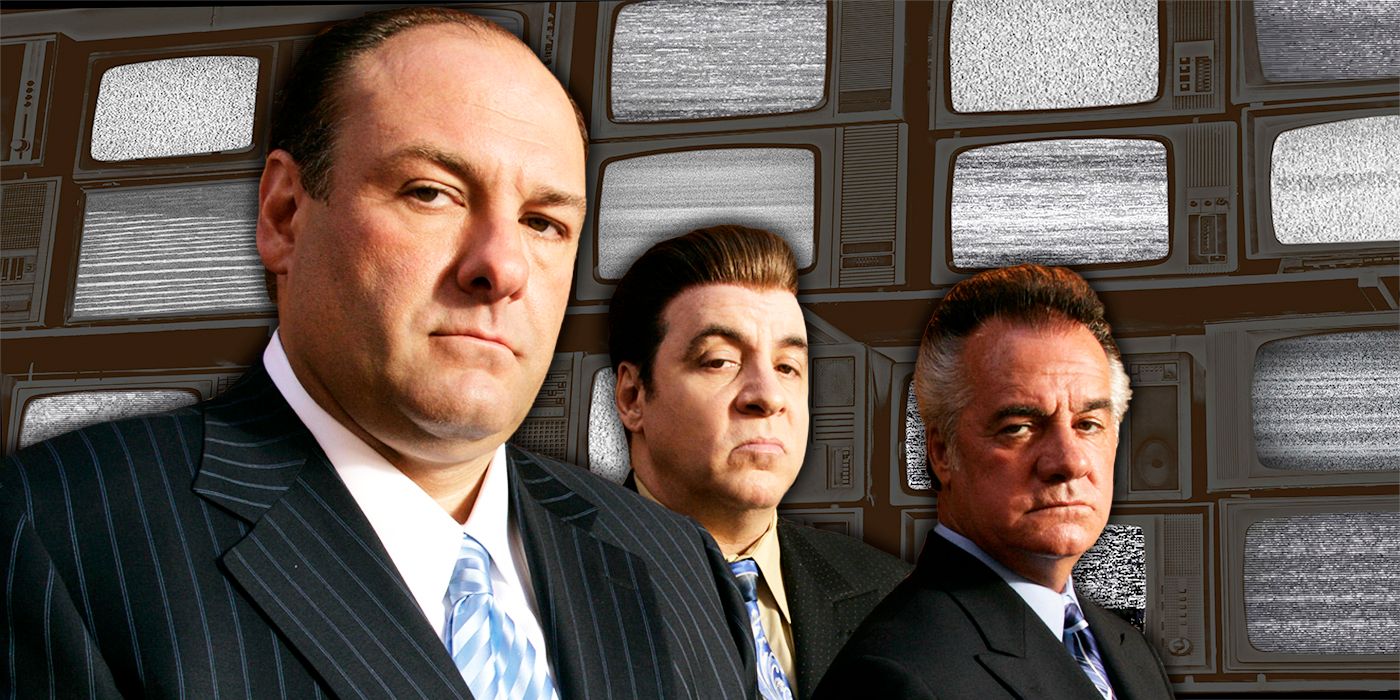
The show initially stood out for its gritty and honest depiction of crime and the desire for a better life. However, tastes and how people watch television have changed, leading some to see it differently today.
What once seemed exciting or even appealing now reveals deeper problems and a surprising amount of emotional hollowness, which is even more impactful when you look back on it. The Sopranos isn’t simply a crime drama about Tony Soprano and the mafia; it’s a deeply unsettling look at who we are, our families, the pursuit of power, and the damage caused by lying to ourselves. Re-watching the series now makes you face its dark and pessimistic view of life.
The Sopranos’ Slow Burn Is Felt Even More Today
The impact of this show was much stronger when it first aired. Back then, its focus on atmosphere and subtle drama was a refreshing change from typical television. But watching it all at once today, the slower parts can feel drawn out.
The film spends a lot of time on everyday moments – therapy, quiet meals, uncomfortable silences. This isn’t a flaw; it accurately shows what life feels like when someone is under intense stress. However, today’s audiences, used to fast-paced entertainment, might find the rhythm slow. This deliberate pacing actually reflects how Tony’s world is closing in on him, but it demands patience – more than many viewers are used to. Those who revisit the film often notice this weight even more strongly.
Meadow and A.J. Become Less Relatable as the Audience Ages
Meadow and A.J. help connect younger viewers to the story by showing how their parents’ choices affect them. Meadow’s attempts to find her place in life and her strong beliefs sometimes feel out of sync with the show’s bigger issues. A.J.’s struggles as a teenager are often very relatable, but can also be difficult to watch. Both characters reflect how problems are passed down through generations, but their storylines occasionally feel like detours from the main plot.
It’s often tiring to watch A.J. constantly try on different personas and to see Meadow act as if she’s always right. Both characters remain largely unchanged throughout the series, which makes them feel repetitive. This can make it difficult for viewers to connect with them as they once did. Instead of seeing growth, we’re left with the sense that they’re still struggling with the consequences of their upbringing and unwillingness to face reality. Their stories are sad, but also emotionally draining to watch play out.
The Sopranos’ Ending Hurts Even More the Second Time
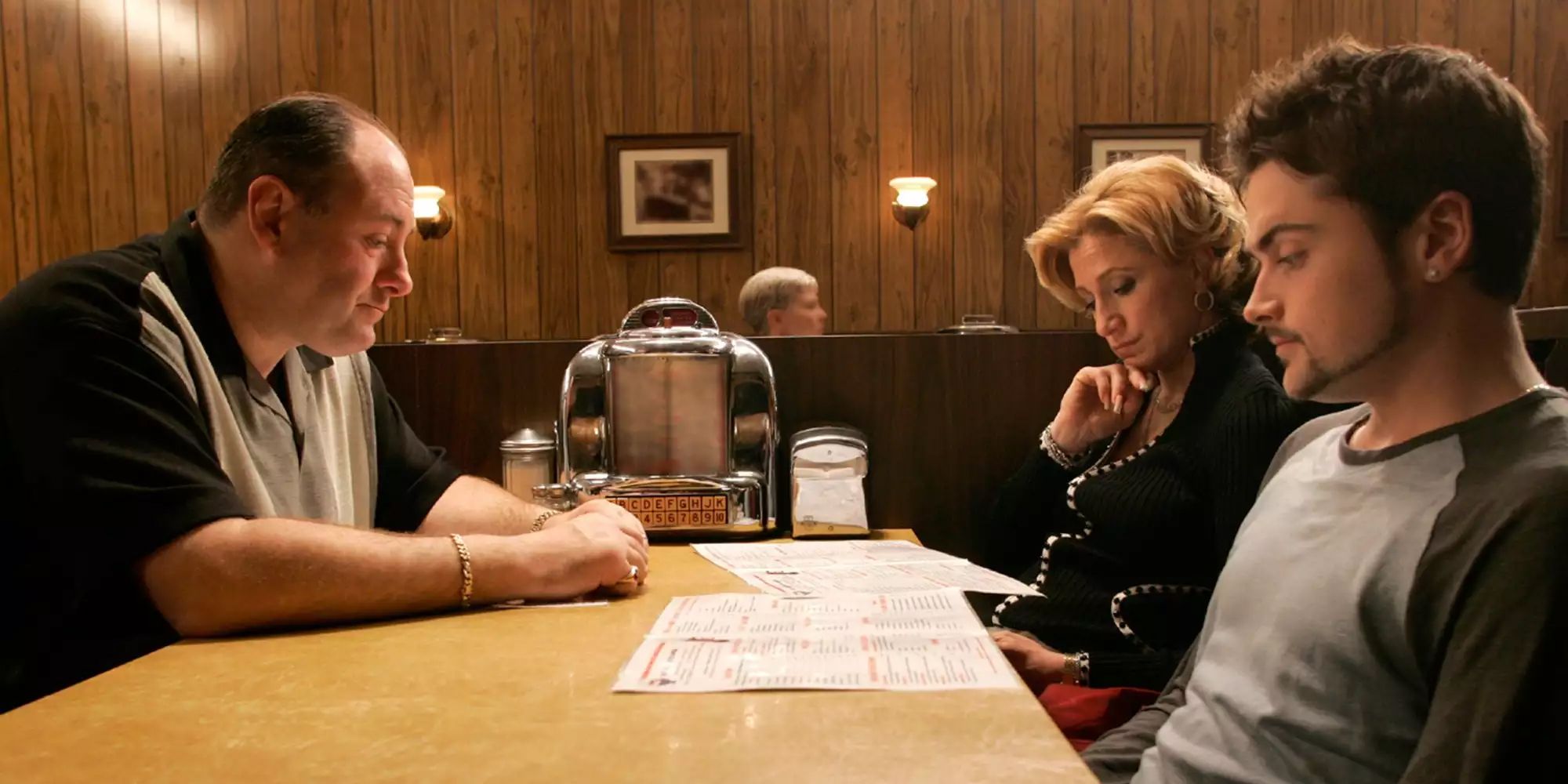
The initial viewing of this story feels shockingly sudden. But even knowing what’s about to happen doesn’t lessen the impact on a second watch. The final scene is incredibly tense – every look and moment of silence feels heavy with foreboding. Then, a brief stillness precedes a powerfully emotional and devastating moment.
Viewers understand the ending isn’t about Tony’s survival, but about the unsettling feeling that his fate is always unknown. For years, he’s been living in fear, and the show makes us feel that same anxiety. The finale doesn’t offer any closure, answers, or peace. Instead, it concludes the series in a way that solidifies its place as one of the most disturbing and powerful finales in TV history.
The Sopranos’ Glamourization of Crime Quickly Wears Off
Tony’s life appears glamorous – filled with expensive suits, cigars, fine dining, and nightlife. However, a closer look reveals this isn’t true enjoyment. The characters aren’t actually happy; they’re using wealth to mask their inner problems and unhappiness. Tony’s riches don’t bring him peace, but instead create more guilt and anxiety.
Paulie and Silvio are deeply anxious and unhappy, while Carmela avoids facing reality. Every luxury or treat they enjoy is actually a way to hide their underlying fear, anger, or feelings of being lost. When you rewatch the show, the glamorous side of Tony’s mob life fades, and it becomes clear that this world isn’t exciting – it’s actually quite sad and empty. The show wasn’t trying to make this lifestyle look appealing, and a second viewing really emphasizes how truly miserable and unfulfilling it is.
The Show’s Bigotry Is Jarring Despite the Social Commentary
What’s particularly striking about this work is how casually characters express prejudiced views – racism, sexism, and homophobia. While these attitudes reflect the world the story is set in, they feel much more jarring now. What once might have seemed bold or realistic now often comes across as uncomfortable or hurtful. It’s not just the offensive jokes, but also how characters brush off serious issues like hate crimes, treat women as objects, or disregard the humanity of those who are different from them.
The show doesn’t support the problematic behavior it depicts, and often actually critiques it. However, our understanding of what’s acceptable in storytelling has evolved. What once felt realistic now feels troubling, and revisiting the show can be emotionally difficult because of the prejudice it contains.
Christopher’s Arc Is Even More Tragic Upon Rewatch
At first, the character is presented as a troubled young soldier who wants to be a writer, but struggles with being faithful. However, his unpredictable temper and frequent violent outbursts quickly make him unlikable, and his mistreatment of Adriana becomes increasingly difficult to watch.
His lack of success isn’t due to misfortune, but to his own self-centeredness, fragility, and inability to understand himself. While Imperioli gives an excellent performance, the character is hard to sympathize with. He’s a direct result of his upbringing and surroundings, which makes watching his story unfold so difficult. Christopher’s decline is gradual, agonizing, and ultimately unavoidable, and revisiting the show reveals the tragedy with even greater impact than it did initially.
Female Characters Aren’t Fully Developed or Properly Represented in The Sopranos
While The Sopranos primarily explores the lives of men, its portrayal of women often feels critical and limiting. Female characters are frequently defined by their connections to the men around them – as wives, lovers, or daughters – and rarely get to drive their own storylines. Though the show sometimes points out the problems with harmful masculine behavior, it doesn’t always avoid repeating those patterns. Several female characters start with potential, but their stories are often cut short by tragedy or they simply vanish from the narrative.
The character of Meadow has a promising start but feels less important as the show goes on. While the series attempts to address the mistreatment of women, it often fails to give them fully developed personalities. This lack of depth is particularly noticeable when viewed alongside contemporary television, making the imbalance hard to overlook.
Some Sopranos Characters and Arcs Lack Proper Development
Even great TV shows aren’t perfect, and revisiting them often reveals flaws. Some storylines don’t quite come together or feel incomplete. The FBI investigations, for instance, often get stuck and become predictable. While visually interesting, the dream sequences tend to overstay their welcome and lose their impact. Characters like Richie Aprile, Jackie Jr., and Vito are introduced with potential, but their stories either end suddenly or they disappear altogether.
Occasionally, the show’s subplots wander off track and feel unnecessary. While once groundbreaking, some moments now seem overly drawn out. These issues don’t ruin the show, but they highlight that this was a time when TV dramas were still evolving. Viewers used to fast-paced stories might find these diversions annoying. Despite generally being excellent, the show sometimes features storylines that feel uneven or forced.
Tony’s Therapy Ultimately Feels Like a Dead End
Lorraine Bracco’s portrayal of Dr. Melfi was initially captivating. The concept of a mob boss in therapy felt innovative. However, the therapy sessions ultimately prove fruitless. Tony consistently avoids genuine self-reflection, resorting to talk, lies, and manipulation without ever truly changing. Dr. Melfi, and the viewers, spend years waiting for progress that never arrives.
Instead of showing real growth, the show repeatedly hints at Tony’s potential for change, only to have him fall back into old patterns. This makes those moments feel less meaningful and more irritating, as they seem to go in circles rather than revealing anything new about him. Despite strong writing and acting, the emotional impact of these therapy sessions weakens. It becomes clear that Tony isn’t actually trying to heal; he’s simply using therapy to rationalize his self-centered behavior.
There Are No Happy Endings for Any Characters in The Sopranos
A major flaw of the show is its lack of optimism. The characters relentlessly pursue wealth, influence, or a chance at forgiveness, but ultimately achieve none of those things. Tony remains emotionally detached, and Carmela continues to avoid facing reality. The show portrays the American Dream as a cruel joke – a hollow pursuit filled with violence and despair. While viewers might initially expect characters to grow or improve, the series offers no real hope for positive change.
Viewers recognize the show never offered a happy ending. It’s not simply dark; it presents a truly hopeless worldview. In an era already filled with cynical stories, this bleakness feels particularly striking. The show isn’t depressing for the sake of shock; it’s a raw and honest depiction of a destructive system and the characters it ruins. Revisiting the series emphasizes just how pointless everything is, shattering any hope for a satisfying conclusion.
Found an error? Send it so it can be corrected.
Read More
- Off Campus Season 1 Soundtrack Guide
- Euphoria Season 3’s New R-Rated Sydney Sweeney Scene Proves The Show Is Trolling Us
- Gold Rate Forecast
- All Golden Ball Locations in Yakuza Kiwami 3 & Dark Ties
- DoorDash responds after customer uses AI to make food look bad and get a refund
- Jon Bernthal Explains Why Marvel Let Him Make The Darkest Punisher Story Ever
- Dutton Ranch Review: Paramount+’s New Western Takes All The Best Parts Of Yellowstone & Makes Them Better
- Taco Bell combines two fan-favorite menu items in new Cantina Chicken Mexican Pizza
- YouTuber arrested after viral AI bodycam videos spark real police complaints
- The 2026 Cannes Film Festival Standing-O-Meter
2026-03-18 06:33