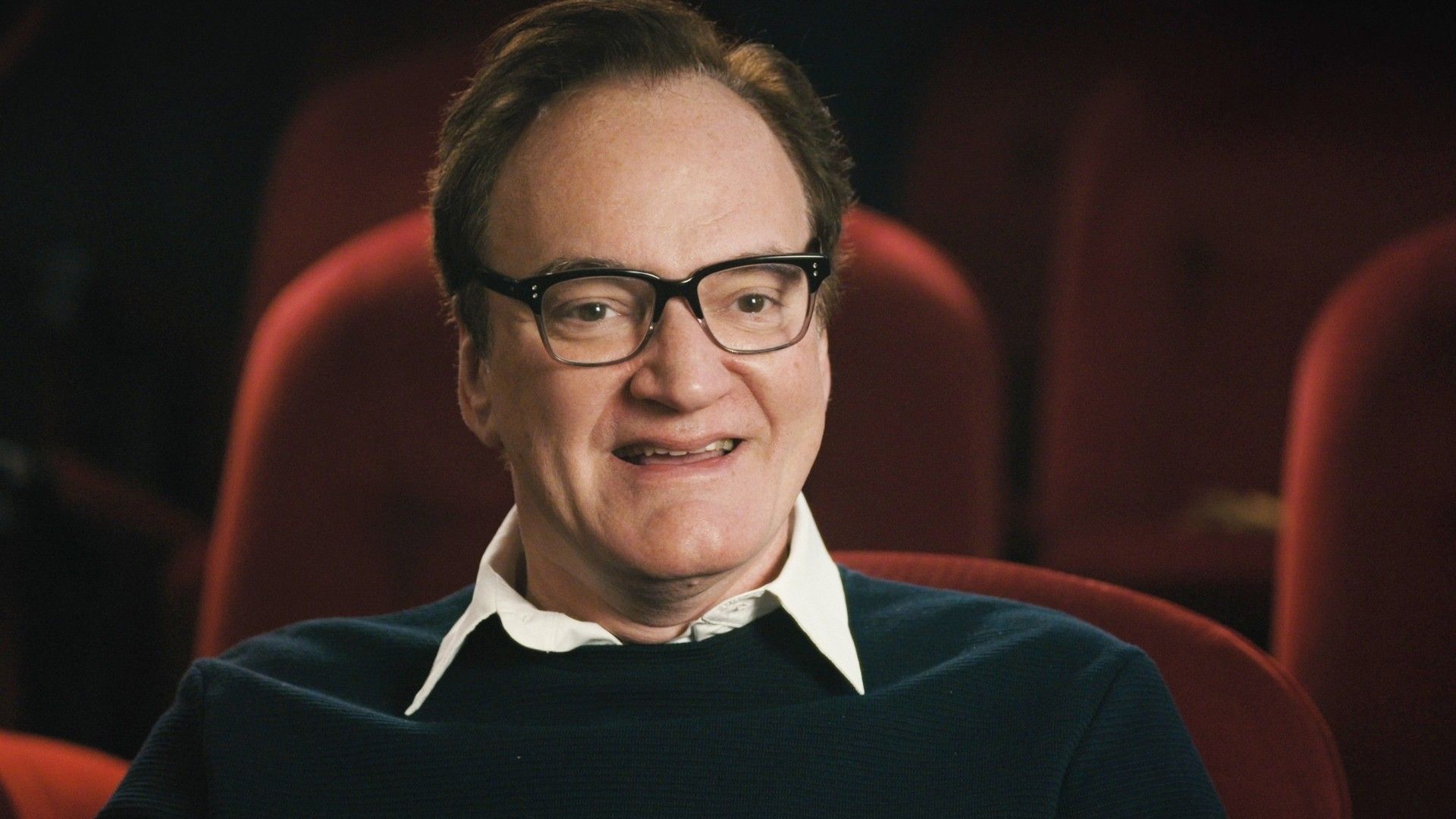
Throughout his career, he’s collaborated with incredibly talented people in Hollywood, including Jamie Foxx, Christoph Waltz, Ennio Morricone, and Roger Avary. In February 2026, a frequent and valued collaborator took an action that many film fans found unacceptable.
Quentin Tarantino rose to prominence in Hollywood with a talented generation of filmmakers who all gained recognition in the 1990s. Though often compared to Paul Thomas Anderson, some see a stronger connection to Roger Avary, who co-wrote Pulp Fiction and helped make it a classic. Avary, who has continued to write and direct films, recently surprised movie lovers with a surprising announcement about his future projects.
Roger Avary’s AI Move Is Sure to Pit Him Against Tarantino
In February 2026, filmmaker Roger Avary revealed plans for General Cinema Dynamics, a new film studio powered by artificial intelligence. The studio will collaborate with the AI company Massive Studios. Avary shared the news with his followers, mentioning three projects already underway, and stated that AI is “the most accessible advancement in filmmaking since the shift to digital technology.” He believes AI is here to stay. While many of his followers—a large number of whom are already AI enthusiasts—reacted positively, others expressed concern.
The rapid growth of AI is causing conflict between fans, filmmakers, and writers, largely because creators are losing trust in the system. We’ve seen issues like an influx of AI-generated comic books and the increasing use of recreations raising concerns about copyright. As one expert pointed out, without strong legal action from major studios to protect copyrights, this trend is likely to continue.
Avary recently worked with the directors of Requiem for a Dream and 1776, and both times, this decision drew criticism from others in the creative community. This happened at a sensitive moment, as many screenwriters, editors, animators, and actors are worried about the future of their professions.
Movie and TV studios decide what kinds of projects to prioritize, but the rise of AI companies could pose a risk, particularly to big-budget films and shows. As AI becomes more widespread online and begins to replicate content, concerns are growing about its ability to create truly original work.
Look, let’s be real – the director openly admitted this decision would probably upset Quentin Tarantino, and he even seemed to enjoy the thought of it. And it’s Tarantino himself who’s at the heart of this whole debate. Despite any flaws, the guy clearly loves movies – you see it in his reverence for composers like Ennio Morricone and his insistence on shooting on film. What’s becoming clear is that the real battle lines are being drawn between filmmakers who value and build on cinematic history, and those who are completely swept up in the latest technology.
Avary Is Wrong About “Democratizing” Filmmaking
Avary recently announced his new AI studio, adding to the increasing number of voices who believe that large language models are making filmmaking more accessible. These filmmakers argue the industry needs to be more open to fresh talent, and that many deserving writers are unfairly being held back from opportunities.
Creating films is now more accessible than ever thanks to affordable production equipment. However, filmmakers face a challenge: getting their work seen. While making a film is achievable, securing distribution – getting it into cinemas or onto streaming platforms – is a much bigger hurdle, a trade-off creators face regardless of whether they use AI or traditional methods.
It’s odd that those who say the film industry doesn’t reward talent are often the same ones pushing for anyone to be able to make movies. It doesn’t make sense to say filmmaking should be open to everyone because the industry lacks quality, while simultaneously suggesting that removes the need for skill and experience.
If everyone in the U.S. could easily create a full-length movie, it would be hard for genuinely talented filmmakers to stand out. Similarly, once someone creates impressive art using AI, others can quickly copy it with minor changes, diminishing true originality.
Avary believes that the ease of using AI will help their new technology appeal to younger audiences. However, they’re overlooking the fact that because AI tools are widely available, anyone can create a lot of content, even complete scripts.
AI doesn’t necessarily favor brilliant ideas over well-executed ones; it levels the playing field. This means the quality of ideas may suffer, and simpler, more basic content will likely become more popular. This trend will likely worsen as people become more fascinated by what AI can do rather than the creative process or meaning behind it.
Ultimately, Avary and Aronofsky will likely demonstrate that success depends more on getting a film seen – through distribution, publicity, and industry relationships – than on the actual content itself. If their projects end up on platforms like Netflix or Hulu, it will be due to pre-existing agreements and their established reputations, not necessarily the quality of the films.
Despite the hype around recent AI-generated previews, they lack originality and depth. They simply rehash existing concepts without offering anything new.
Avary Highlights a Real Problem for the Future of Cinema
Look, Roger Avary’s views on AI and filmmaking are controversial, I get that. A lot of us feel like it threatens the very soul of what we do. But setting that aside, he actually hit on something really important. As the big studios increasingly rely on algorithms and established formulas, it’s going to become harder and harder for new voices – writers, directors, anyone with a truly original story – to get a foot in the door. And when that happens, people will start looking for other ways to get their stories told, because the traditional route will feel completely blocked. It’s a worrying trend, honestly.
Meanwhile, streaming services provide a huge amount of content for viewers who are losing interest in traditional media, available whenever they want. Some believe companies are pushing generative AI and then trying to find reasons to support it. It’s not certain if this is the case with everyone, but it’s becoming a common justification among those using programs like Seedance and Sora 2, as they’ve already invested in them. It appears there’s less genuine focus on artistic vision and filmmaking, and more excitement about the newness of AI technology.
A recent problem with big-budget movies is that they haven’t spent enough on visual effects, leading to films almost entirely created using green screens. As studios address concerns about artificial intelligence, they should emphasize that they deliver high-quality, immersive experiences – something AI can’t currently replicate – rather than simply churning out content.
Many filmmakers have pointed out that while AI can create visually impressive content, it can’t replace essential elements like genuine human emotion and a well-written story. Creativity needs to stay central to filmmaking, or movies lose what makes them special. If AI can easily produce films, there’s little incentive for audiences to pay for them—or for studios like Warner Bros. to protect their valuable content.
Hollywood Needs to Embrace Authentic Original Stories
Looking at how technology usually develops, it’s certain that movie and TV studios will start using AI tools, likely in areas like writing scripts or even editing footage. However, it’s really important that humans continue to be the driving force behind the creative choices.
With the rise of AI, there’s a danger that creators might start relying too much on computer-generated ideas, essentially taking credit for work that isn’t truly their own. Film studios should remember the value of investing in original, compelling stories – the kind that involve risk – rather than just relying on established franchises. The recent success of Weapons demonstrates that audiences are hungry for quality and aren’t necessarily looking for the same old predictable content.
With AI now capable of creating full-length movies so easily, the very act of filmmaking is becoming more respected. However, because unoriginal and even stolen content often gets attention online, artists may lose their motivation to create truly original work.
Filmmakers like Roger Avary are exploring the potential of AI in storytelling, but there’s a concern that it could ultimately harm the art of filmmaking, prioritizing newness over true quality.
Read More
- Netflix’s Little House On The Prairie Reboot: Release Date, Cast & Everything We Know
- Off Campus Season 1 Soundtrack Guide
- YouTuber arrested after viral AI bodycam videos spark real police complaints
- Silver Rate Forecast
- Prime Video’s New R-Rated Spy Thriller Is Officially No.1 On Streaming Despite Poor Reviews
- Brent Oil Forecast
- Peaky Blinders: The Immortal Man’s Tommy Shelby Is a Better Father Than Michael Corleone
- Gold Rate Forecast
- Bulgakov’s Take: Koreans Bet the Farm on Chips, Crypto, and Chaos
- EUR ZAR PREDICTION
2026-02-20 03:11