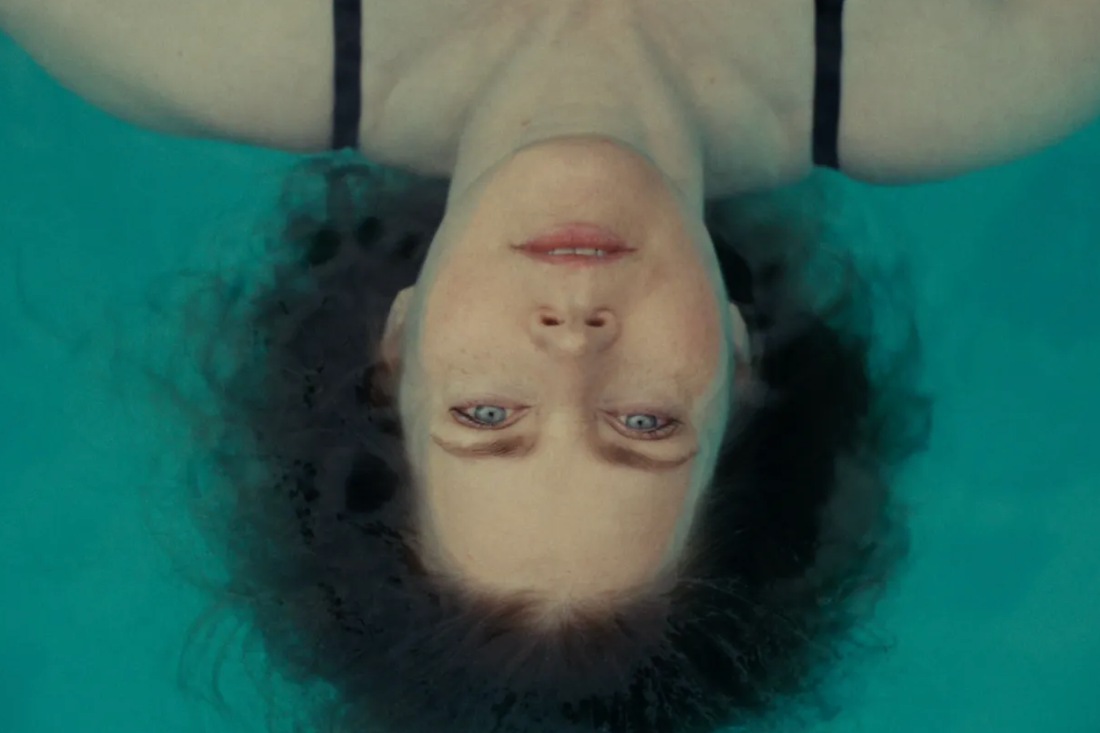
In the film At the Sea, Amy Adams plays a woman rebuilding her life after time in rehab, but the movie feels strangely restrained. While director Kornél Mundruczó (known for White God and Pieces of a Woman) includes fragmented flashbacks and spontaneous dance sequences, they hint at a more compelling story that never fully materializes. Even Adams, an actress who often elevates weaker scripts (like in Nightbitch), seems lost within the film’s direction.
It’s surprising to see her in this role, as it feels perfectly suited to her background. The actress was a trained ballerina, which mirrors her character, Laura Baum, who leads a dance company established by her controlling father. The story begins with Laura returning after a six-month, secret recovery program, telling everyone she was on a trip to Bali. Her husband, Martin, wants to sell their house, and the dance company is facing financial trouble because a key partner, George, is considering pulling his support. Adding to the complexity, Laura’s children, Josie and Felix, are unsure how to adjust to having their mother back home.
The film doesn’t delve into Laura’s family life or the inner workings of her dance company, which would be fine if these elements weren’t repeatedly brought up. Instead, the script relies on awkward and superficial arguments, often filled with unnatural explanations. Characters simply shout accusations at each other – lines like, “I’ve always prioritized the company!” and “You knew nothing about dance when I hired you!” – but we rarely see the actual dance, the collaborative spirit, or the artistic process itself. If the film is meant to show the absence of these things, it’s unclear why the movie was made in the first place.
The film also fails as a story about a troubled marriage. The arguments between Laura and Martin feel unconvincing because we never understand what’s truly at stake. There’s a moment where they abruptly start laughing mid-fight, almost as if the actors momentarily broke character and recognized how silly the scene was. However, this feels forced and ultimately reads as the filmmakers admitting they didn’t know how to properly conclude the scene.
The film tells us Laura feels a strong connection to her childhood home and her father’s company, but it doesn’t really show us why. We get brief, hazy glimpses of her past with her father, but they’re fleeting and don’t offer much insight. The movie feels disjointed, made up of random, often ineffective scenes. Jenny Slate plays George’s ex-wife and delivers a rambling, pointless speech, and Brett Goldstein appears briefly as a recovering addict with a heavy-handed metaphor about kites. The most enjoyable part was spotting my friend and former colleague, David Edelstein, playing a film critic – and later discovering he also helped write the story, so hopefully this review won’t ruin our friendship!
Occasionally, At the Sea hints at becoming a truly vibrant dance piece, with moments where the choreography bursts through the story’s disjointed pace. When Josie is upset with her parents, she goes to the dance studio and starts practicing falls, powerfully throwing herself onto the floor. For a moment, the film feels like it’s about to take off in a surprising and thrilling direction. However, these scenes are fleeting. Later glimpses of Laura’s dancing suffer the same fate. While a few flashbacks unexpectedly turn into dance sequences, they’re always cut short.
The film’s uneven pacing and abrupt shifts feel like it’s struggling to find its true identity – maybe the ambitious vision it originally intended to convey. Director Kornél Mundruczó is a talented and thought-provoking filmmaker, known for taking risks with artistic expression and using symbolic imagery. This tendency often creates division among critics. While he’s increasingly working on more mainstream projects, he’s also highly regarded for his unique and successful stage productions. Watching the film, I often wondered if the original concept was more daring and experimental, relying less on awkward dialogue and more on visual storytelling and energy, similar to the kites mentioned in the film. I would have much preferred to see this story told as a dance film – at least it would have been truly distinctive.
Read More
- All Itzaland Animal Locations in Infinity Nikki
- Cthulhu: The Cosmic Abyss Chapter 3 Ritual Puzzle Guide
- Paramount CinemaCon 2026 Live Blog – Movie Announcements Panel for Sonic 4, Street Fighter & More (In Progress)
- Persona PSP soundtrack will be available on streaming services from April 18
- Focker-In-Law Trailer Revives Meet the Parents Series After 16 Years
- The Boys Season 5 Spoilers: Every Major Character Death If the Show Follows the Comics
- Rockets vs. Lakers Game 1 Results According to NBA 2K26
- Gold Rate Forecast
- Raptors vs. Cavaliers Game 2 Results According to NBA 2K26
- MLB The Show 26 RTTS Guide – All Perks in Road To The Show
2026-02-18 02:55